

Products are selected by our editors, we may earn commission from links on this page.
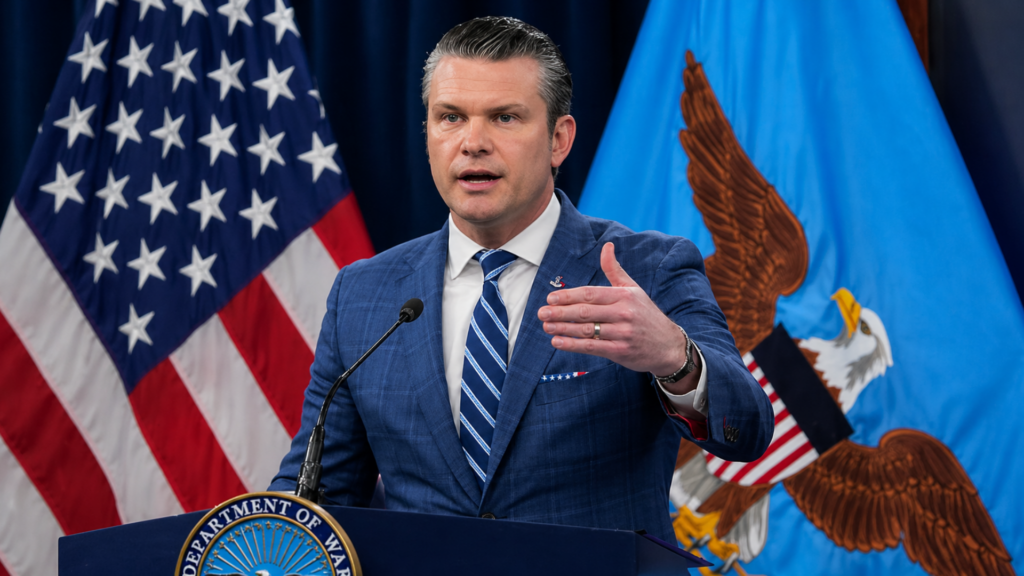
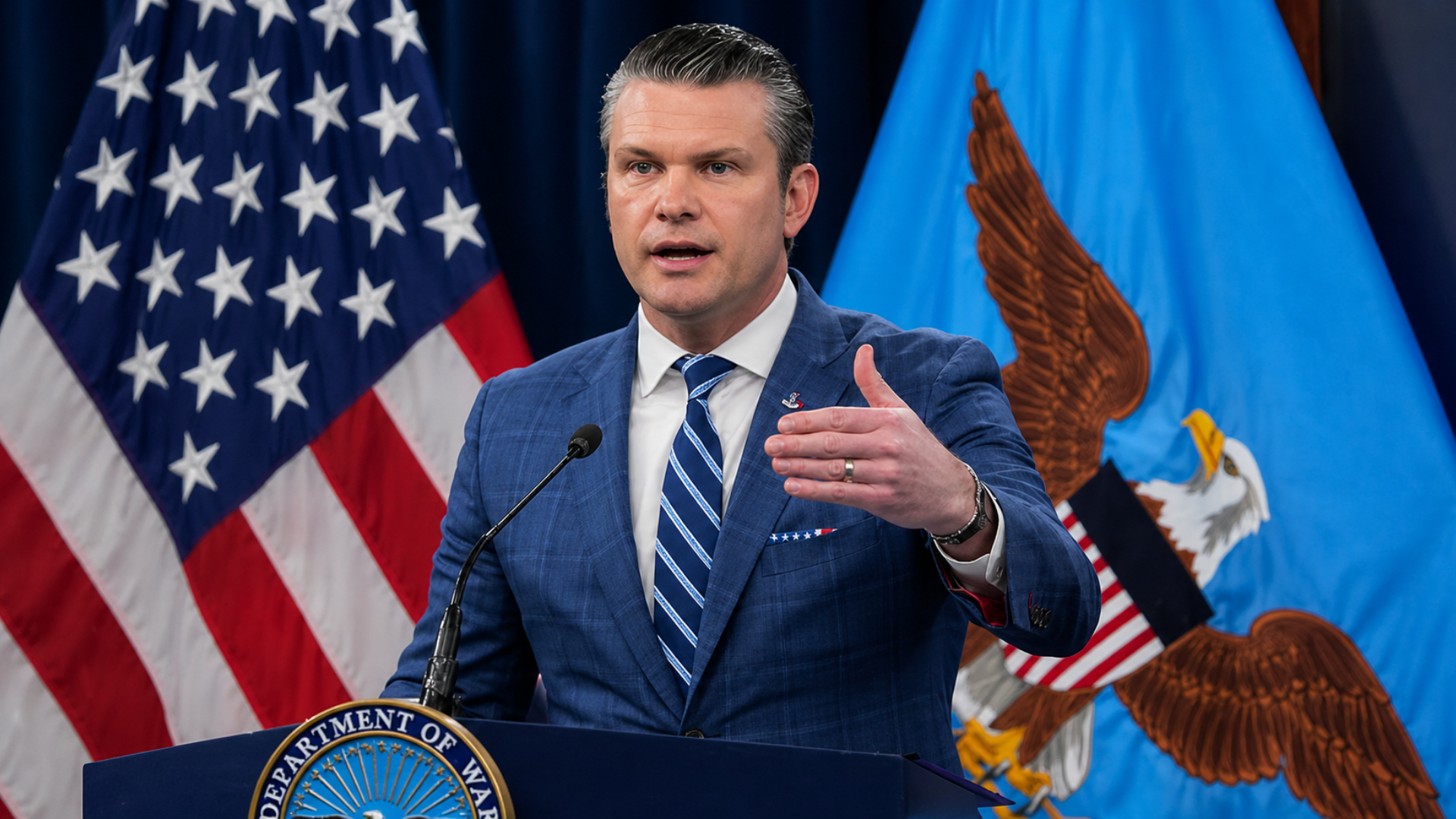
The U.S. Secretary of Defense stood at a Pentagon pulpit and led the room in prayer. The words sounded ancient, righteous, and solemn. They were also, largely, lifted from a Quentin Tarantino movie. During a worship service at the Pentagon, Pete Hegseth began echoing the “great vengeance and furious anger” monologue delivered by Samuel L. Jackson’s hitman character in the 1994 film “Pulp Fiction.” The moment, captured on video and confirmed as authentic by the Department of Defense, quickly ignited a national conversation.
In mid-April 2026, social media users began circulating a clip of Defense Secretary Pete Hegseth that they claimed showed him quoting a fake Bible verse during a Pentagon worship service. Posts across X, Facebook, and TikTok flooded feeds with side-by-side comparisons of Hegseth’s prayer and the iconic Jackson monologue. A Reddit post captioned “Pete Hegseth quotes fake Pulp Fiction Bible verse during Pentagon sermon” amassed more than 22,000 upvotes within days. The internet had noticed. Now it wanted answers.
Hegseth claimed the prayer was delivered to him by a pilot before a rescue mission in Iran, referring to it as “CSAR 25:17,” which he said was meant to reflect the biblical passage Ezekiel 25:17. But a close reading of the actual Ezekiel verse reveals it is just one sentence long. Everything that Jackson’s character quotes in “Pulp Fiction” beyond that final line was invented for the movie, and nearly all of it ended up in Hegseth’s Pentagon prayer. The origins of the prayer were far stranger than they first appeared.
The Prayer That Came From Hollywood, Not Heaven
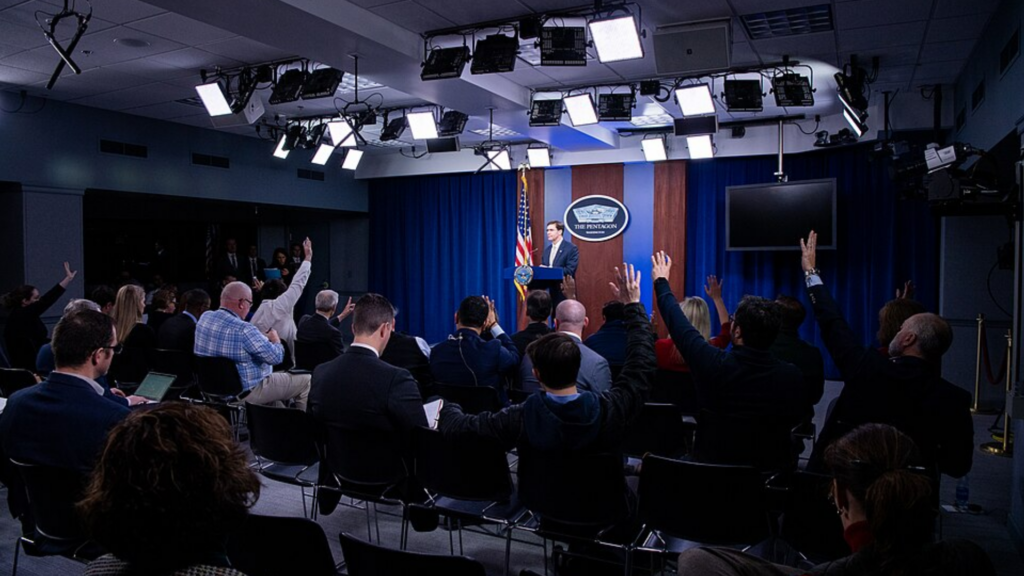
Hegseth said the prayer had been recited by “Sandy 1” rescue teams ahead of CSAR missions, including a recent operation involving two U.S. Air Force crew members shot down over Iran. He framed it as a warrior’s prayer, rooted in sacrifice and duty. But the language he read out loud was unmistakably familiar to anyone who had seen Samuel L. Jackson recite it on screen, while pointing a gun at a man he was about to kill.
Here is how Hegseth delivered the prayer, according to Defense Now: “The path of the downed aviator is beset on all sides by the inequities of the selfish and the tyranny of evil men. Blessed is he who in the name of comradery and duty shepherd the lost through the valley of darkness, for he is truly his brother’s keeper and the finder of lost children. And I will strike down upon thee with great vengeance and furious anger those who attempt to capture and destroy my brother. And you will know my call sign is Sandy One, when I lay my vengeance upon thee. Amen.” The resemblance to Jackson’s monologue in “Pulp Fiction” was near-verbatim.
The Sandy 1 prayer essentially includes minor changes to Jackson’s monologue in order to fit a military theme, swapping “righteous man” for “downed aviator,” “charity and good will” for “comradery and duty,” and “my name is the Lord” for “my call sign is Sandy One.” The bones of the speech, the cadence, the dramatic escalation, were all Tarantino’s. What remained of actual scripture was a single closing line. And that verse had its own complicated history.
Tarantino Borrowed It Too. From a 1973 Kung Fu Film
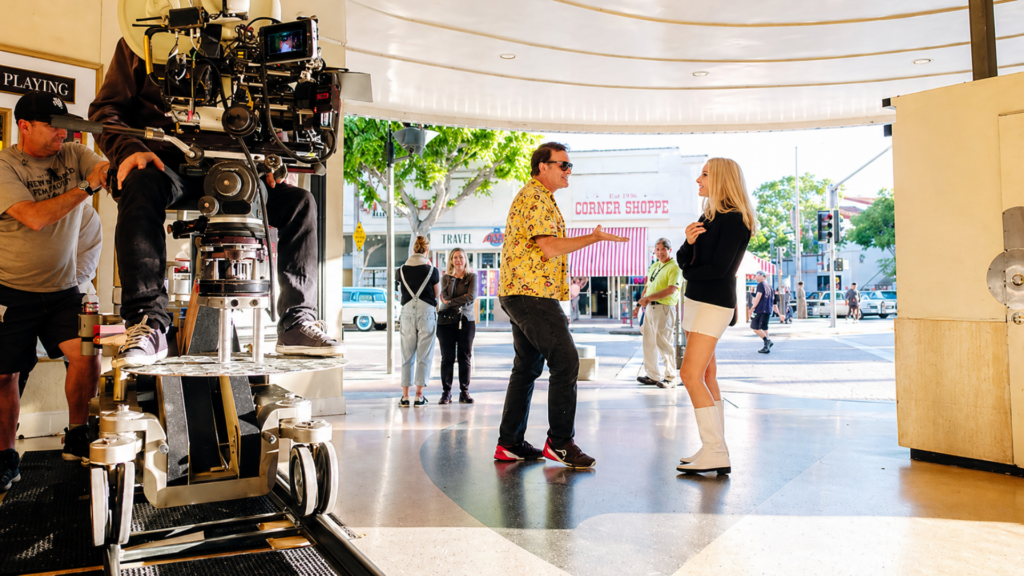
For “Pulp Fiction,” Tarantino actually lifted the fake verse from a 1973 Japanese martial arts movie called “Bodyguard Kiba,” including the erroneous attribution to Ezekiel, substituting “the Lord” for “Chiba the Bodyguard.” That means the prayer Hegseth delivered at the Pentagon traced a remarkable lineage: a real Bible verse, expanded by a Japanese action film, repurposed by Tarantino for a scene of cold-blooded murder, and then adapted again by U.S. Air Force rescue crews as a pre-mission ritual. Scripture, cinema, and combat had collided in one Pentagon prayer circle.
The actual Ezekiel 25:17, in the King James Bible, reads simply: “And I will execute great vengeance upon them with furious rebukes; and they shall know that I am the Lord, when I shall lay my vengeance upon them.” It is spare, declarative, and brief. Everything else in Jackson’s character’s monologue was invented for the movie, and the monologue is often mistaken for an actual Bible verse. Hegseth was far from the first person to be caught in that confusion. But his platform made the mistake considerably more visible.
The prayer’s resemblance to dialogue from “Pulp Fiction” drew attention on social media, sparking debate over how pop-culture language may have been absorbed into military tradition and ceremonial settings. One Reddit commenter wrote that the speech writer must have been “memeing on him,” adding that the cadence was too precise to be accidental. Pentagon spokesperson Sean Parnell pushed back in a statement on X, writing that anyone calling it a misquote of Ezekiel 25:17 was “peddling fake news and ignorant of reality.” The Pentagon, it seemed, was not in a mood for nuance.
Faith, Film, and the Pentagon’s Monthly Prayer Circle

Hegseth has been holding regular Christian worship services at the Pentagon in recent months, a practice that has drawn criticism from church-state separation advocates. The Pulp Fiction moment arrived just hours before House Democrats filed articles of impeachment against him, adding to what Newsweek described as “a growing list of political and ethical questions surrounding Hegseth’s leadership at the Pentagon.” The prayer service, initially an internal military event, had become a national flashpoint by the time late-night television got hold of it.
Late-night host Stephen Colbert played footage of Hegseth’s speech alongside the “Pulp Fiction” scene, remarking: “Wow. Hegseth’s quoting from the gospel of Quentin Tarantino.” The mockery was sharp, but the underlying question was serious. Should the Secretary of Defense be leading religious services at the country’s military headquarters at all? And if those services draw from Hollywood scripts rather than scripture, does that reveal something about the culture being cultivated inside the building?
The Pentagon did not answer questions about whether Hegseth knew about the “Pulp Fiction”-inspired origins of the prayer before he delivered it, referring all inquiries to Parnell’s statement. Whether Hegseth was deceived by the mission planner who gave him the prayer, or simply didn’t know his Tarantino well enough to recognize it, remains officially unanswered. What is certain is that a prayer meant to honor warriors in a real combat rescue mission now lives permanently alongside a fictional hitman’s pre-execution monologue. The gospel of Quentin Tarantino, it seems, has found a congregation.