

Products are selected by our editors, we may earn commission from links on this page.
A fresh dispute inside the Trump administration is drawing attention, not because of a policy change, but because of a public contradiction. This time, the issue isn’t abstract or distant, it’s something drivers see every day at the pump, and the disagreement is raising questions about what Americans should expect next.
Trump Publicly Rebukes His Energy Secretary
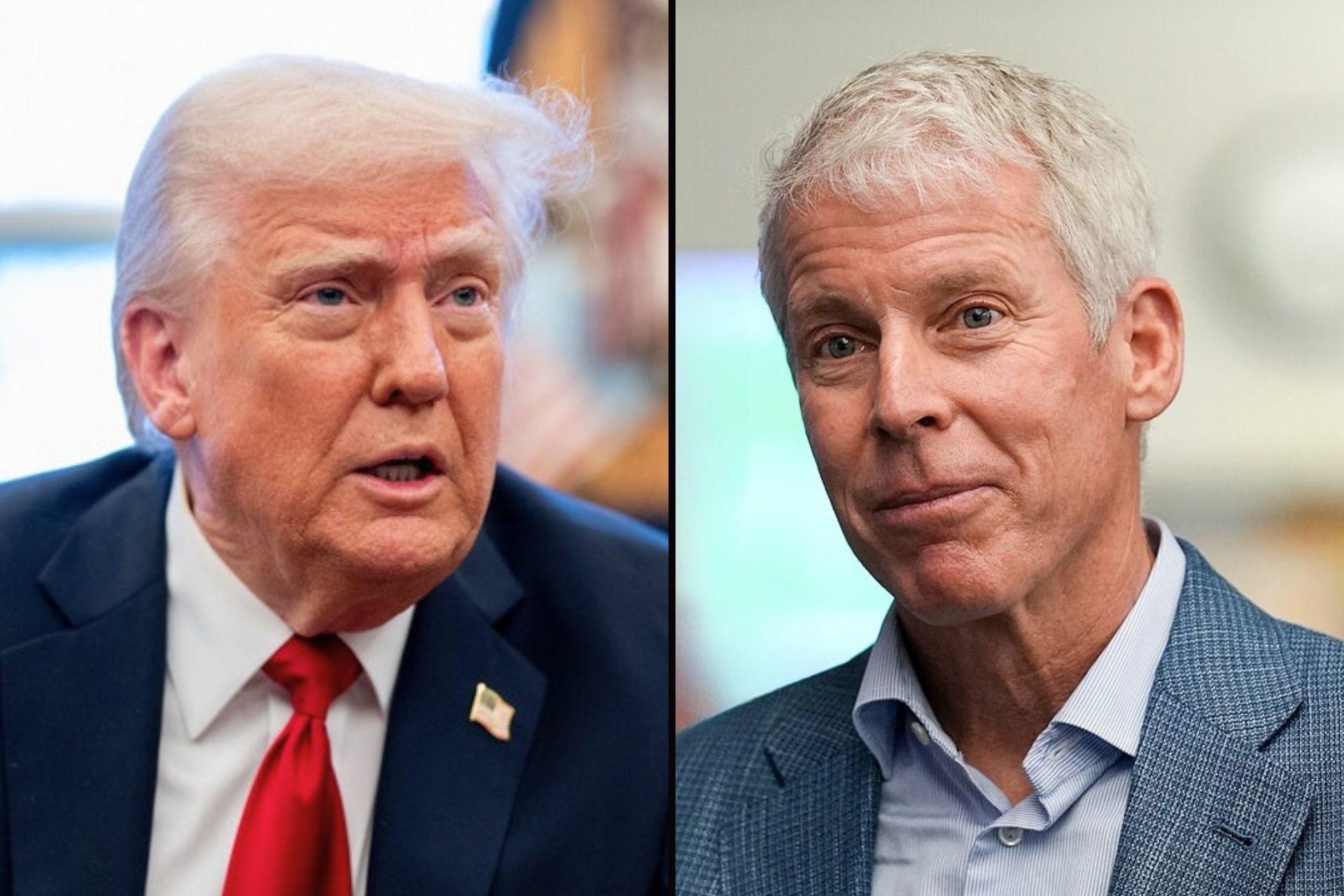
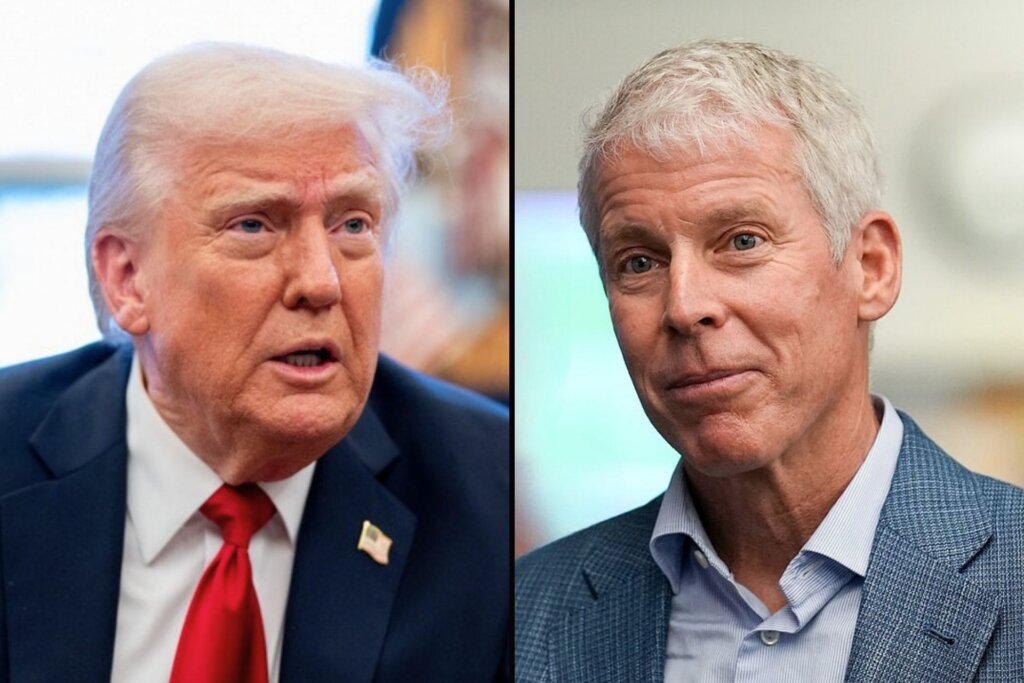
President Donald Trump sharply pushed back against Energy Secretary Chris Wright’s outlook on gas prices, calling his assessment “totally wrong” in comments to The Hill. The unusually direct criticism came just one day after Wright suggested that gas prices might not drop below $3 per gallon until next year.
What Wright Actually Said

Wright’s remarks came during a CNN interview, where he struck a more cautious tone about the timeline for falling fuel costs. “That could happen later this year. That might not happen until next year,” he said, pointing to ongoing global disruptions affecting oil supply. His comments reflected growing uncertainty tied to the conflict in the Middle East.
A War Driving Prices Higher

At the center of the issue is the ongoing Iran conflict, particularly disruptions in the Strait of Hormuz, a critical oil shipping route. As outlined in reporting, those supply concerns have pushed U.S. gas prices above $4 per gallon, according to AAA data. The situation has made fuel costs one of the most visible economic pressures for Americans.
Trump Promises Faster Relief
Trump, however, has continued to project confidence that prices will fall much sooner. In his remarks to The Hill, he said gas prices would drop “as soon as this ends”, referring to the conflict and related oil disruptions, a much faster timeline than Wright’s warning that prices might not fall below $3 until next year.
Mixed Messages Complicate the Picture
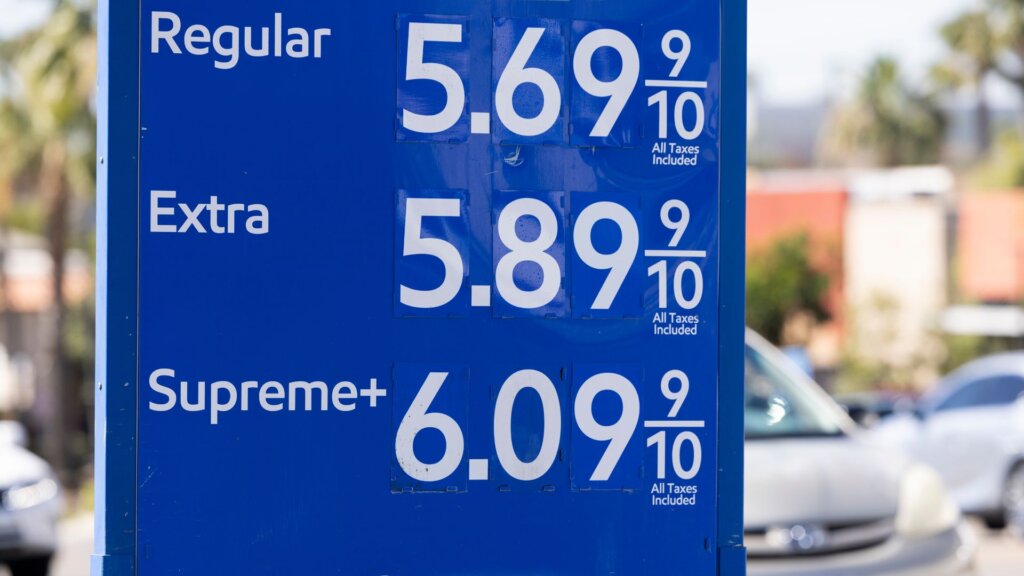
The disagreement highlights a broader pattern of inconsistent messaging within the administration. Officials have offered shifting timelines and expectations, with earlier predictions suggesting gas prices could fall within weeks, only for those estimates to be revised later. That evolving narrative has made it harder to pin down a clear outlook.
From Optimism to Uncertainty

Earlier in the conflict, Wright had expressed optimism that prices could drop quickly, even suggesting relief might come within weeks. But as the situation dragged on and supply disruptions persisted, those expectations changed. The shift reflects how unpredictable global energy markets can be during geopolitical crises.
Other Officials Offer Different Timelines
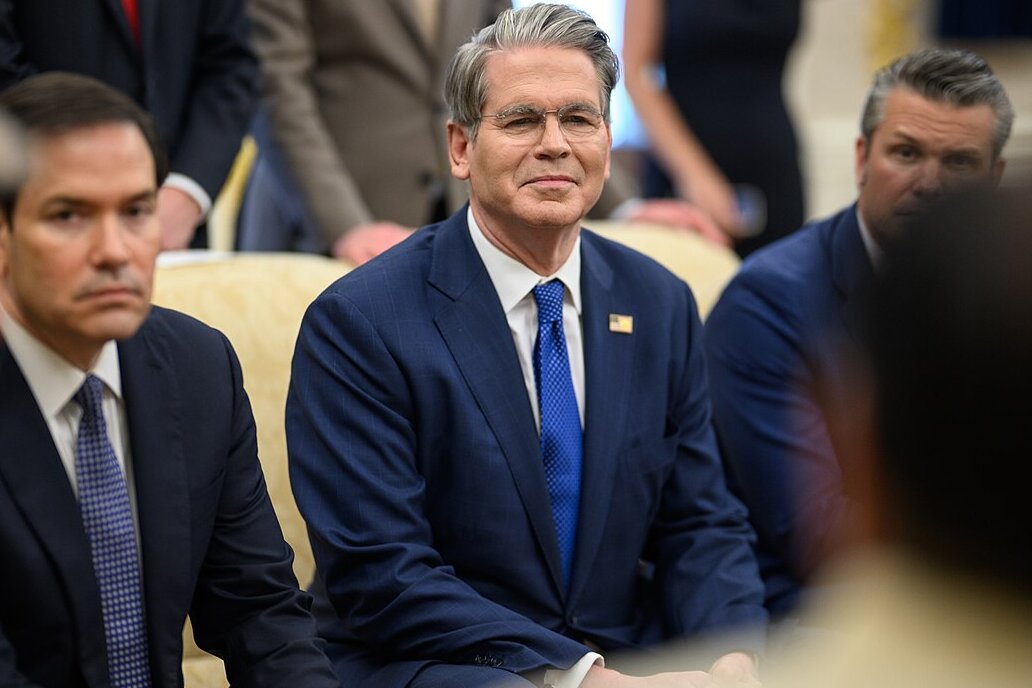
Treasury Secretary Scott Bessent has also weighed in, at times offering more optimistic projections that gas could return to the $3 range during the summer months. Those comments further complicate the administration’s message, as different officials present different timelines for the same goal.
Why the $3 Benchmark Matters
The focus on $3 gas is not arbitrary. It has become a political and economic benchmark, symbolizing affordability for consumers. Wright himself acknowledged that reaching that level would be significant, calling it “pretty tremendous” in inflation-adjusted terms during his interview.
What This Dispute Signals Going Forward
Beyond the immediate disagreement, the episode highlights a deeper challenge: managing expectations during a volatile global crisis. With gas prices closely tied to geopolitical events, the gap between political messaging and market reality may continue to widen, leaving consumers watching both the pumps and the headlines for answers.