


Products are selected by our editors, we may earn commission from links on this page.
At the end of October 2025, millions of YouTube TV subscribers suddenly lost access to Disney-owned channels during one of the busiest news and sports weeks of the year. The following breakdown explains what led to the blackout, how it unfolded, and what it reveals about the future of live TV and streaming platforms.
A sudden blackout across the country
Late on October 30, Disney removed its linear networks from YouTube TV after contract negotiations collapsed. Channels such as ABC, ESPN, and Disney Channel disappeared overnight, disrupting live broadcasts and leaving viewers with no clear timeline for restoration.
Millions caught in the middle

Roughly ten million subscribers were affected, a figure that reflects how central Disney’s networks are to YouTube TV’s lineup. The interruption extended across large urban markets and smaller regions, affecting diverse audiences who rely on the platform for consistent access to news and entertainment.
Disney’s argument for higher value

Disney justified the blackout by insisting that its channels carry significant production costs, especially live sports and local news. The company argued that YouTube TV benefits heavily from this content, and therefore, higher carriage fees were necessary to reflect the true value of its programming.
YouTube TV’s pushback

YouTube TV countered by saying Disney’s proposed rates would ultimately raise prices for subscribers. The company accused Disney of using the blackout to pressure negotiations and attempted to soften the impact with temporary credits and account adjustments, though many customers remained confused about compensation.
A blackout with terrible timing
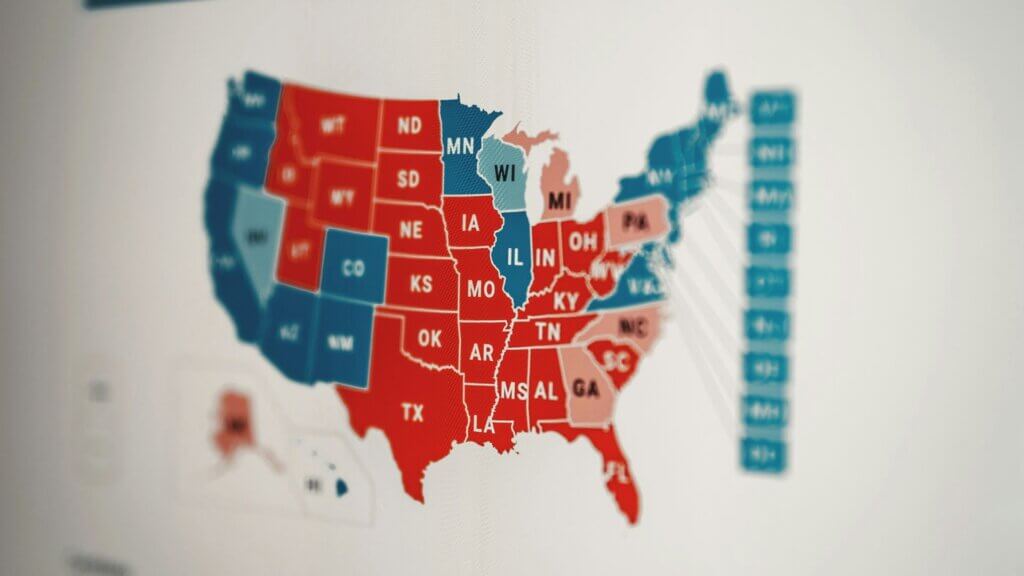
The outage collided with major live events, including Election Day coverage and key sports matchups such as Monday Night Football and NBA games. Losing access during such a critical period amplified public frustration and highlighted how dependent viewers have become on streaming platforms for timely updates.
Huge financial stakes on both sides
Behind the scenes, the dispute carried heavy financial implications. Disney faced substantial daily revenue losses from the blackout, while YouTube TV risked a wave of cancellations from dissatisfied subscribers. Both sides had strong incentives to reach a deal, even as each defended its position publicly.
Viewers search for alternatives

During the blackout, many people turned to other services, free livestreams, or competitive live TV platforms to follow news and sports. While these alternatives offered temporary relief, they also exposed how fragmented and inconsistent access becomes when contract disputes escalate.
Negotiations return channels to viewers
After weeks of stalled discussions, the two companies finally reached a new agreement in mid-November. Disney’s channels were restored to YouTube TV, though the financial terms remained confidential. With the blackout resolved, subscribers regained access to their regular programming.
A symptom of deeper industry tension

The conflict highlighted broader pressures shaping the television industry. Rising sports rights costs, competition among platforms, and the shift toward streaming have made carriage negotiations more contentious and unpredictable, increasing the likelihood of similar disputes in the future.
What this means for the future
For viewers, the incident is a reminder that access to news, sports, and entertainment often hinges on corporate agreements happening behind the scenes. As streaming continues to evolve, maintaining reliable access may require staying alert to service changes and understanding how these negotiations shape the viewing experience.