

Products are selected by our editors, we may earn commission from links on this page.
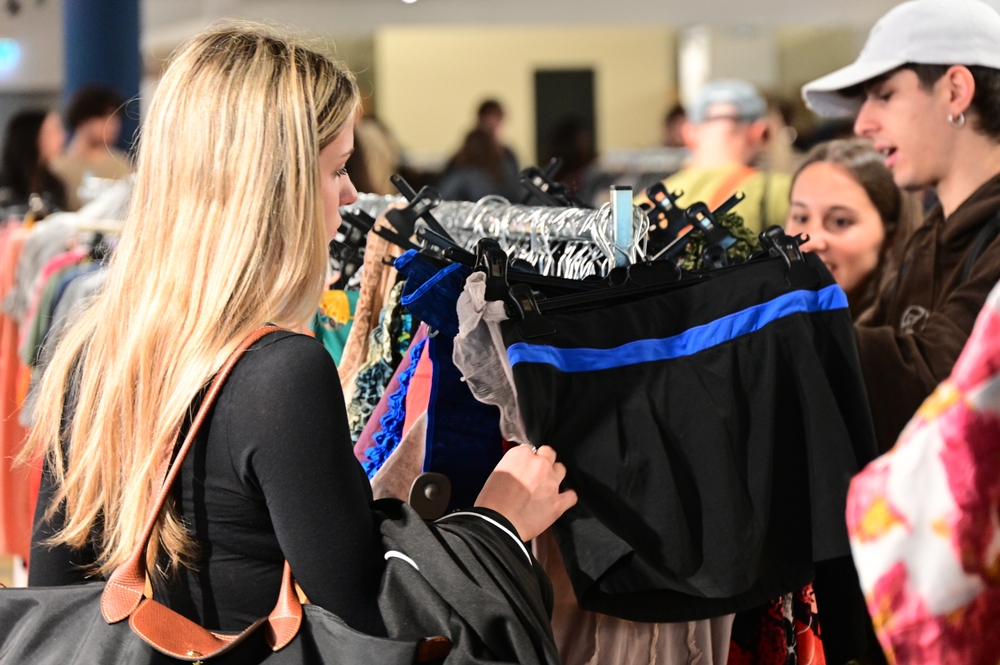
The old closet cleanout used to end with a donation bag. For a growing number of Gen Z consumers, it can now end with a listing, a sale and money back in their pocket. The same generation helping turn thrift stores and resale apps into mainstream shopping destinations is also supplying them, creating a cycle in which clothes are bought, worn and put back on the market.
Secondhand Fashion Is No Longer A Side Market
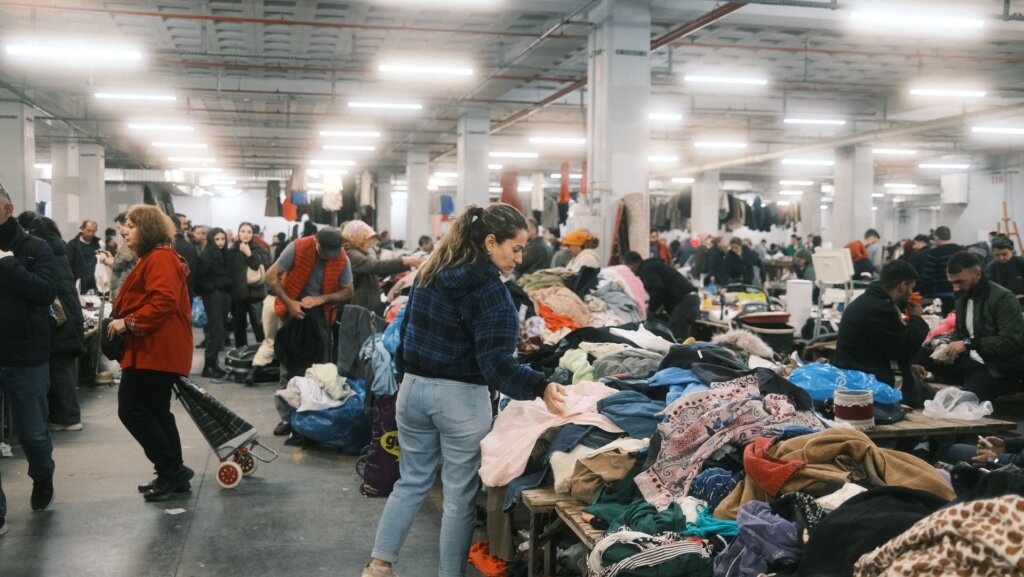
U.S. secondhand apparel reached roughly $56 billion in 2025, twice its size in 2020, according to ThredUp figures cited by NBC News. Bank of America Institute found secondhand transactions increased 22% from a year earlier, while Placer.ai recorded a more than 25% jump in thrift-store visits between late 2022 and late 2025 as visits to traditional apparel retailers declined. Gen Z is firmly in the mix, with 62% buying secondhand last year.
Higher Prices Make Used Clothes More Attractive
The appeal of thrifting is partly about style, but the economics are difficult to overlook. Consumer prices have climbed 25% over five years, and apparel prices were up 4.2% in the 12 months ending in April, NBC News reported. Research cited by Rethink Things found 74% of Gen Z consumers named affordability as their primary motivation for buying secondhand, while 38% of consumers use resale platforms to access premium brands they could not afford new.
Shoppers Are Looking For Things The Mall Cannot Offer
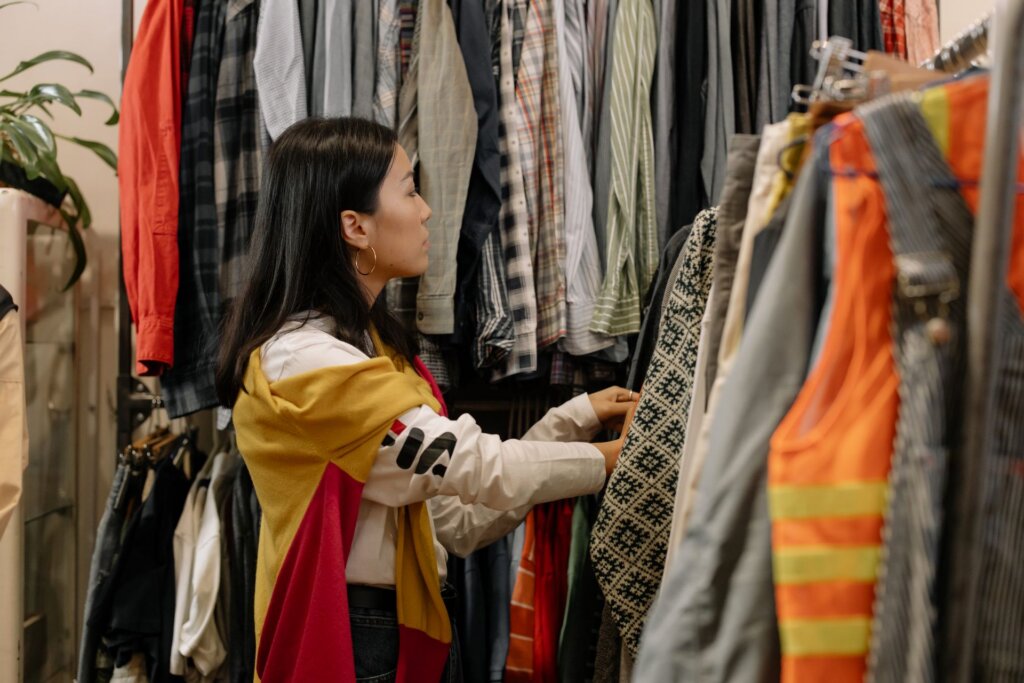
A thrift rack also promises something different from rows of identical new merchandise. Vintage pieces, discontinued designs and unexpected finds allow shoppers to assemble outfits that are harder to duplicate, turning the search itself into part of the experience. “You never know what you’re looking for,” 23-year-old Cassidy Kurowski told the Albuquerque Journal about spending hours combing through thrift stores, while a 2nd Street manager told NBC News that affordability and self-expression are major draws.
Now More Of Those Clothes Are Coming Back
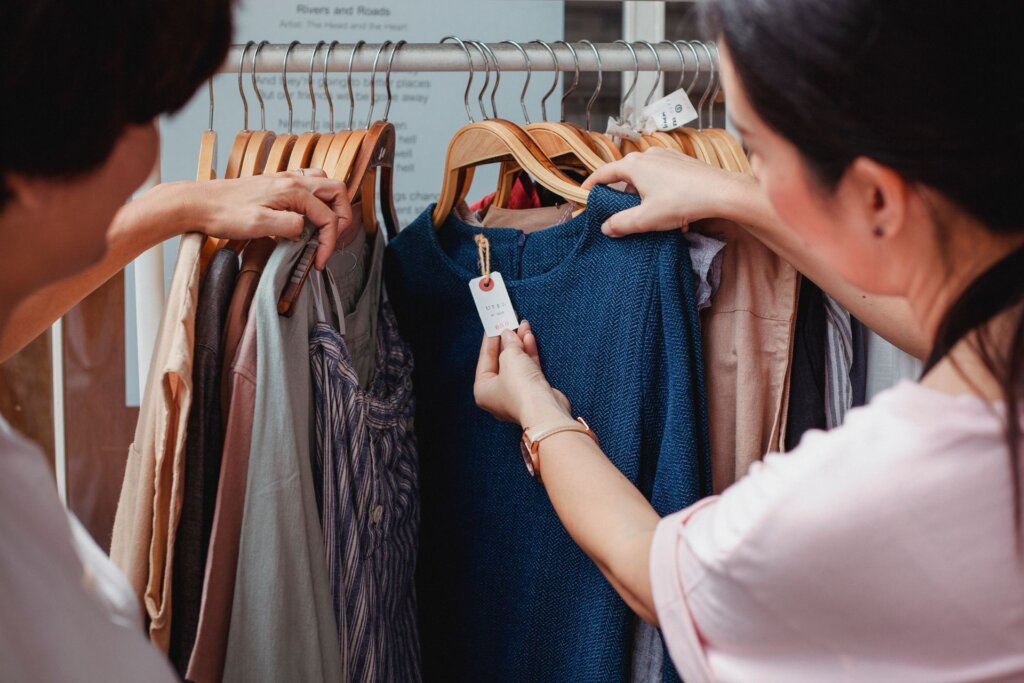
Gen Z’s relationship with secondhand fashion does not necessarily stop once something reaches the closet. Consumers selling clothing to secondhand stores increased 16%, according to Bank of America Institute data cited by the Albuquerque Journal, extending a trend that has been growing since 2025. Kurowski said she goes through her closet every few months to get rid of things she no longer wears, knowing another shopper may want them.
Resale Apps Turn Old Clothes Into Extra Income
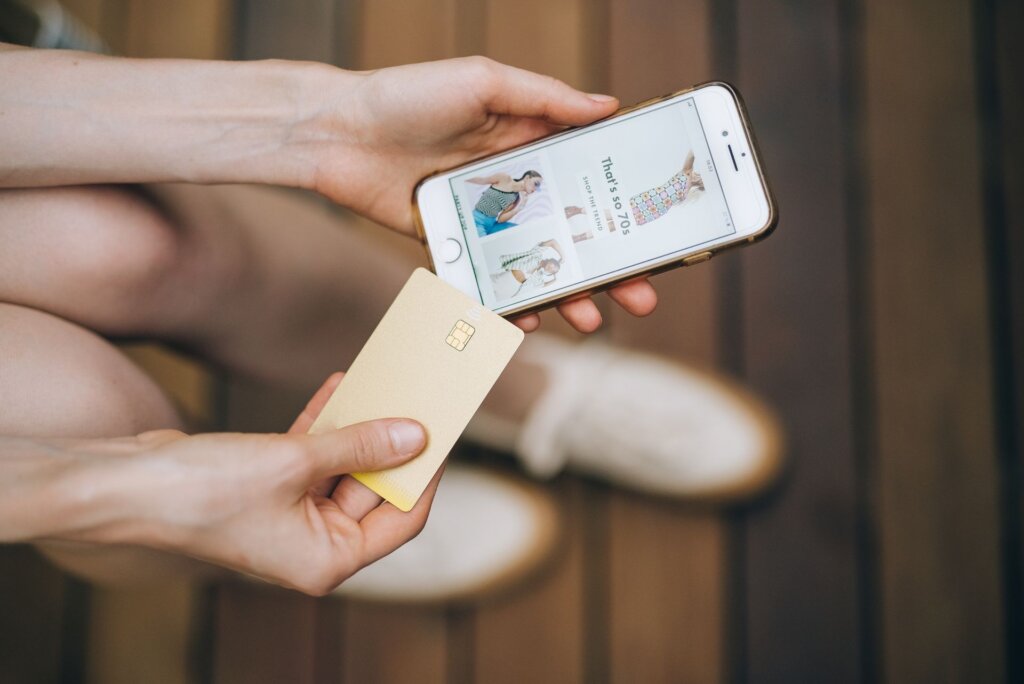
Platforms such as Depop and Vinted have made it possible to run a miniature resale operation from a phone. For some young sellers, the motivation began with making extra money during a difficult entry-level job market. Depop top seller Max Hunt said thrifting and reselling helped him pay for gas and contribute toward college expenses, while also giving him experience in branding, marketing, customer service and entrepreneurship.
A Side Hustle Can Grow Into Something Bigger
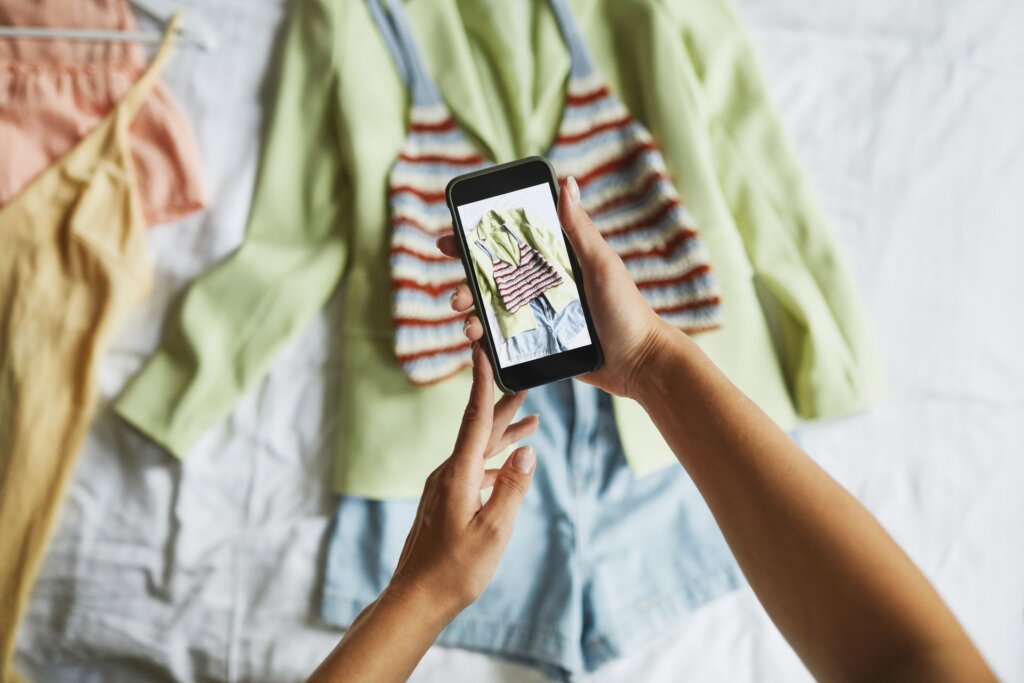
The transition from seller to entrepreneur can happen quickly when social media provides a ready-made storefront. Kurowski took her interest further in 2025 by starting Fizzbam Creations, a fashion venture that makes pieces from thrifted materials and is promoted almost entirely through social media. Her experience shows how a habit that begins with hunting through racks can develop into designing products and finding customers.
Sellers Are Picking Up Real Business Skills
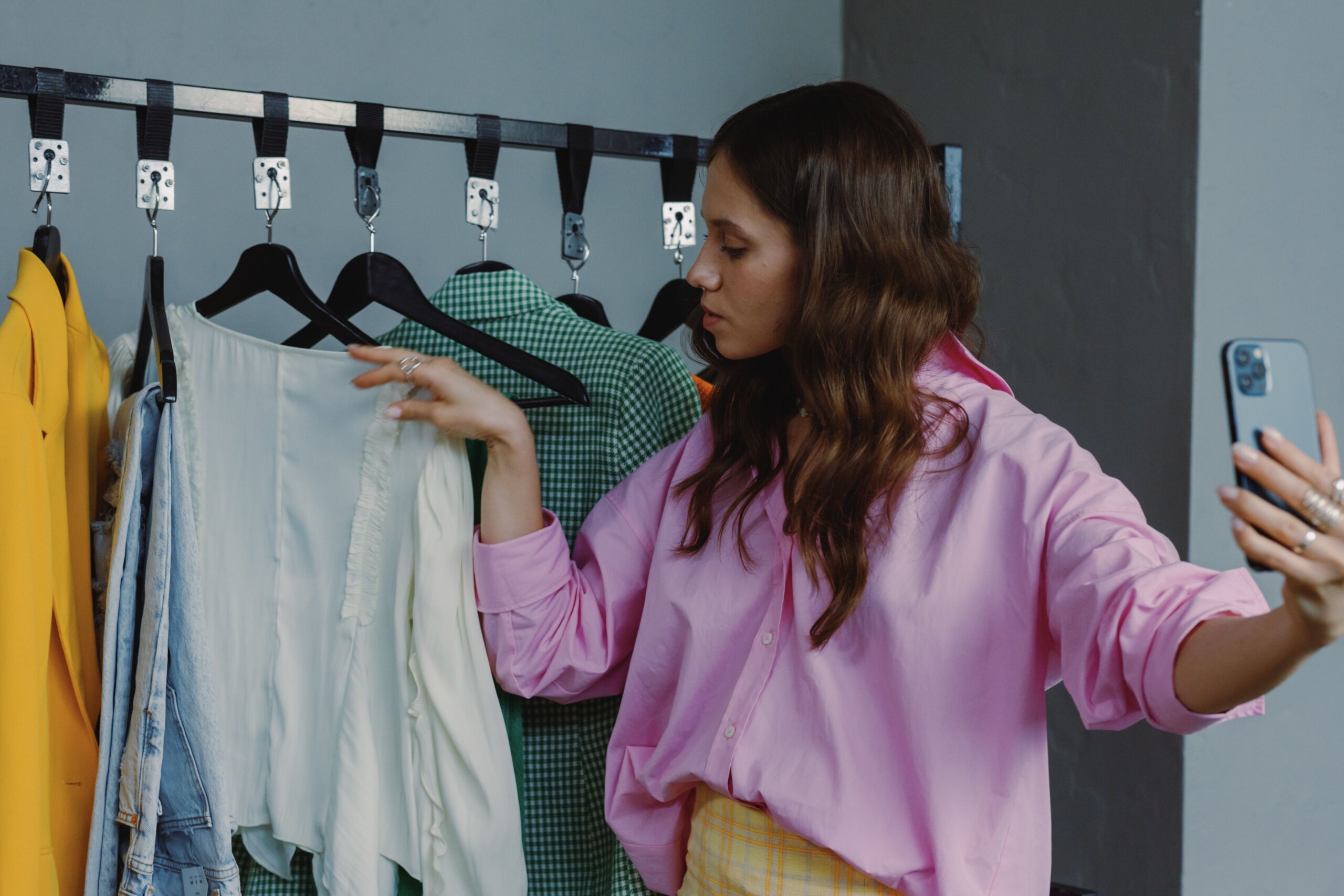
Running a resale account requires decisions that look familiar to anyone operating a small business: setting prices, marketing products, negotiating with buyers, budgeting, and handling customer service. In Depop research shared with Fortune, 71% of Gen Z sellers said online resale had taught them more practical business knowledge than their formal education. Nearly half, however, did not realize that experience could have professional value.
Hiring Managers Say It Belongs On A Résumé
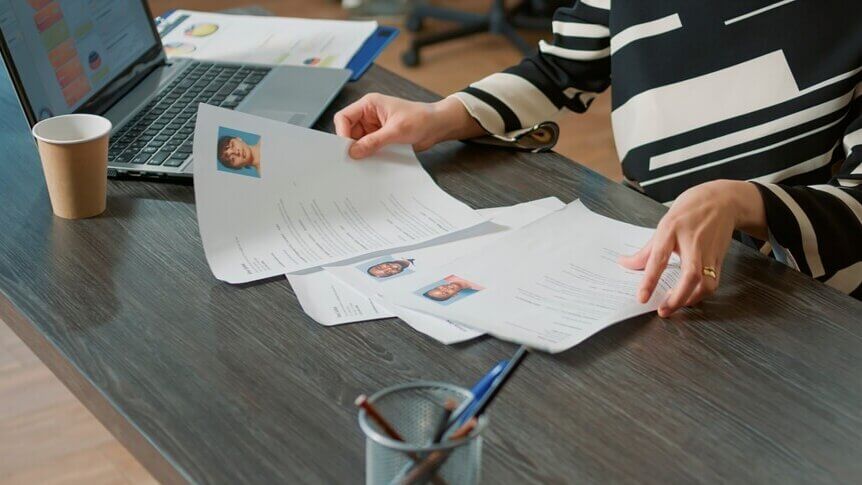
Employers surveyed by Depop appeared to value those lessons even more than the sellers expected. Eighty-five percent of hiring managers said candidates should list resale experience on their résumés, while more than nine in 10 said successfully running an account demonstrates initiative and entrepreneurial ability. Asked what would impress them in an entry-level applicant, 65% selected resale experience, compared with 46% for an internship, 39% for retail or hospitality work and 35% for social media management.
TikTok And Instagram Help Keep Clothes Moving

Social media can connect nearly every stage of the resale cycle, from discovering a thrift shop to showing off a find and eventually promoting something for sale. Kurowski called it one of the biggest influences on her generation, and Albuquerque thrift businesses reported customers discovering their stores through influencers and community posts. Online thrift hauls, vintage outfits, and resale unboxings have also made buying used highly visible rather than something shoppers need to hide.
Big Brands Are Following Gen Z Into Resale
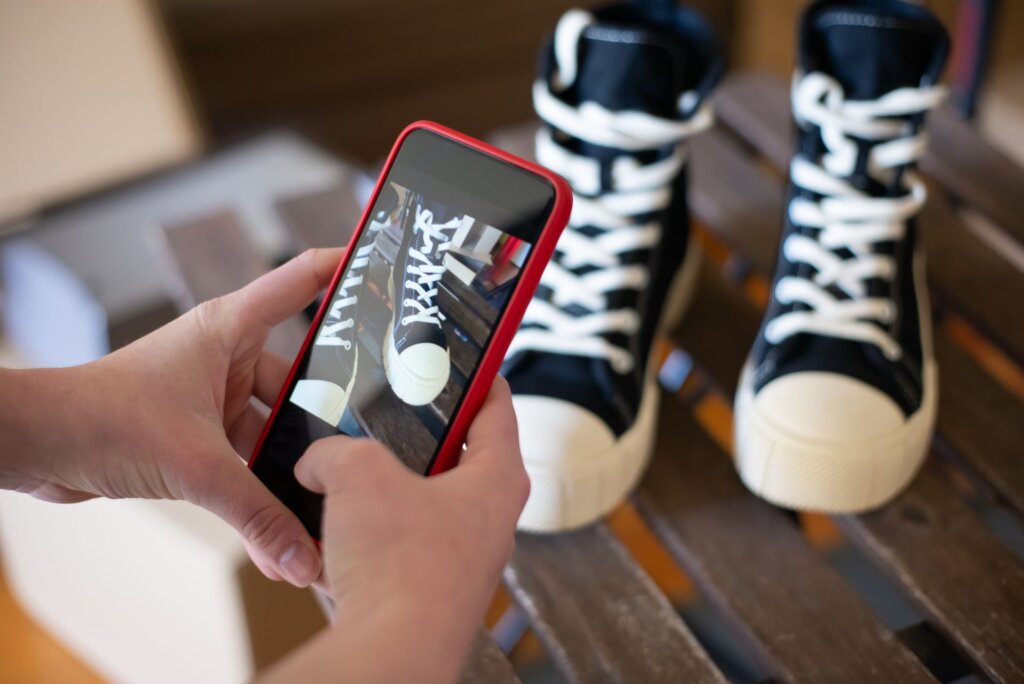
Traditional retailers increasingly want to participate rather than watch their products circulate through third-party marketplaces. Brands are experimenting with trade-ins, refurbishment and their own resale programs, and Archive reports that 50% of customers shopping brand-owned resale are new to the brand. Resale can offer younger consumers a cheaper entry point while allowing companies to keep a relationship with products that might otherwise be sold elsewhere.
Clothes May No Longer Have Just One Customer
Gen Z’s resale habits are beginning to challenge the familiar retail journey in which a garment is manufactured, purchased, and eventually discarded. A jacket can instead move through several closets, generating value each time it changes hands, while sellers recover some of what they spent and buyers get a lower-priced alternative to new clothing. If resale keeps expanding faster than traditional retail, the distinction between shopper and seller could become increasingly fluid, especially for a generation already comfortable being both.