

Products are selected by our editors, we may earn commission from links on this page.
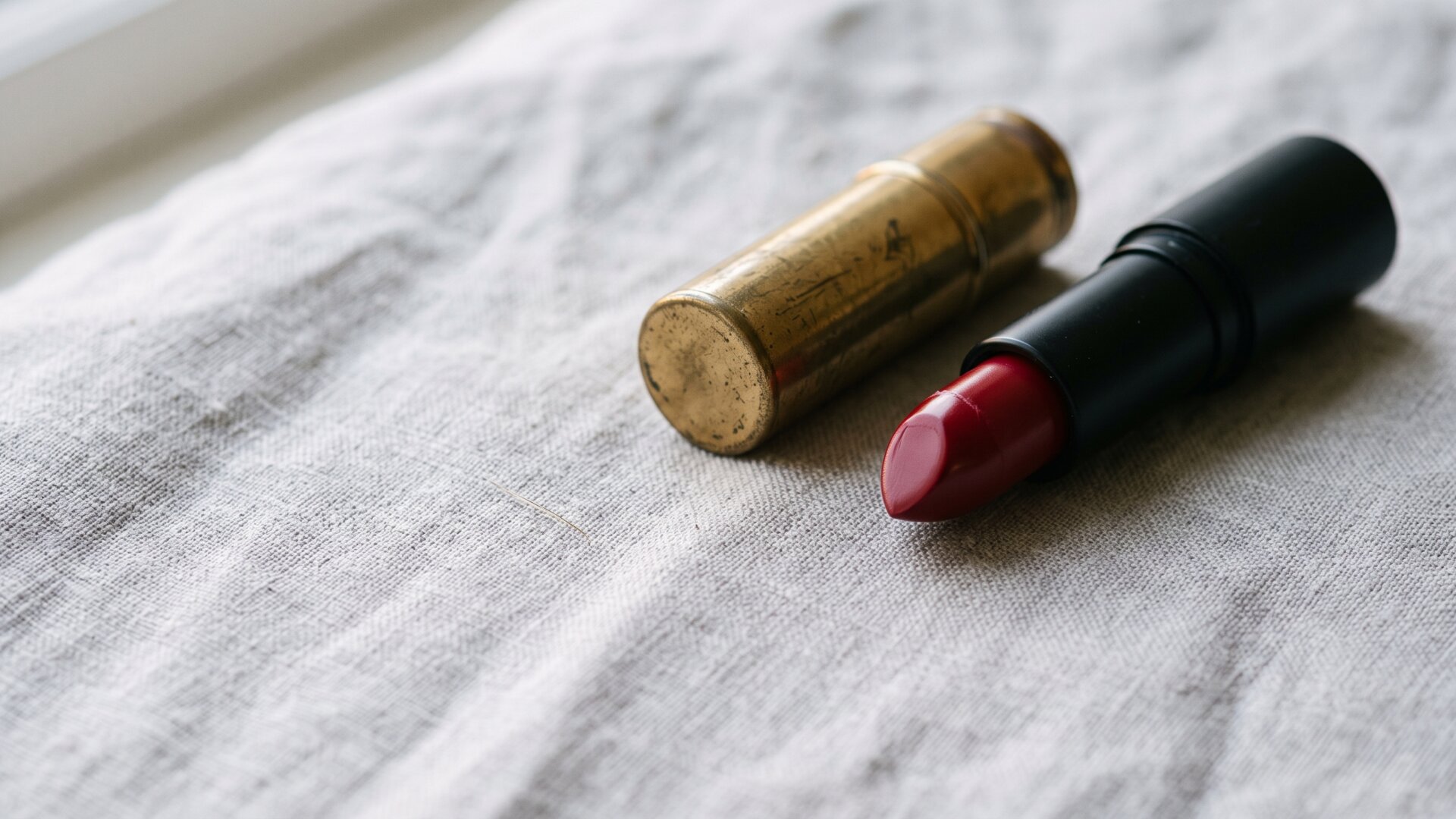
In April 2026, Revlon named musician and actress Teyana Taylor and country singer Megan Moroney as the faces of a campaign called “Revlon Be Unforgettable.” The line is a shortened version of one the company ran in the 1980s and 1990s: “The most unforgettable women in the world wear Revlon.” Jessica Henrichs, CEO of DonerColle Partners, the agency that built the campaign, said the original sentence could not survive modern ad formats. “We live in the era of the six-second ad, and so even that sentence wasn’t going to make the cut for today,” she said. The eleven-word claim became three words.
This article was created with the assistance of AI and reviewed by our editorial team for accuracy and clarity.
The brand’s problem was silence, not age
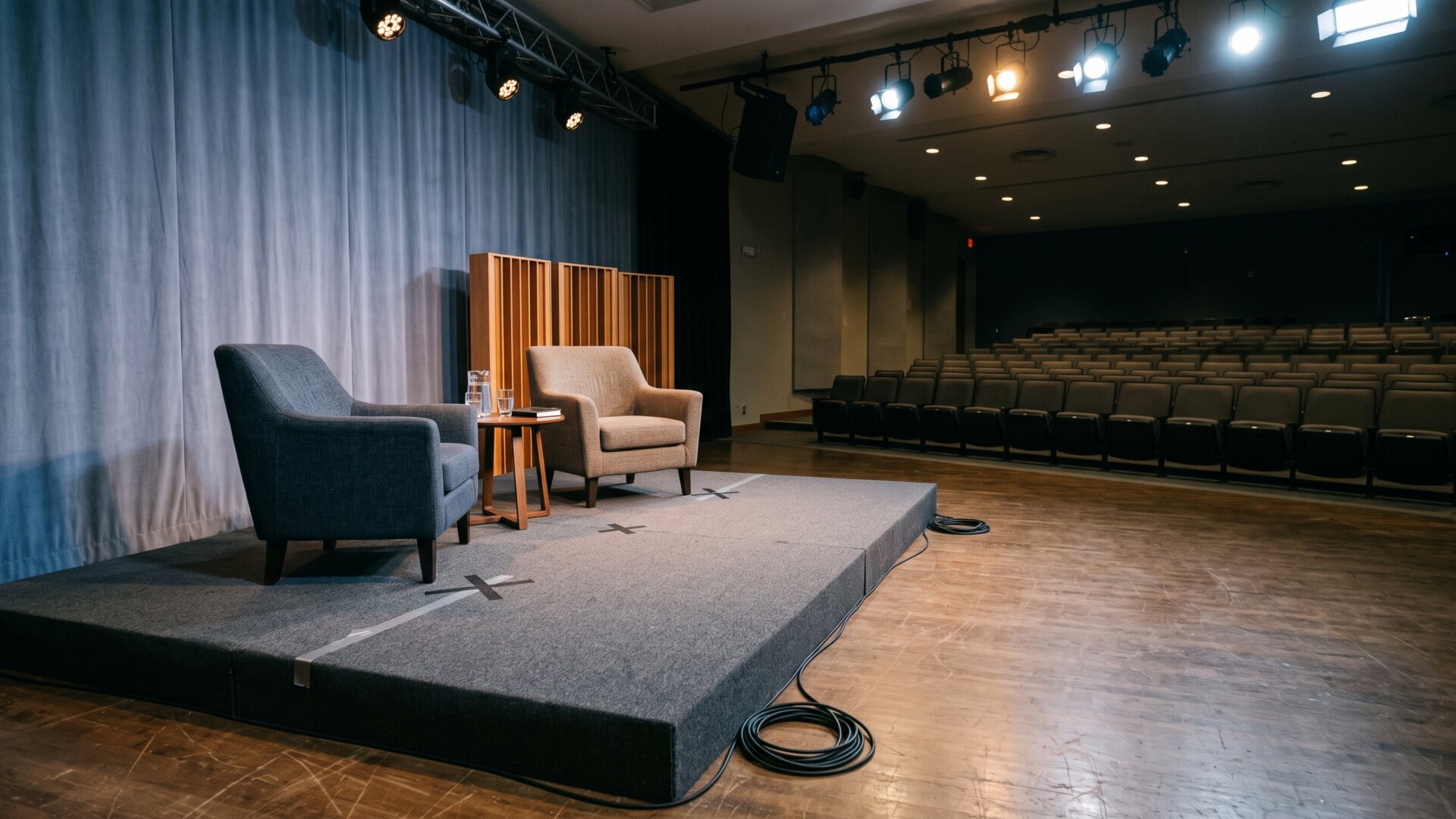
Dana Medema, Revlon’s president of North America, framed the relaunch differently than most turnaround stories. Speaking at the 2026 Advertising Week conference, she said the company was not only introducing itself to people who had never bought it. “We needed to reintroduce ourselves to not just a next generation of consumers, but we had to reintroduce ourselves to our existing consumers. We had been quiet,” she said. That reading puts the gap in marketing presence ahead of the gap in relevance. Customers who already owned Revlon products had stopped hearing from the company, which is a different repair job than winning over strangers.
Revlon was founded in 1939 and shaped 20th-century makeup
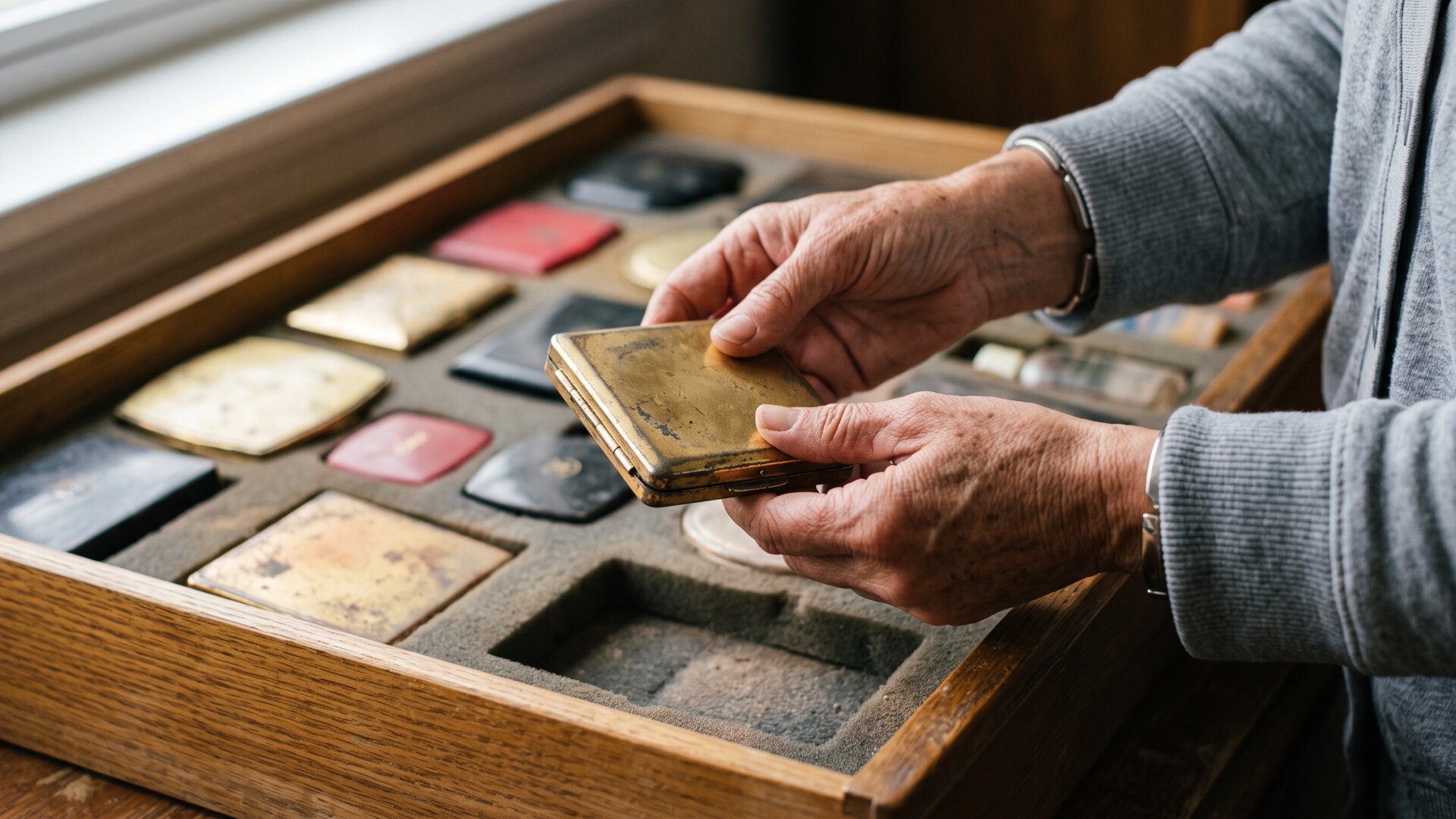
Revlon started in 1939, which makes it 87 years old in 2026. Its product history includes several of the defining cosmetics of the last century, among them Fire & Ice, the bright red lipstick that became shorthand for a particular kind of mid-century American glamour. That archive is the material the new campaign draws from. Medema described the approach as deliberate rather than nostalgic. “Heritage means you have history. There’s nothing wrong with being a heritage brand,” she said. “There’s something wrong with standing still, but you have really rich history and just going back into those archives, not being afraid to kind of pull out things from the past.”
The original ads used a male voiceover

Henrichs was blunt about which parts of the old work did not carry forward. “[Some of the original ads] had a male voiceover, and I think we can all see now that was probably not the best call,” she said. In the 2026 version, Taylor and Moroney narrate their own spots. The casting brief shifted too. “We wanted to bring women of substance to the table, women who were more than just beautiful,” Henrichs said. The earlier run of “unforgettable women” advertising featured figures including supermodel Cindy Crawford and Oprah Winfrey, so the format of recognizable faces survived while the voice behind them changed hands.
Chapter 11 in 2022, new ownership in 2023, new CEO in 2024

The campaign arrives after a hard stretch. Revlon Inc. filed for voluntary Chapter 11 bankruptcy in 2022 and came out in 2023 as a privately held company under new ownership. Michelle Peluso was announced as chief executive in 2024. The pressure behind that sequence was competitive rather than purely financial. Beauty grew into a crowded category led in large part by newer brands that built their followings outside the drugstore aisle where Revlon has long lived. A company that spent those years restructuring is also a company that was not spending heavily on advertising, which connects directly to Medema’s point about having gone quiet.
Two other heritage brands made the same move
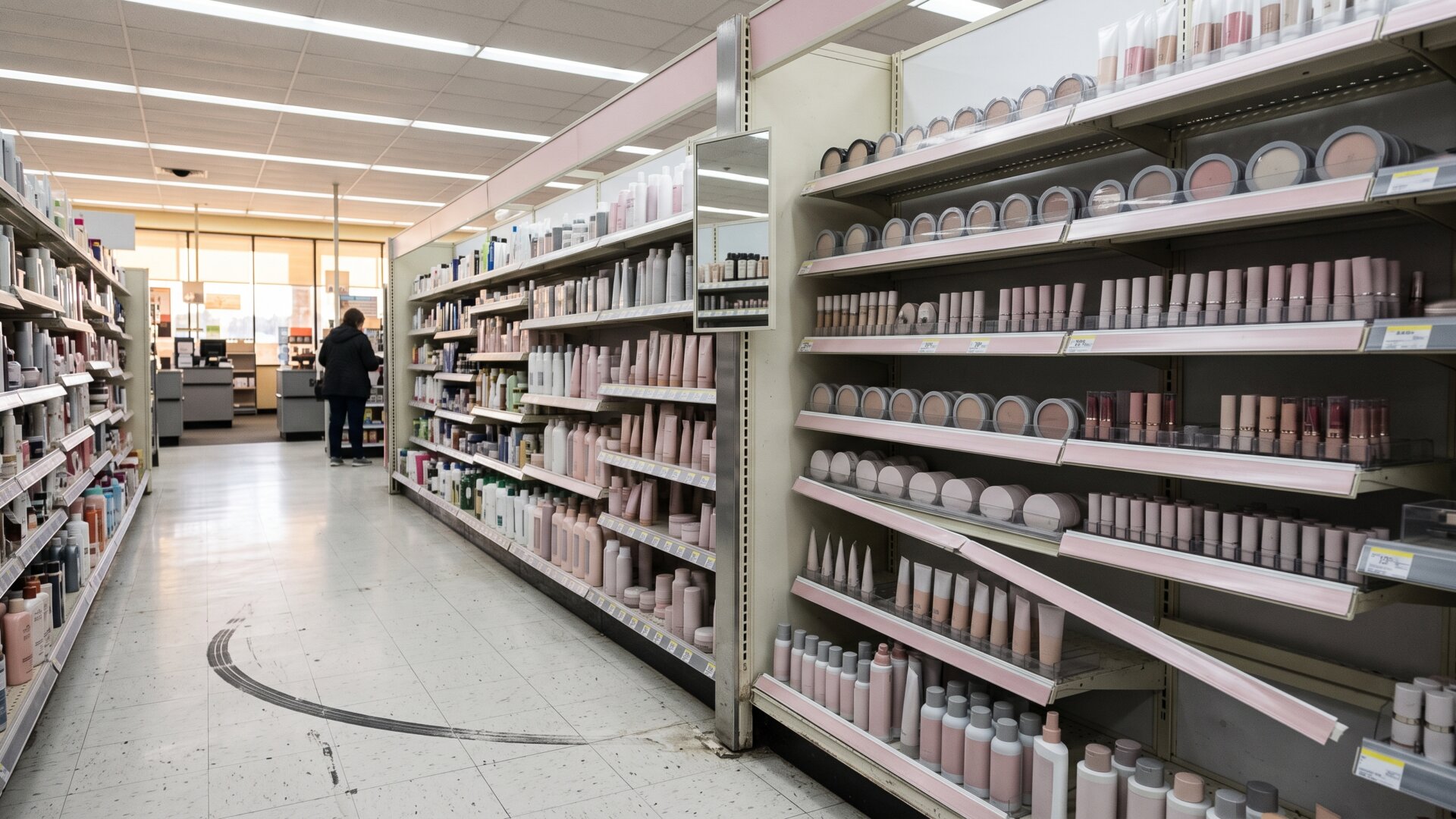
Revlon is not alone in hiring a familiar name to cut through. Maybelline named Miley Cyrus a brand ambassador in 2025. Bath & Body Works worked with Hilary Duff in July 2026 to launch a new body-care line. Both are long-running brands in a category where attention now flows to newer labels, and both reached for a performer with an established audience rather than building recognition from zero. The pattern tells you something about what these companies think they are short on. It is not product range or shelf space. It is a reason for anyone to look up, which a known face buys faster than a product claim does.
Revlon targeted a routine instead of a generation

Most heritage brands chasing relevance pick an age group, usually Gen Z. Medema said Revlon went a different direction and defined its customer by how she actually does her makeup. “We call our target ‘e glam.’ And guess what? You can find efficient glam across ages, from the 20s all the way up to the 60s,” she said. Efficient glam describes someone who wants a finished look without a long routine or a deep interest in the category. The practical upshot for shoppers is that Revlon’s assortment is being shaped around speed and simplicity rather than around trends aimed at one birth cohort.
72 shades of one lipstick line define the limit
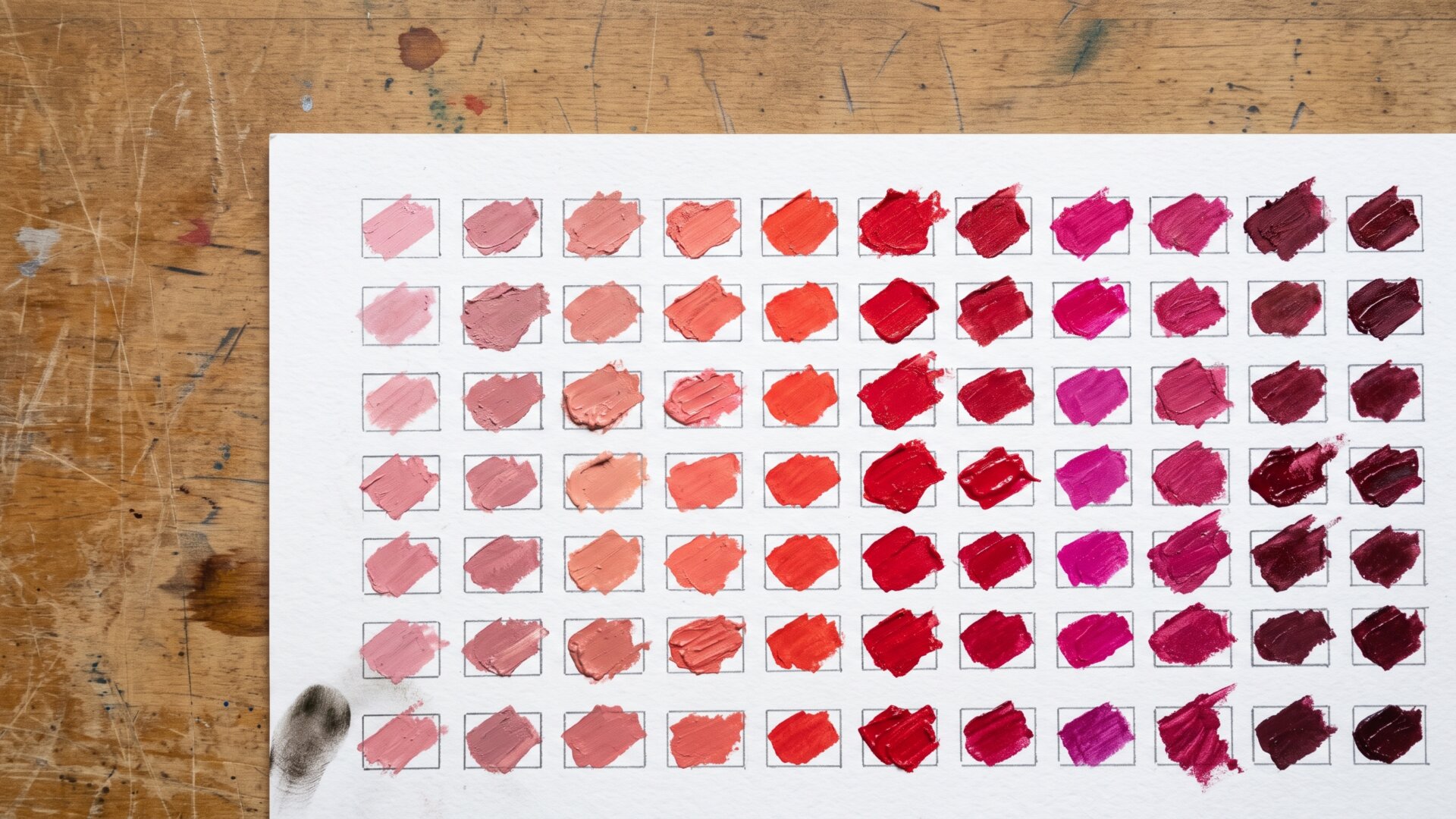
Medema used a specific number to mark where Revlon competes and where it does not. “We’ve been experts in color. We have 72 shades of Super Lustrous, so we are experts in color,” she said. Then came the boundary: “But we’re not probably for the woman who is really trying to be involved in the category to the very, very extreme.” That is an unusual thing for a brand to say out loud. Seventy-two shades of a single lipstick line is a deep assortment by any measure, and the company is still naming a tier of enthusiast shopper it does not intend to chase.
The agency rebuilt the line rather than retiring it
DonerColle Partners had two options with an eleven-word tagline from the 1990s. Retire it and write something new, or compress it. Henrichs described choosing the second. “We thought about the tagline, ‘The most unforgettable women in the world wear Revlon,'” she said, before explaining why the full sentence could not run. Keeping “unforgettable” preserves the link to the older campaigns that Cindy Crawford and Oprah Winfrey appeared in, so anyone who remembers those ads gets the connection free. Anyone who does not still gets a three-word instruction. The edit does two jobs that a replacement line could only do one of.
Standing still was named as the actual risk
The sharpest line from the Advertising Week panel was not about Taylor, Moroney, or the tagline. It was Medema drawing a distinction most struggling legacy companies blur. “There’s nothing wrong with being a heritage brand,” she said. “There’s something wrong with standing still.” Those are separate conditions, and a company can have the first without the second. Revlon’s bet is that an 87-year-old archive is an asset a newer competitor cannot build, as long as something gets pulled out of it and put to work. Worth watching from here: whether the next product launches come from that archive or from somewhere else entirely.