

Products are selected by our editors, we may earn commission from links on this page.
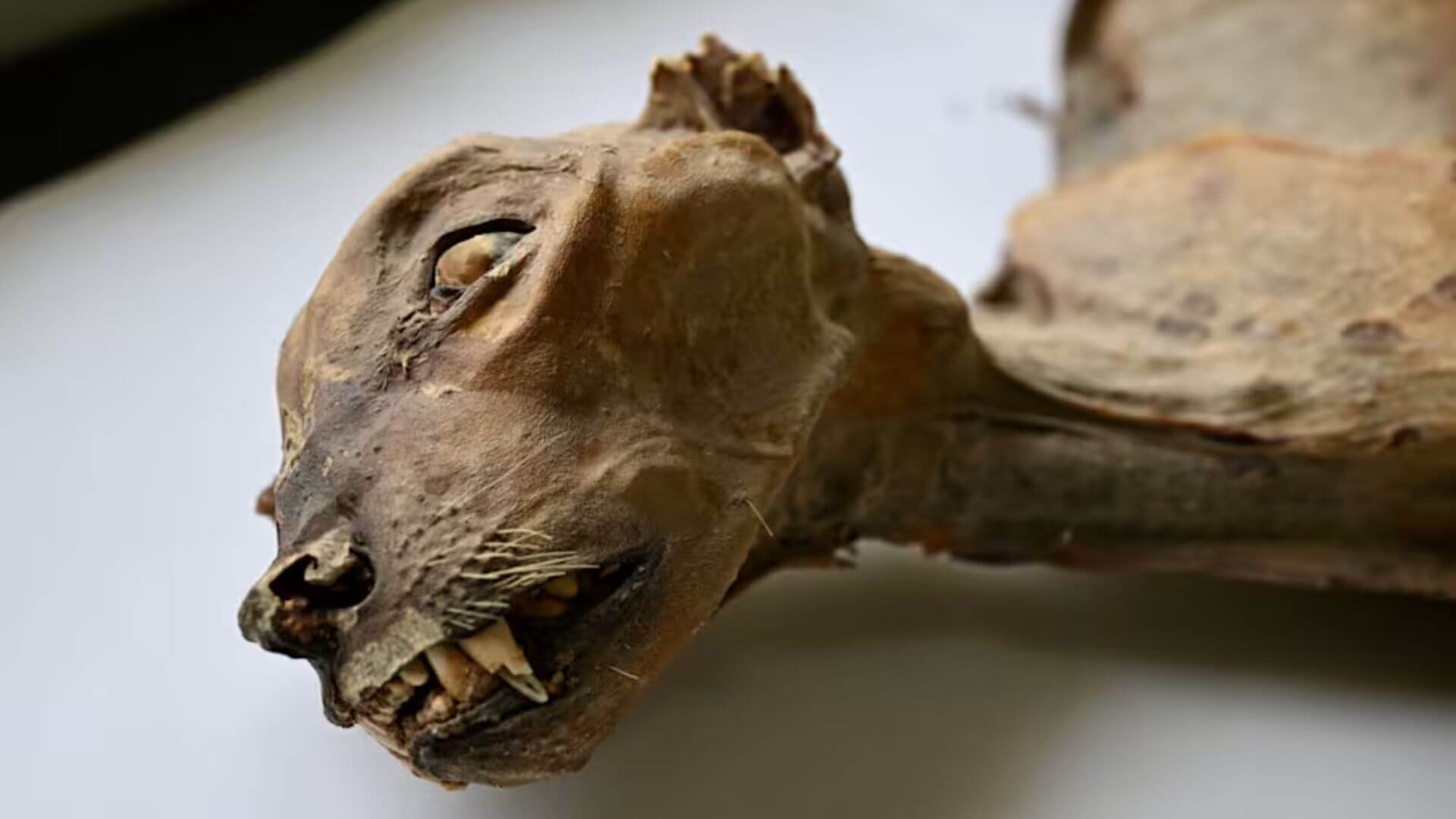
Scientists working in northern Saudi Arabia have uncovered something rarely seen in the archaeological record. They discovered naturally preserved cheetahs resting inside desert caves near the city of Arar. The discovery includes mummified remains dating back to approximately 130 years ago and spanning more than 1,800 years, placing the animals within a long and largely undocumented chapter of regional wildlife history. What emerges from the caves is not a single moment frozen in time but a record that stretches across generations, offering a quiet look at how these large cats once occupied the area.
Alongside the seven mummified cheetahs, researchers recovered the bones of 54 others, a concentration that immediately raises questions about why so many animals gathered in the same sheltered spaces. The caves themselves appear unusually well-suited for preservation, with dry air and steady temperatures that slow decay and leave bodies intact. Clouded eyes and tightened limbs give the animals a husk-like appearance, reinforcing how little disturbance occurred after death.
Beyond physical preservation, genetic analysis adds another layer to the finding. Researchers found links between the ancient cheetahs and modern populations in Asia and northwest Africa, connecting past ecosystems to present ones. Those connections arrive at a moment when cheetahs occupy just 9% of their former range and no longer appear across the Arabian Peninsula, turning the caves into a rare biological record rather than a silent curiosity.
Natural Cave Conditions Behind Rare Large Mammal Preservation

Researchers studying the caves near Arar point first look to the environment itself, since the chambers maintain dry air and steady temperatures throughout the year. Those conditions limit moisture and bacterial growth, which slows decomposition and allows tissue to remain intact long after death. As the bodies stayed sheltered from surface weather, the natural setting created an outcome similar to intentional mummification without human involvement.
As excavation continued, the physical state of the cheetahs reinforced that explanation, since cloudy eyes and contracted limbs showed signs of gradual dehydration rather than rapid decay. Scientists involved in the work noted that such preservation rarely appears in large mammals, given how quickly scavengers usually reach exposed carcasses. In this case, the caves likely blocked access for birds, hyenas, and other animals that would normally strip remains down to bone.
Researchers still lack clarity on why so many cheetahs gathered inside the same cave system, though the layout suggests repeated use over long periods. One possibility involves denning behavior, where mothers returned to protected spaces to give birth and raise cubs. Joan Madurell-Malapeira of the University of Florence described the discovery by saying, “It’s something that I’ve never seen before,” capturing how unusual the preservation appears even to experienced paleontologists.
Genetic Links Trace Cheetahs to Asia and Northwest Africa
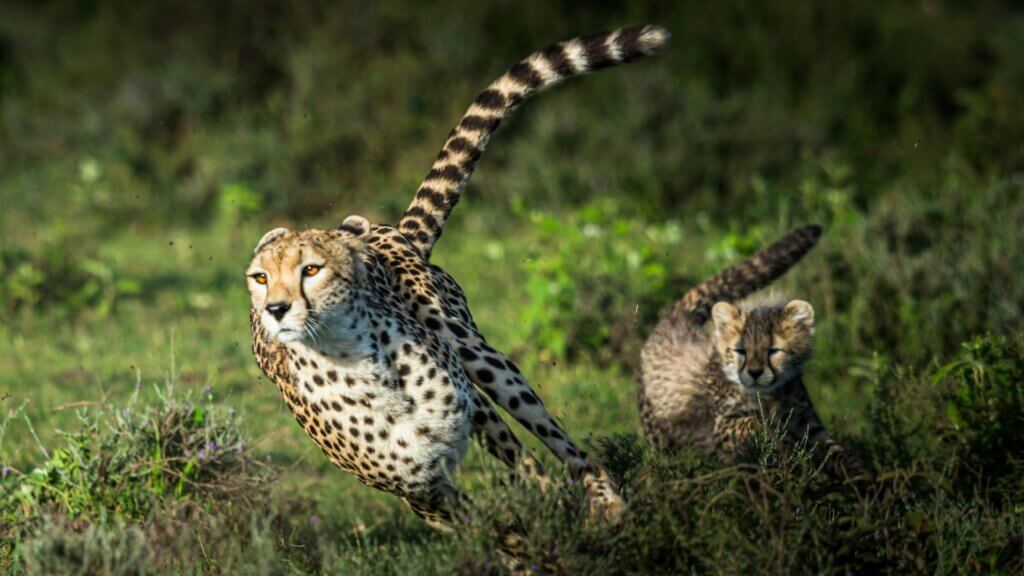
Genetic testing on the preserved remains opened a new line of evidence, since researchers could extract usable DNA from animals that lived centuries apart. As scientists compared that genetic material, patterns began to form that connected the ancient cheetahs to living populations outside the Arabian Peninsula. Those links point most strongly toward cheetahs now found in parts of Asia and northwest Africa.
As the analysis continued, the findings suggested that cheetahs once moved across a far wider geographic range than modern sightings reflect. Genetic similarities indicate long-standing population connections rather than isolated groups confined to one region. Over time, those connections appear to have narrowed, leaving gaps where cheetahs no longer appear today, including across much of Arabia.
Study author Ahmed Boug of Saudi Arabia’s National Center for Wildlife described the discovery as “entirely without precedent,” noting how rare it is to recover genetic material from naturally preserved large cats. As that data settles into the broader picture of cheetah history, it offers a clearer view of where these animals once lived and how closely related they remain across continents.
Reconstructing a Lost Chapter of Arabian Wildlife
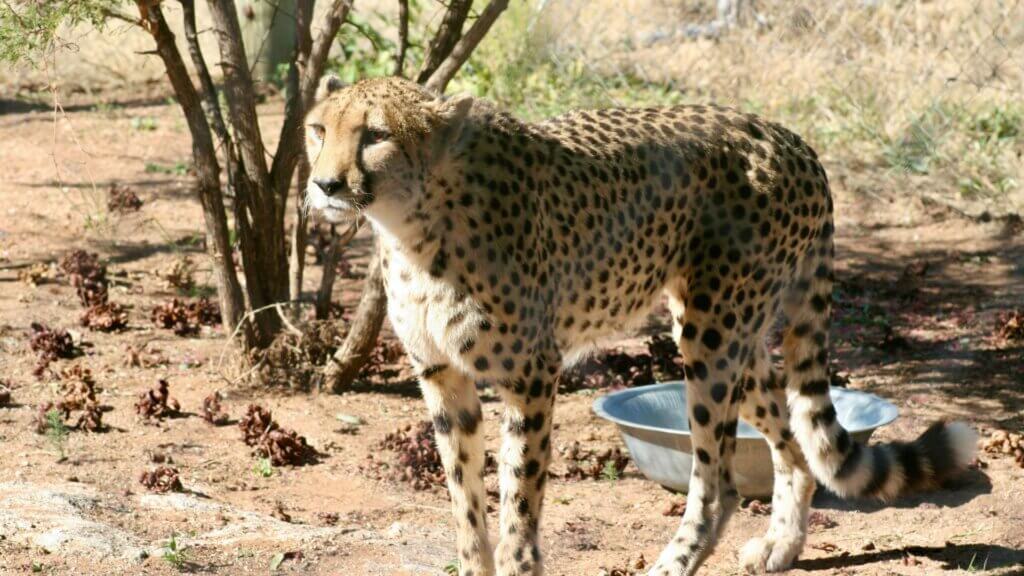
Beyond the physical remains, the caves now stand as one of the few direct records of large predators that once lived across northern Arabia. Archaeological surveys from the region rarely capture carnivores in such condition, which leaves gaps in understanding how ecosystems functioned before modern development. In that context, the cheetah mummies add biological detail to landscapes often described only through climate data or human settlement traces.
As researchers examine the site further, attention turns toward how long cheetahs may have persisted in the region and how closely their presence aligned with human activity. Trade routes, pastoral movement, and prey availability all shaped animal distribution across Arabia for centuries. Evidence from the caves suggests cheetahs occupied the area repeatedly rather than briefly, pointing to a stable population that endured across generations.
That deeper timeline feeds into present-day wildlife planning across the peninsula. Conservation groups already track genetic diversity when considering habitat restoration or managed reintroduction. Data drawn from the mummified cheetahs adds historical grounding to those efforts, offering a clearer reference point for what once lived there. In that way, the caves move beyond archaeology and begin informing decisions that shape future wildlife presence across the region.