


Products are selected by our editors, we may earn commission from links on this page.

Shoppers rarely notice when a familiar candy quietly fades from view. Over time, store shelves change, and older brands slip into the background as newer names crowd the space. That slow disappearance now surrounds a Chicago candy maker that’s nearing its 100th year. Financial filings, federal data, and production pressures point toward a company struggling to stay visible. As those forces build, a brand tied to childhood treats edges closer to vanishing without ceremony today.
Primrose Candy’s Long Manufacturing History
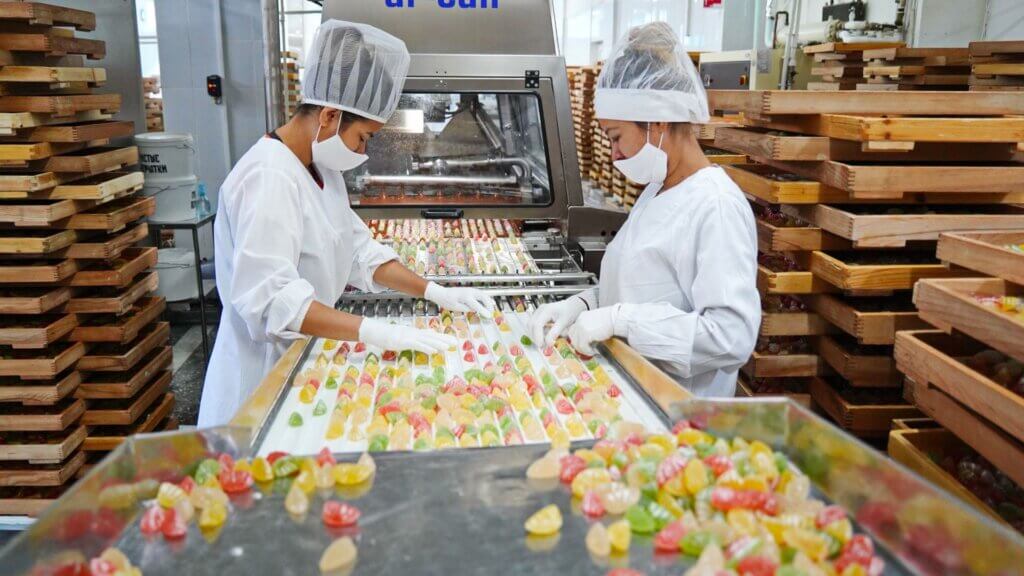
Primrose Candy began production in 1928, and that long timeline still shapes how the company operates today. Over the decades, its Chicago factory turned out hard candies, taffy, and flavored popcorn that reached stores nationwide. As years passed, the brand stayed largely unchanged, which kept manufacturing rooted in the Midwest. That continuity explains why production methods, facility size, and staffing patterns still reflect an earlier era of American candy making.
What Triggered the Chapter 11 Filing
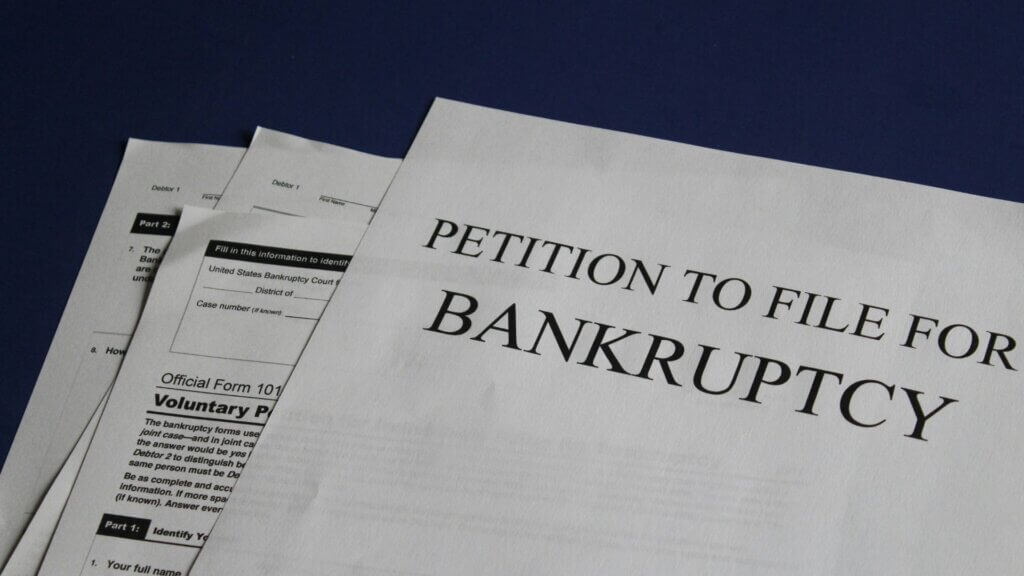
Rising costs began narrowing the company’s margin, and that pressure grew as federal data showed higher sugar prices separating domestic producers from foreign suppliers. As expenses climbed, revenue thinned after two lemon drop contracts ended, cutting about $1 million a year. That squeeze deepened as legal expenses surfaced around a biometric privacy settlement. With cash flow tightening, court protection became the next step to keep operations moving.
Inside the Company’s Chicago Operations
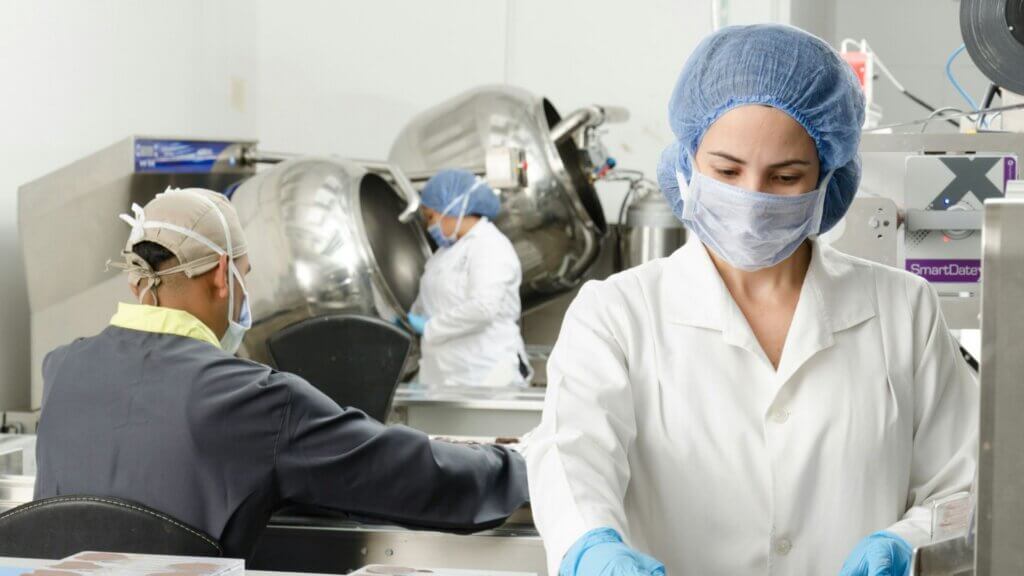
Inside Chicago, production continues inside a 130,000 square foot facility that has anchored the company for decades. That footprint still supports candy lines that once supplied national retailers, and it also reflects a cost structure built for another era. Over time, some production moved overseas to manage expenses, and that decision now sits alongside a Midwest operation working to stay active during court supervision.
Financial Breakdown of Assets and Liabilities

Court filings outline a wide gap between what the company owns and what it owes, and that imbalance frames the bankruptcy case. Asset estimates fall between $1 million and $10 million, and those figures sit next to liabilities ranging from $10 million to $50 million. As those numbers line up, the filing notes funds set aside for unsecured creditors, which signals an effort to keep payments moving during reorganization.
Lost Contracts and Revenue Pressure

Revenue tightened as two long-running lemon drop contracts ended, and that loss removed about $1 million in annual sales. As that gap appeared, management pointed to lower-cost foreign producers, drawing business away from domestic suppliers. Those pressures connected back to rising input costs, which narrowed margins further. With fewer contracts feeding the factory floor, cash inflow slowed, and operating expenses became harder to cover month to month.
Biometric Privacy Lawsuit and Settlement

Attention later turned toward a workplace lawsuit tied to biometric data practices, and that issue added another layer of expense. A former employee claimed fingerprints were collected without proper notice or written consent, and the company denied wrongdoing as talks moved forward. After negotiations, Primrose agreed to a settlement capped at $125,000. Once fees clear, individual payouts near $803, and that obligation now sits alongside broader financial restructuring.
How Sugar Pricing Hits Smaller Candy Makers

Higher sugar prices sit at the center of pressure facing smaller candy producers, and federal data helps explain why margins keep narrowing. In 2023, domestic sugar prices ran about 105% higher than global levels, and that gap forces manufacturers to absorb costs or raise prices. As larger brands spread those increases across scale, smaller firms feel the impact faster, and purchasing decisions begin to limit production flexibility.
Why Reorganization Beats Immediate Shutdown

Reorganization offers a path that keeps doors open while the court oversees debt adjustments. Under Chapter 11, operations continue, employees stay on payroll, and existing contracts remain active. That structure also allows funds to flow toward unsecured creditors instead of halting payments entirely. As negotiations move forward, management gains time to stabilize cash flow, which creates breathing room that an immediate shutdown would erase.
A Familiar Brand Slips Out of Reach

What becomes clear is how quietly a long-running brand can fade without a single closing announcement. Financial filings replace store sightings, so visibility narrows while production continues behind court supervision. Because of that, shoppers notice the absence before the collapse. That pattern mirrors pressure facing many smaller manufacturers, which means survival now depends on time, restructuring, and whether shelf space ever opens again. For Primrose, disappearance does not arrive all at once. It happens piece by piece.