


Products are selected by our editors, we may earn commission from links on this page.

Water from the Colorado River has long flowed quietly into Arizona cities, and for decades, most residents rarely questioned how secure that supply truly was. Now federal officials weigh new shortage rules, and in response, state leaders warn that one proposal could effectively take Arizona off the map.
Coalition Launches Campaign To Defend CAP Water
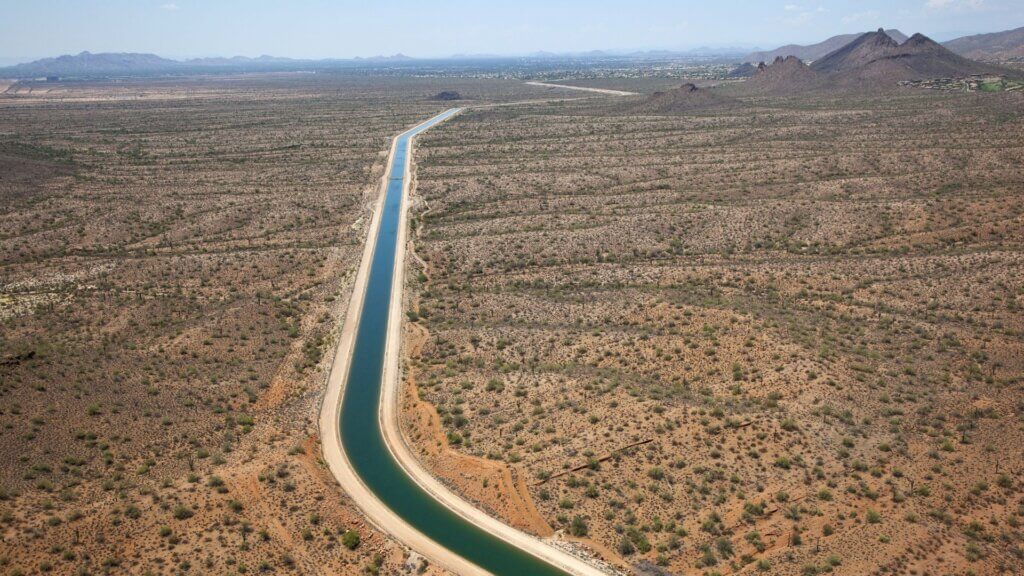
Central Arizona Project leaders have formed the Coalition for Protecting Arizona’s Lifeline, and with that step, they’ve launched television ads and online videos urging residents to defend CAP’s share of Colorado River water as federal officials weigh new shortage rules that could sharply reduce deliveries.
Federal Shortage Plans Under Review
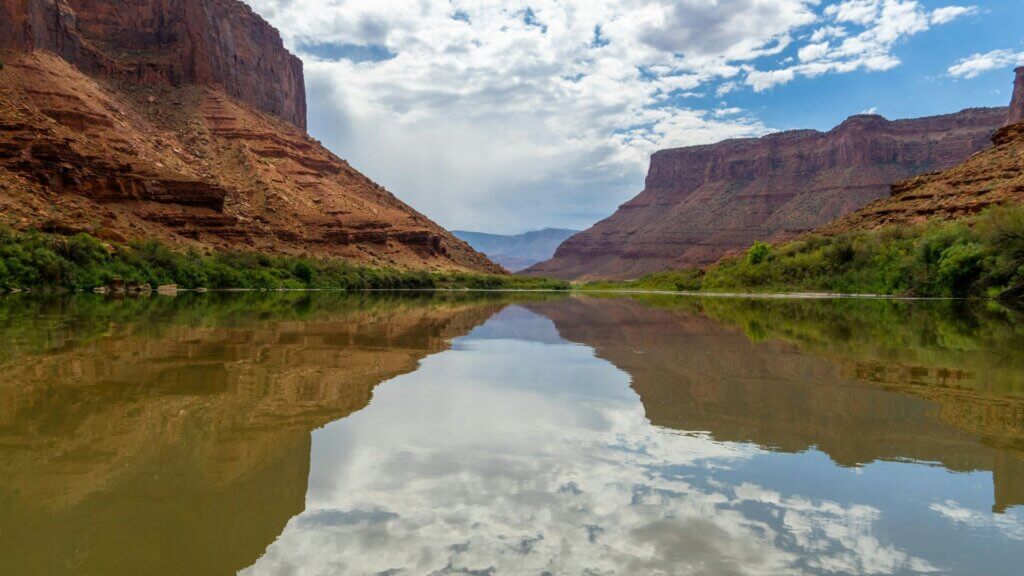
U.S. Bureau of Reclamation officials are weighing multiple shortage alternatives after basin states failed to reach a new agreement, and as current river guidelines near expiration this autumn, federal planners must decide whether to adopt one of those proposals or draft an entirely new framework.
Alternative Could Dry Up CAP Canal
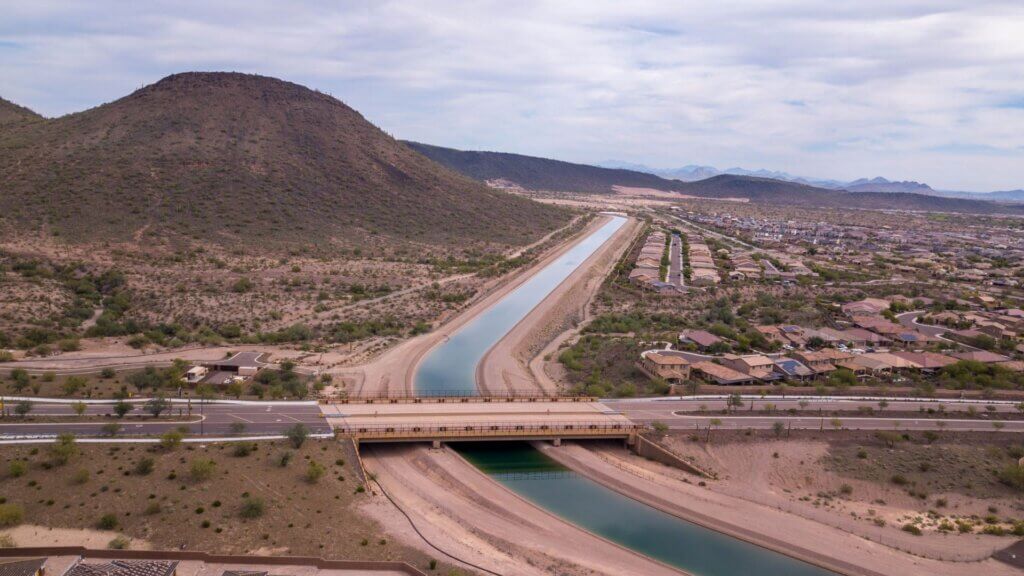
CAP General Manager Brenda Burman says one federal alternative under review would effectively dry up the canal that carries Colorado River water to Phoenix and Tucson, and as that possibility circulates, agency leaders warn the proposal could remove Arizona from the map of reliable river deliveries.
Arizona’s 1.6 Million Acre Feet Allocation
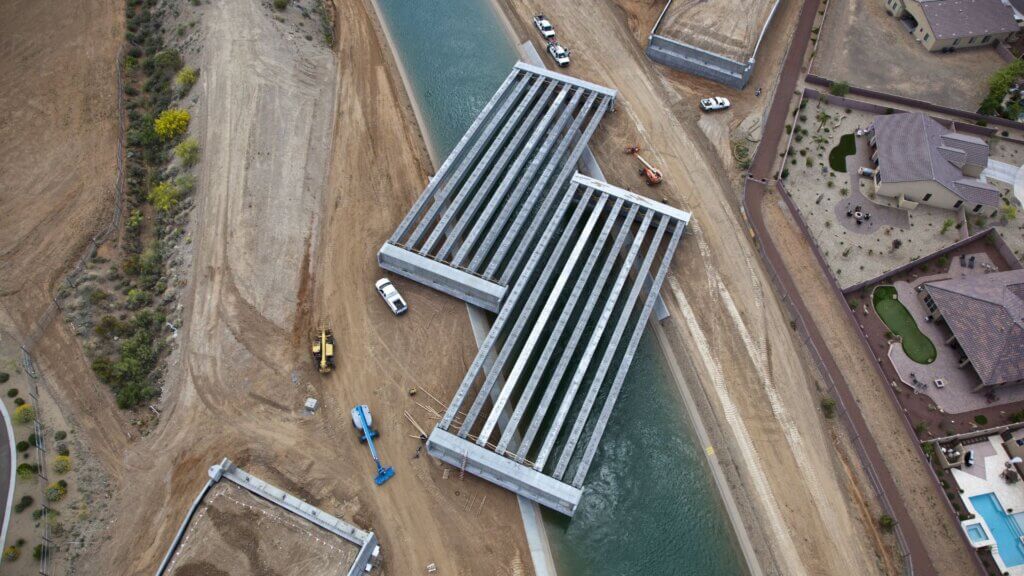
Before prolonged drought tightened supplies, the Central Arizona Project held rights to 1.6 million acre feet each year, and as that volume once flowed steadily into cities and was stored underground for future use, current shortages now frame that allocation in a far more uncertain light.
Lake Mead Decline And 500,000 Acre-Feet Cutbacks
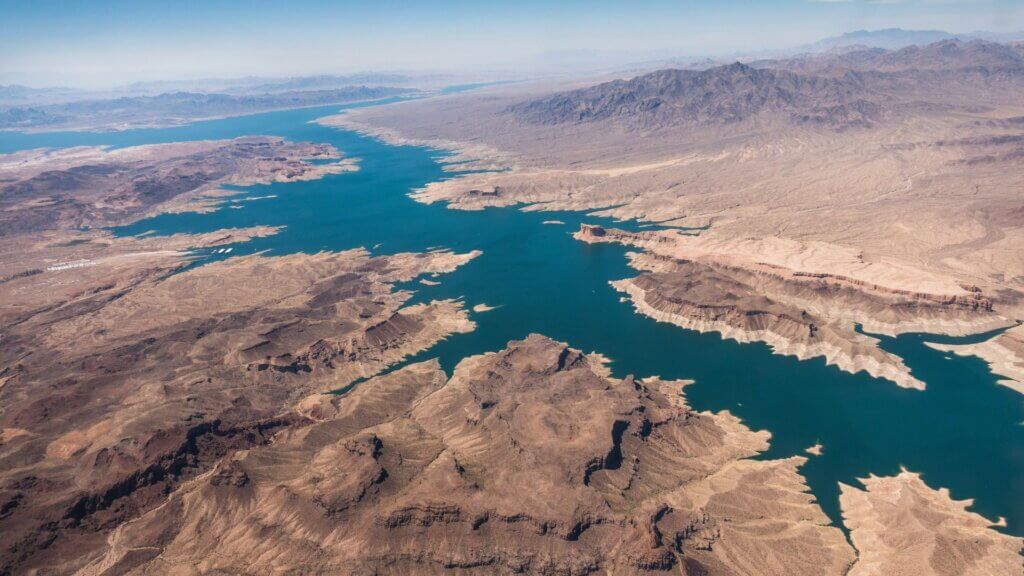
As Lake Mead’s reservoir levels continue to fall, the Central Arizona Project has already given up more than 500,000 acre feet each year, and as those reductions mount, attention turns to how much deeper future federal cutbacks could run under new shortage rules.
Mayors And Tribal Leaders Back CAP Effort
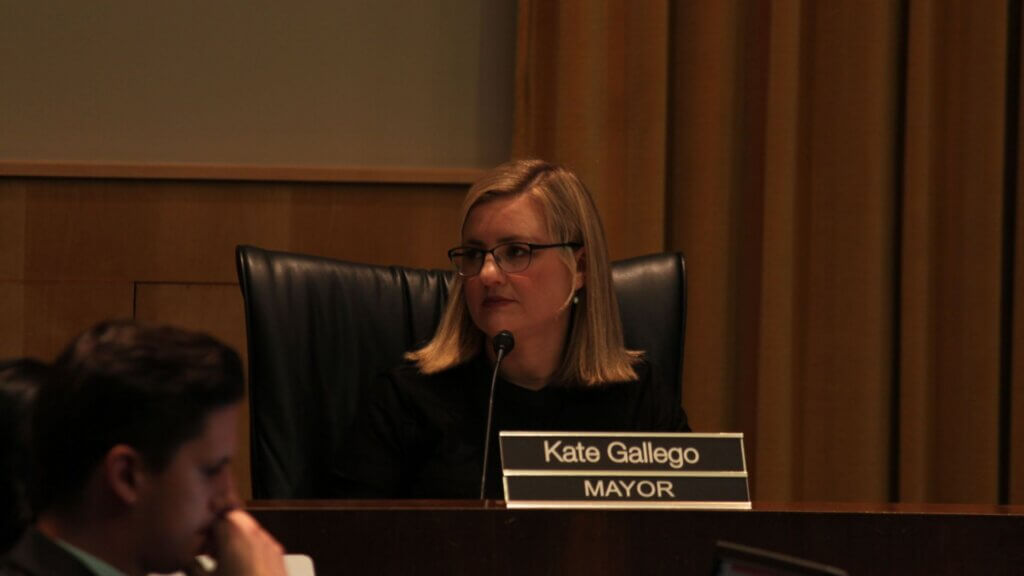
After CAP formed the coalition last summer, mayors from Phoenix, Tucson, Mesa, and Surprise joined the effort, and as support widened, two dozen additional city leaders, along with tribal representatives and business groups, aligned behind a unified push to defend Arizona’s river allocation.
1922 Compact And Lower Basin Rights

Supporters of the coalition point to the 1922 Colorado River Compact, and as they reference its language, they note that the agreement allocates 7.5 million acre feet annually to the Lower Basin and frames that delivery as a binding obligation on the Upper Basin states.
Upper Basin Disputes Delivery Obligation
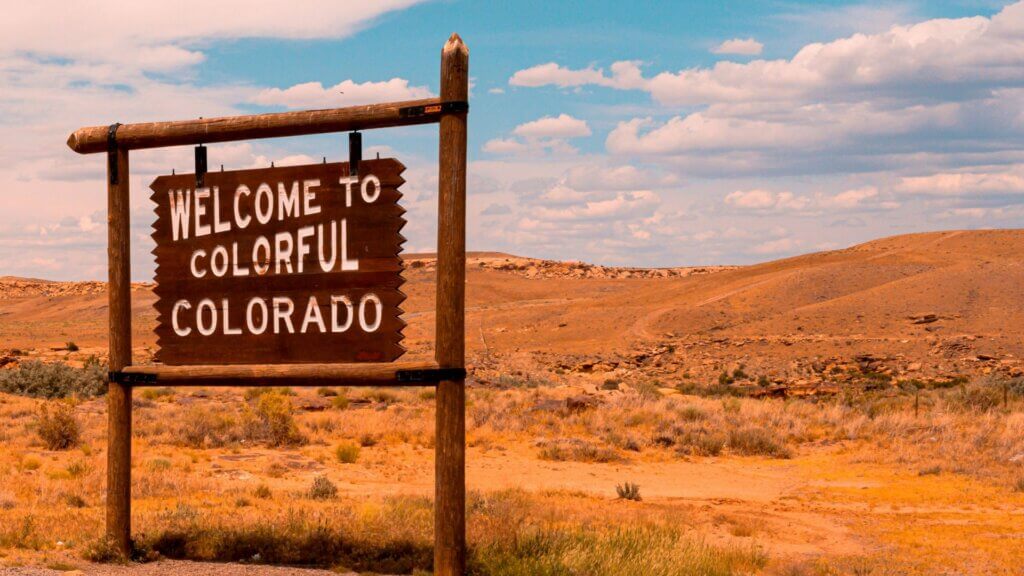
Upper Basin officials reject the claim that the compact creates a fixed delivery requirement, and as negotiations over new shortage rules intensify, Colorado’s river commissioner has stated that her state will not accept language that imposes such an obligation through a fresh agreement.
Legal Showdown Over Colorado River Compliance
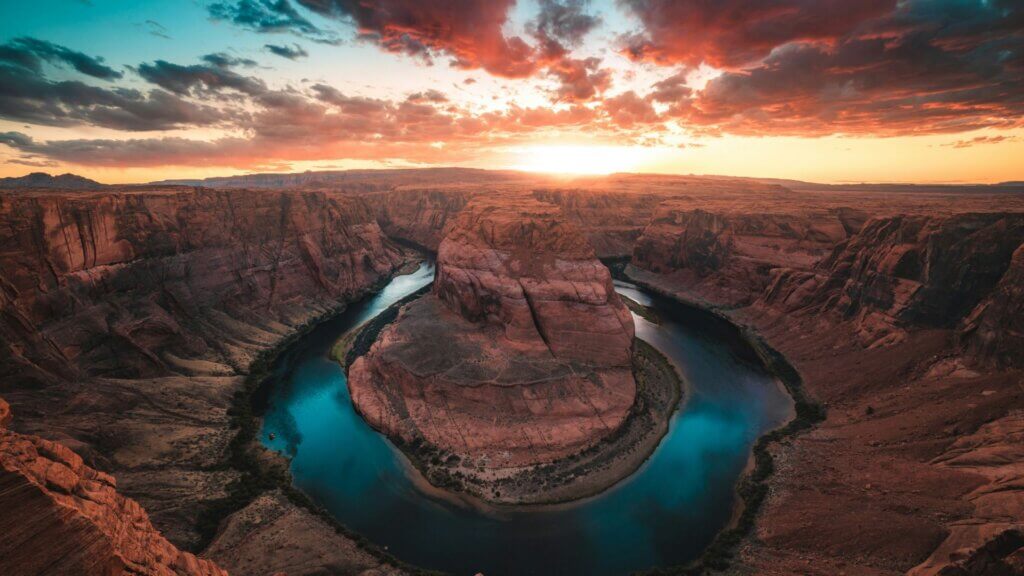
Arizona officials now frame the dispute as a matter of compact compliance, so as federal deadlines approach and states fail to agree, attention turns toward possible court action, which means the future of CAP deliveries may hinge on how judges interpret a century-old agreement.