


Products are selected by our editors, we may earn commission from links on this page.

Elon Musk has outlined a future shaped by advanced automation and artificial intelligence, highlighting the economic and social shifts that could arise as humanoid robots become part of everyday life. His comments about Tesla’s Optimus robot have intensified discussions around productivity, employment and the possible reinvention of income systems.
Musk presents Optimus as a breakthrough designed to reshape entire industries. He argues that enhanced robotics, paired with sophisticated AI systems, could expand production capabilities far beyond what human labor can currently achieve.
According to Musk, the combination of robots and intelligent automation could dramatically reduce poverty by making goods and services easier and cheaper to produce. In his view, abundance is no longer theoretical but an attainable outcome of technological progress.
Musk has floated the idea of an elevated form of universal basic income, suggesting a future in which people gain access to products and services without traditional financial barriers. This model would shift the focus from employment-based earnings to resource availability.
Other tech leaders have echoed Musk’s optimism, predicting improvements in global living standards as automation spreads. Their perspectives contribute to a broader narrative that highlights progress while acknowledging ongoing challenges.
Concerns About Workforce Disruption

Despite the enthusiasm, many analysts point out that automation could displace millions of jobs. In this scenario, social support systems may become essential to prevent widespread economic instability.
During Tesla’s recent shareholder meeting, Musk spoke about the possibility of “tens of billions” of Optimus units operating worldwide. He emphasized the robot’s future capabilities, which could range from performing medical procedures to reducing security risks.
Musk has speculated that future economies may not rely on traditional currency. Instead, value could be measured by energy capacity or technological output, opening the door to unconventional economic frameworks.
In a conversation on The Joe Rogan Experience, Musk envisioned a world where human labor becomes a choice rather than a requirement. As robots complete most tasks, people could focus on creativity, personal projects and meaningful pursuits.
A Long-Term Policy Conversation
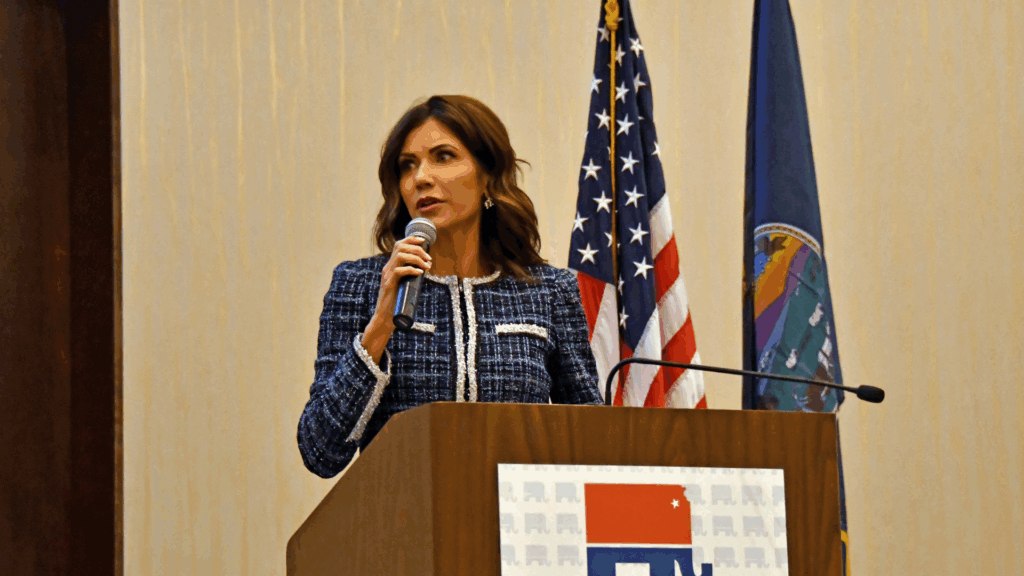
Figures like Andrew Yang have argued that universal basic income may gain more traction as AI-driven displacement becomes more visible. These ideas continue to shape political debates about economic resilience.
Tesla plans to use Optimus internally by 2025, with large-scale production set to expand in 2026. Facilities in California and Texas are being prepared to support millions of units, marking the beginning of a production era unlike any seen before.