

Products are selected by our editors, we may earn commission from links on this page.
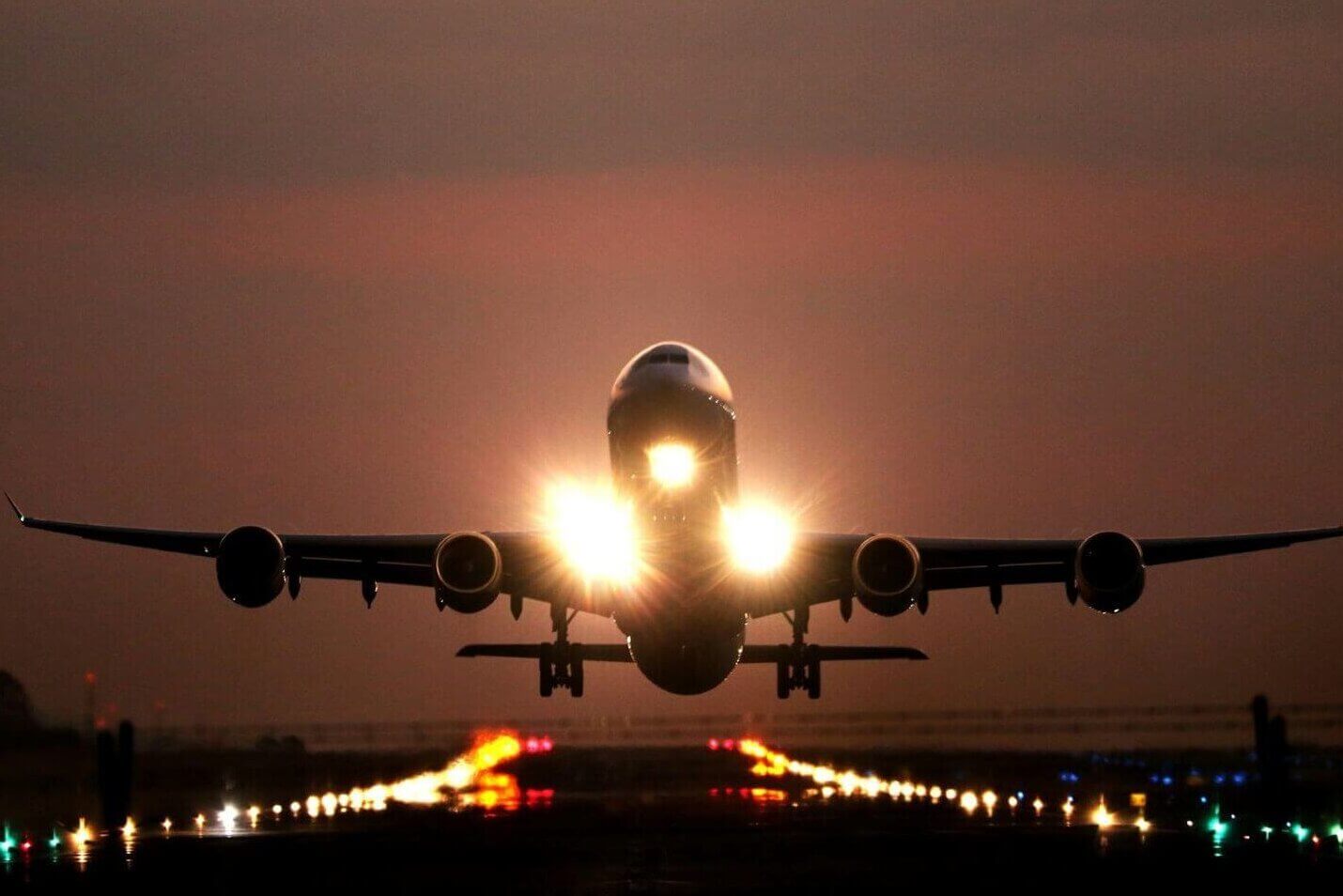
The Federal Aviation Administration (FAA) is preparing to impose a 10% reduction in flights at major U.S. airports if the government shutdown continues through Friday. The order, set to affect thousands of travelers nationwide, stems from mounting air traffic control shortages and unpaid federal workers. With no budget deal in sight, the nation’s skies are becoming the latest casualty of political stalemate.
A System Under Strain
The shutdown, now in its 36th day, has forced 13,000 air traffic controllers and 50,000 Transportation Security Administration employees to work without pay. Many have started missing shifts, pushing the aviation system toward a breaking point. According to FAA officials, the staffing shortage has already caused “tens of thousands” of delays nationwide.
Safety Takes Center Stage
Transportation Secretary Sean Duffy said the move, though drastic, was necessary to preserve aviation safety. “Our job is to make the hard calls to keep the airspace safe,” he said during a briefing. FAA Administrator Bryan Bedford echoed that message, warning that the system is “under pressures we can’t ignore”.
Airlines on Defense
Carriers rushed to adjust schedules ahead of the anticipated order. Delta and American Airlines announced contingency plans to consolidate flights, while United told employees it would focus cuts on regional routes and smaller airports. Southwest, the country’s largest domestic carrier, said it was “evaluating every option” to minimize passenger disruption.
Passengers in Limbo
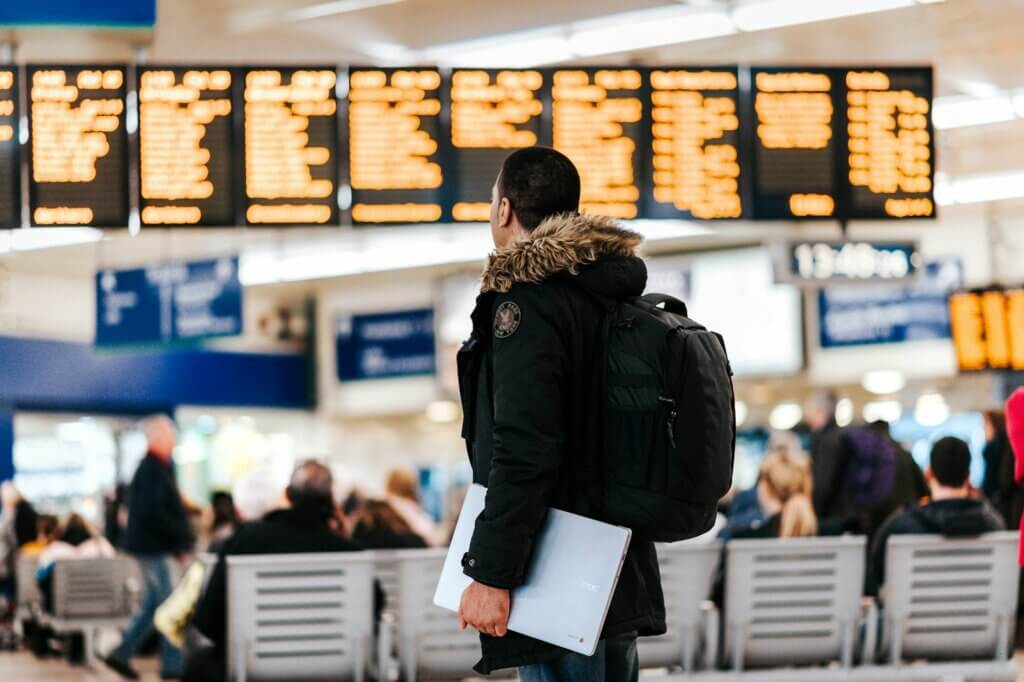
Travelers already felt the ripple effects before any official order was signed. By midweek, customer service lines were jammed as passengers sought re-bookings or refunds. Airlines began waiving change fees and offering credits to retain trust amid the uncertainty. “It feels like storm season—but this time it’s political,” said one traveler stranded at Dallas-Fort Worth.
The Scope of the Cuts
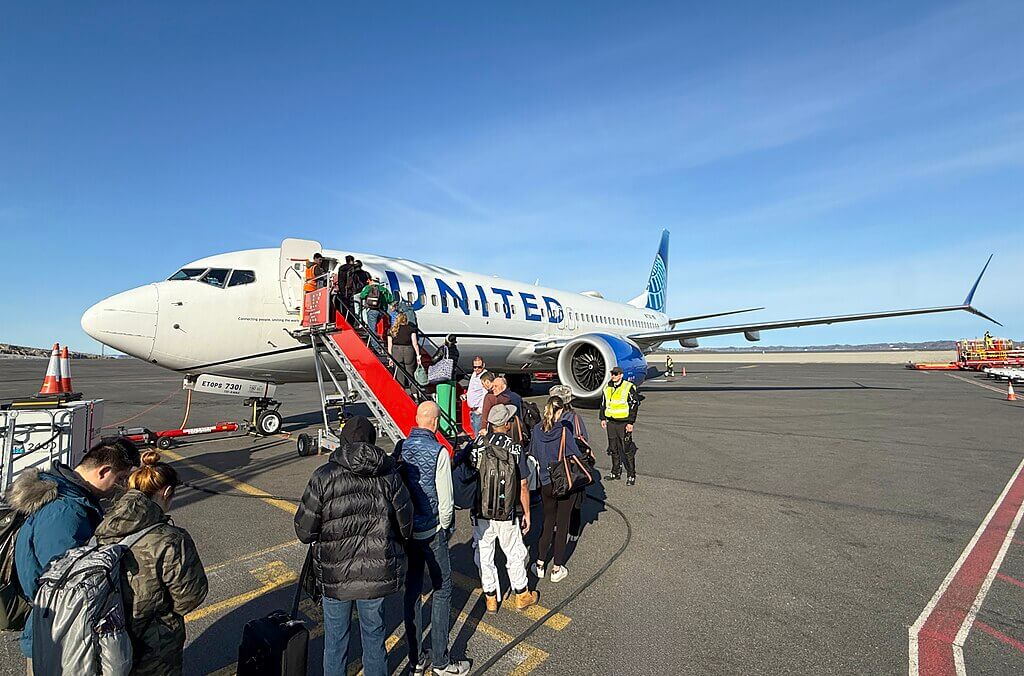
FAA officials confirmed that the 10% reduction will hit 40 key airports, including New York’s JFK, Chicago O’Hare, Atlanta, Dallas/Fort Worth, Los Angeles, and Washington D.C. facilities. For a full list of the affected airports, check here.
Capacity reductions will begin at 4% on Friday, then rise to 10% by next week if the shutdown persists. International flights will be spared to maintain trade and diplomatic routes, but domestic travel will bear the brunt—an estimated 1,800 flights and 268,000 seats removed from circulation.
A Fragile Air System
The scale of the cuts exposes how thinly stretched the nation’s aviation network has become. FAA data shows that 20–40% of controllers at the 30 busiest airports are missing shifts, and many who remain are working mandatory overtime. Industry analysts warn that the strain on personnel could take months to repair, even after funding resumes.
Political Pressure at 30,000 Feet
The White House and Congress remain locked in a funding standoff. The administration insists the cuts are a safety necessity; Democrats accuse officials of using aviation as leverage to force a deal on healthcare subsidies. Meanwhile, passenger groups have urged both sides to “stop turning travel chaos into a political weapon,” as one industry statement put it.
The Human Cost of Shutdown Fatigue
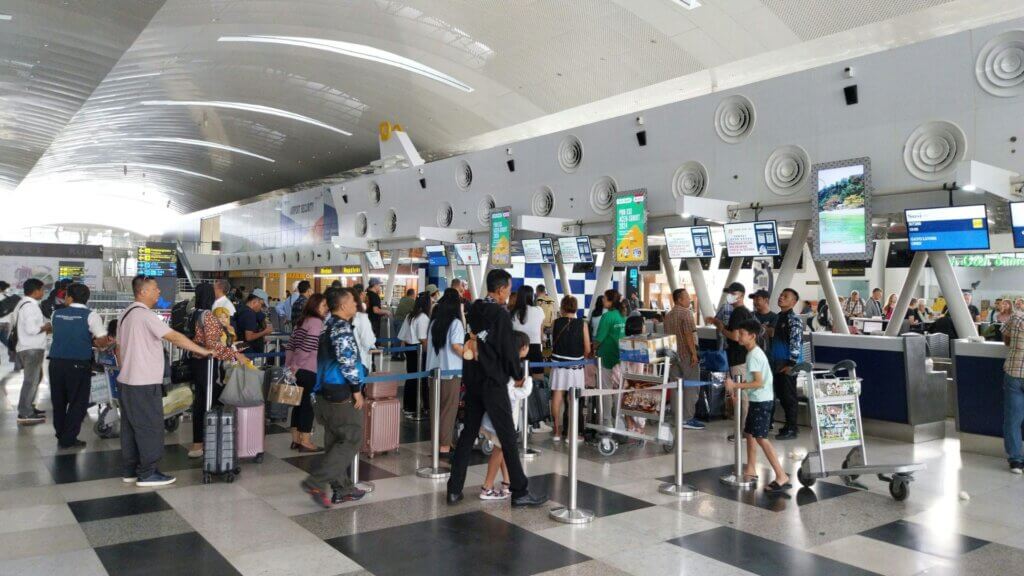
Behind every canceled flight are workers struggling to stay afloat. Many air traffic controllers and TSA agents are relying on community food banks and emergency loans to get by. Airline unions have condemned the impasse as “a manufactured crisis that punishes the public,” warning that continued strain could compromise safety morale.
Waiting for Takeoff
If Congress fails to pass a funding deal by Friday, the FAA’s cuts will officially take effect over the weekend. Travelers can expect longer lines, reduced schedules, and rising fares as airlines absorb the shock. What was once the safest, most efficient air network in the world now faces an unprecedented test—not from weather or technology, but from Washington’s own turbulence.