

Products are selected by our editors, we may earn commission from links on this page.

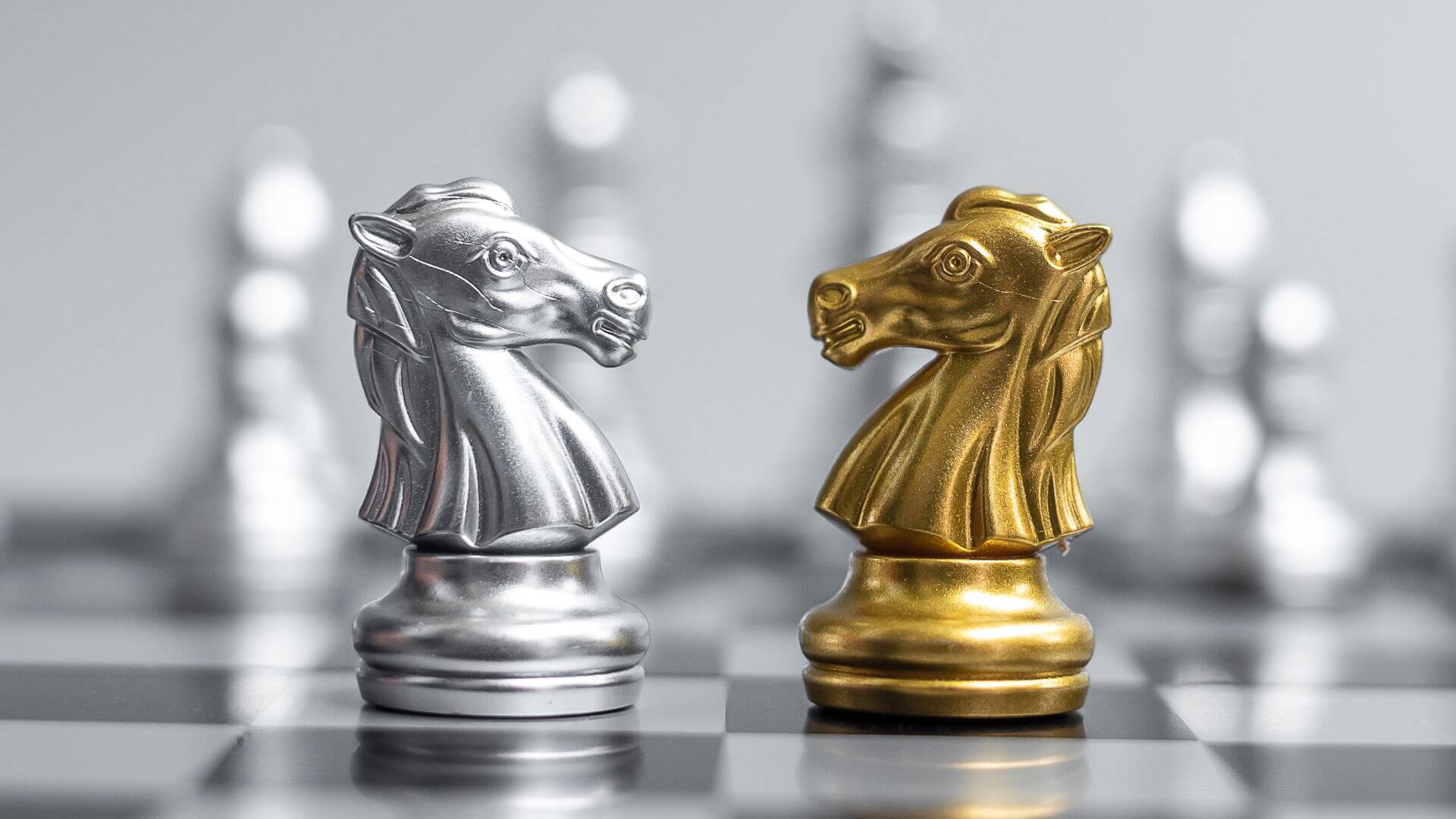
Gold and silver have reached unprecedented price levels, marking one of the strongest periods for precious metals in recent history. Over the past month alone, gold has climbed sharply, adding to gains that now place it far above previous yearly benchmarks. Silver has moved even faster, outperforming gold with a surge that reflects growing investor appetite for assets perceived as resilient in uncertain times.
This upward movement is not happening in isolation. The rally reflects a broader shift in how markets respond to global stress, with precious metals once again capturing attention as traditional indicators show signs of fragility. For many observers, these price levels signal more than short term speculation, they point to deeper structural concerns shaping investor behavior.
Analysts describe the current surge as historic, noting that both metals have entered a phase rarely seen in modern trading cycles. While enthusiasm remains strong, experts also caution that such rapid appreciation often brings heightened volatility, particularly for late market entrants seeking stability rather than exposure to risk.
Uncertainty Drives Demand for Safe Assets
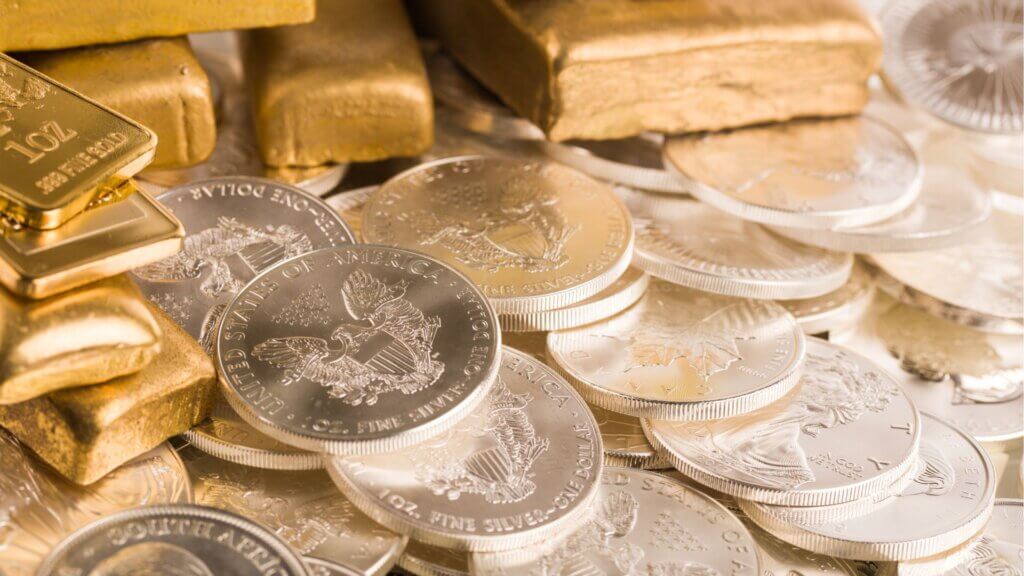
Economic and geopolitical pressures are playing a central role in pushing gold and silver higher. Slowing labor markets, persistent inflation above central bank targets, and increased tension across multiple regions have combined to unsettle confidence in traditional financial assets. In this environment, precious metals tend to benefit from their perceived independence from equity market fluctuations.
Bond market instability and currency weakness have further amplified this trend. As yields fluctuate and confidence in long term monetary stability softens, investors often look for alternatives that have historically preserved value across generations. Gold and silver, backed by centuries of use as stores of value, naturally re enter the conversation during these periods.
Market specialists emphasize that commodities follow cyclical patterns. The current phase reflects a clear expansion cycle, supported by strong demand and limited supply dynamics. Still, experienced voices remind investors that boom phases eventually cool, even if timing those shifts remains notoriously difficult.
The Role of the Dollar and Global Realignment
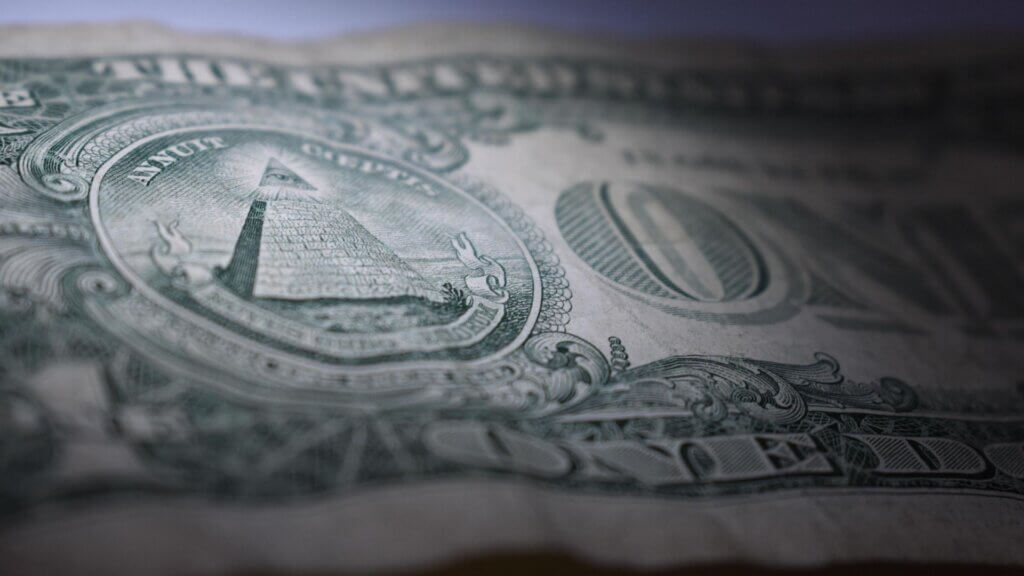
Another key factor behind the rally is the depreciation of the U.S. dollar. As the dollar weakens against other major currencies, commodities priced in dollars become more attractive to international buyers. This effect has been especially visible in gold, which often moves inversely to the dollar’s strength.
Beyond short term currency movements, analysts point to a broader reassessment of the dollar’s role as the dominant global reserve currency. Changes in U.S. economic policy and growing geopolitical friction have encouraged institutions to diversify reserves and reduce overreliance on a single monetary anchor. Precious metals, particularly gold, have benefited from this gradual reallocation.
Research supports this behavior. Historical analysis shows that gold has frequently risen during major market downturns, reinforcing its reputation as a defensive asset. For many global investors, the current environment highlights how underrepresented gold remains in diversified portfolios.
What Comes Next for Precious Metals

While optimism remains high, market observers urge caution. Rapid price appreciation often increases short term risk, especially as expectations grow and speculative interest intensifies. Forecasting near term movements in gold and silver is challenging, even for seasoned analysts who closely track macroeconomic signals.
Some experts suggest the market may be approaching the later stages of its current expansion phase, though that does not preclude further gains. Commodity cycles can extend longer than anticipated, and momentum can persist amid ongoing uncertainty. The key variable remains the global backdrop, including inflation trends, monetary policy decisions, and geopolitical developments.
Ultimately, gold and silver continue to reflect the collective mood of global markets. Their recent performance underscores how deeply uncertainty influences investment decisions, and why, in times of instability, long standing stores of value tend to regain center stage.