

Products are selected by our editors, we may earn commission from links on this page.

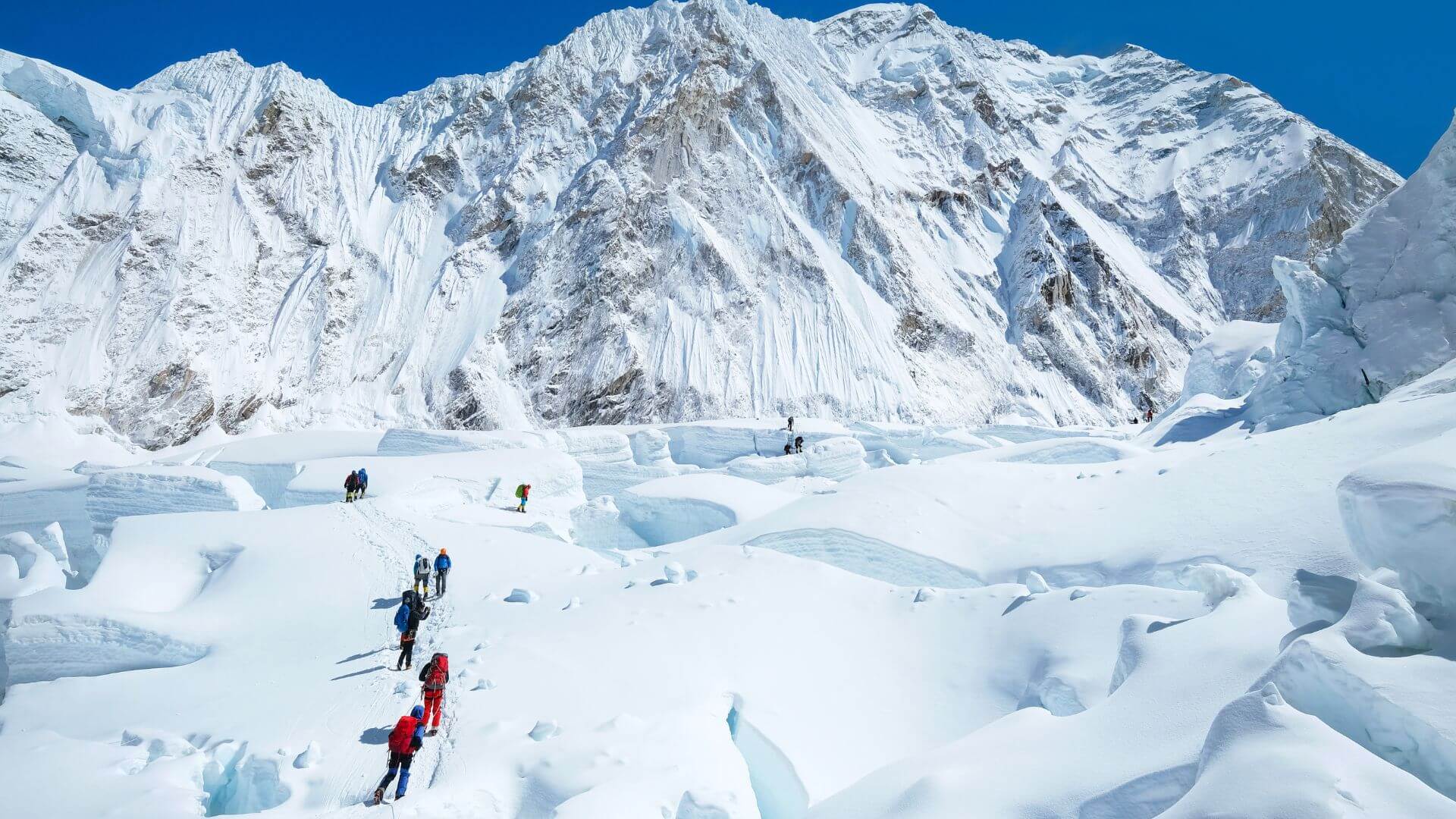
Mount Everest, the pinnacle of geographical challenge, is facing an unprecedented ecological crisis. As adventurers flock to its slopes, they leave behind more than just footprints, creating a landscape that struggles to maintain its natural purity. Understanding the reality at 29,000 feet requires us to look beyond the adventure and face an environmental situation that challenges our very perception of exploration.
Even the most isolated peaks are no longer safe from human interference. The summit is gradually becoming an elevated dumping ground, with specific areas like Camp 4 suffering the most. Recent reports describe a scene where abandoned gear and debris are scattered across the ice, marking a tragic shift for this majestic landmark.
Ascending this giant is an expensive and time consuming journey that often lasts several months. With individual permits and logistics costing nearly $100,000, mountaineering has become a vital source of income for Nepal. While local guides work tirelessly to manage equipment, the sheer volume of tourists creates an environmental strain that is difficult to control.
Visual evidence from the digital communit

The reality of this pollution is frequently documented by the people who witness it firsthand. On various online forums, climbers post images that contrast breathtaking horizons with piles of discarded items. These photos serve as a powerful wake up call, showing how human negligence can diminish the awe inspiring beauty of the earth.
The waste found at nearly 30,000 feet is a strange collection of survival tools and personal items. From oxygen canisters and old tents to utensils and sanitary products, the debris is as diverse as the groups who visit. Many hikers, focused solely on reaching safety, feel they cannot carry extra weight back down, leading to a permanent accumulation of plastic and metal.
Innovative solutions are emerging to tackle the logistical nightmare of high altitude sanitation. Groups are now testing heavy duty drones that can carry significant weight, allowing for the removal of trash from dangerous zones. This method offers a way to clean the slopes without risking the lives of workers, representing a major leap in mountain conservation.
A shift in the philosophy of exploration

For many experienced hikers, the current state of the peak has forced a change in how they view their achievements.
The glory of standing at the top is now often mixed with a sense of disappointment regarding the environmental footprint left behind. This evolving perspective emphasizes that true exploration should involve leaving no trace of one’s presence.
Beyond the visible litter, the Himalayas are facing significant challenges due to rising temperatures. Drier conditions are causing the snow line to move higher, which changes the physical structure of the terrain. These shifts make the area more prone to wildfires and alter the traditional routes that have been used for decades.
Sustainable choices for a cleaner future
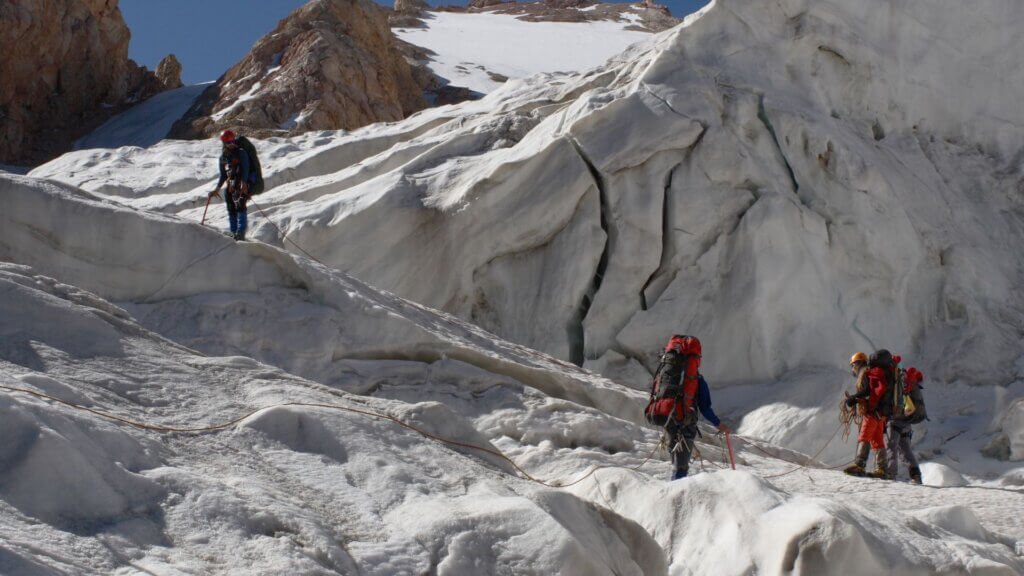
The ecological health of the range is directly linked to the survival of nearby communities. As ice melts and weather patterns become less predictable, water supplies for those living in the valleys are threatened. This situation highlights how the issues at the summit eventually trickle down, affecting the fundamental resources of thousands of people.
The lessons learned from the world’s highest peak can be applied to any natural space. By participating in local cleanup initiatives, people can foster a sense of responsibility for their immediate surroundings. Engaging with environmental organizations helps build a culture where preserving nature is seen as a collective priority rather than a distant goal.
Reducing our reliance on single use plastics is a practical step toward protecting the planet. Opting for reusable gear, such as durable containers and bottles, prevents waste from ever entering the ecosystem. These small changes not only save money but also ensure that wild places remain pristine for those who follow in our footsteps.