

Products are selected by our editors, we may earn commission from links on this page.
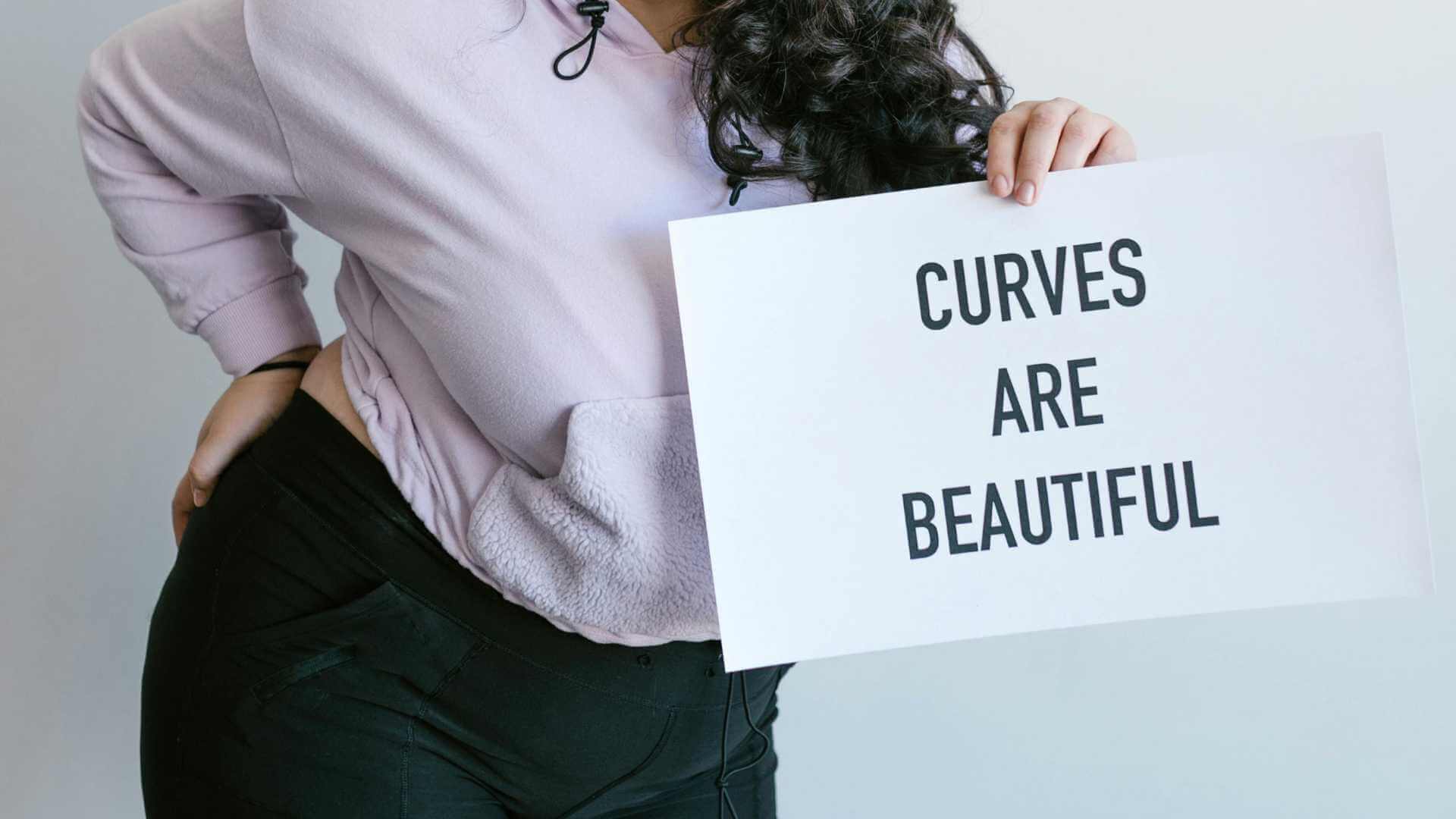
The fashion industry often champions creativity and self-expression, yet beneath the surface, a persistent truth remains: high fashion still largely excludes most body types.
Dominance of Sample Sizing

The most glaring issue is the pervasive use of runway model sizing, typically a European size 34-36 (US 0-2). High fashion garments are often produced only in these extremely small “sample sizes” for shows and editorials. This immediately renders designs inaccessible for the vast majority of consumers, reinforcing an unattainable ideal.
Limited Plus-Size Offerings

Despite over 60% of women in many Western countries wearing sizes considered “plus-size,” plus-size fashion exclusion remains rampant in high-end luxury brands. When available, collections are often limited, less diverse in style, or treated as an afterthought, signaling that these body types are not a priority for design or marketing.
Narrow Model Representation

The visual narrative of high fashion continues to feature an overwhelmingly homogeneous group of models. While there’s been some progress in ethnic diversity, the fashion industry’s body standards for models remain extremely thin and tall, perpetuating a narrow, often unhealthy, ideal that alienates real-world consumers.
Lack of Adaptive or Inclusive Design

High fashion rarely incorporates adaptive design principles to accommodate varying body shapes, disabilities, or specific needs. Garments are typically cut for very specific, idealized proportions, neglecting the reality of diverse human forms and limiting true high fashion inclusivity.
Exclusion in Advertising & Editorials
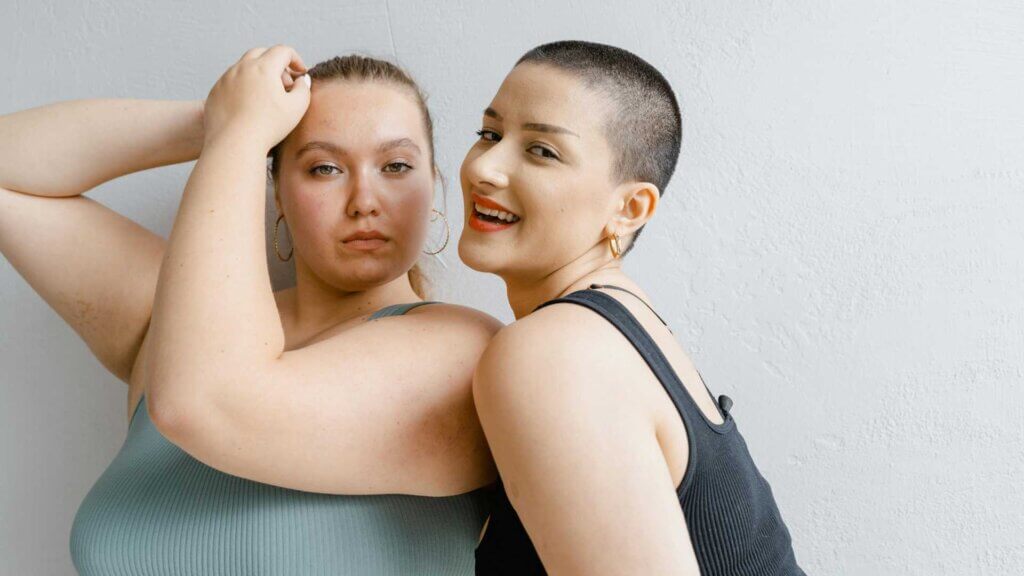
Beyond the runway, fashion advertising body image remains highly curated. Major campaigns and magazine editorials predominantly showcase only traditionally slim models, reinforcing a singular beauty standard and making the majority of the population feel unseen and unrepresented within the luxury sphere.
Sizeism in Retail Experience
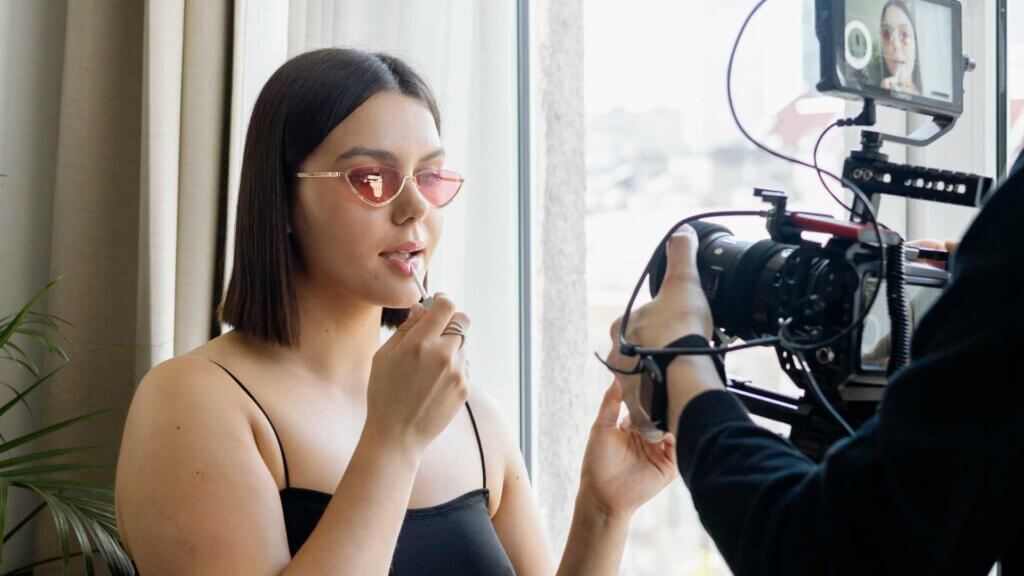
Even when larger sizes exist, the retail experience in high fashion can be unwelcoming. Limited stock, lack of specialized fitters, or implicit biases among sales associates contribute to a feeling of marginalization, hindering accessibility and making shopping an uncomfortable experience for non-standard sizes.
The Effortless Chic Myth

Many high-fashion aesthetics are built around concepts like “effortless chic” or draping, which often visually translate best on very slender frames. This design philosophy inadvertently reinforces the idea that true style is inherent to certain body types, further contributing to sizeism in fashion.
Sustainability Focus Over Size Inclusivity

While the industry talks about sustainability, the focus often bypasses size inclusivity. Brands investing in ethical production or sustainable materials may still only offer limited sizing, inadvertently creating exclusive “sustainable fashion” circles where only a small percentage of bodies can participate in conscious consumption.
The Unseen Majority
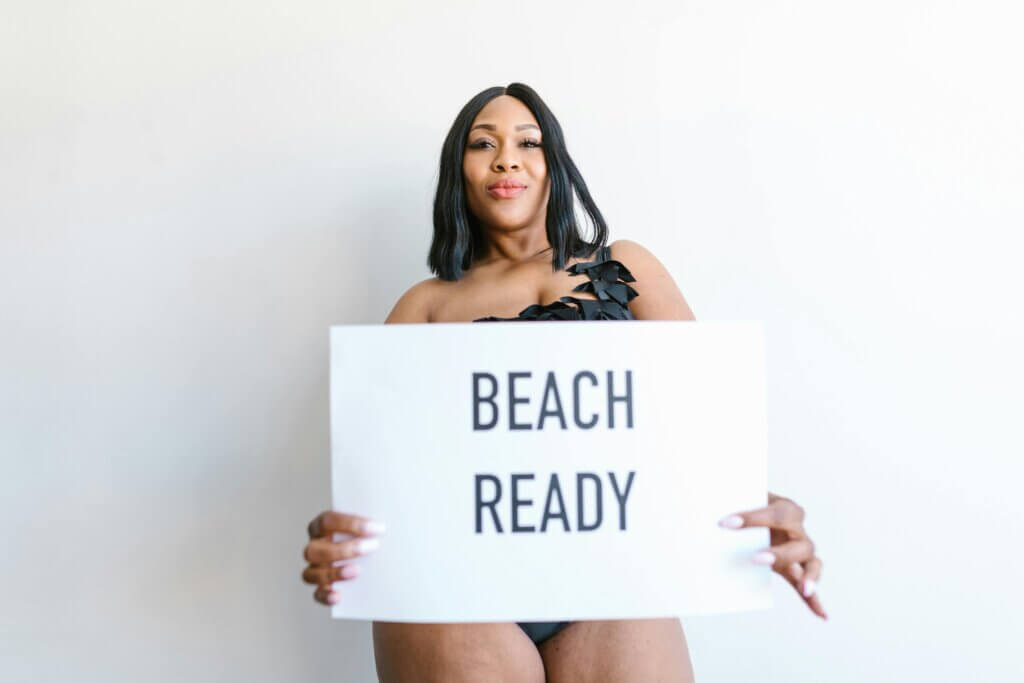
Until genuine efforts replace performative inclusivity, the majority will remain the unseen majority, waiting for high fashion to truly embrace every form.