

Products are selected by our editors, we may earn commission from links on this page.
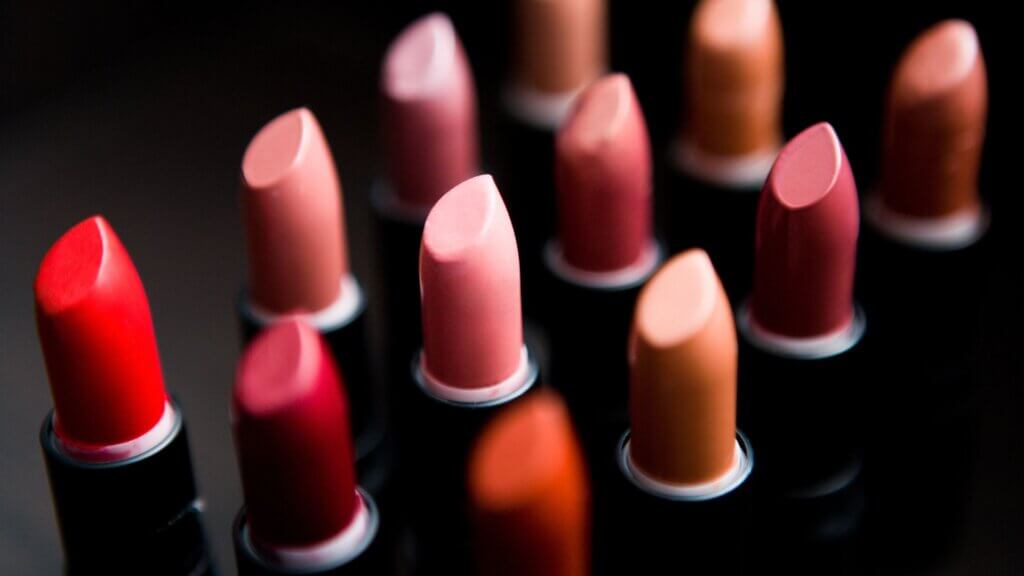
Lipstick might seem like a simple beauty staple today, but its history is filled with drama, scandal, and surprisingly empowering twists that would make any soap opera jealous.
From ancient rulers to modern rebels, this tiny tube of color has sparked religious outrage, political movements, and social revolutions throughout history.
Behind every swipe of lipstick lies centuries of controversy, power plays, and cultural shifts that shaped the way we see beauty and femininity today.
Men Were the Original Lipstick Lovers
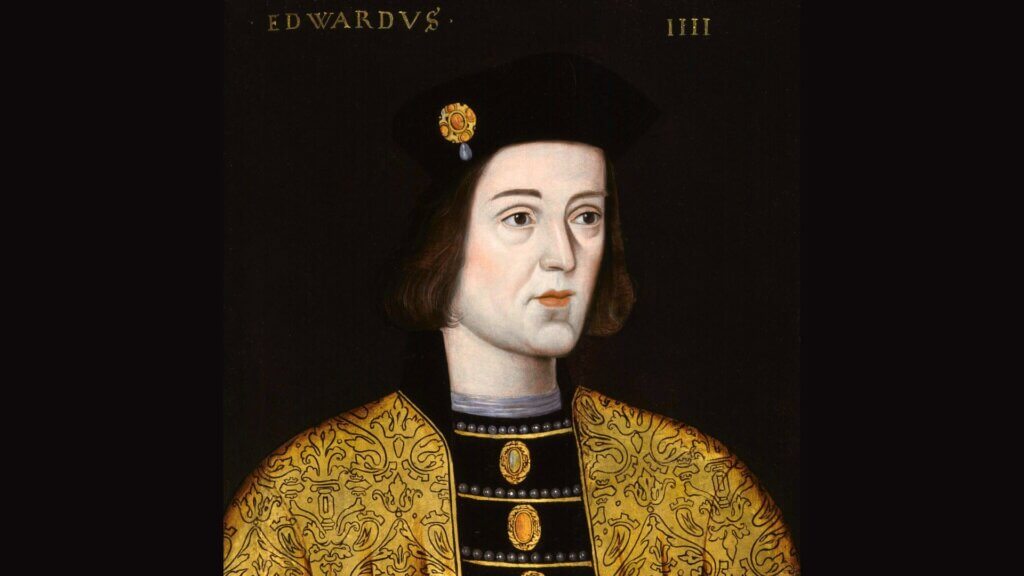
Long before lipstick became synonymous with femininity, men were proudly painting their lips for both aesthetic and social reasons. In ancient Sumer and Rome, noble men wore colorful lip stains as symbols of status and power, with the most vibrant shades reserved for the elite.
European nobility took this trend even further during the 17th and 18th centuries, with King Edward IV reportedly having custom lipstick shades created specifically for himself and his court.
However, the Great Male Renunciation in the late 18th and early 19th centuries marked a cultural shift where men gradually abandoned makeup, eventually relegating colorful lips to the feminine realm we know today.
Lipsticks Were Once a Dangerous Mix

Early lipsticks weren’t just bold—they were downright risky. Ancient formulas often included ingredients like crushed bugs, lead, mercury, and even bromine, which posed serious health risks.
Despite the danger, the vibrant colors were worth the risk for many. Cleopatra reportedly used crushed carmine beetles and ants to get that signature red hue.
Thankfully, today’s lipsticks come with less drama and far more safety regulations.
The First Lipsticks Came in Moody Shades
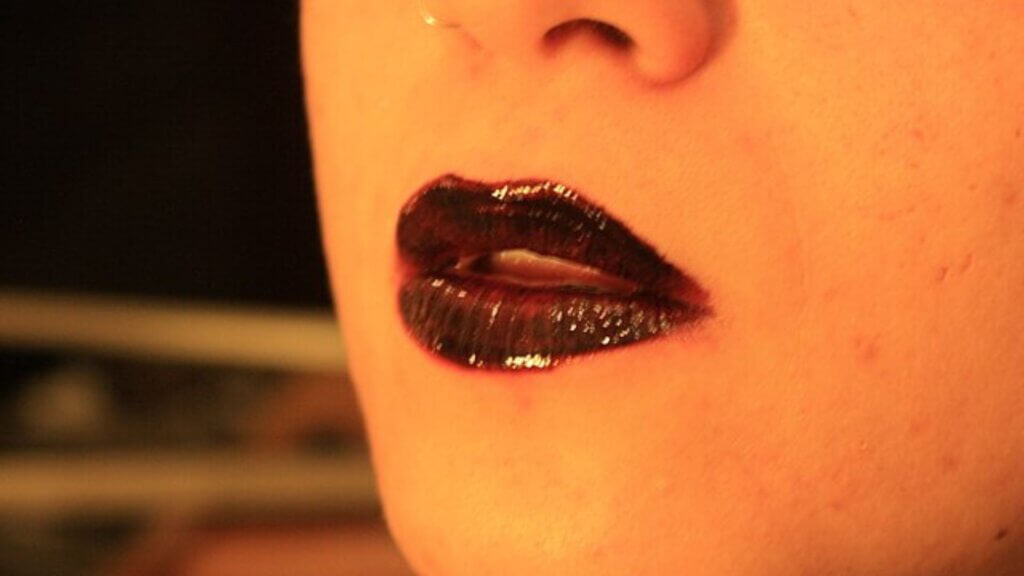
Before today’s endless spectrum, early lipsticks focused on deeper, more dramatic tones. Reds, purples, oranges, and even black were common choices across cultures. These shades weren’t just about fashion—they often signaled class, religion, or even spiritual beliefs.
In some communities, black lips represented power or protection from evil. It wasn’t until much later that lighter pinks and peaches became the go-to everyday look.
Lipstick Was Once Feared and Forbidden

Believe it or not, there was a time when wearing lipstick could get you killed or divorced.
Ancient Greeks believed that only prostitutes wore lipstick, making it mandatory for sex workers to wear it as a way to distinguish themselves from “respectable” women.
England in the 1500s took things even further, passing laws that declared wearing lipstick punishable as witchcraft. Apparently, enhancing your natural beauty was considered consorting with dark forces.
Medieval Englishmen were convinced that women who wore makeup were “incarnations of Satan” for daring to alter the face God gave them, while American men could legally annul marriages if they discovered their wives had worn lipstick to the wedding, claiming they’d been deceived by “trickery.”
Queen Elizabeth I’s Lipstick Obsession
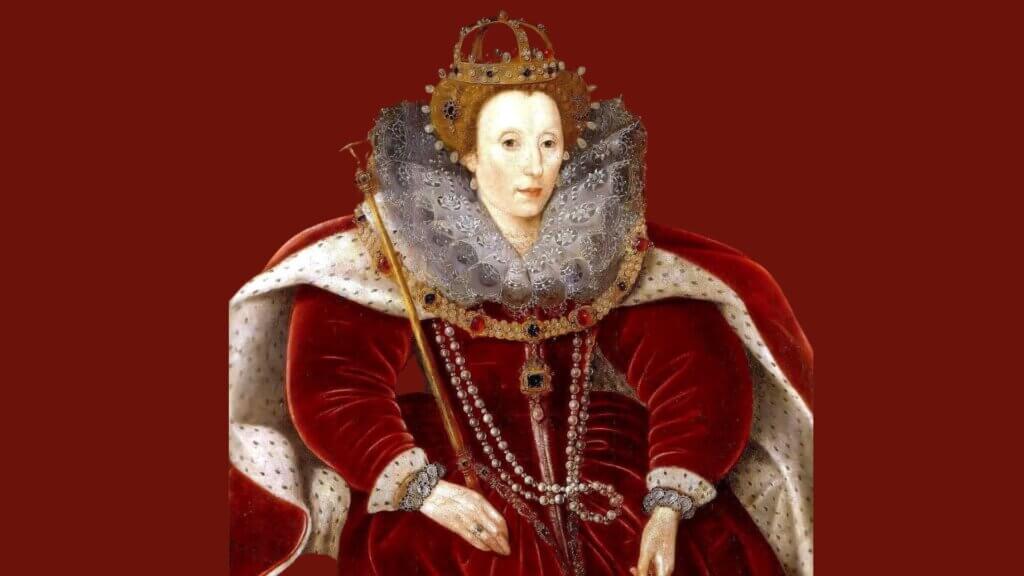
Queen Elizabeth I was perhaps history’s most devoted lipstick enthusiast, believing so strongly in its healing powers that she reportedly wore half an inch of the stuff at the time of her death. She was convinced that lipstick could cure illness and protect against evil spirits, turning her daily beauty routine into a form of medieval medicine.
The Queen’s dramatic red lips became part of her iconic image, inspiring countless noblewomen to follow suit despite the social stigma. Her dedication to lipstick helped legitimize cosmetics among the upper classes, though it would take centuries for the practice to become widely accepted across all social levels.
Lipstick as a Battle Cry
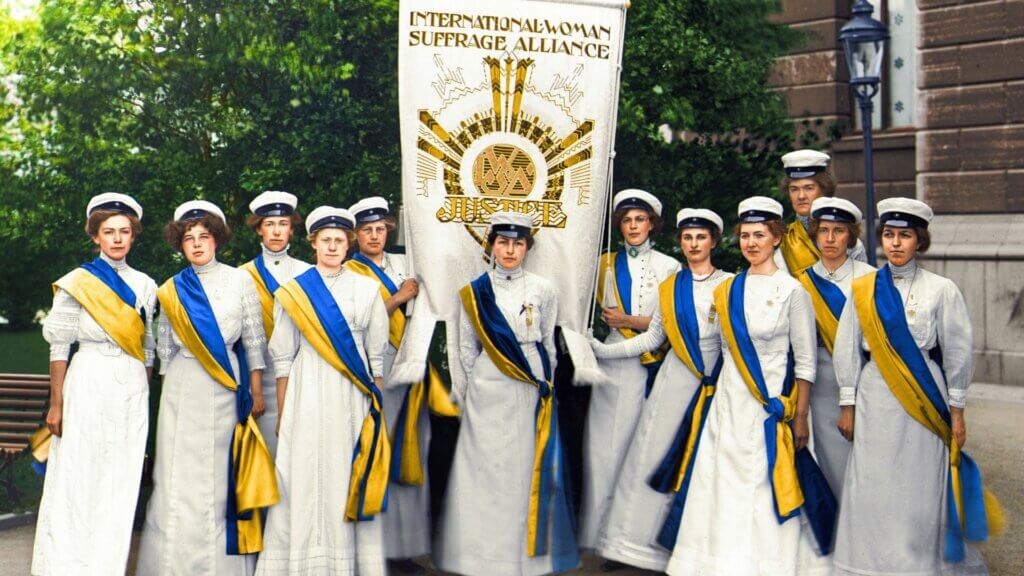
What started as a beauty product eventually became one of the most powerful symbols of women’s rights and political defiance.
Suffragettes in the early 20th century deliberately wore bold red lipstick to rallies and protests, using their painted lips as a form of rebellion against societal expectations. Red lipstick became so associated with female empowerment that figures like Elizabeth Arden and Emmeline Pankhurst made it part of their political uniform.
During World War II, this symbolism reached new heights when Allied countries actively encouraged women to wear red lipstick as an act of defiance against fascist ideals, turning everyday beauty routines into acts of patriotic resistance.
Hitler Hated Red Lipstick—So Women Wore It Louder
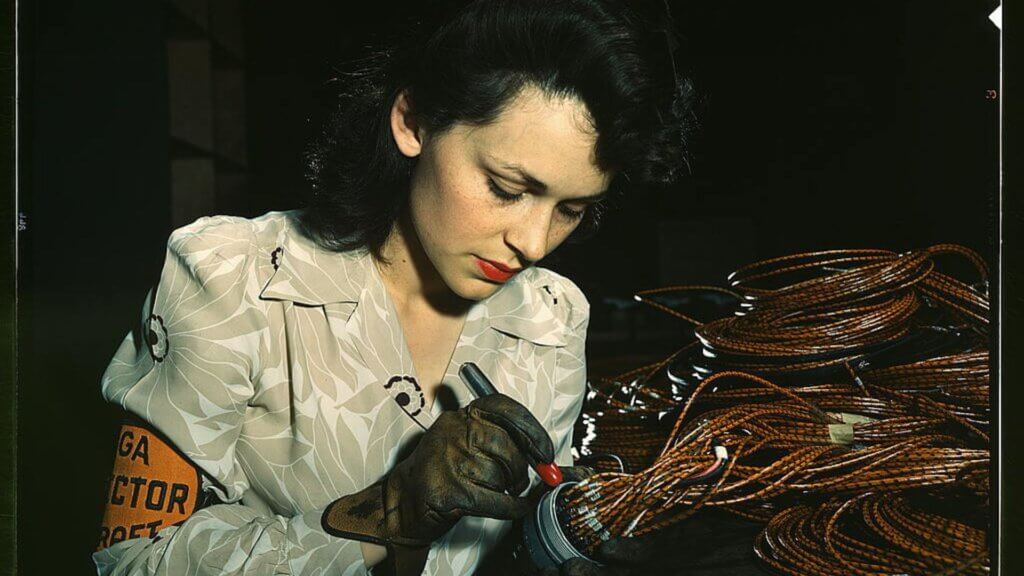
One of lipstick’s most iconic moments? Becoming a symbol of defiance against fascism. Hitler reportedly despised red lipstick, associating it with rebellion and non-conformity. So, Allied leaders did the opposite.
Winston Churchill encouraged women to wear it, and American military women had red shades specially made for them. Cosmetic companies leaned into the moment, creating special shades of red lipstick colors with patriotic names like “Victory” and “Combat.”
It wasn’t just makeup—it was a quiet rebellion painted on thousands of lips.
From Ancient Recipes to Modern Innovations
The journey from homemade lip stains to today’s high-tech formulas is a fascinating tale of innovation and marketing genius. The first commercial lipstick was created in 1884 by the French brand Guerlain, revolutionizing how women accessed and applied lip color.
Matte lipstick, surprisingly, was already popular in the 1930s, but experienced a massive resurgence in the mid-2010s thanks to influencers like Kylie Jenner and brands like Maybelline.
The 1960s brought us white lipstick, popularized by rock bands seeking to make bold statements, while black lipstick emerged in the late 1970s and found its permanent home in punk and goth subcultures, proving that lipstick trends often reflect broader cultural movements.
The Timeless Truth About Red
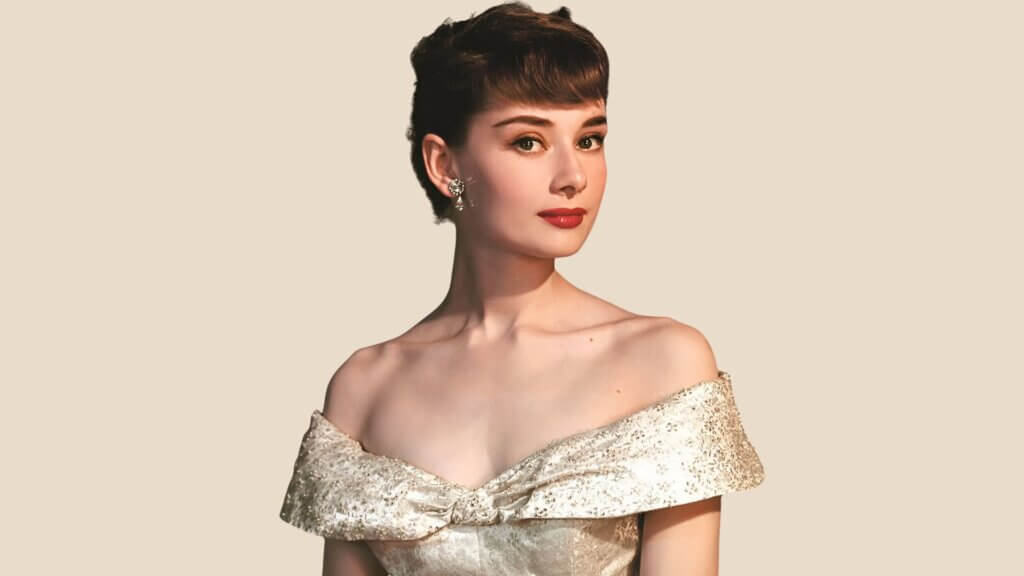
Perhaps Audrey Hepburn said it best: “There’s a shade of red for every woman.” This simple statement captures the universal appeal of red lipstick that has transcended centuries of social change and cultural upheaval.
From ancient queens to modern rebels, red lips have remained a constant symbol of confidence, power, and feminine strength. Whether it’s a subtle berry or a bold crimson, red lipstick continues to be the ultimate confidence booster, proving that some beauty trends are truly timeless.
The fact that this single color has survived everything from religious persecution to world wars speaks to its enduring power as both a beauty statement and a form of self-expression.
More Than Just a Beauty Product
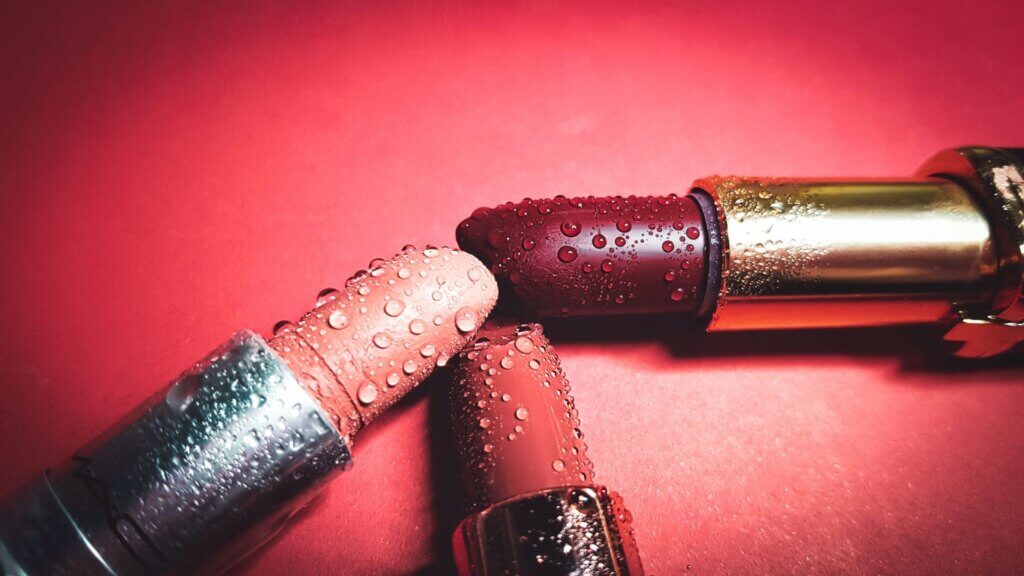
Looking back at lipstick’s wild history, it’s clear that this little tube of color has always been about much more than beauty. It’s been a symbol of rebellion, a tool of empowerment, and sometimes even a matter of life and death.
From ancient kings who wore it as a status symbol to modern women who use it to feel confident and powerful, lipstick has consistently reflected the values and struggles of its time.
The next time you swipe on your favorite shade, remember that you’re participating in a tradition that spans millennia and has helped shape the very concept of beauty and feminine power.