

Products are selected by our editors, we may earn commission from links on this page.
It’s increasingly important for consumers to be aware of the ingredients in their cosmetics. Despite a growing demand for clean beauty, many conventional makeup products can still contain ingredients that have been linked to potential health concerns, from skin irritation to more serious long-term effects.
Parabens
These are common preservatives used to prevent bacterial and fungal growth. They are controversial due to their ability to mimic estrogen, potentially disrupting hormone function (endocrine disruption), and having been detected in breast cancer tissues, raising concerns about links to cancer.
Phthalates
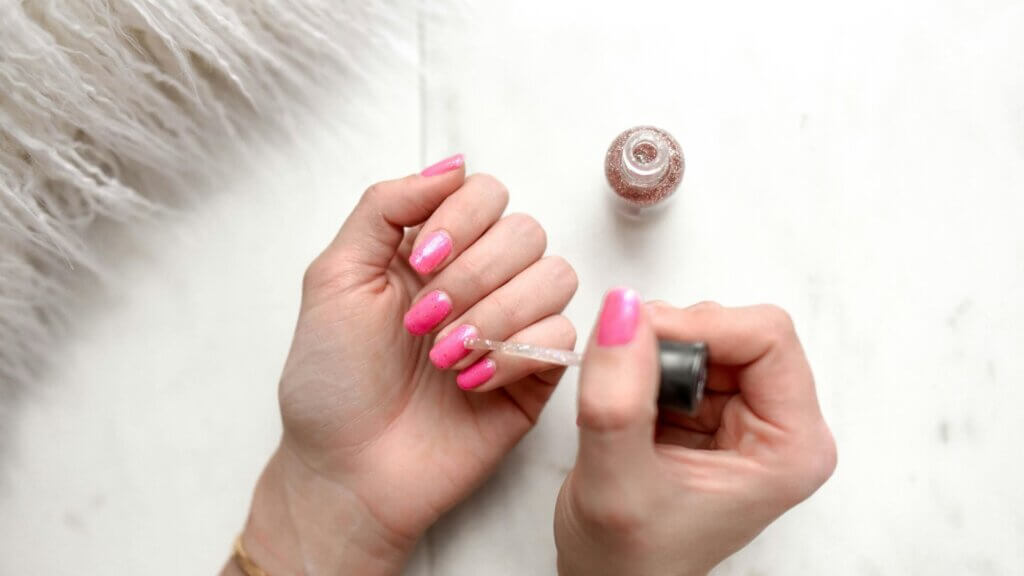
Often found in nail polish, fragrances, and hairsprays, phthalates are used to make plastics more flexible and to help fragrances last longer. They are known endocrine disruptors, linked to reproductive issues, developmental problems, and potential impacts on male fertility.
Formaldehyde and Formaldehyde-Releasing Preservatives
Used as preservatives, these chemicals can slowly release formaldehyde, a known human carcinogen. They can also cause skin irritation, allergic reactions, and respiratory issues, especially in sensitive individuals.
Triclosan

An antibacterial and antifungal agent is often found in antibacterial soaps, but also sometimes in cosmetics like foundations and concealers. It’s an endocrine disruptor, contributes to antibiotic resistance, and can be irritating to the skin and eyes.
Talc
While cosmetic-grade talc is supposed to be asbestos-free, its natural proximity to asbestos in the earth means contamination is a concern. Talc has been linked to ovarian cancer when used in the genital area, and lung issues if inhaled from powders.
“Fragrance”
This single term on an ingredient list can hide hundreds of undisclosed chemicals, including phthalates and synthetic musk. Many of these hidden fragrance chemicals are allergens, irritants, or endocrine disruptors, making “fragrance” a major concern for transparency and health.
Coal Tar Dyes
Used for vibrant colors, especially in hair dyes and some cosmetics. These are derived from petroleum and can be contaminated with heavy metals. They are known carcinogens and can cause severe allergic reactions, skin irritation, and organ system toxicity.
Heavy Metals

While often not intentionally added, heavy metals can be present as contaminants in mineral-based pigments used in makeup (e.g., eyeshadows and lipsticks). Even trace amounts can accumulate in the body over time, leading to neurological damage, kidney problems, and other health issues. Lead in lipstick, for instance, has been a significant concern.
Butylated Hydroxyanisole & Butylated Hydroxytoluene
These synthetic antioxidants are used as preservatives in a wide range of cosmetics. They are controversial due to potential endocrine disruption, skin allergies, and possible links to carcinogenicity, leading many “clean beauty” brands to avoid them.
Your Safer Beauty Choice

The journey to truly clean beauty starts with awareness. While your makeup bag might still contain hidden toxic ingredients like parabens or phthalates, understanding these cosmetic chemicals to avoid is the first step towards safer makeup choices.