

Products are selected by our editors, we may earn commission from links on this page.

Happiness is never a simple formula, but certain conditions often shape how people feel about their quality of life. A recent WalletHub study ranked all 50 US states by weighing factors such as work environment, physical well-being, community safety, and opportunities for leisure. While some states scored highly, others struggled across multiple categories, showing how issues like divorce rates, long work hours, and low volunteerism can affect overall life satisfaction.
Below are the ten states that ranked the lowest, each with its own challenges.
A Tough Reality in West Virginia

At the bottom of the list, West Virginia was found to have the highest rate of adult depression in the country. Limited sleep quality and low levels of sports participation worsened its overall standing. The state also ranked last in both work environment and physical well-being, highlighting the pressing challenges faced by its residents.
Louisiana’s Ongoing Struggles
Louisiana earned the second-lowest spot, largely because of safety concerns and high divorce rates. Long work hours and limited sleep added to the problem, while low sports participation left fewer opportunities for healthy outlets. These combined issues made the state one of the most vulnerable in terms of emotional and physical well-being.
Arkansas and Lifestyle Pressures

Arkansas took third place on the “least-happy” list, with particularly poor rankings in sleep quality and sports engagement. Safety concerns were another major factor, as the state ranked near the bottom in community security. Its emotional and physical well-being scores further reflected these challenges.
Alabama’s Mixed Challenges

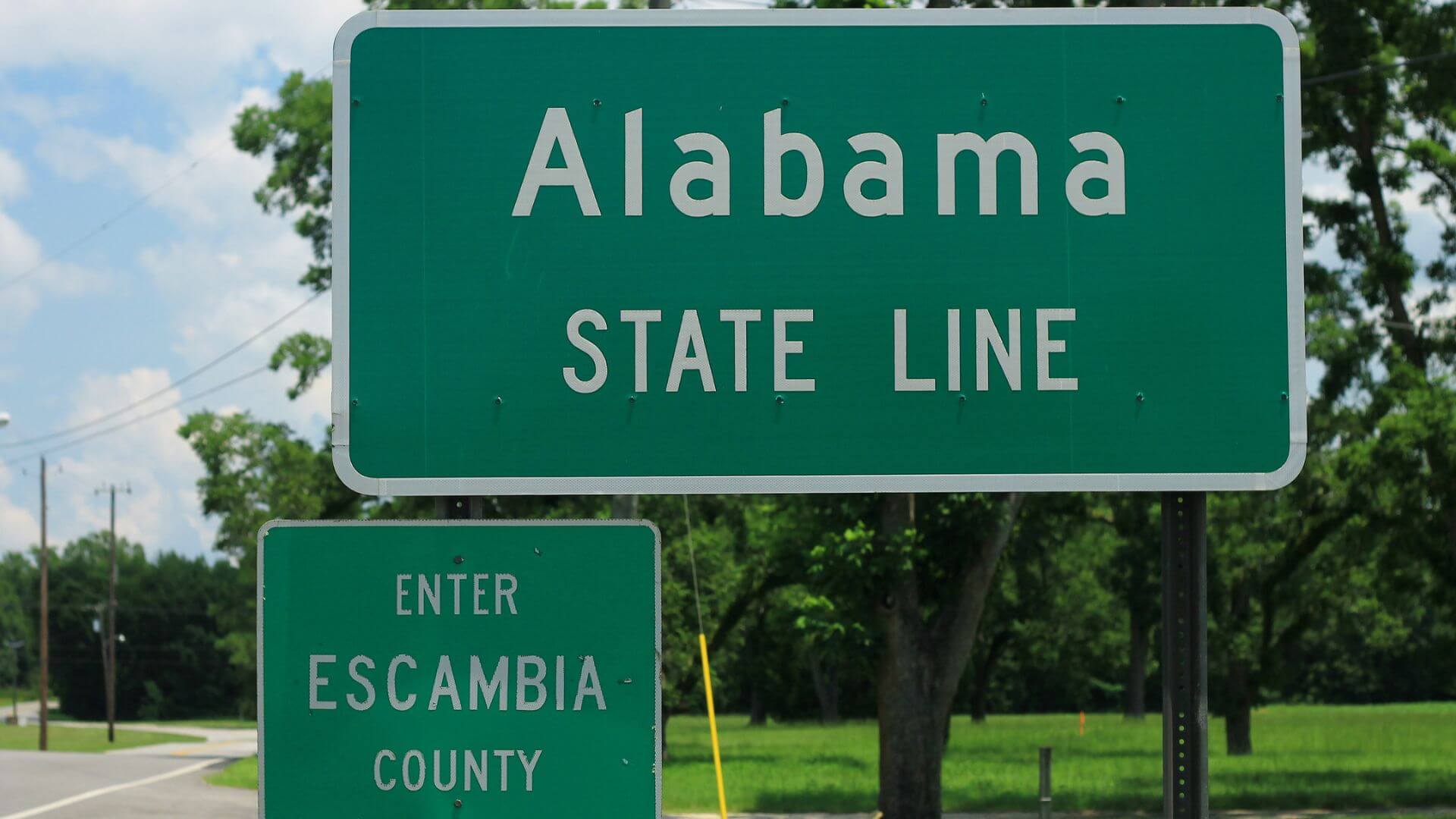
Alabama ranked fourth-lowest, struggling with one of the lowest rates of volunteer participation nationwide. In addition, residents reported poor sleep quality and limited access to supportive community environments. With work stress also high, the state’s overall ranking reflected a convergence of health, lifestyle, and economic issues.
Alaska’s Paradox of Beauty and Burden

Despite its natural beauty, Alaska came in fifth from the bottom. The state recorded the highest suicide rate and the longest weekly work hours in the nation. With income growth stagnating, many residents reported stress tied to both economic and personal factors. These conditions led to low rankings in community well-being and workplace satisfaction.
Tennessee’s Mental Health Concerns

Tennessee ranked as the sixth-least-happy state, with mental health issues weighing heavily on its results. It tied with Maine for the second-highest rate of adult depression, which directly impacted its emotional and physical well-being ranking. This highlights how deeply psychological health shapes perceptions of overall happiness.
Divorce and Isolation in New Mexico

New Mexico earned the seventh-lowest position, partly due to having the highest divorce rate in the country. High suicide rates and limited volunteer activity also played a role. These conditions pushed the state toward the bottom in both work environment and emotional well-being scores.
Work Stress in Kentucky

In eighth place, Kentucky struggled most in workplace-related measures, including long commute times and high unemployment rates. The state also performed poorly in health and lifestyle categories, showing how economic pressures often overlap with personal well-being challenges.
Mississippi’s Low Participation Levels

Mississippi ranked ninth-lowest, recording the weakest sports participation rate in the entire country. It also had one of the highest divorce rates and one of the most dangerous safety scores. Combined with long work hours, these factors pushed the state toward the bottom in well-being and life satisfaction.
Colorado’s Surprising Placement

Rounding out the list, Colorado ranked tenth-lowest. Surprisingly, despite its reputation for outdoor recreation, the state struggled in areas like safety, divorce rates, and community engagement. However, Colorado also scored highly in sleep quality and physical activity, showing a mix of strengths and weaknesses that shaped its unusual ranking.