

Products are selected by our editors, we may earn commission from links on this page.
Early in 2026, a viral trend swept through TikTok, Instagram, and other platforms with users declaring that “2026 is the new 2016,” sparking a wave of nostalgic posts recalling the mid-2010s internet culture and personal memories from a decade ago. This social media phenomenon reflects a collective desire to revisit what many remember as a more carefree and social moment in online life before the rise of algorithm-driven feeds and AI-generated content. For Generation Z and younger millennials in particular, the trend has become a cultural touchpoint as users share throwback photos, retro filters, fashion, and music from 2016.
What the Trend Looks Like Online

On TikTok and Instagram, millions of users are posting decade-old photos and videos, often enhanced with vibrant filters that evoke the bright, oversaturated aesthetic popular in 2016 social media posts. Viral hashtags such as #2016 and creative prompts like “add yours” stickers encourage users to dig into old memories, showcasing everything from early selfie styles to iconic app features that dominated the mid-2010s. These posts often celebrate popular trends like Snapchat filters, early Instagram feeds, and the distinctive visual identity that defined internet culture at the time.
Why 2016 Resonates With Gen Z

For many Gen Z users, 2016 represents a time before social media became overly commercialized, algorithm-focused, or dominated by AI content, when feeds felt more personal, chronological, and playful. People remember the year as an era of shared cultural experiences like Snapchat dog-ear filters, the Mannequin Challenge, and early viral songs that soundtracked their formative years. The trend taps into a yearning for simpler digital interactions and community-driven content, giving Gen Z a chance to revisit familiar memories from their teenage years.
Nostalgia for the Aesthetics of the Past

The trend also embraces the visual style of early smartphone photography, including low-resolution images, grainy selfies, and bright Instagram presets like Clarendon and Valencia. These aesthetic cues echo a time when social media felt experimental and accessible, and users shared snapshots of everyday life without heavy editing or polished branding. The return to these looks in 2026 reflects a broader cultural desire for authenticity and creative playfulness online.
Music and Pop Culture Throwbacks

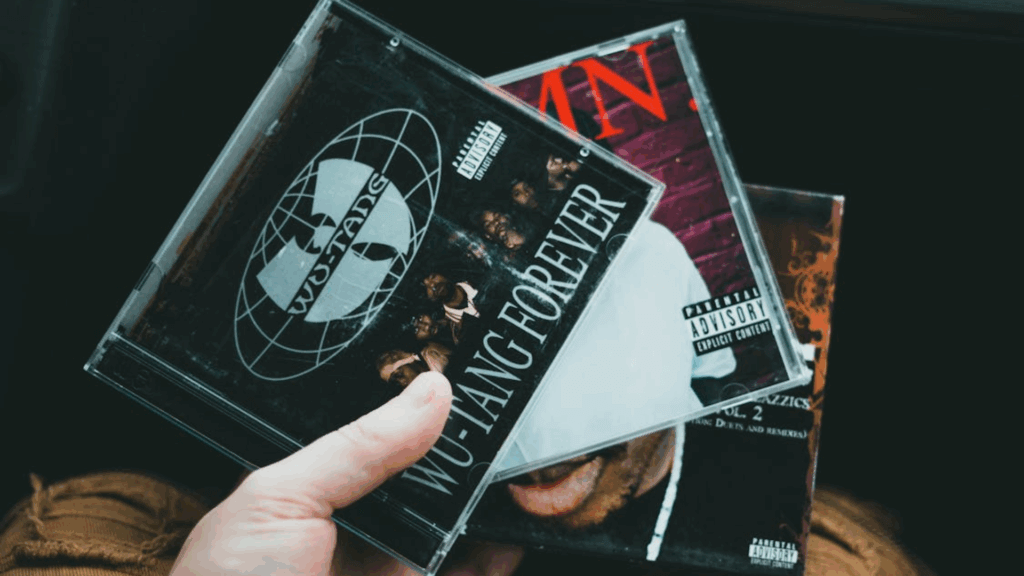
Music from 2016 has taken on new life as part of the trend, with decade-old hits from artists like Drake, Rihanna, and The Chainsmokers resurfacing in playlists and short-form videos. These songs evoke personal memories for many users who were teenagers or young adults at the time, reinforcing the emotional connection to that era. Combined with fashion staples and viral moments from the mid-2010s, the music adds another layer of shared cultural nostalgia that fuels the trend’s popularity.
Celebrities Join the Throwback Party
Celebrity engagement has helped propel the trend further, as public figures share their own memories or old photos from the decade, giving the movement broader reach beyond typical meme communities. Older Gen Z and younger millennials see familiar faces from that time posting alongside everyday users, bridging personal and public nostalgia. This shared storytelling feeds into the collective experience of reflecting on a decade that feels meaningful and memorable.
The Emotional Layer of 2016 Memories
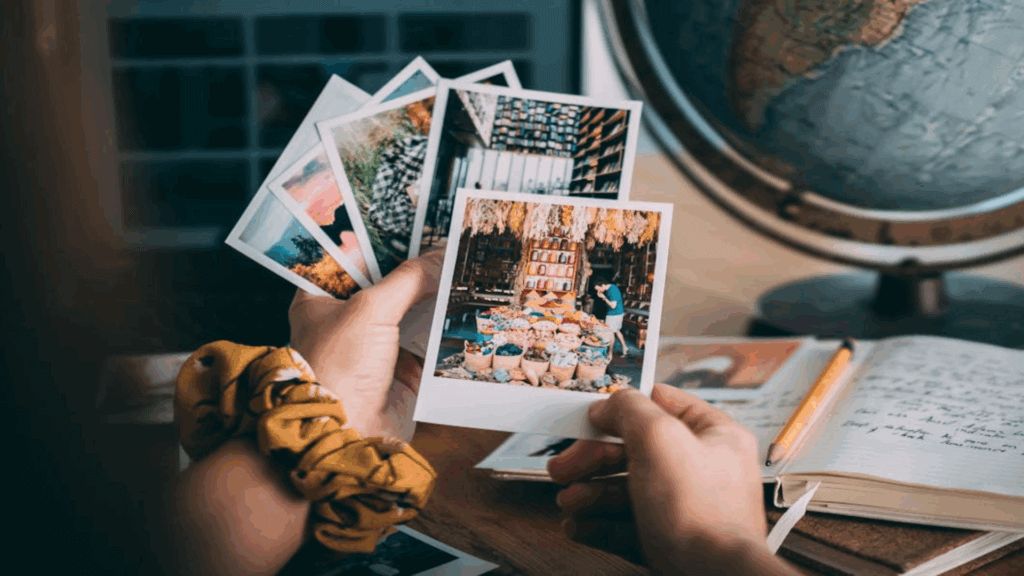
Many participants describe 2016 not just as a year, but as a feeling of optimism and youthful freedom that contrasts with today’s cultural and technological pressures. The mid-2010s preceded a period of rapid change, including the rise of highly curated content feeds, pervasive AI tools, and the intense news cycles that followed major global events. As a result, the nostalgia movement carries an emotional weight, where looking back offers comfort and a break from the complexity of modern online life.
Criticism and Mixed Reactions
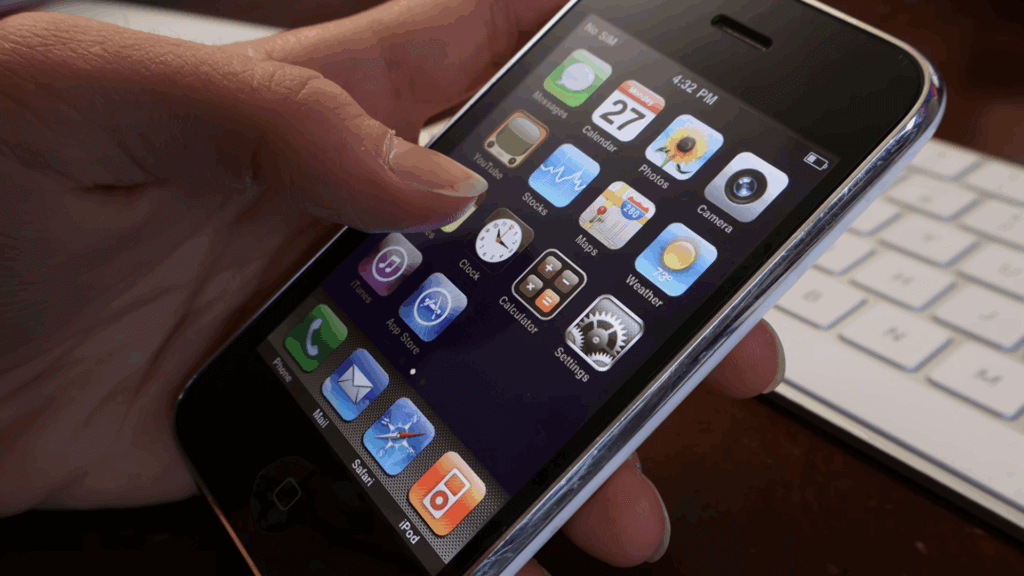
Not everyone embraces the trend, with some critics arguing that nostalgia can gloss over the challenges or negative aspects of the past, and that romanticizing a particular year can distract from present realities. Some online users note that the trend’s focus on 2016 aesthetics oversimplifies a year that had its own complexities and that similar nostalgia cycles happen with any decade. These mixed reactions reflect how cultural memory is subjective, and how different generations interpret the same moments in unique ways.
What This Means for Social Media Culture

The “2026 is the new 2016” movement highlights how social media users are actively shaping digital culture, not just consuming it, by reclaiming past trends as a form of commentary on current platforms. It suggests a desire for community-focused spaces, creative expression, and a break from highly optimized algorithmic feeds that prioritize engagement over connection. Whether this trend persists or evolves, it reveals how generational preferences and collective memory continue to influence online behavior.
Why Gen Z is Obsessed
In conclusion, the viral “2026 is the new 2016” trend reflects a deep cultural nostalgia for the aesthetics, music, and social media style of a decade ago that resonates strongly with Gen Z and other users online. By revisiting throwback photos, filters, and shared cultural moments from 2016, participants are celebrating an era they remember as more authentic, playful, and communal than today’s digital landscape. This nostalgic wave underscores how social media remains a powerful space for collective memory, identity, and playful reinvention of the past.