

Products are selected by our editors, we may earn commission from links on this page.
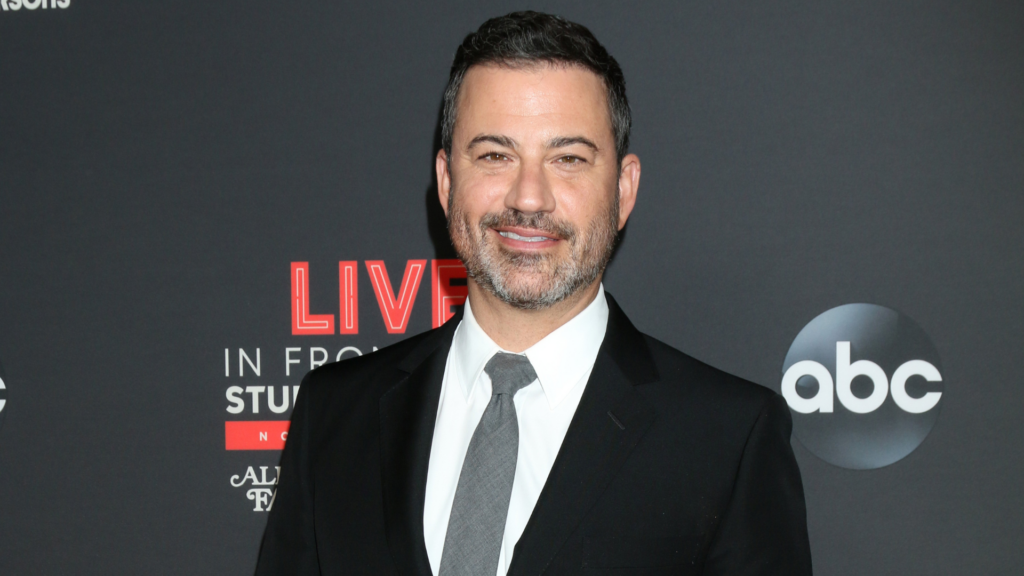
Jimmy Kimmel is taking aim at President Donald Trump after the president made controversial remarks about the possibility of Iran striking major American cities. During his October 6 episode of Jimmy Kimmel Live!, the comedian criticized Trump’s comments about Los Angeles and San Diego before delivering a pointed joke about reporting the president to the Federal Communications Commission (FCC). Kimmel’s punchline turned a familiar source of tension between the administration and late-night television into a moment of political satire. The exchange also reopened debate about how public figures are treated when their remarks are criticized as dangerous or inappropriate.
Trump’s Remarks About Los Angeles and San Diego Sparked Outrage
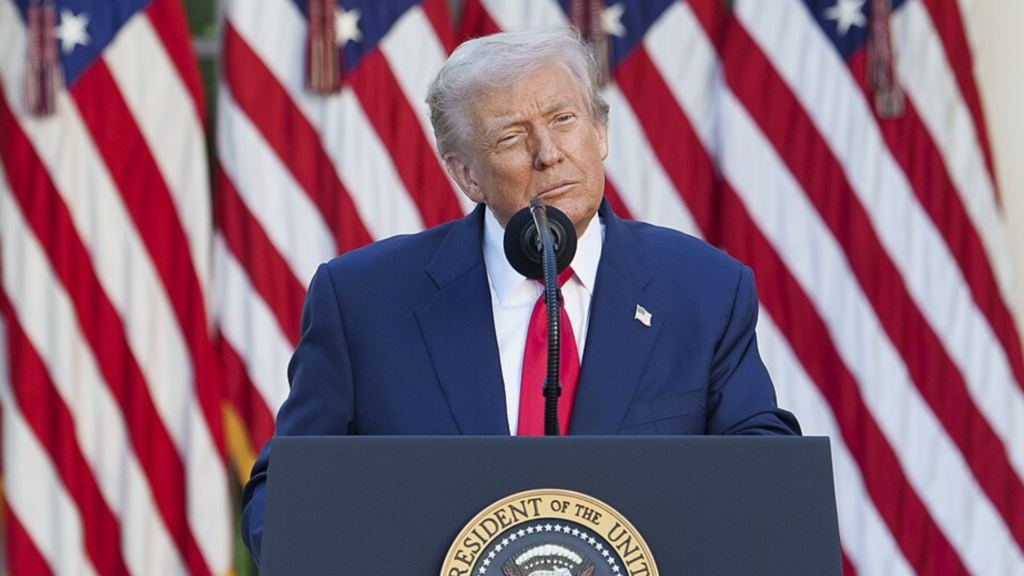
The controversy began during Trump’s October 5 rally in Nebraska, where he discussed the economic consequences of the ongoing conflict with Iran, including rising fuel prices. Trump argued that higher costs were a small price to pay for national security, then said Iran could “take out” Los Angeles or San Diego. The comments drew criticism because they appeared to describe the destruction of major American cities as a potential cost of the conflict. The White House later defended the remarks, saying Trump was explaining why preventing Iran from obtaining nuclear weapons was important, rather than encouraging an attack on U.S. cities.
Kimmel Called the Comments Reckless and Indefensible
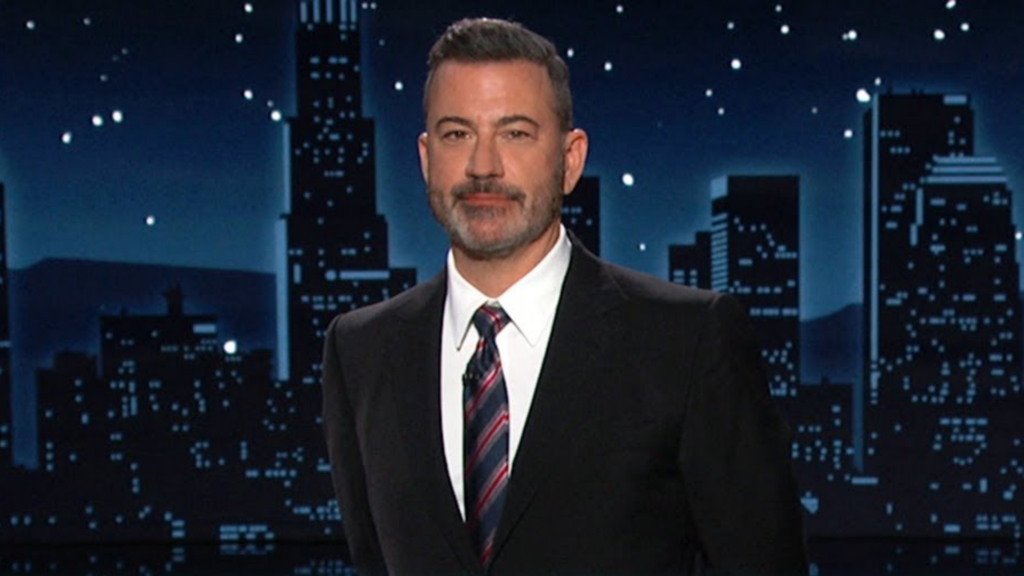
During his October 6 monologue, Kimmel condemned Trump’s statements and described them as among the most indefensible remarks he had heard from the president. He questioned how Trump could openly discuss the possibility of Iran striking American cities while members of the rally audience cheered. Kimmel also used sarcasm to highlight what he viewed as the contrast between Trump’s rhetoric and the administration’s claims to be protecting Americans. His comments quickly became part of the wider public debate surrounding the president’s language and the consequences of political speech.
The FCC Joke Turned the Controversy Around
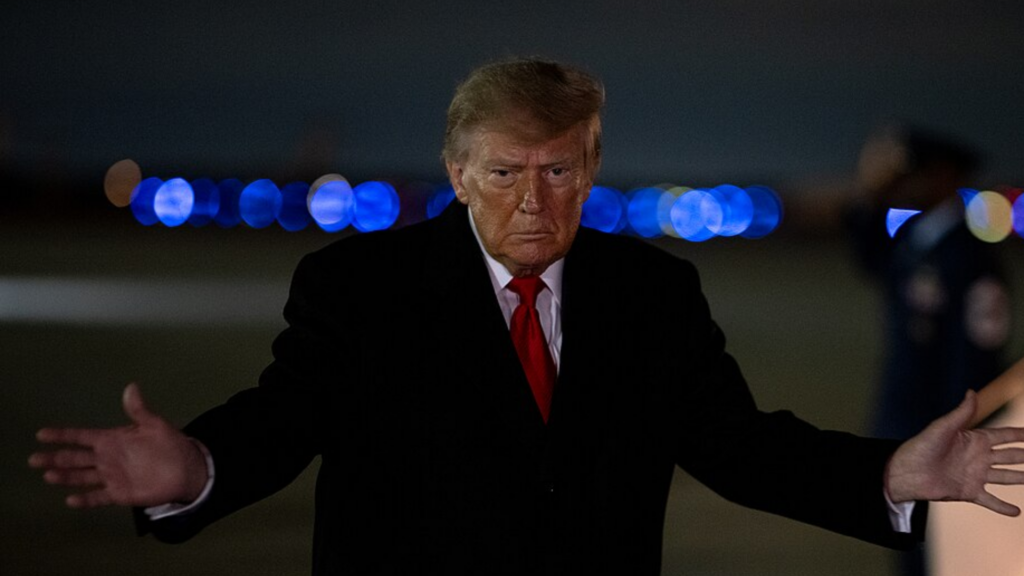
Kimmel’s most pointed moment came when he announced that he was going to report Trump to the FCC. The joke referenced the commission’s scrutiny of television broadcasters and the controversy surrounding Kimmel’s own program. By suggesting that the president should face the kind of attention that has worried late-night television, Kimmel turned the issue into a satirical reversal. The punchline was not an actual report or formal complaint, but a joke intended to draw attention to what he sees as a double standard in how political remarks are judged.
He Compared Trump’s Remarks With the Backlash Over His Own Joke
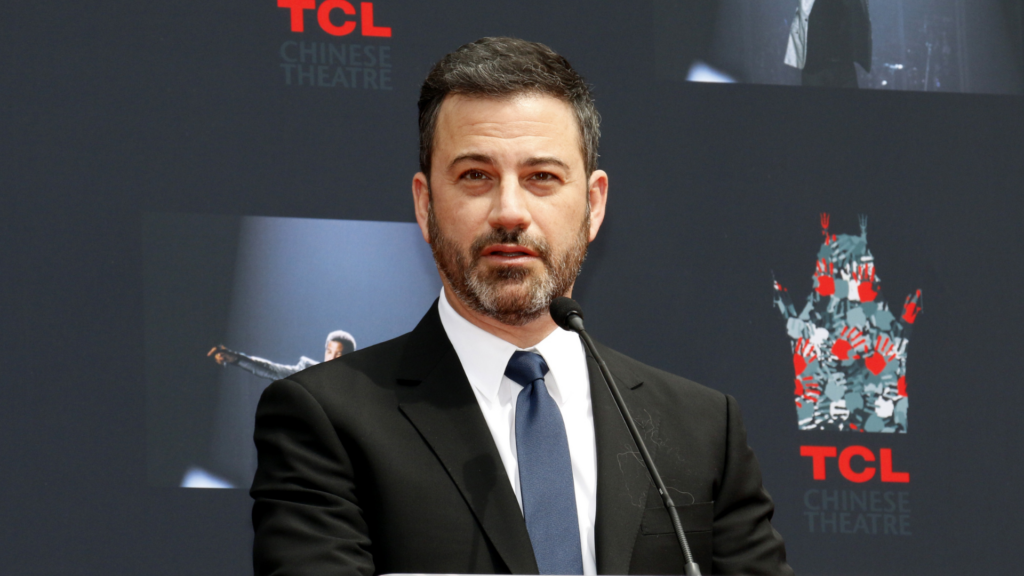
Kimmel also revisited the criticism he received earlier in 2026 for a joke about first lady Melania Trump that referred to her as an “expectant widow.” The joke was made shortly before a shooting incident at the White House Correspondents’ Association dinner, and Trump and conservative commentators condemned it as dangerous and inappropriate. Kimmel argued that people who had characterized his words as violent should also be concerned about Trump’s comments concerning American cities. By placing the two controversies side by side, he framed his criticism around perceived inconsistencies in how political rhetoric is treated.
The White House Defended Trump’s Meaning
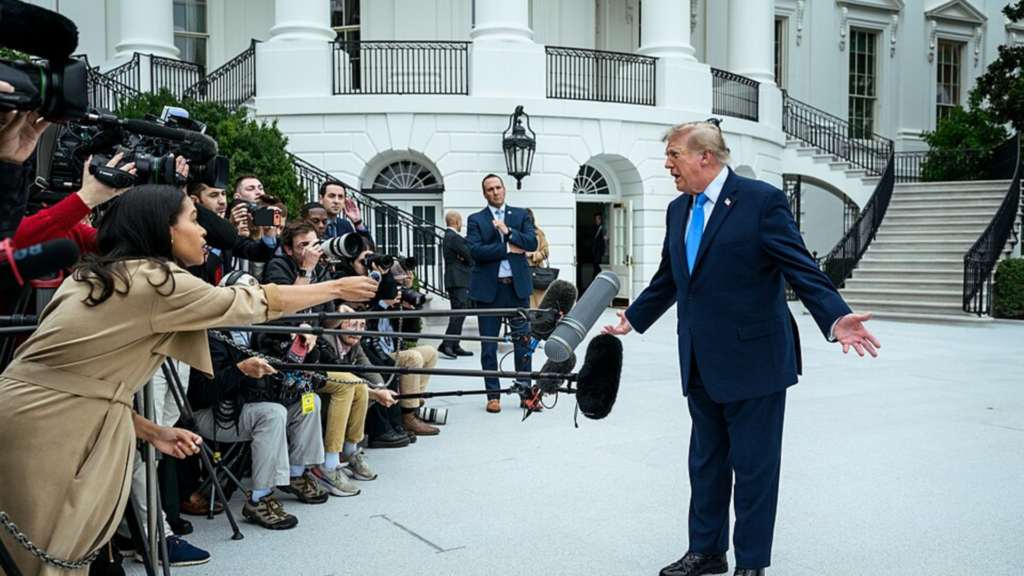
The White House rejected the interpretation that Trump was inviting Iran to attack American cities. Communications Director Steven Cheung said the president was explaining that U.S. cities could have faced threats if Iran had been allowed to develop nuclear weapons. The administration’s explanation focused on Trump’s broader argument that the economic effects of the conflict were justified by the goal of protecting the country. Critics, however, said the wording was alarming, particularly because it named two major cities and came as the conflict was already affecting Americans financially.
The FCC Has Become a Larger Part of Kimmel’s Dispute With Trump
The joke landed amid an ongoing dispute involving Kimmel, ABC and the FCC, the federal agency responsible for regulating broadcast communications. In September 2026, Kimmel’s interview with Texas Democratic Senate candidate James Talarico was moved to YouTube rather than aired on ABC amid concerns about FCC policy. Kimmel said the commission had threatened his show, network and local affiliates, while a White House spokesman disputed claims that the administration had pressured the program. The dispute has raised broader questions about political interviews, broadcast regulations and whether government oversight could influence editorial decisions.
The Controversy Highlights Concerns About Political Speech
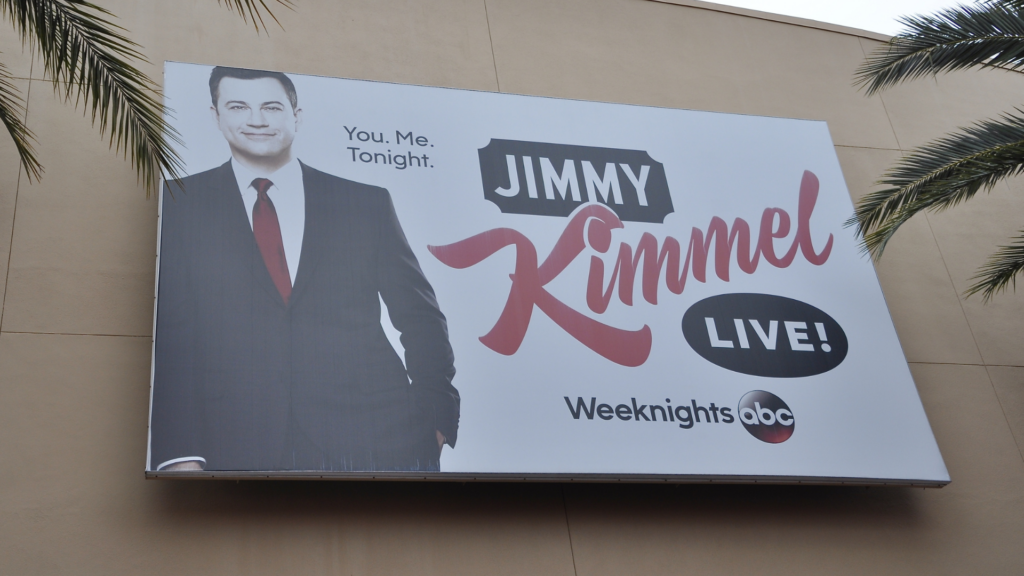
The dispute reflects a larger argument over where political criticism, satire and potentially dangerous rhetoric should be judged differently. Comedians regularly use exaggeration and irony to challenge public figures, while critics of political leaders argue that powerful officials should be held accountable for the language they use. At the same time, the meaning of Trump’s comments depends on their broader context, including his argument that the war was intended to prevent a future threat from Iran. The disagreement shows how the same words can prompt sharply different interpretations depending on political perspective and the circumstances surrounding them.
Kimmel’s California Punchline Added Another Layer to the Feud
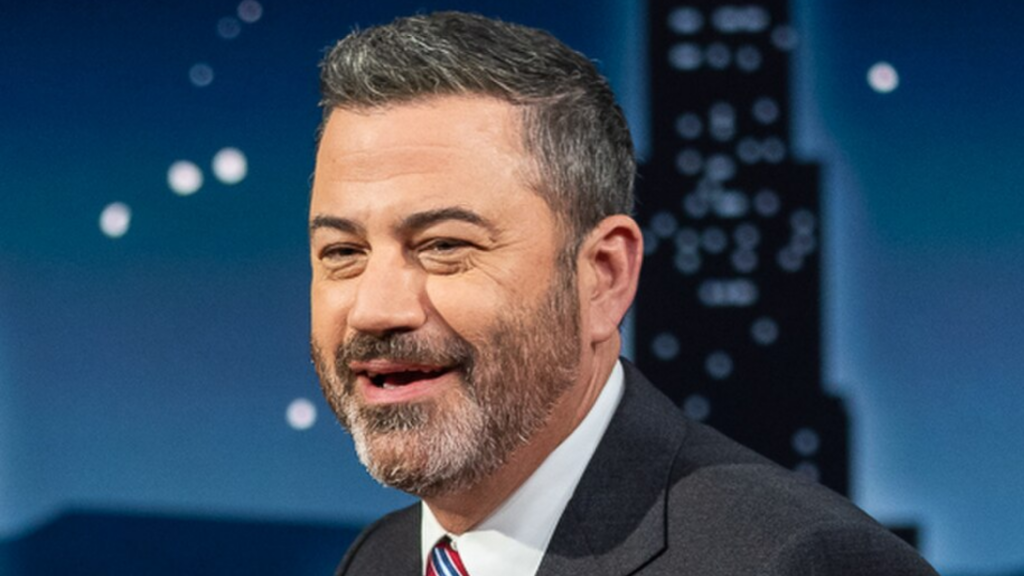
Kimmel also took a swipe at Trump by suggesting that the president’s dislike of California had a personal explanation involving Governor Gavin Newsom and the first lady. The quip followed Newsom’s public condemnation of Trump’s comments, which he described as dangerous. It was another example of Kimmel blending political criticism with personal humor, a style that has kept his clashes with Trump in the public spotlight. The joke added entertainment value to a monologue that was otherwise focused on the serious implications of the president’s remarks.
The Clash Shows No Sign of Ending Soon
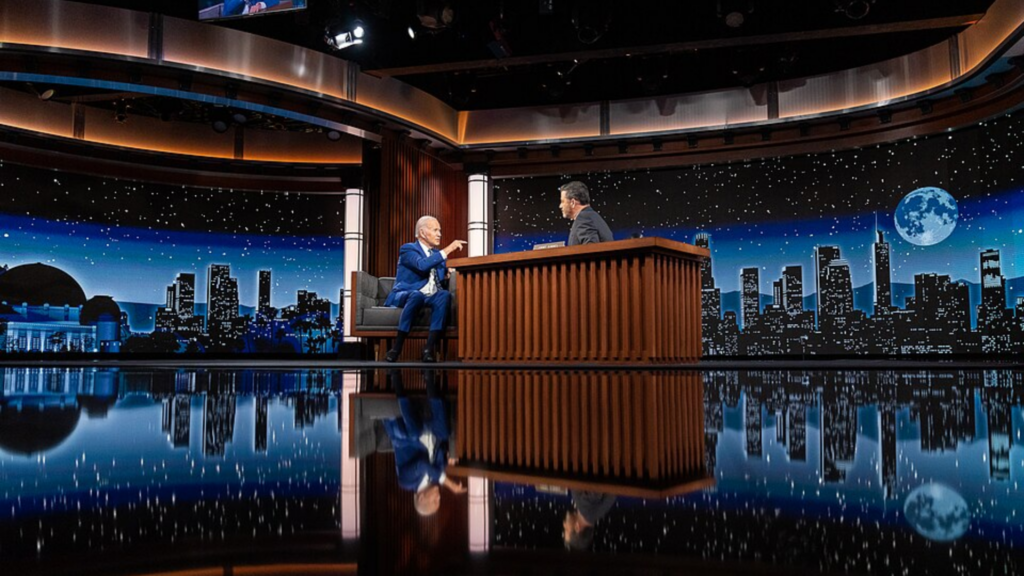
Kimmel’s FCC punchline has become another chapter in his long-running public feud with Trump, bringing together questions about presidential rhetoric, comedy and government oversight of television. The White House maintains that Trump’s comments were intended to emphasize the importance of preventing Iran from threatening American cities, while Kimmel and other critics argue that the wording deserved serious condemnation. Meanwhile, the dispute involving ABC and the FCC has made the relationship between political power and broadcast media an increasingly visible issue. As both sides continue to challenge each other’s statements, the controversy illustrates how late-night comedy has become part of a much broader national debate.