


Products are selected by our editors, we may earn commission from links on this page.

At a Southern California aerospace plant, a storage tank holding approximately 7,000 gallons of a highly flammable chemical began overheating and releasing vapors. When emergency responders arrived at GKN Aerospace in Garden Grove, they moved quickly to drain or neutralize the chemical inside. Then they discovered the pressure relief valve had seized shut. There was no way to drain it. No way to relieve the pressure. And the chemical inside, methyl methacrylate, becomes more volatile and more explosive the hotter it gets. Evacuation orders went out to roughly 50,000 people across a nine-square-mile zone. Officials published blast radius maps. The question was not whether the tank would fail but how badly it would when it did.
What Methyl Methacrylate Is and Why It Is So Dangerous
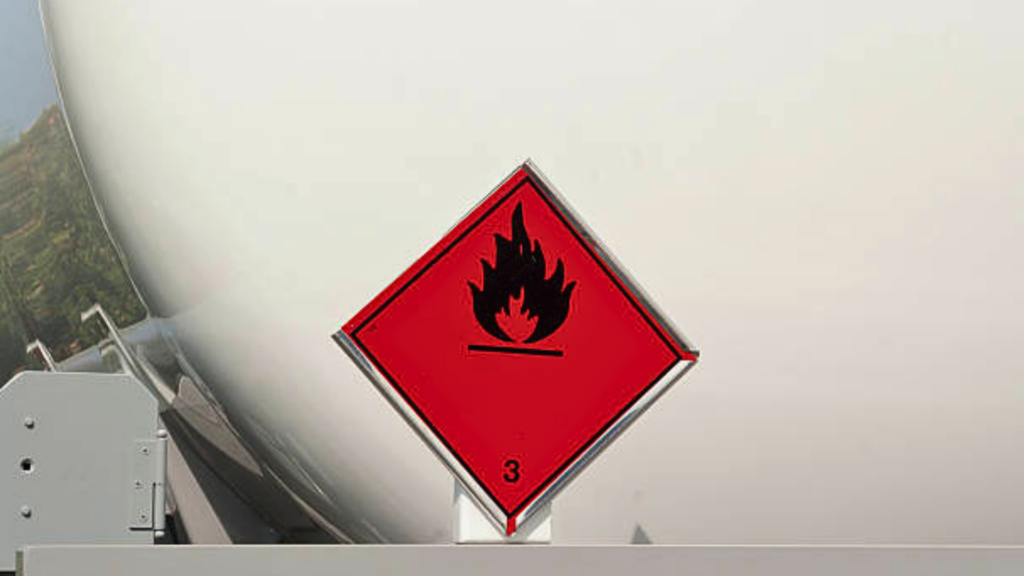
Methyl methacrylate is a clear, colorless liquid monomer used to manufacture plastics and resins, including components for commercial and military aircraft. It is both highly flammable and highly volatile, with a flashpoint of just 50 degrees Fahrenheit, meaning it can ignite at temperatures as low as 10 degrees Celsius. When it reacts, it does so exothermically, releasing heat that further accelerates the reaction in a process called thermal runaway. Left unchecked, that runaway reaction increases pressure inside a sealed tank until it ruptures or explodes. Exposure to the chemical can cause respiratory problems, skin and eye irritation, nausea, dizziness, and at high concentrations, loss of consciousness.
The Broken Valve That Made Everything Worse
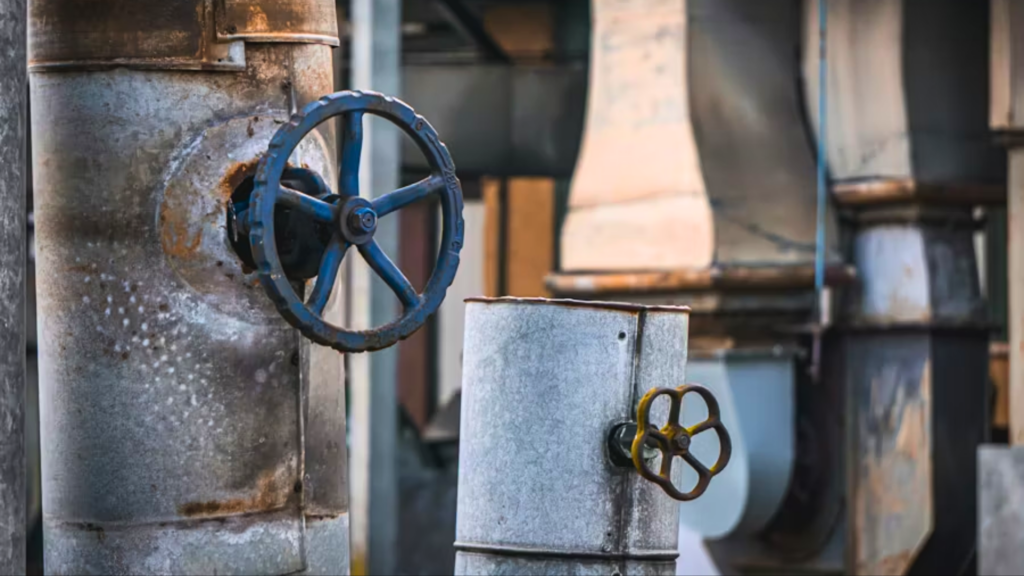
When first responders arrived at GKN Aerospace, their immediate priority was to drain or neutralize the chemical inside the tank to stop the reaction. That option was eliminated by the condition of the pressure relief valve, which had seized due to the chemical reaction occurring inside. Officials described the valves as broken or gummed up, preventing crews from either removing the chemical or relieving the mounting pressure. Orange County Fire Authority Division Chief Craig Covey said publicly that there was no guarantee the tanks would not breach and leak, and that simply waiting and allowing them to fail was unacceptable. The task became one of managing an uncontrollable chemical reaction from the outside.
Three Tanks, Two Problems
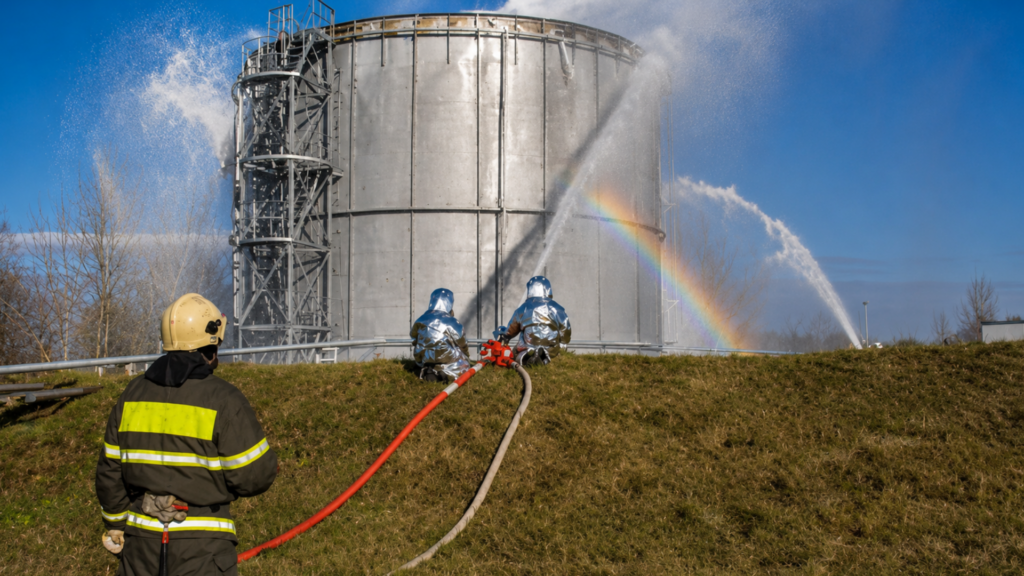
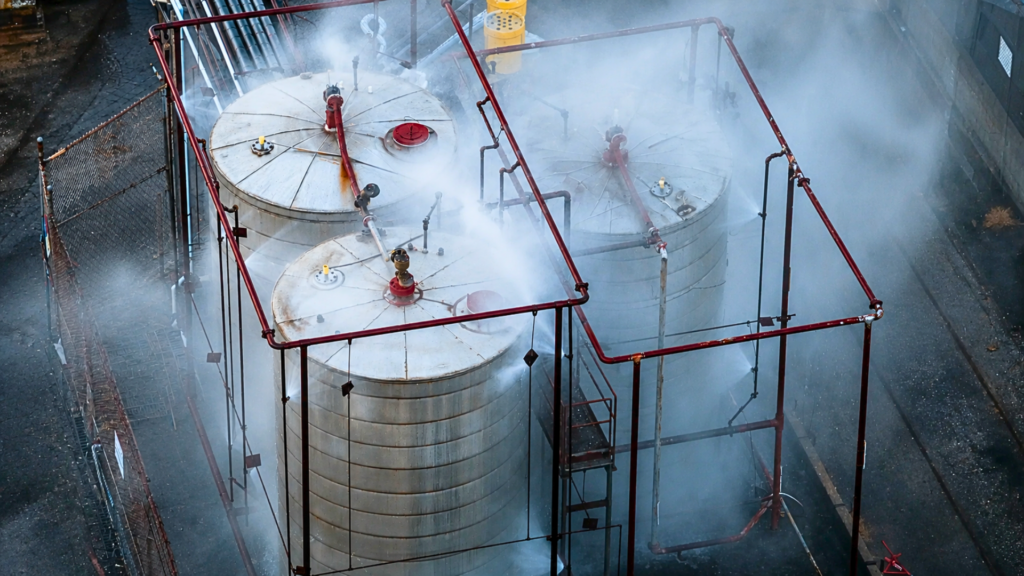
An internal emergency briefing memo cited by ABC News revealed that three tanks at the GKN Aerospace site were involved. Tank number one, the most compromised, had the seized valve and was the primary focus of emergency operations. Tank number two contained the same chemical and became a secondary concern. Emergency responders added a neutralizing agent to Tank number two in an effort to prevent a chain reaction from spreading between the two containers. Tank number two appeared structurally sound according to the memo. The simultaneous management of multiple affected tanks added complexity to an already difficult operational environment for the Orange County Fire Authority.
50,000 People Ordered Out Over a Nine-Square-Mile Zone
The evacuation order ultimately covered approximately 50,000 residents across a nine-square-mile area including parts of Garden Grove, Cypress, Stanton, Anaheim, Buena Park, and Westminster. Evacuation shelters opened at multiple locations including high schools and community centers across the affected zone. Governor Gavin Newsom declared a state of emergency in Orange County, making state resources available to local agencies and allowing state-owned properties and fairgrounds to be used as shelters if needed. Uber offered evacuees free rides up to $40 using a promo code for two trips through Monday. The Cypress city Memorial Day event at Forest Lawn Memorial Park was canceled due to the ongoing incident.
The Worst-Case Scenario Officials Were Preparing For

Purdue University engineering professor Andrew Whelton, who studied the 2023 East Palestine, Ohio train derailment, described three possible outcomes for the tank. The best outcome was successful cooling that stabilized the chemical. A moderate outcome would be a controlled spill that could be largely contained on the ground. The worst case was an explosion, which officials said would cause severe structural damage and significant harm in the immediate blast zone, with moderate damage in a surrounding ring and flash fires or dangerous vapors potentially spreading across a broader area. Orange County Fire Authority officials published blast radius maps showing the projected impact zones for each scenario.
A Temperature Misread Delayed Progress
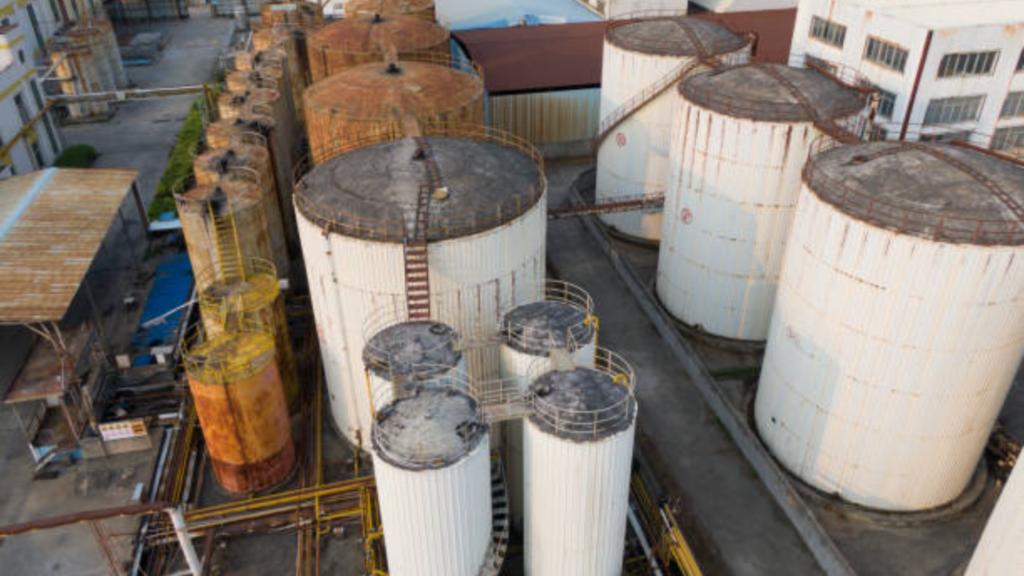
A setback emerged on Saturday when Division Chief Covey acknowledged that readings officials had used the previous day to declare that cooling efforts were working had actually measured the temperature on the outside of the tank, not the inside. When drone-based monitoring corrected the measurement, the internal temperature of the tank had reached over 100 degrees Fahrenheit. The correction was significant because the flashpoint of methyl methacrylate is 50 degrees Fahrenheit, meaning the interior was already well above the ignition threshold. The revelation extended the emergency timeline and reinforced how difficult it was to accurately monitor conditions inside a sealed, pressurized container from a safe distance.
A Crack Appeared, and It Changed Everything
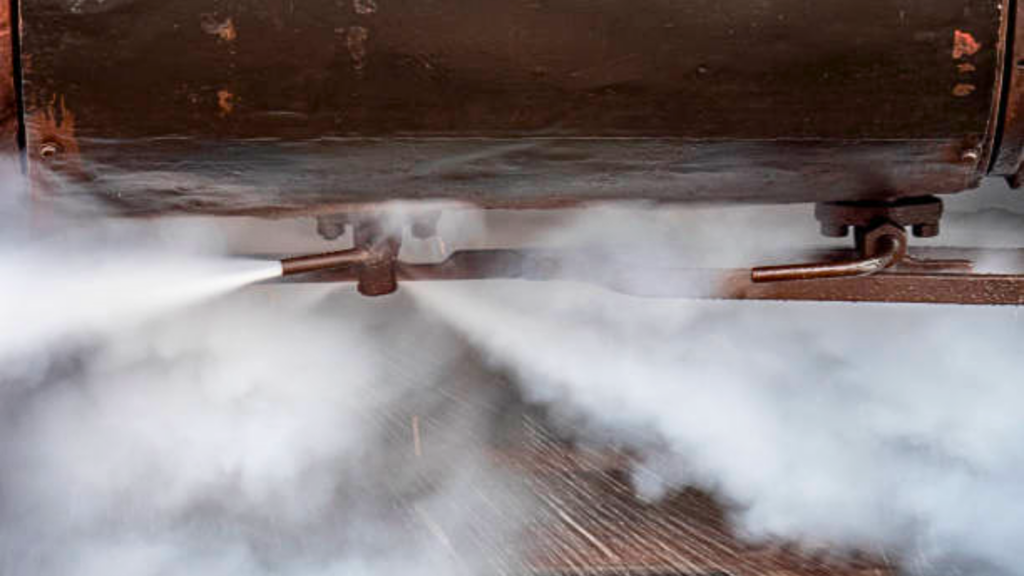
During an overnight operation, a crack was discovered in the compromised tank. In a development that would normally sound alarming, officials described it as potentially positive news. The crack allowed pressure to release in a controlled manner rather than building to a catastrophic point. Orange County Fire Authority Interim Chief TJ McGovern announced that the threat of a BLEVE, a Boiling Liquid Expanding Vapor Explosion, had been eliminated. “We are happy to report that the threat of a BLEVE is now off the table,” McGovern said. The controlled crack had done what firefighters could not accomplish through external efforts alone, releasing enough pressure to bring the worst-case scenario off the board entirely.
GKN Aerospace Had Prior Regulatory Issues
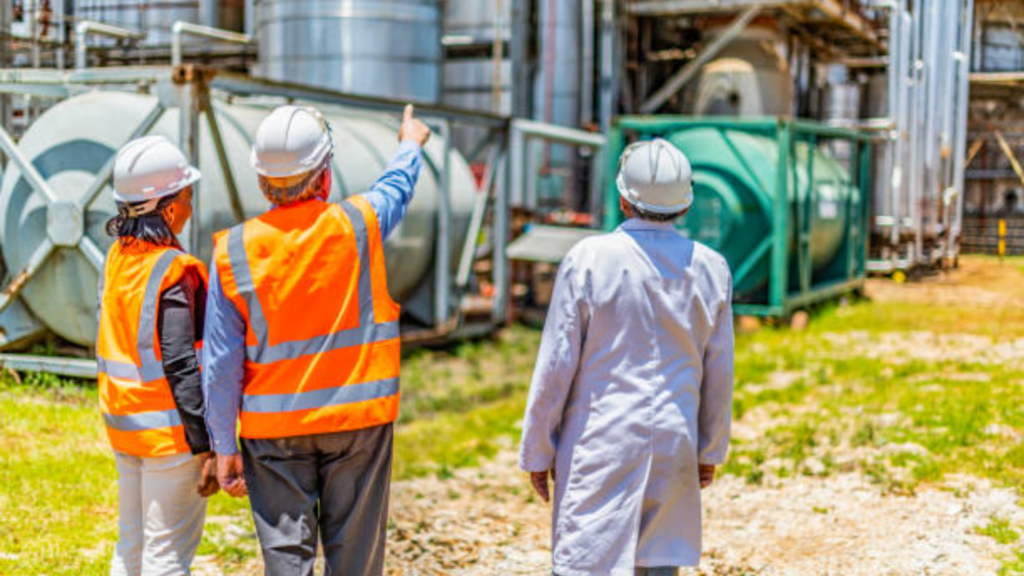
The incident drew attention to GKN Aerospace’s regulatory history. According to a report on the South Coast Air Quality Management District website, GKN agreed to pay state regulators over $900,000 in 2025 to settle violations involving recordkeeping, permitting issues, and nitrogen oxide emissions. Those violations predated the current emergency by less than a year. GKN issued a public statement during the incident saying the company was working closely with local, state, and federal agencies and that its priority remained the safe resolution of the situation so residents could return home as quickly as possible. Federal authorities including the EPA were also monitoring the scene throughout the emergency.
The Explosion Risk Is Gone. The Questions About What Happened Are Just Beginning.
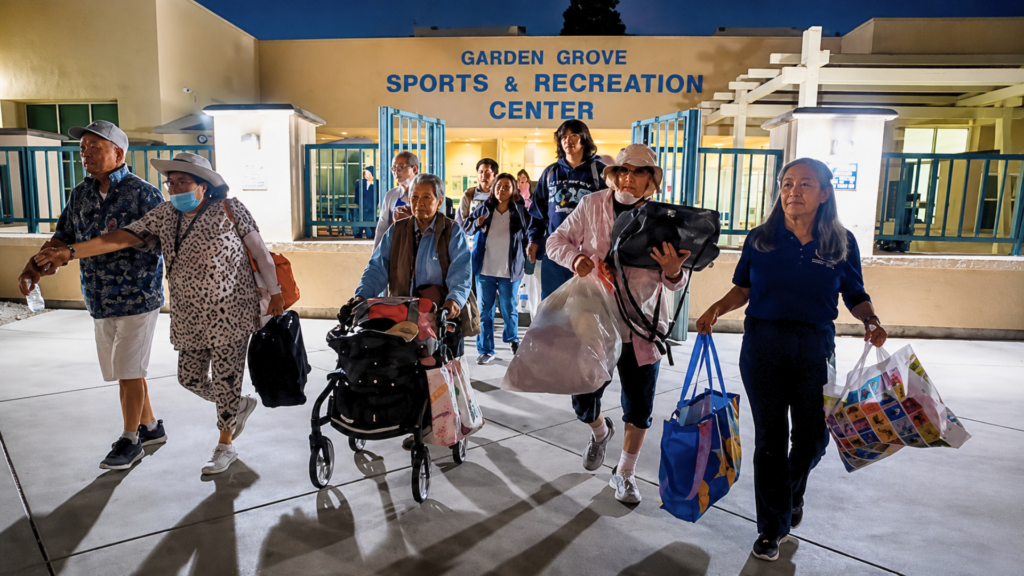
With the BLEVE threat eliminated, attention will shift toward understanding how the tank reached this point and what prevented an earlier resolution. The cause of the original temperature increase remains unclear. Fifty thousand people spent Memorial Day weekend away from their homes. Prior regulatory violations at the site raise questions about maintenance and oversight practices. Experts have already noted that if any chemical reaches the surrounding environment, standard air quality tests may not detect methyl methacrylate specifically and that indoor air testing of homes may be needed before residents return. The immediate crisis is over. The investigation into how it happened is just getting started.