

Products are selected by our editors, we may earn commission from links on this page.
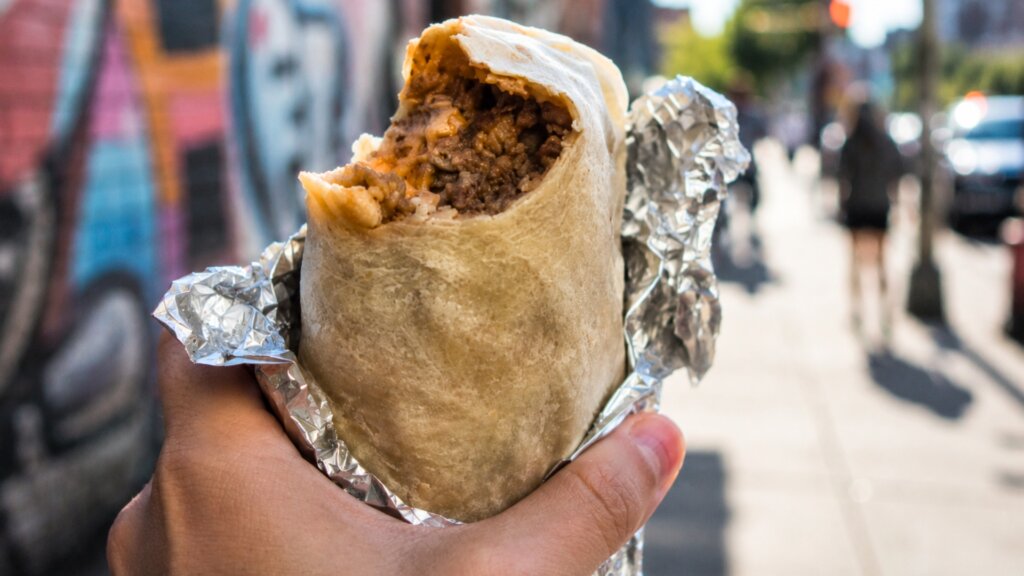
While headlines this week covered flat job numbers, confirmation votes and tensions in the Strait of Hormuz, conservatives online turned on each other over something smaller: the price of a burrito. The fight sounds trivial. It isn’t. Eighteen months into Donald Trump’s second term, it’s forcing Republicans to answer a question they’d rather avoid: what do you tell voters who say they can’t afford to eat anymore?
This article was created with the assistance of AI and reviewed by our editorial team for accuracy and clarity.
A College Student’s Complaint About $20 Burritos Started It All

A spokesperson for Turning Point USA, the youth-focused conservative group, shared a comment he said came from one of the organization’s college students. “A burrito shouldn’t cost $20,” Andrew Kolvet tweeted, adding, “It just feels like basic things cost too much.” It was a simple, relatable gripe about affordability. Within hours, prominent conservative voices were tearing into the sentiment instead of the price tag.
Dan Crenshaw and Ben Shapiro Tell Young Americans to Stop Whining

Rep. Dan Crenshaw had a blunt response: “Stop whining, get a job, eat Ramen like the rest of us did in college.” Ben Shapiro, apparently assuming the student wanted a handout, wrote that the country has “enough problems… without insane expectations that the government is going to provide us with gourmet-quality burritos.”
Washington Post Columnist Marc Thiessen Says He Lived on Ramen and Two Jobs
Thiessen added his own origin story to the pile-on. He wrote that after graduating, he lived on ramen noodles, shared an apartment with two roommates, and worked two jobs, without complaining about affordability. Fox Business ran a segment the same week accusing Gen Z of overspending on “little treats.” The dietary-advice defense was spreading fast across conservative media.
Vice President JD Vance Breaks From His Own Party’s Messaging
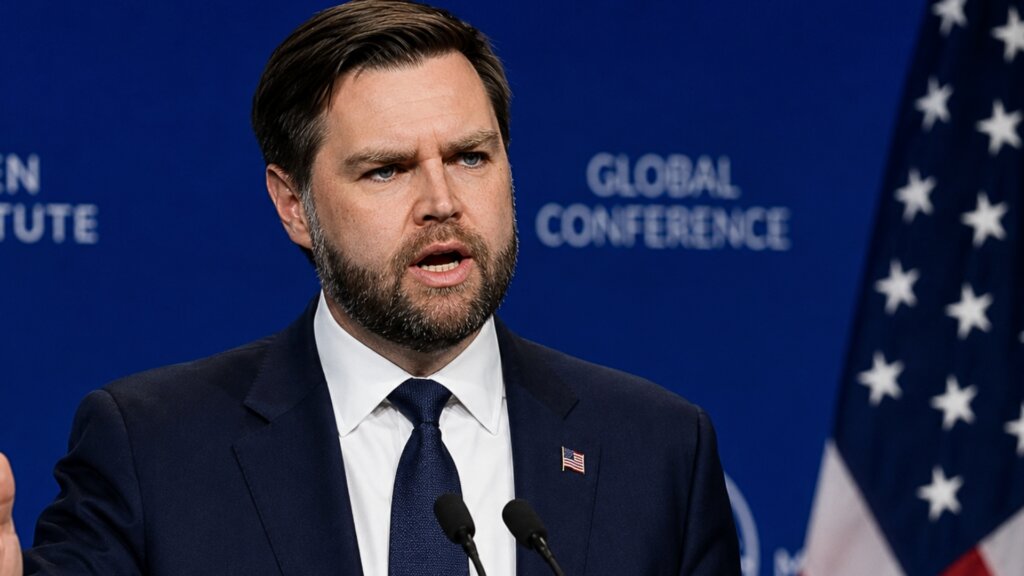
Not every Republican was on board. Vance publicly criticized Thiessen’s response, siding, at least implicitly, with those questioning whether “eat ramen” was an adequate answer to rising grocery bills. His pushback signaled a real split inside the party over how to talk about affordability, one month before a jobs report would make the debate harder to dismiss.
A DeSantis Aide Asks What Happens to Families Who Can’t Afford Groceries

Christine Pushaw, a prominent aide to Florida Gov. Ron DeSantis, pushed back directly on Crenshaw. She asked how his advice applied to young families with kids “struggling to afford groceries because prices have doubled in 10 years while wages haven’t.” Her question reframed the burrito debate as a household budgeting crisis rather than a complaint about lifestyle spending.
UnHerd Editor Sohrab Ahmari Blames Trump’s War With Iran for the Price Spike

Ahmari went further, pointing directly at the administration. He argued commentators were refusing to be honest about “the inflationary effects caused by President Trump’s war with Iran.” It was one of the sharpest breaks from the party line yet, tying rising prices not to personal choices but to a specific foreign policy decision made by the president himself.
Trump Calls the Affordability Crisis a “Con Job” and a “Hoax”
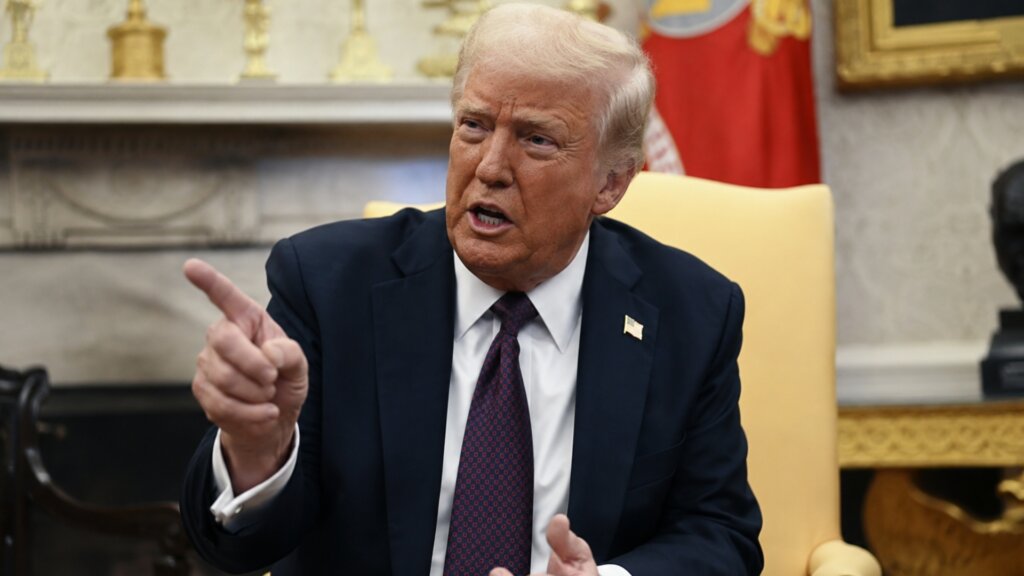
While his allies argued among themselves, Trump offered his own answer: deny it. He has claimed he’s brought down prices “incredibly” and dismissed the affordability crisis as a “con job” and a “hoax.” Treasury Secretary Scott Bessent went on CNBC’s Squawk Box and said he’s “sick” of hearing about a “K-shaped economy,” insisting the term no longer applies.
The July Jobs Report Undercuts the Administration’s Optimism

The numbers told a different story. The economy shed 23,000 jobs in July, and prior estimates for May and June were revised down by a combined 103,000 jobs. Labor force participation kept falling as demand for workers weakened, and wage growth continued trailing inflation. When the New York Times asked Treasury what data backed Bessent’s claim, the department didn’t respond.
A $100 Caviar Hot Dog Sold Out While Republicans Argued Over Burritos
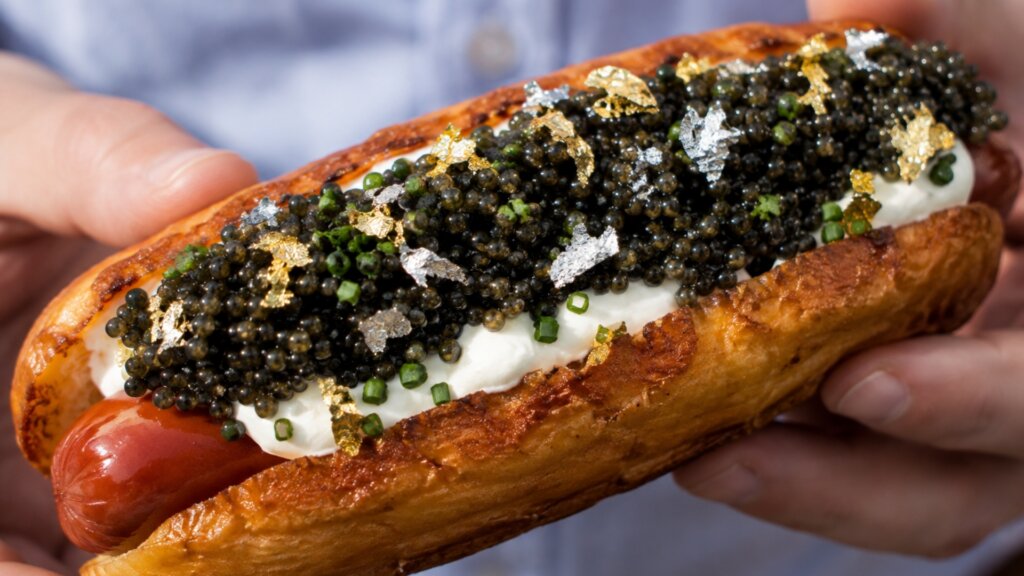
As the debate raged online, the stock market hit a record high and corporate profits kept climbing, strengthening the position of those already winning. The Wall Street Journal reported that a $100 hot dog stuffed with caviar sold out at Formula One’s Miami Grand Prix and at the Miami Open tennis tournament, the same week Americans were being told to stop complaining about $20 burritos.
The $20 Burrito Joins a Long List of Spending Scapegoats
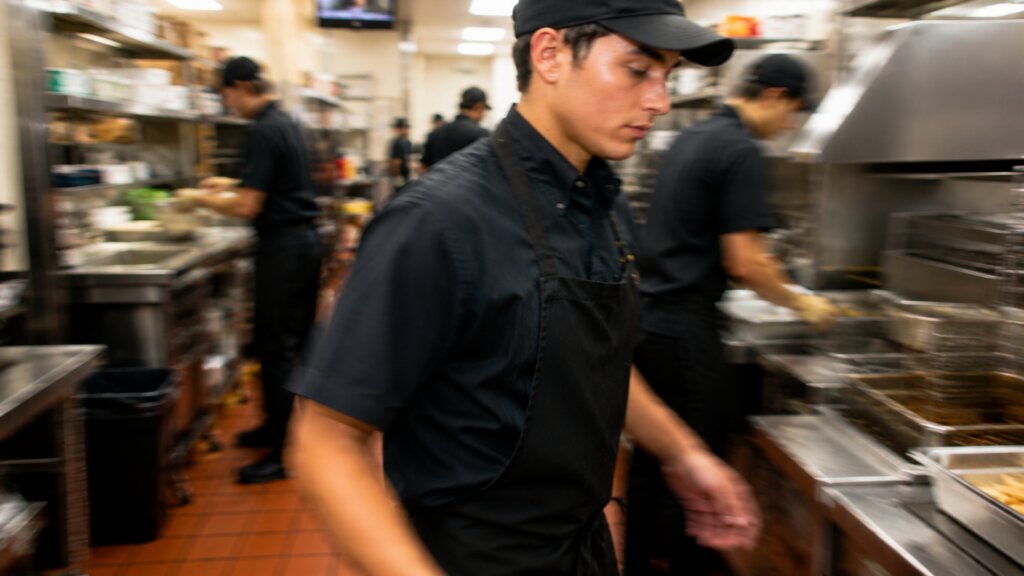
The burrito now sits alongside avocado toast and fancy coffee on the list of expenses conservatives have used to dodge affordability complaints. Americans polled by Gallup remain broadly pessimistic about the economy, and Glassdoor’s monthly data shows employee confidence at record lows. People asking for financial relief are being met with financial scolding instead, a mismatch that carries real political risk heading into the next election cycle.