

Products are selected by our editors, we may earn commission from links on this page.
What if the next bill in your wallet wasn’t a $20 or $100 note, but a $250 bill featuring the face of a sitting U.S. president? That possibility is now being openly discussed after Treasury officials confirmed they are preparing to create a commemorative $250 note featuring President Donald Trump’s portrait. While the proposal remains far from becoming law, it has already sparked debate about tradition, politics, and the future of U.S. currency.
Treasury Says It Is Preparing, Not Printing
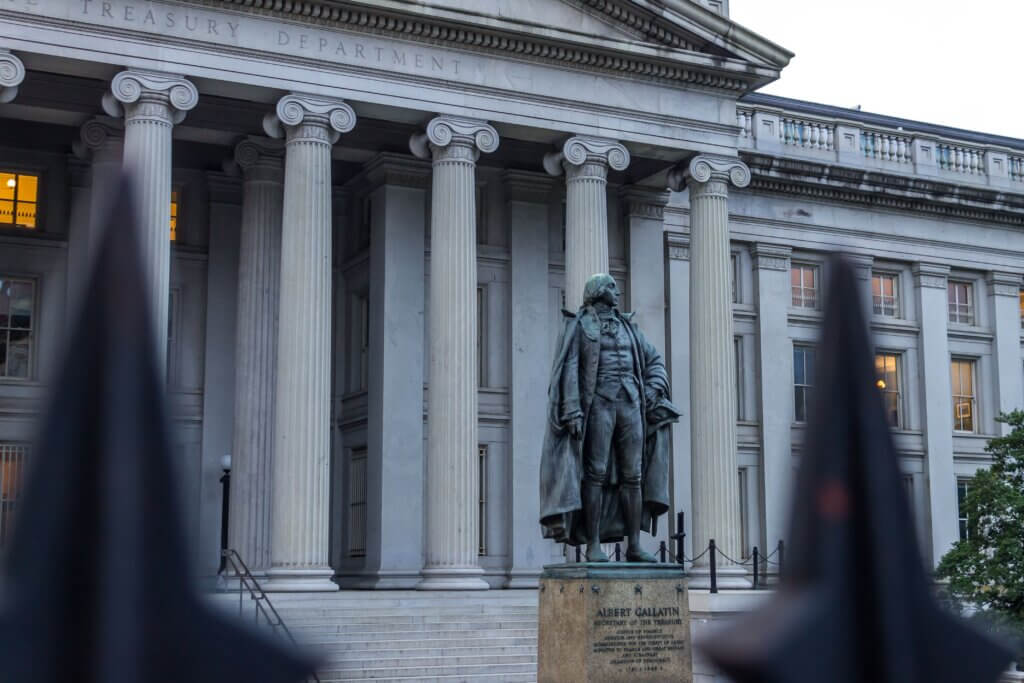
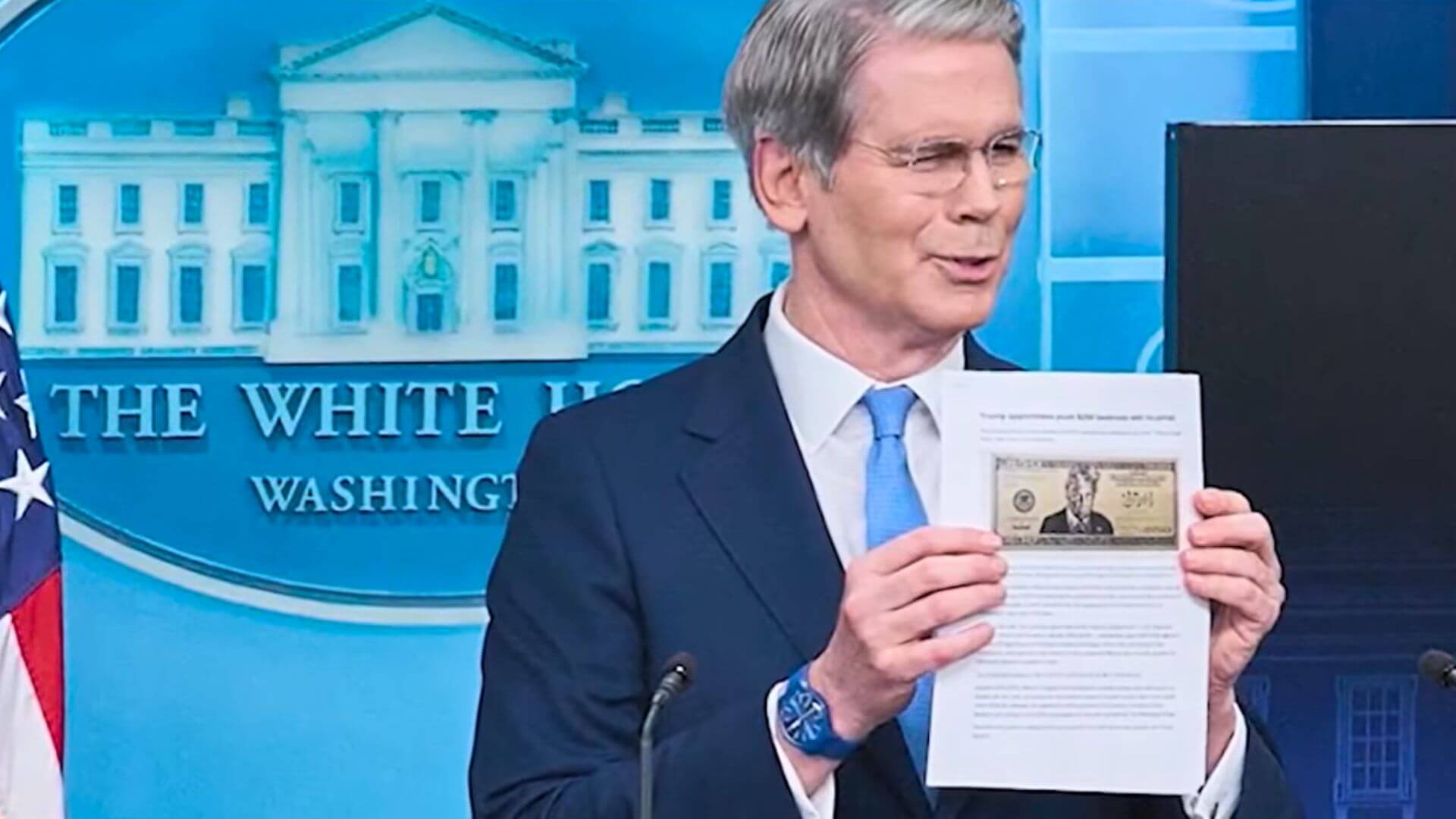
The Treasury Department has emphasized that no new bill has been approved yet. Instead, officials say the Bureau of Engraving and Printing is conducting planning and due diligence in case Congress eventually authorizes the note. Treasury Secretary Scott Bessent explained that the department routinely prepares for legislative possibilities so it can move quickly if a proposal becomes law. The preparation process includes studying production requirements, design considerations, and legal constraints that must be addressed before any note can enter circulation.
A Longstanding Law Stands in the Way

The biggest hurdle is a federal law that prohibits living individuals from appearing on U.S. currency. That rule has been in place since the 19th century and has helped establish a tradition of honoring historical figures only after their deaths. During a White House briefing, Bessent noted that Congress would have to change the law before Trump could legally appear on a banknote. If lawmakers do not act, the proposal cannot move forward regardless of Treasury preparations.
The Congressman Who Started the Effort

The proposal originated with Republican Representative Joe Wilson of South Carolina, who introduced legislation directing the Treasury Department to issue $250 Federal Reserve notes featuring Trump’s portrait. Wilson has argued that the denomination would serve as a fitting tribute during America’s 250th anniversary celebrations. Despite attracting several Republican co-sponsors, the bill has remained stalled in the House Financial Services Committee and has not yet advanced to a full congressional vote.
Why Choose a $250 Bill?
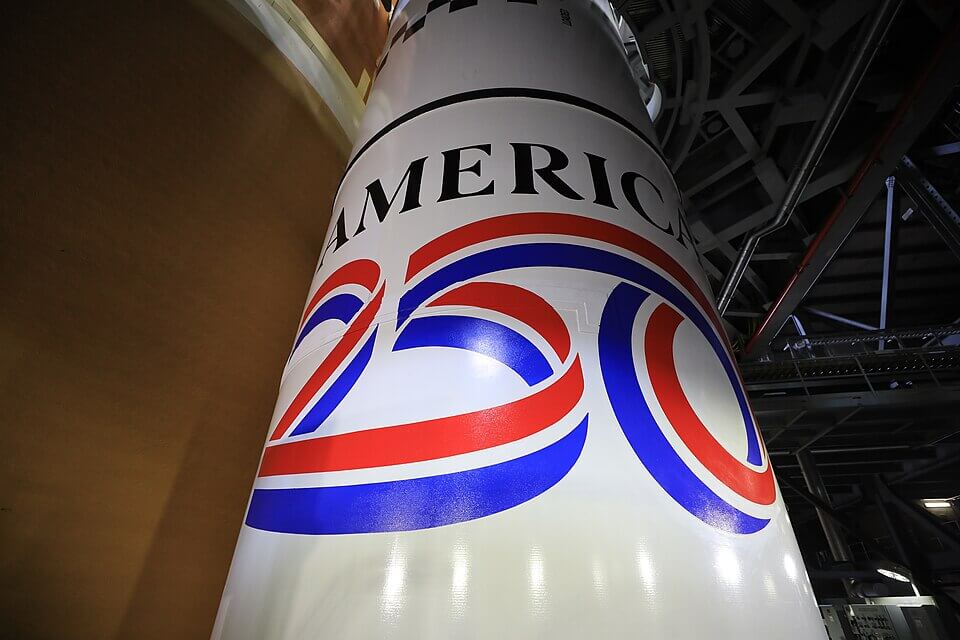
Supporters say the denomination is symbolic rather than practical. The figure aligns with the nation’s 250th anniversary, which will be celebrated across the country through special events, commemorative programs, and government initiatives. Backers argue that a $250 note would serve as both a collectible item and a tribute to the milestone. Critics, however, question whether a denomination that has never existed in modern circulation serves any meaningful economic purpose.
Another Legal Challenge Few People Notice

Changing the portrait rule may not be enough. Federal law also specifies the denominations that the Treasury is authorized to produce, and $250 is not currently on that list. The largest bill printed today is the $100 note featuring Benjamin Franklin. Although larger denominations such as $500, $1,000, and even $10,000 bills once existed, they were discontinued decades ago. Creating a $250 bill could therefore require Congress to modify multiple sections of federal law.
What Could the Bill Actually Look Like?
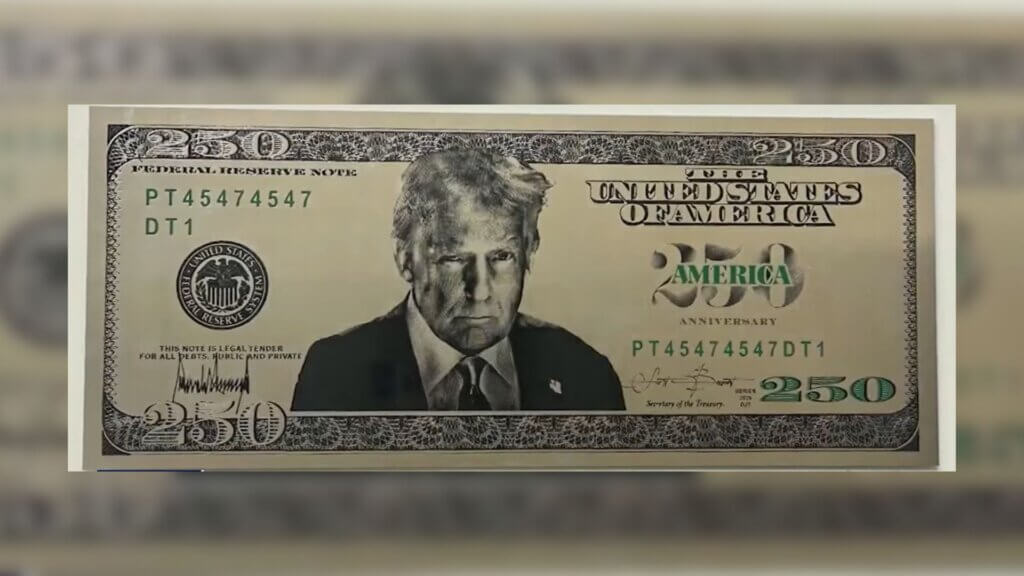
No official design has been released, and Treasury officials stress that any images circulating online are unofficial. Still, concept artwork has emerged through supporters of the proposal. Some mock-ups place Trump’s portrait prominently in the center, while others position it similarly to existing U.S. currency layouts. Treasury officials note that genuine currency designs typically remain secret until just months before release to reduce counterfeiting risks and prevent confusion among the public.
Critics See a Different Message

Opponents argue that the proposal sends the wrong signal during a period when many Americans remain concerned about housing costs, inflation, health care expenses, and economic uncertainty. Senator Mark Warner criticized the effort, suggesting that government attention would be better spent addressing everyday financial challenges. For critics, the proposal is less about commemorating a national anniversary and more about promoting the image of a sitting president through public institutions.
Part of a Broader Push to Leave a Mark
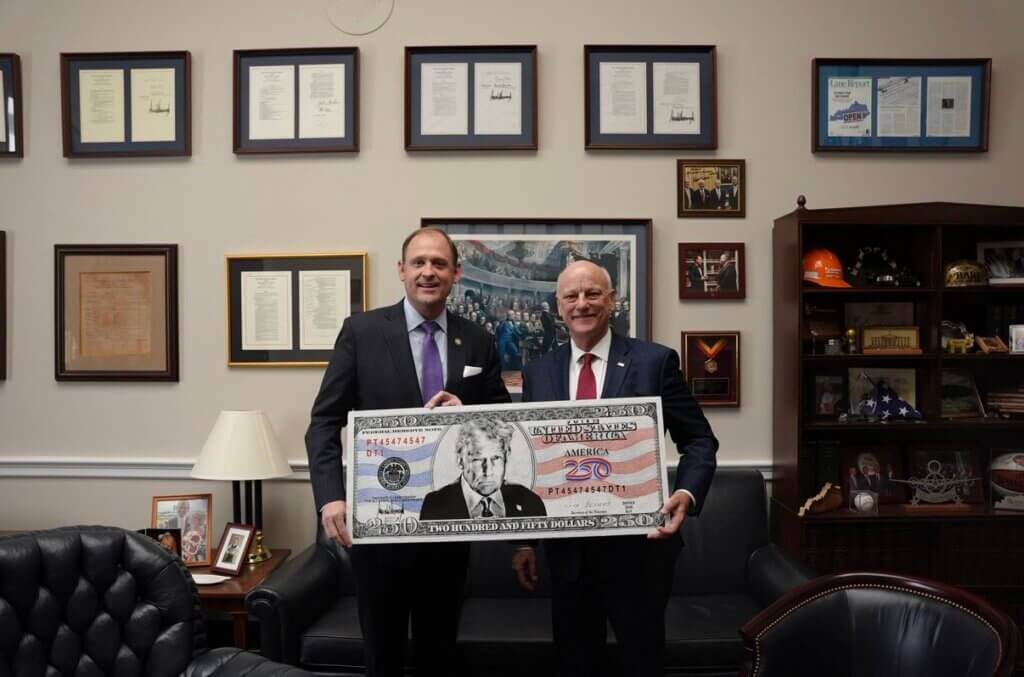
The proposed banknote is only one element of a larger set of America 250 initiatives linked to Trump. Recent announcements have included plans for Trump’s signature to appear on future currency, commemorative passports featuring his image, and other anniversary-related projects. Supporters say these efforts recognize the president serving during a historic national milestone. Critics counter that previous anniversary celebrations focused on national history rather than the individual occupying the White House.
The Decision Ultimately Belongs to Congress
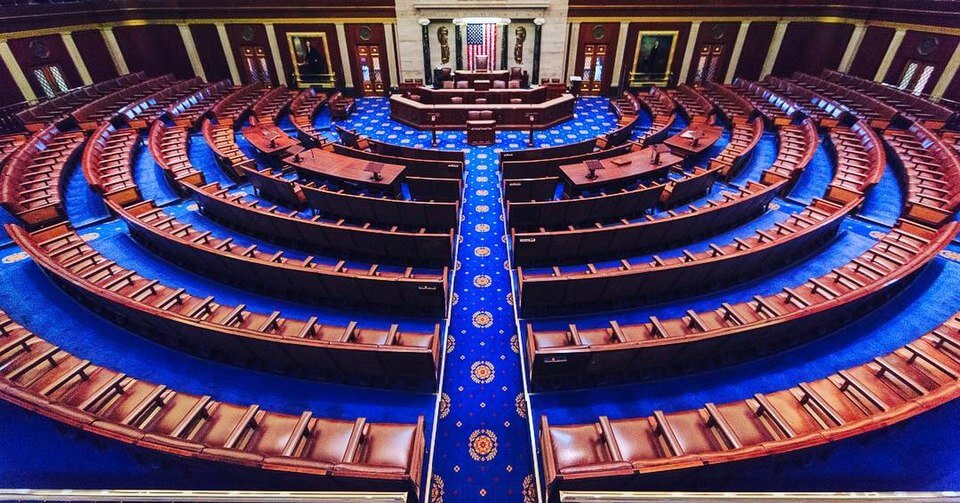
Despite the attention surrounding the proposal, the $250 bill remains far from becoming reality. The legislation must first advance through Congress, where it faces legal questions, political opposition, and uncertain support even among Republicans. Until lawmakers act, Treasury officials can do little more than prepare for a possibility. Whether the proposal eventually becomes a commemorative piece of U.S. currency or remains a symbolic political gesture will be decided not at the Treasury Department, but in the halls of Congress.