

Products are selected by our editors, we may earn commission from links on this page.
Nine justices. Zero dissents. On June 4, 2026, the Supreme Court handed down a unanimous decision that could change how quickly cheaper medications reach American pharmacies. The case, Hikma Pharmaceuticals USA Inc. v. Amarin Pharma, Inc., centered on a narrow but consequential legal question: when can a generic drugmaker be sued for patent infringement if its label never actually lists a protected use? The court’s answer has implications for millions of Americans who depend on affordable prescriptions.
The Unlikely Author at the Center of It All
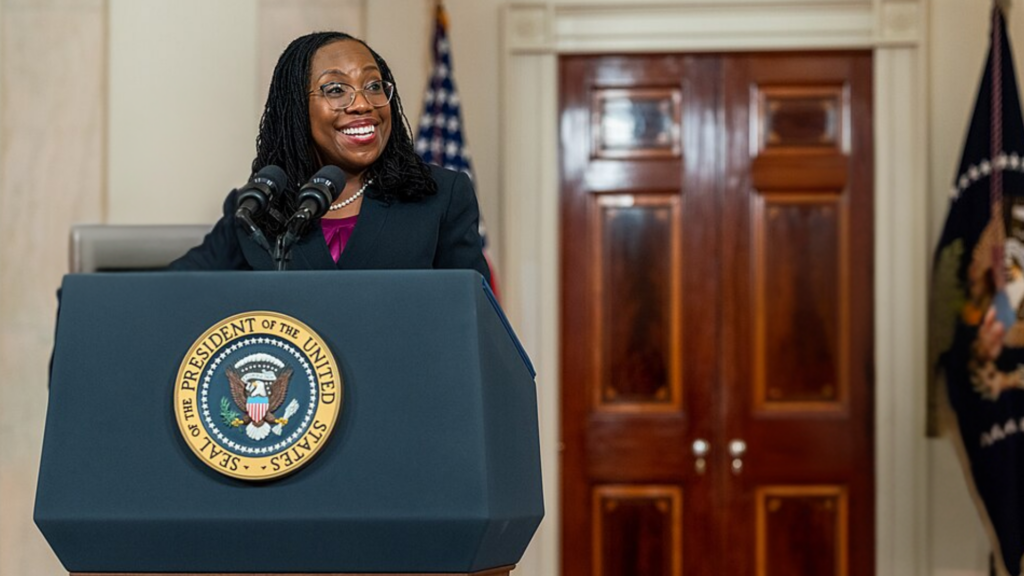
The opinion was written by Justice Ketanji Brown Jackson, a Biden appointee who is arguably the court’s most consistent dissenter. According to SCOTUSblog’s official Stat Pack, Jackson was in the majority in just 72% of cases during the 2024-25 term, the lowest rate of any justice. Her authorship of a ruling joined by all eight of her colleagues, including the court’s six Republican-appointed conservatives, made this outcome all the more striking in a term otherwise marked by frequent ideological division.
The Drug at the Heart of the Dispute
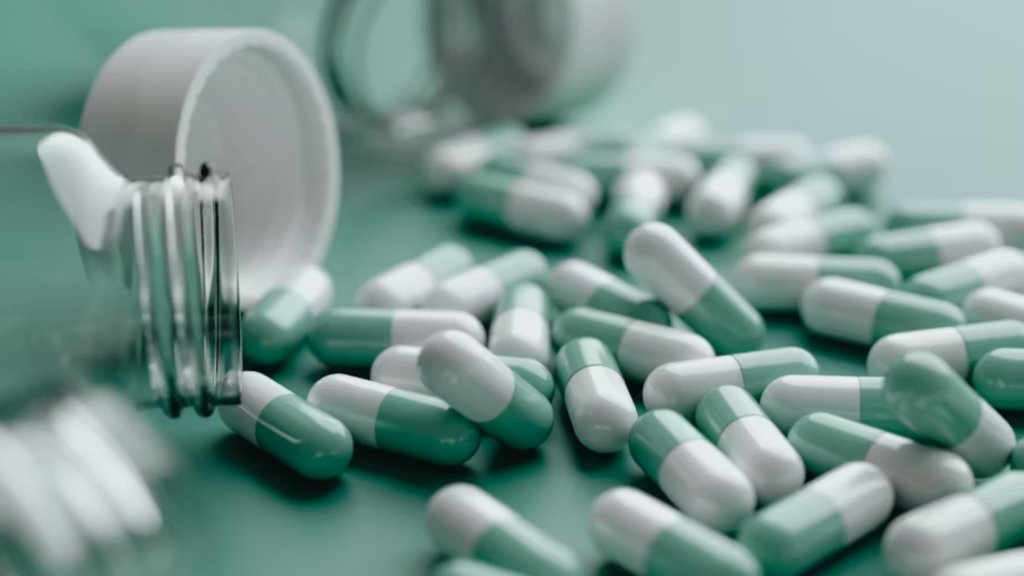
The case revolves around Vascepa, a prescription fish oil-derived drug made by Irish-American company Amarin Pharma. Initially approved in 2012 to treat dangerously high triglyceride levels in the blood, Vascepa later gained FDA approval for a second, broader use: reducing cardiovascular risk such as heart attack and stroke in high-risk patients. That second approval dramatically expanded the drug’s commercial value and became the source of the patent protections Amarin fought to defend. Vascepa is the company’s only product, generating $213.6 million in revenue in 2025.
What a ‘Skinny Label’ Actually Means
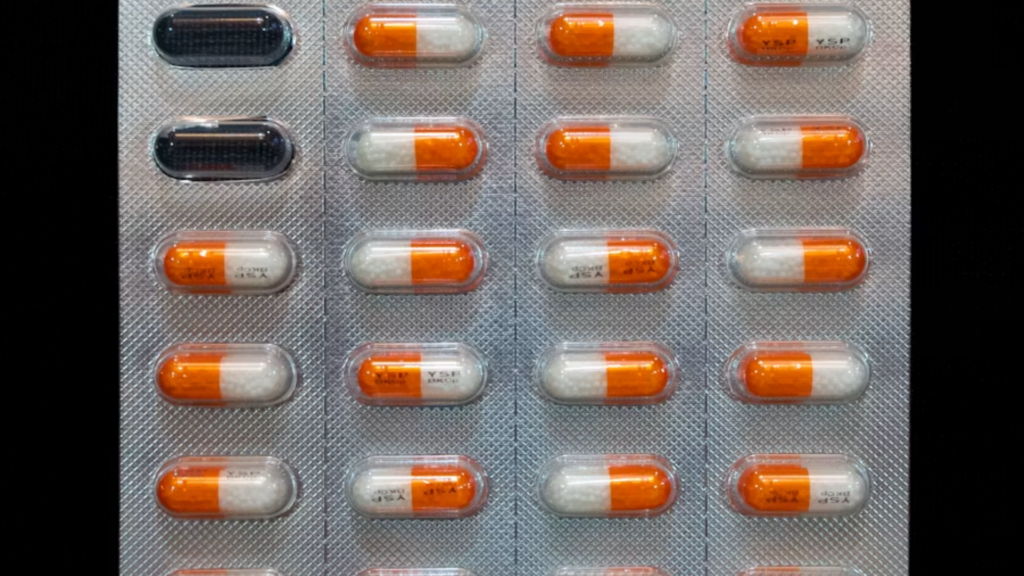
When a drug is approved for multiple conditions, each use can carry its own patent. Once a particular use loses patent protection, federal law allows generic manufacturers to market a lower-cost version for that unprotected use only, with a label that deliberately omits the still-patented ones. This is called a “skinny label,” and it is a cornerstone of the Hatch-Waxman Act, the 1984 law that governs competition between brand-name and generic pharmaceuticals. In this case, Hikma used that pathway to sell a generic version of Vascepa covering only Amarin’s older, unprotected indication.
Why Amarin Said the Label Wasn’t Enough

Amarin argued that Hikma’s skinny label told only part of the story. The company pointed to press releases, website language, and sales figures that described Hikma’s product as a “generic version of Vascepa” or its “generic equivalent,” without clarifying that therapeutic equivalence did not extend to the patented cardiovascular use. Amarin contended this broader messaging effectively encouraged doctors to prescribe the generic for a still-protected indication, regardless of what the label said. Seven other companies had also received approval for Vascepa generics, but Amarin singled out Hikma’s communications as distinct.
The Legal Question the Court Was Asked to Settle

The core issue was whether Hikma’s marketing language constituted “induced infringement,” meaning it actively encouraged doctors to prescribe the generic for a use still under patent. A federal district court originally dismissed Amarin’s lawsuit, but the U.S. Court of Appeals for the Federal Circuit revived it, finding the allegations plausible. That ruling alarmed the generic drug industry, which warned a victory for Amarin would discourage manufacturers from using skinny-label pathways altogether. The Supreme Court agreed to take up the case, and the Trump administration sided with Hikma, arguing the lower court’s standard threatened the intent of the Hatch-Waxman framework.
What Jackson’s Opinion Actually Said
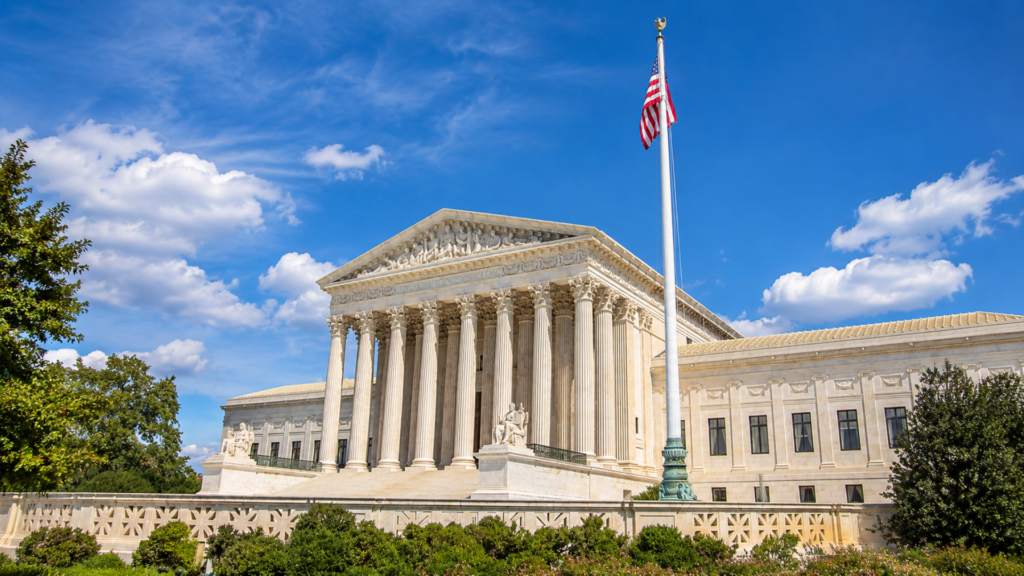
Jackson wrote that Amarin had shown no more than a “sheer possibility” that Hikma’s statements induced infringement, falling short of the legal threshold required for a claim to proceed. She also addressed routine industry practice directly: generic manufacturers routinely describe their products as equivalent to brand-name competitors, and the court declined to treat that standard language as evidence of wrongdoing. As Jackson wrote in the opinion, the court would not put generic manufacturers in a position where following the law and normal industry practice could become the building blocks for a lawsuit.
What This Means for Generic Drug Competition

Generic drugs fill roughly 91% of all U.S. prescriptions while accounting for only about 13% of total drug spending. That gap exists in large part because of skinny-label competition. According to the Association for Accessible Medicines, generic and biosimilar drugs saved patients, employers, and the healthcare system over $3 trillion in the past decade. By removing a significant litigation threat from the skinny-label pathway, the court’s ruling may encourage more generic manufacturers to bring lower-cost alternatives to market without fear of costly patent lawsuits over standard product descriptions.
What Happens Next for the Case and the Industry
The case returns to lower courts, where judges will apply the Supreme Court’s clarified legal standard to assess whether Amarin’s claims can survive under the correct test. The ruling does not end the litigation but substantially narrows what Amarin must now prove. More broadly, pharmaceutical and legal experts expect the decision to reshape how brand-name and generic manufacturers approach the boundary between patent protection and competition. Companies on both sides of that line will be watching how lower courts apply Jackson’s standard as future skinny-label disputes work their way through the system.
A Small Label With Large Consequences

The Supreme Court did not simply resolve a patent dispute between two pharmaceutical companies. It reinforced a principle built into American law since 1984: that the path to affordable medicine must remain open. When generic manufacturers face excessive litigation risk for following FDA rules, the cost falls on patients. This ruling offers a clearer legal footing for the companies that produce the prescriptions most Americans fill every month. Whether that translates into faster, cheaper access at the pharmacy counter will ultimately depend on how aggressively manufacturers use the pathway the court just made safer.