

Products are selected by our editors, we may earn commission from links on this page.
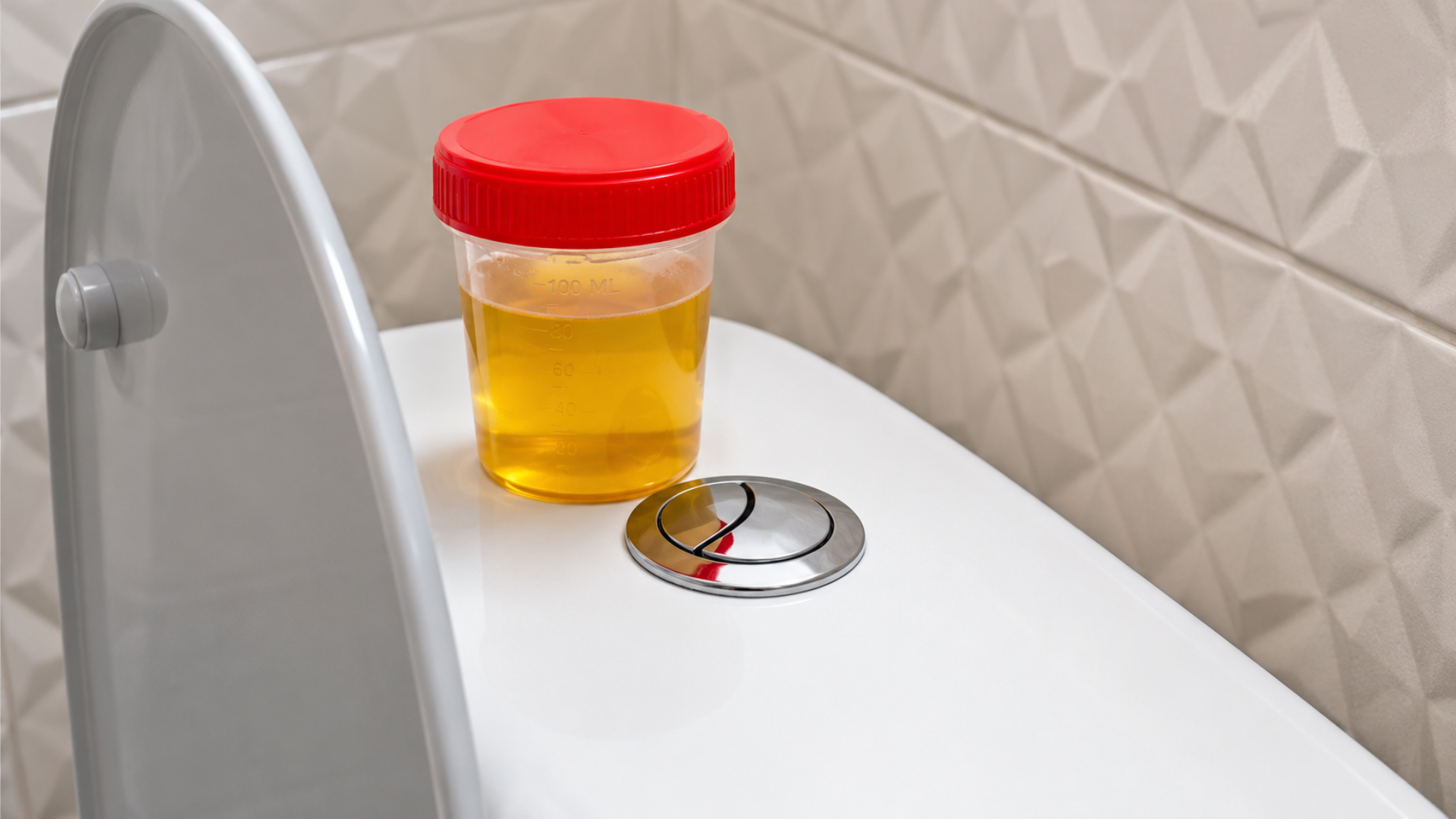
The next thing helping grow your food could be something you flush every day. Most people think of human waste as something that only belongs in the sewer system. We flush the toilet and assume the dirty water is gone forever. However, our bodies actually create the exact ingredients needed to help plants thrive. A clever company discovered how to change this waste into a powerful tool for farmers.
A Swiss Brand Targets American Farms

A business from Switzerland named VunaNexus is bringing a unique product to the United States. This product is called Aurin, and it is a special liquid fertilizer. It has already found success across several European nations over the past few years. Now, the company is shipping this liquid across the ocean to help American growers.
Modern Food Costs Rely on Waste
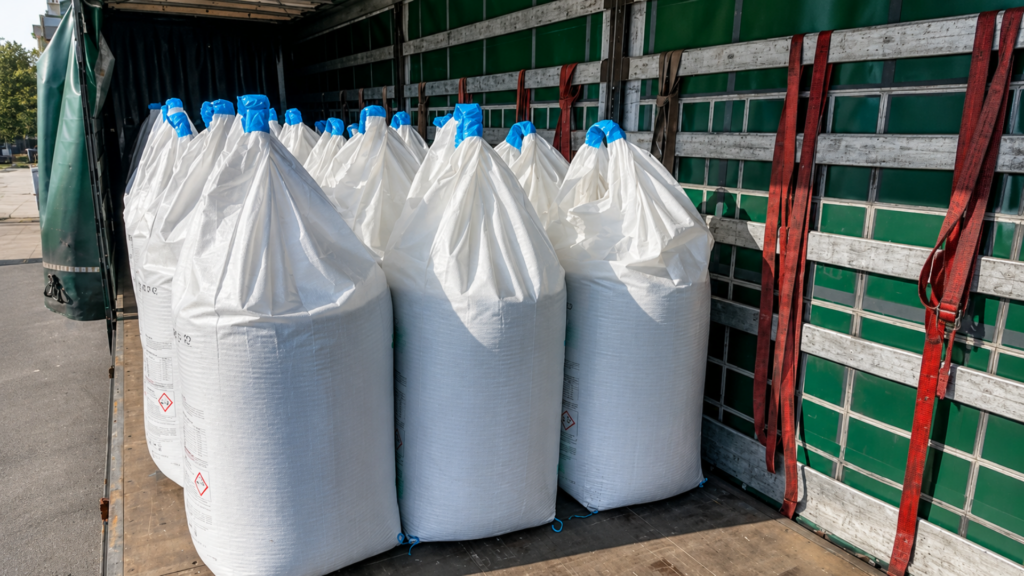
Chemical fertilizer is a basic tool that modern farmers must use to grow large crops. Unfortunately, the raw ingredients needed to make these products have become very expensive recently. Global supply chains slowed down during the pandemic, causing prices to jump sky-high. Using a local source of nutrients can protect our food supply from these high costs.
Human Liquid Packs a Natural Punch

Human urine naturally holds the exact ingredients that plants need to grow big and strong. It contains high amounts of nitrogen, phosphorus, and potassium. These are the same three minerals found in the expensive chemical bags at the store. In fact, people used animal droppings and bones to feed crops for centuries. This new product simply modernizes a very old way of farming.
The Bad Odor Completely Vanishes
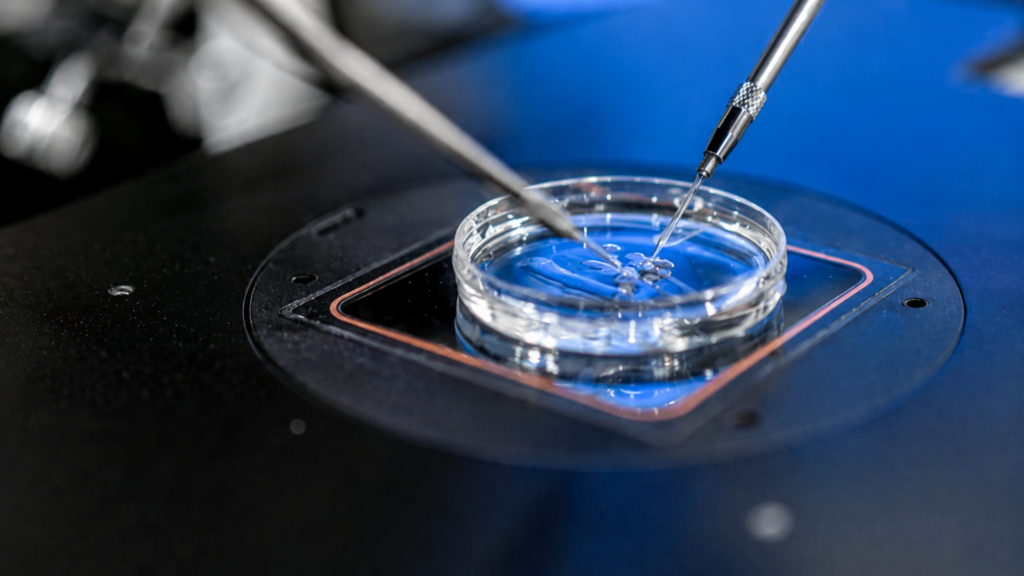
The biggest worry people have about using this product is the bad smell. Raw urine smells terrible because it contains a strong chemical called ammonia. The Swiss company uses a special mix of bacteria to turn that stinky ammonia into clean nitrate. This smart step removes the foul odor completely while keeping the helpful plant food. The final product smells just like regular water. How do you clean the rest of the liquid?
Advanced Science Scrubs the Fluid Clean
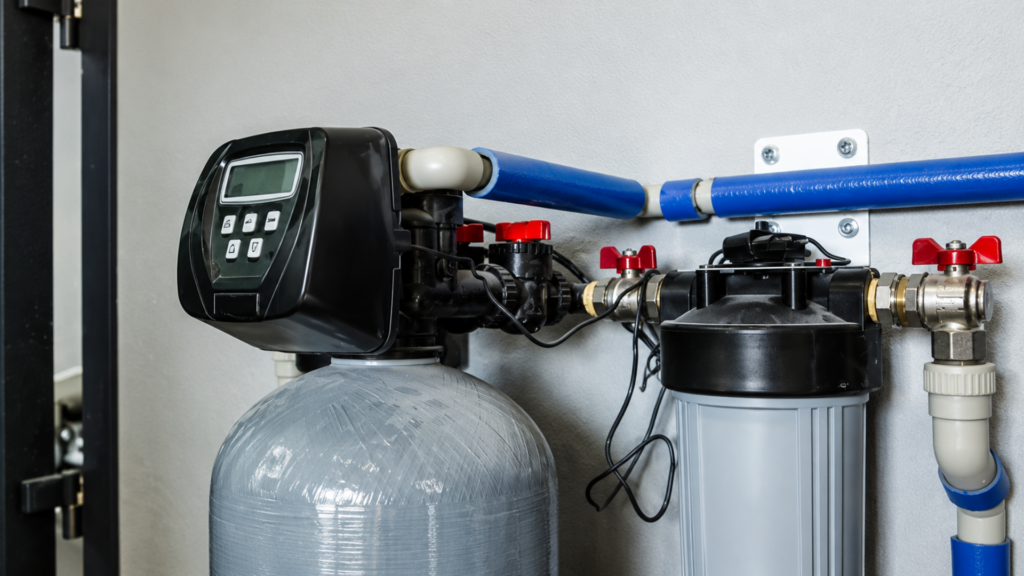
The raw liquid must go through a deep cleaning process to ensure it is safe. It passes through a thick carbon filter to pull out bad elements. According to David de Chambrier, co-founder of VunaNexus, the liquid is fully pasteurized and completely depolluted. This extra step removes hormones, germs, and old medicine residue from the fluid. It ensures that the final liquid is totally healthy for crops.
Boiling the Water Twenty Times Over

The cleaned fluid is boiled and distilled twenty times to make it strong. This intense heating removes the extra water and leaves behind a dark, rich liquid. One thousand liters of raw waste shrinks down into just one hundred liters of pure fertilizer. This concentration makes the product easy for truck drivers to move and store. It also keeps the plant food completely free of heavy metals.
European Schools and Vineyards Buy In
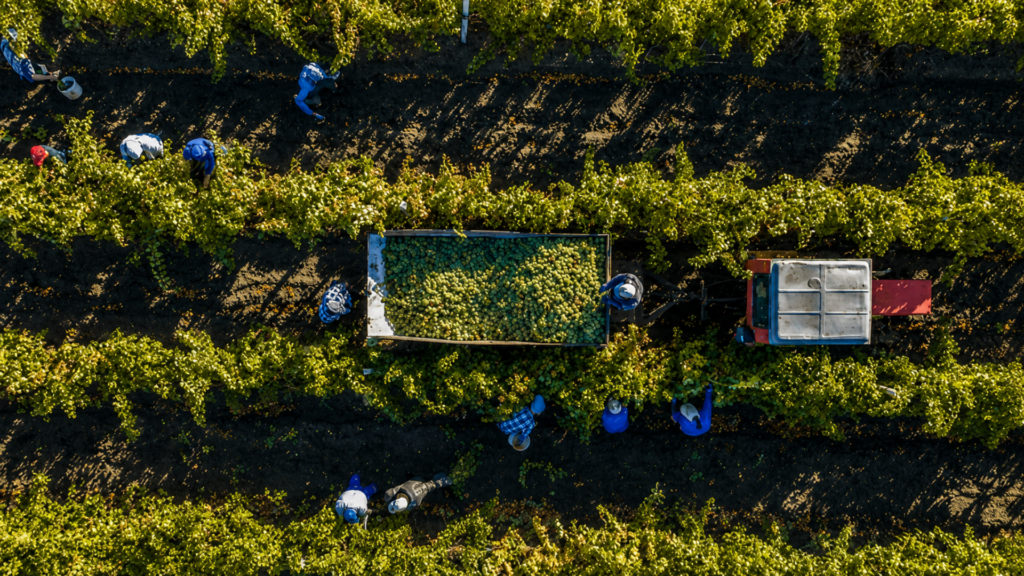
European cities and agricultural colleges are already using this recycled fluid on their plants. The product is fully approved for use in Switzerland, Liechtenstein, and Austria. Now, the company is starting a three-year test program on expensive wine vineyards. According to David de Chambrier, prestigious wine universities are testing how the fluid helps grapes grow. This proof shows the world that recycled waste can compete with chemical options. Can this idea really work in big cities?
Special Restrooms Must Catch the Liquid
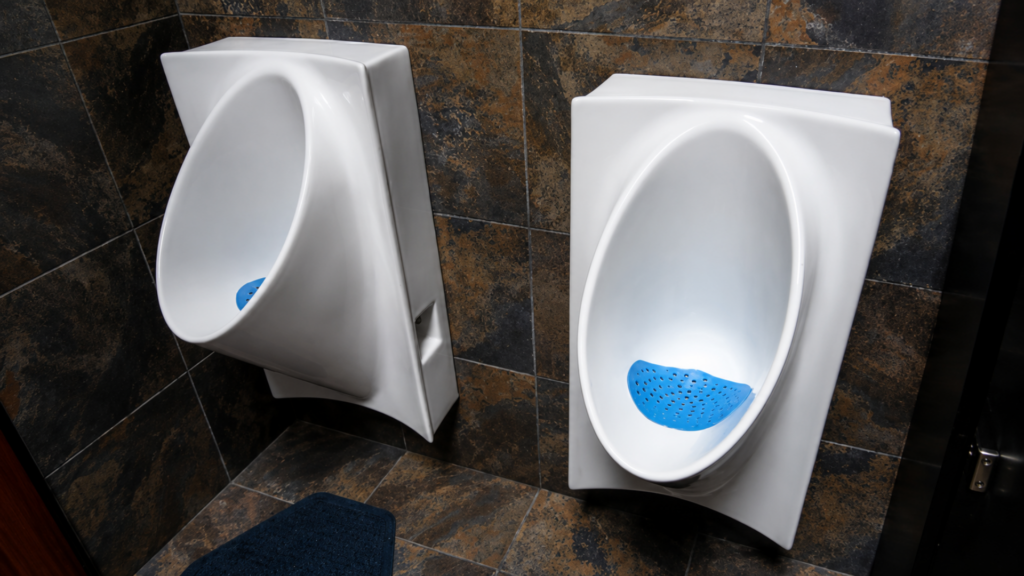
Building the right infrastructure is the biggest challenge for this new farming method. Regular toilets mix everything together, which makes it impossible to collect the pure liquid. Large office buildings in Paris and Zurich are now installing water-free urinals and special separating tanks. “At its core, sustainable fertilizers are about recovering valuable resources,” says expert Rachel A. Meidl. This collection network must grow before the product can go mainstream.
Our Daily Habits Close the Loop
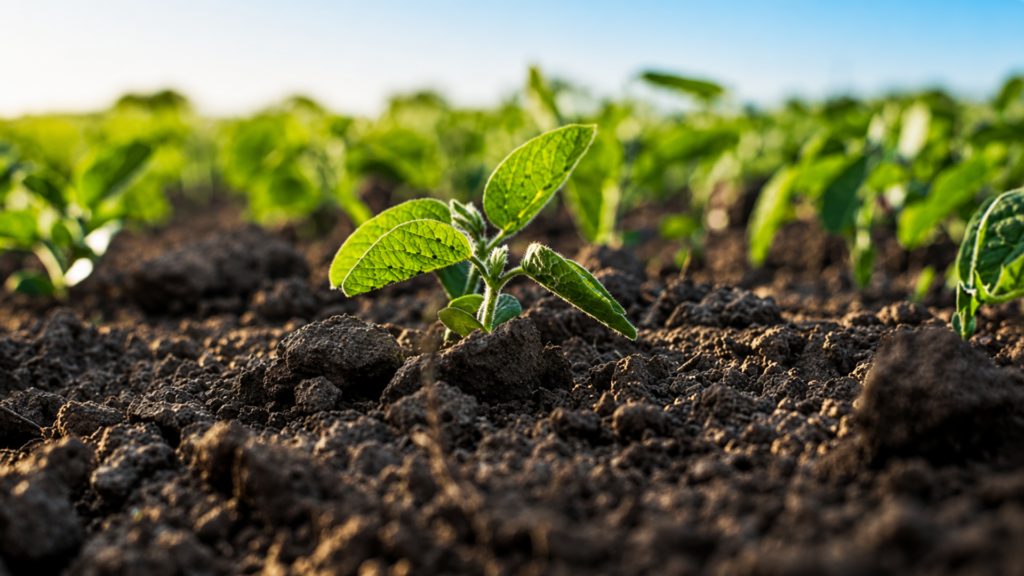
We started by looking at how human waste can actually become a helpful tool for farms. This unique Swiss fertilizer proves that our daily waste holds incredible value. By changing our bathroom habits and building better toilets, we can protect our soil and lower food costs. The future of American farming might not come from a laboratory. It might come from the simple choices we make every single day.