

Products are selected by our editors, we may earn commission from links on this page.

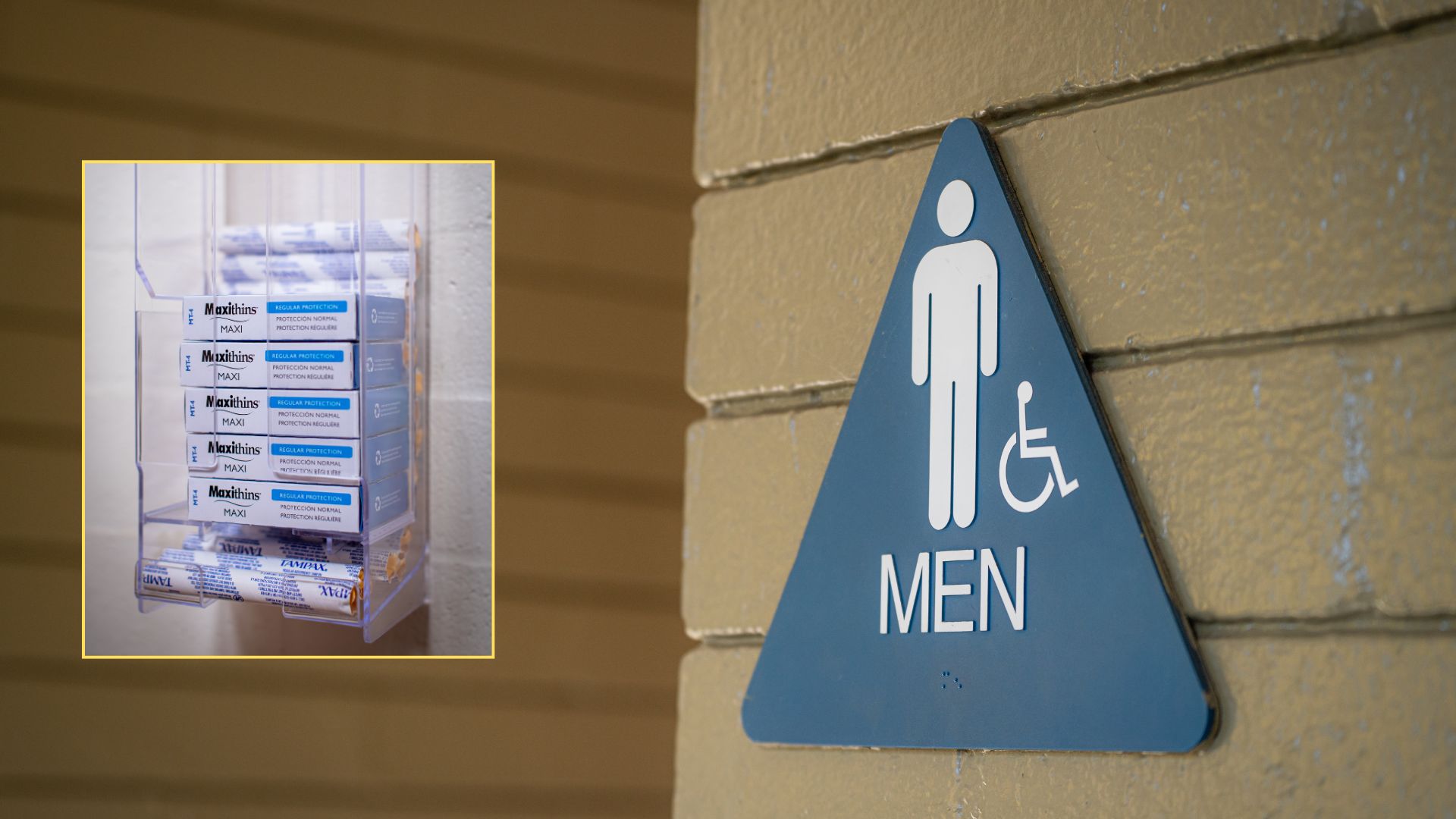
Tampon and pad dispensers have been turning up in men’s restrooms at the University of Virginia, and students have noticed. The dispensers, which offer free products, have been spotted in several academic buildings across campus, including Old Cabell Hall, home to the university’s Department of Music and its main lecture and concert hall. The installations are part of a broader campus initiative, but not everyone thinks they belong there.
Student reaction has ranged from puzzled to openly critical. A commerce school student told Campus Reform it is “a waste of university resources,” arguing the university should focus on more pressing concerns like rising tuition and food costs rather than initiatives that don’t meaningfully serve the student body. A first-year student called the placement “weird, totally unnecessary, and absurd,” while a fourth-year public policy student said the dispensers simply struck him as odd.
Not all criticism stayed focused on resources. A sophomore told Campus Reform the dispensers have no place in men’s restrooms, arguing that such products are designed for women, who have their own separate facilities. A third-year student told Campus Reform he found the dispensers both off-putting and contrary to his beliefs, and called for a broader societal return to recognizing biological differences between men and women.
What the University Says

UVA addressed the dispensers in a statement to Fox News Digital, saying the products are made available in academic buildings as part of a student-focused initiative for those who may need them. The university noted that the overwhelming majority of dispensers are located in women’s restrooms and that only a handful of men’s restrooms have them, specifically in buildings where gender-neutral restrooms are not available.
The university also pointed to the legal context in its statement. UVA cited the Fourth Circuit’s ruling in Grimm v. Gloucester County School Board (2020), which requires the university to allow individuals to use restrooms consistent with their gender identity under the Equal Protection Clause and Title IX. The university clarified that while the dispenser program was not implemented for legal reasons, it does align with the principles established in that ruling.
UVA’s Health website separately states that the institution offers complimentary period products to employees, describing access to these products as integral to health and wellness. The page focuses on female and gender-neutral restroom locations and does not explicitly list men’s restrooms among the sites where products are made available.
A Debate Playing Out Beyond Charlottesville

The conversation at UVA reflects a wider debate unfolding at campuses and in legislatures across the country. Maryland and New Jersey have both seen recent legislative pushes around menstrual product access in public buildings, showing that UVA is navigating a question without a settled national answer. For the students walking through Old Cabell Hall, that debate has a face and a location.
According to Fox News Digital, New Jersey’s state Senate voted 38 to 0 to require free menstrual products at public colleges under what legislators called a menstrual equity bill. The unanimous margin points to broad agreement on access in general, even as the specific question of placement in men’s restrooms remains contested. Agreement on access doesn’t always translate to agreement on where that access should go.
For some UVA students, the debate lands closer to home than any legislative chamber. They’re encountering these dispensers in the buildings where they study and attend class, and for those who spoke out, the issue didn’t feel abstract. How the university balances its stated rationale with that pushback will likely shape how the conversation develops from here.
Where Things Stand

UVA has not indicated any plans to remove the dispensers. The university maintains that the program is limited in scope and that costs are minimal. Still, some students who spoke out say that the explanation doesn’t reflect what they experience on the ground. For them, the issue is immediate and physical, something they come across in the buildings where they spend most of their time.
Those who did speak out came from different class years and academic backgrounds, and their reasoning varied. Some focused on budget priorities, others on the placement itself. Their views represent a slice of the student body, not a campus-wide verdict on the dispensers.
UVA is a public university supported by taxpayer dollars, a point at least one student raised directly. The university has laid out its reasoning, and some students have offered their own. For now, the dispensers remain in place, and how that balance holds as more students encounter them remains to be seen.