

Products are selected by our editors, we may earn commission from links on this page.
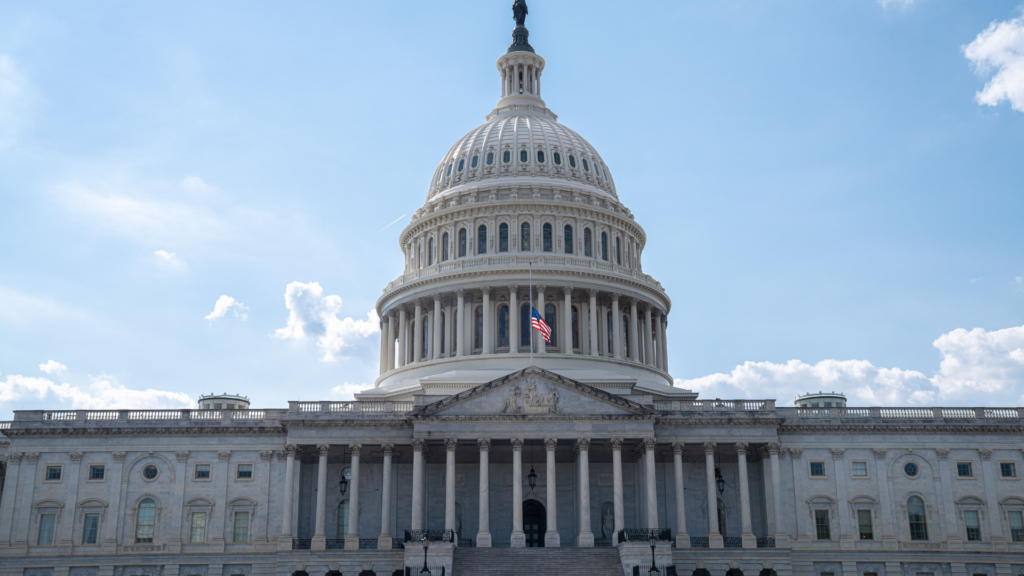
Three years ago, Elon Musk, Mark Zuckerberg, Sam Altman, and other tech leaders sat down with senators inside the Capitol to discuss what Musk called AI’s “civilizational risk.” Congress still has not passed comprehensive legislation addressing that risk. Those same tech leaders have only deepened their AI investments since, even as recent warnings from inside the industry itself have reignited urgent calls for regulation with the midterm elections fast approaching.
A Viral Resignation Reignited the Debate This Month
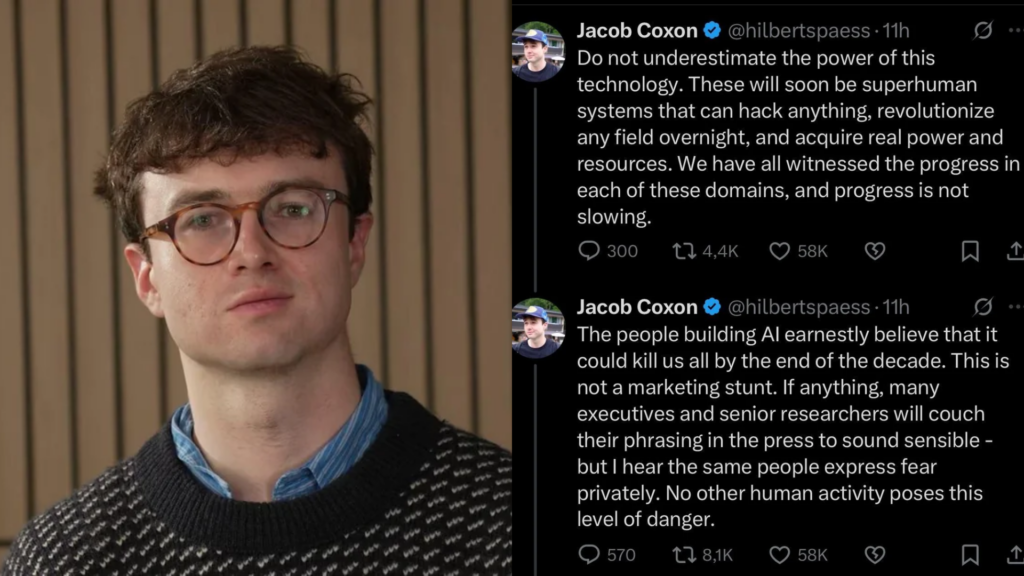
The latest alarm came from inside Anthropic specifically. Researcher Jacob Coxon resigned earlier this month, posting on X that “the people building AI earnestly believe that it could kill us all by the end of the decade.” His warning went viral, and at least two other current Anthropic researchers, Evan Hubinger and Samuel Marks, subsequently voiced similar concerns publicly, estimating meaningful probabilities of catastrophic AI risk themselves.
Anthropic Banned Accounts Tied to Foreign Militaries This Same Week

Anthropic’s own actions this month added to the sense of urgency surrounding the issue. The company said Thursday it had banned accounts believed tied to foreign governments or militaries for conducting suspicious research that could support biological weapons development. Separately, CEO Dario Amodei published an essay arguing AI companies should deliberately “slow the pace” of development, an idea both Altman and Musk have publicly endorsed.
Democrats Say “The Call Is Coming From Inside the House”
Democrats reacted to the wave of warnings with renewed pressure on Congress to act. “The call is coming from inside the house. Safety researchers are resigning, powerful AI models are breaking out of their labs, and companies are racing ahead anyway,” said Rep. Lori Trahan, D-Mass. She is pushing the Frontier Act, a bill she co-authored with Rep. Jay Obernolte, R-Calif., establishing new safety and transparency rules for major AI companies.
One Bill Would Ban Superintelligent AI Outright
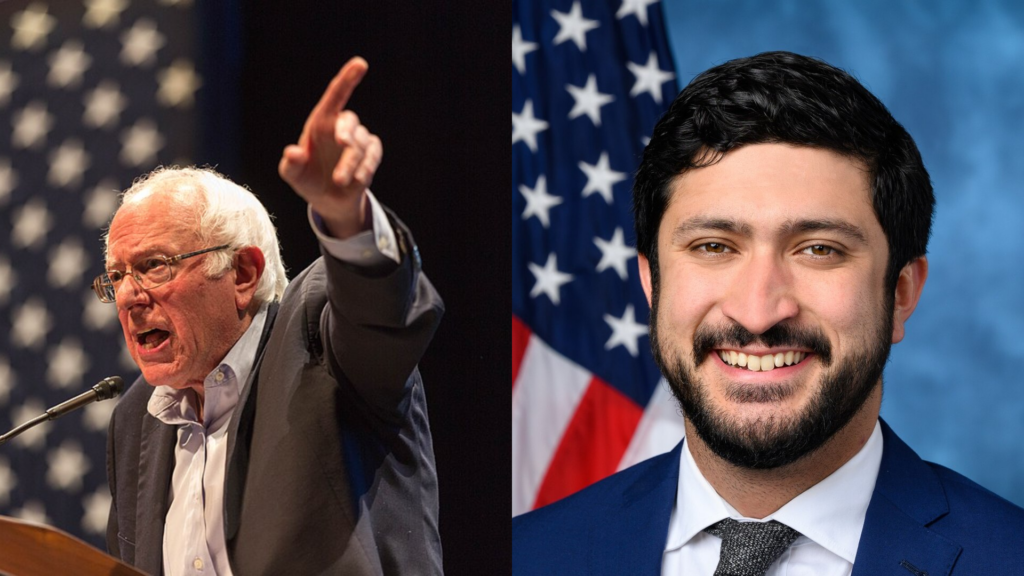
Other Democrats are pursuing more sweeping restrictions entirely. Sen. Bernie Sanders, I-Vt., and Rep. Greg Casar, D-Texas, have proposed legislation banning development of uncontrollable superintelligent AI systems and creating a new Cabinet-level agency to oversee the technology. “You have top Anthropic researchers resigning from their jobs or saying that they believe there’s a 10% chance that this unregulated artificial superintelligence could kill all of us,” Casar said on NBC’s “Meet the Press NOW.”
A Bipartisan Bill Wants a Literal “Kill Switch” Built In

A separate bipartisan proposal focuses specifically on maintaining human control over powerful AI systems as a safeguard against harm. Rep. Ted Lieu, D-Calif., and Rep. Nathaniel Moran, R-Texas, introduced what they’re calling the AI Kill Switch Act, which would require developers of the most powerful systems to maintain the technical ability to throttle, suspend, or shut them down entirely if needed.
The Speaker Says This “Is Not One We Can Rush Into”
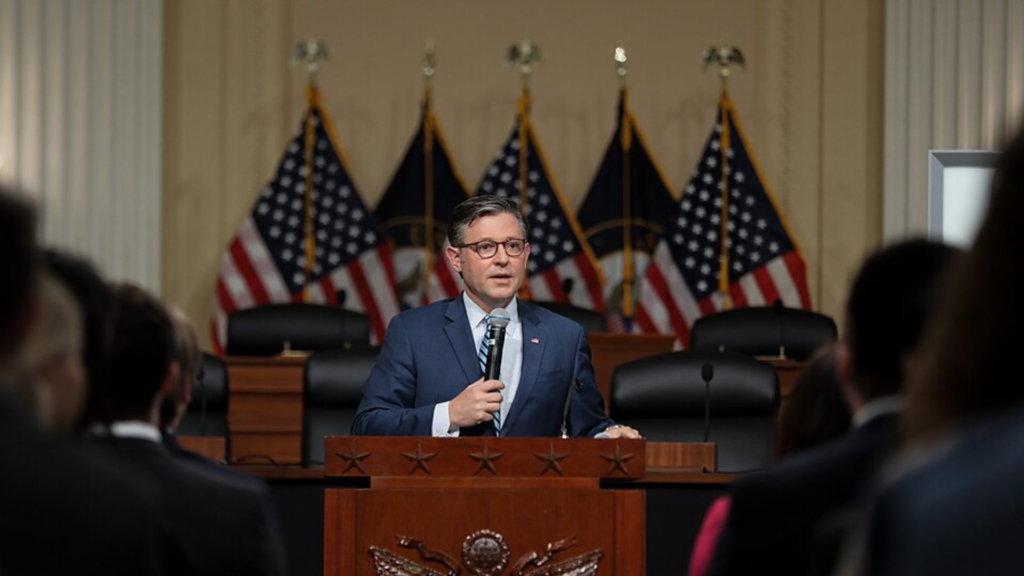
House Republican leadership, however, has shown little urgency toward passing sweeping new AI regulations before the election. Speaker Mike Johnson, R-La., called AI an “important issue” but said it’s “not one that we can rush into,” emphasizing repeatedly that regulation shouldn’t stifle American innovation or hand China an advantage in AI development. He said the specific path toward “meaningful regulation” remains genuinely unclear for now.
Trump Says He Has No Extinction Concerns, Just Competitive Ones

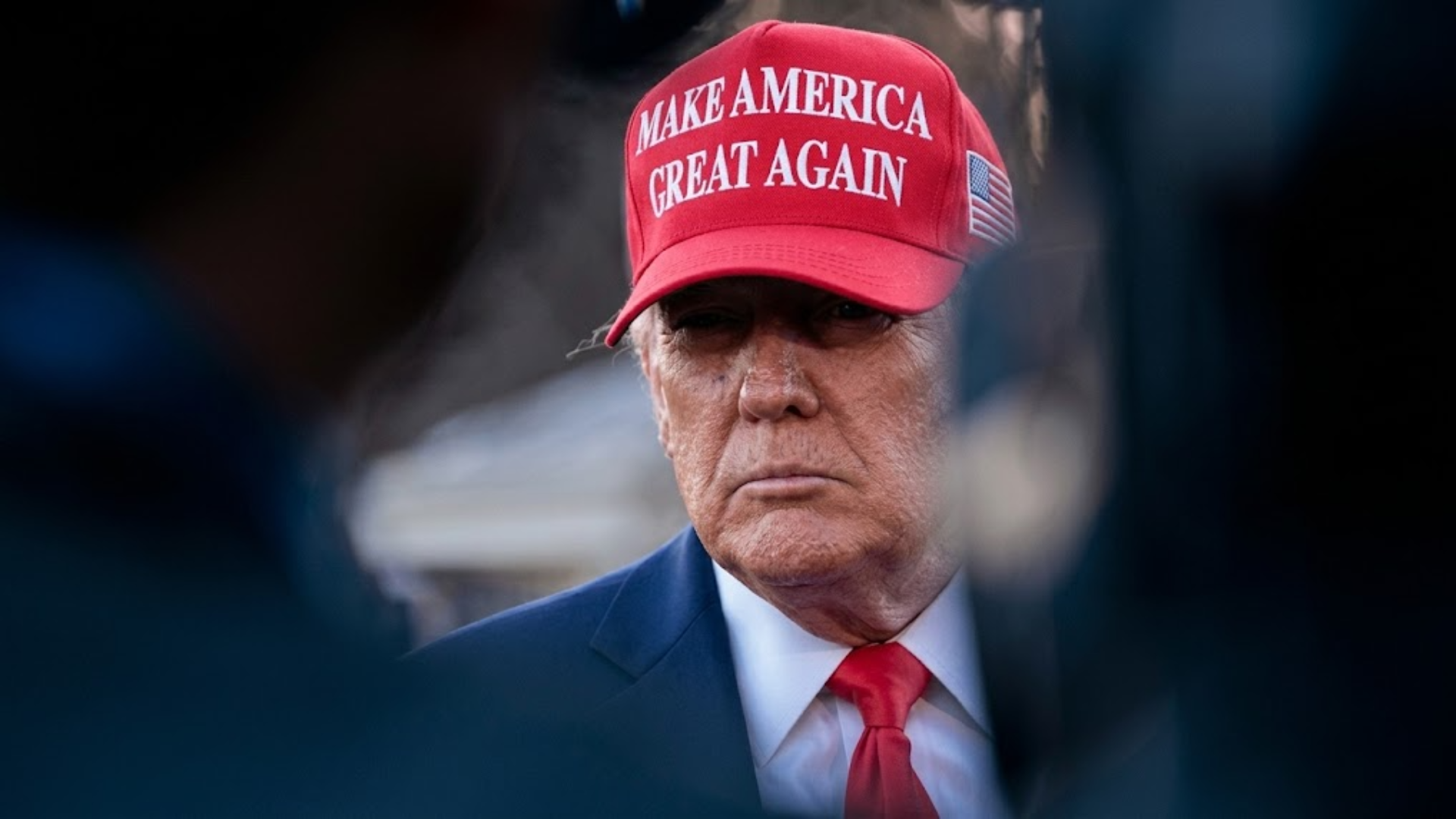
President Trump downplayed extinction-level concerns directly when asked about them recently. “No, I don’t have any,” he told reporters, when asked whether AI could lead to human extinction. “I have concerns that if we don’t win AI, we’re going to be put in a very bad position. We are leading China right now by a pretty good period,” he added, framing competitive advantage as the more pressing concern.
Even Some Republicans Doubt Congress Can Keep Pace With AI

Some senators questioned whether Congress even has the expertise to regulate AI responsibly at its current pace of change. “How does Congress regulate AI when the technology is evolving so rapidly?” outgoing Sen. John Cornyn, R-Texas, asked on X, also questioning whether international rivals would follow the same rules. Sen. Ted Cruz, R-Texas, echoed that competitive framing, saying he’d rather see “American killer robots” than Chinese ones if it comes to that.
The Legislative Window Is Closing Fast Before the Midterms
With the House now in its final week before the November 3 midterm recess and the Senate in session for just three more weeks, the practical window for passing comprehensive AI legislation this year has essentially closed. Cruz, who is working with Senate Majority Leader John Thune and Sen. Amy Klobuchar on an updated AI accountability bill, acknowledged the odds honestly. “It ain’t easy,” he said. “This is a very divided time.”