

Products are selected by our editors, we may earn commission from links on this page.

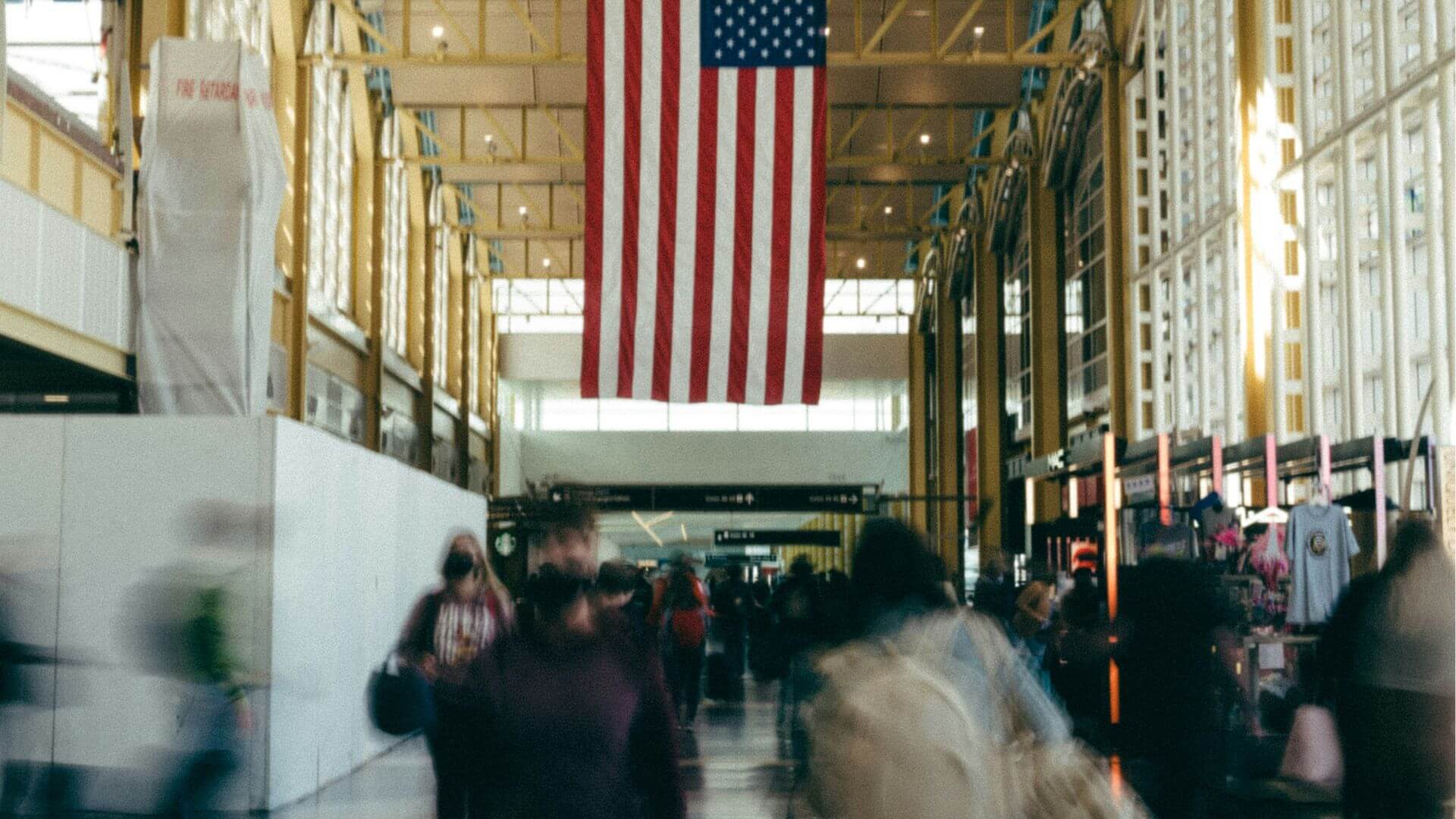
Airport lines didn’t just improve—they snapped back. After weeks of delays that stretched into hours, security checkpoints across the U.S. began moving again. In some airports, wait times dropped from four hours to just a few minutes almost overnight. The change came as thousands of TSA workers finally started receiving long-overdue paychecks.
For travelers, the shift felt immediate. Lines that once wrapped through terminals now cleared in under 30 minutes at many major airports. In places like Atlanta, waits dropped to as little as three minutes, while Houston saw early-morning delays fall sharply as the day went on.
The improvement didn’t come from new technology or expanded checkpoints. It came from people, workers returning to the job once pay started to flow again.
What Changed for TSA Workers
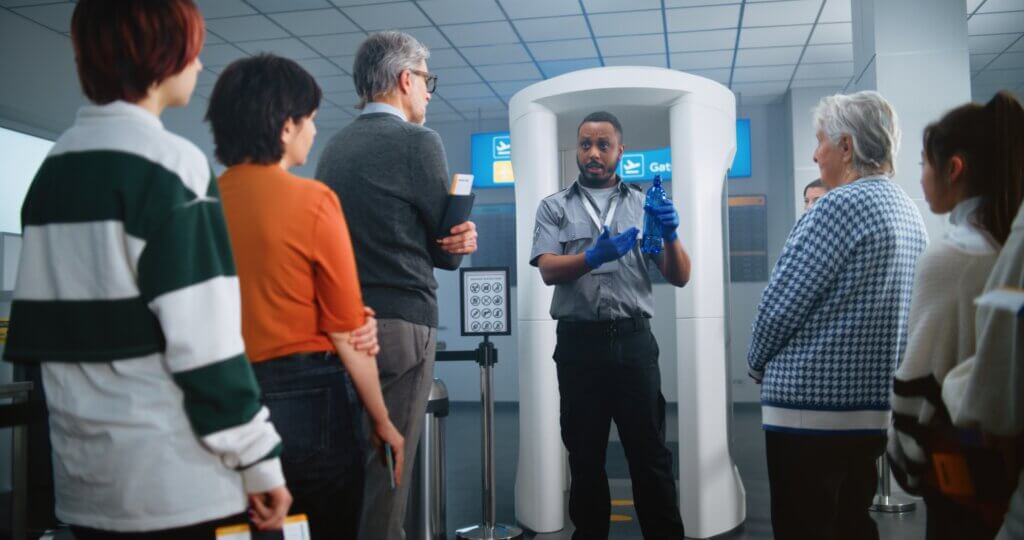
For more than six weeks, TSA officers worked without pay during a government funding standoff. Around 61,000 employees missed over $1 billion in wages during that period, forcing many to take on debt, delay bills, or find second jobs just to get by. That financial strain showed up at airports.
Thousands of workers began calling out of shifts. Absence rates climbed far above normal levels, at times exceeding 10 percent nationwide and even higher at major hubs. With fewer officers on duty, security lines slowed dramatically.
Once paychecks started arriving, that pattern shifted. Fewer workers called out, more lanes reopened, and operations began stabilizing almost immediately. The connection felt direct, pay restored the workforce, and the workforce restored the flow of passengers.
Why the Recovery Isn’t Complete
The shorter lines tell one part of the story. The system behind them still shows strain. Even as wait times improved, staffing levels have not fully recovered. More than 500 TSA officers have already left their jobs during the shutdown, and others continue to deal with financial fallout from weeks without income.
Some airports still report uneven conditions. While many checkpoints now move quickly, others continue to see longer waits, especially during peak travel periods. Absence rates, though improving, remain higher than normal in several locations.
Back pay also hasn’t reached everyone at the same time. Some workers report delays or incomplete payments, which adds another layer of uncertainty. The visible recovery at checkpoints moves faster than the underlying system can fully stabilize.
What This Means for Travelers Going Forward
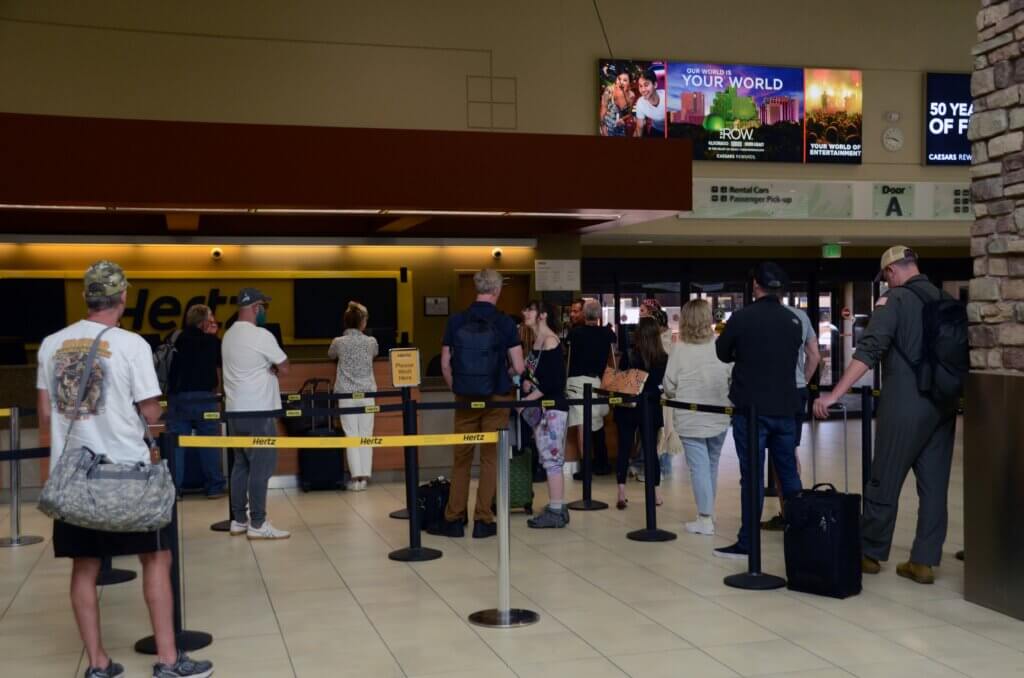
For now, travelers are seeing the benefit—shorter lines, faster movement, and fewer disruptions. But the bigger takeaway sits just beneath the surface. Airport wait times don’t depend only on infrastructure. They depend on workforce stability. When that balance breaks, the impact shows up immediately in every terminal.
The past few weeks exposed how fragile that system can be. Financial pressure pushed workers out, slowed operations, and created delays that no amount of planning could fully offset. Once pay resumed, the system responded just as quickly in the opposite direction.
Looking ahead, the question isn’t just whether lines will stay short. It’s whether the conditions that caused the disruption will return. Without long-term stability, the same pattern could repeat, fast breakdown, fast recovery, and passengers caught in between. For now, the lines are moving again. The system behind them still has something to prove.