

Products are selected by our editors, we may earn commission from links on this page.
If you have a flight this week, your biggest challenge may not be packing or traffic — it may be the security line. A partial government shutdown affecting the Department of Homeland Security has left TSA short-staffed, leaving travelers at major U.S. airports waiting hours just to get through screening. Spring break timing has made a difficult situation harder for millions of passengers.
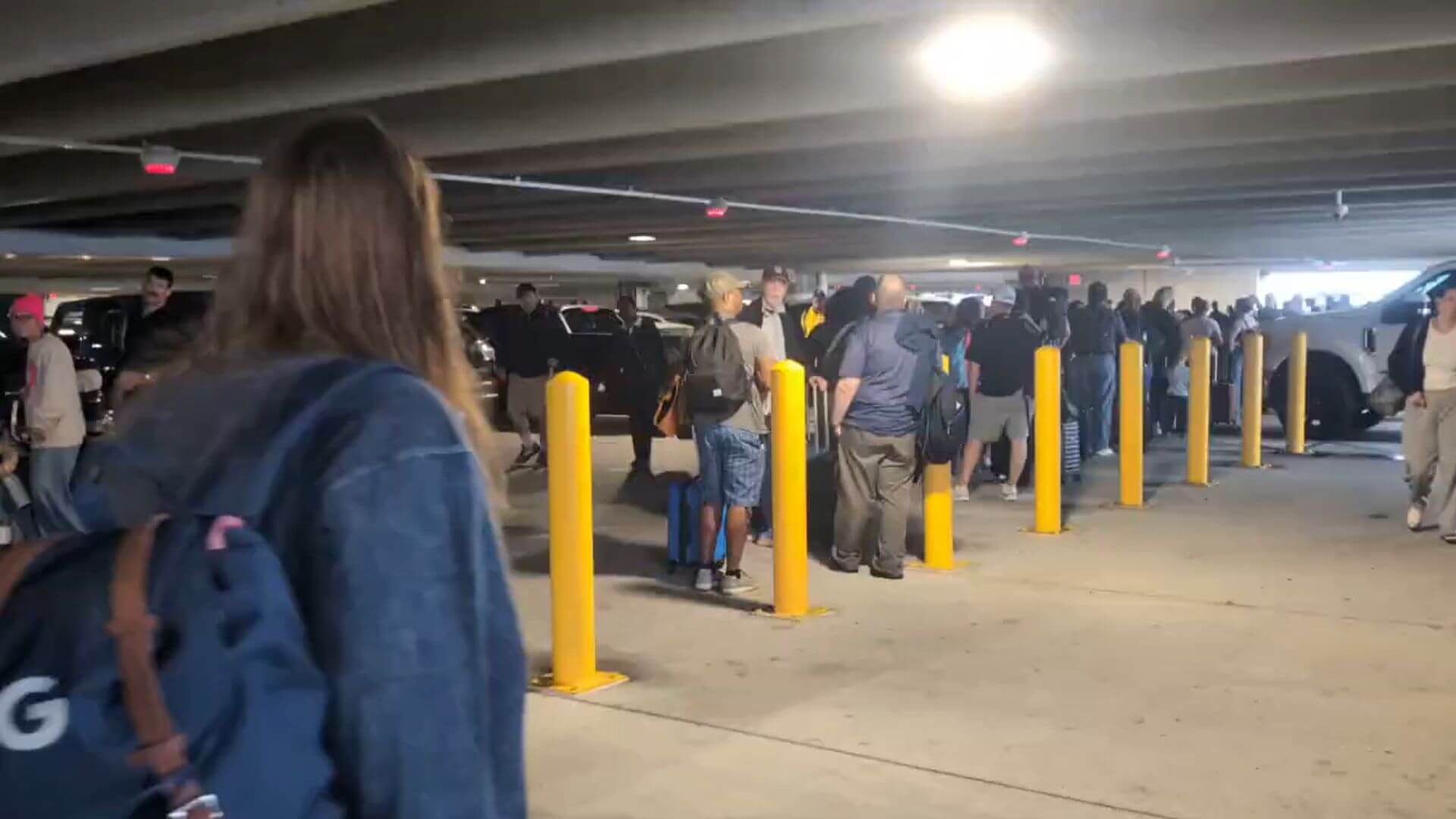
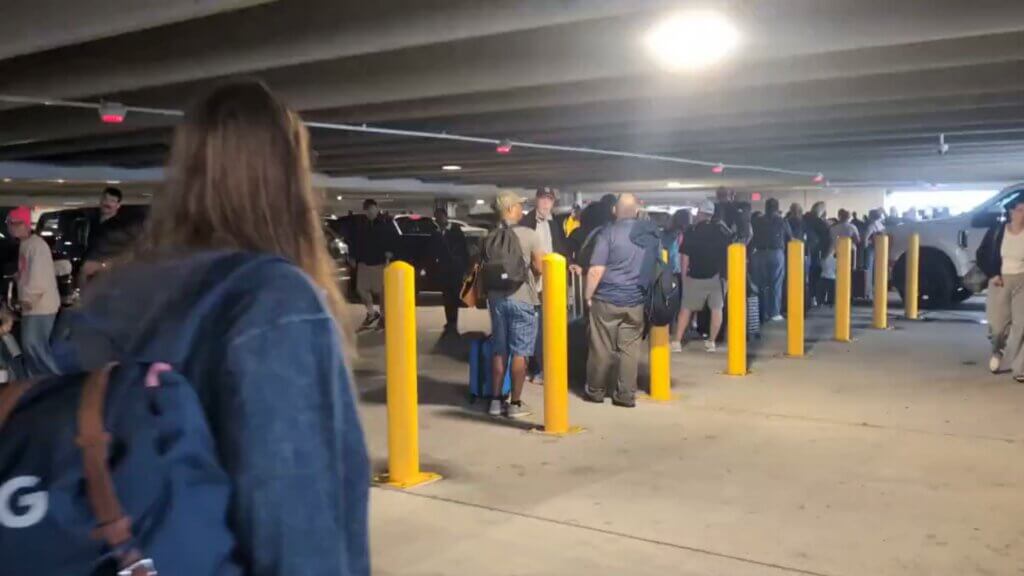
Houston Hobby Airport was among the hardest hit, urging travelers to arrive four to five hours before their flights. At times, the airport warned, TSA wait times could stretch beyond 180 minutes. The strain was visible nationwide, with security lines at New Orleans Armstrong International growing so long they spilled into the parking garage, as video that quickly spread across social media on Sunday.
The scene played out on one of the busiest travel days of the year. Nearly 2.8 million travelers passed through TSA checkpoints on Sunday alone, making it the agency’s busiest single day since January 4. For families heading into spring break, the timing of the shutdown could not have come at a worse moment.
What’s Behind the Lines, and Why TSA Agents Are Calling Out
The staffing crunch comes down to paychecks — or the lack of them. TSA officers are federal employees under DHS, which means they are working without pay while the shutdown continues. Lauren Bis, deputy assistant secretary for public affairs at DHS, told Business Insider that agents received only partial paychecks and now face their first full missed paycheck, driving absences and call-outs across the country.
TSA workers have been through this before. A 43-day shutdown last year also left agents working without compensation for weeks, and aviation experts say the memory of that experience is contributing to faster call-out rates this time. John Rose, chief risk officer at travel management company Altour, told CNBC: “It’s still fresh in their minds and potentially their pocketbooks.”
Unlike the rest of the federal government, which is funded through September 30, DHS lost its funding on February 14. That distinction matters: air traffic controllers employed by the FAA are still receiving pay, reducing the risk of widespread flight cancellations. The disruption is largely concentrated at security checkpoints, where roughly 95% of TSA workers are classified as essential and required to report.
Which Airports Are Affected, and What Travelers Are Experiencing

The impact has been uneven across the country. Houston Hobby, which serves around 14 million passengers annually, saw some of the worst delays, while the city’s larger airport, George Bush Intercontinental, reported wait times of just 10 to 40 minutes Monday morning. New Orleans Armstrong International told travelers to arrive at least three hours early, while Atlanta’s Hartsfield-Jackson saw waits reach about an hour on Sunday.
One traveler caught in the middle of it all was 16-year-old Michael Helfenstein III. He arrived at Houston Hobby at 3:37 p.m. Sunday for an 8:45 p.m. flight and did not clear security until 5:47 p.m., a wait of over two hours. His father said the line kept moving, though at a crawl, and that passengers were handed cookies and water while they waited.
Charlotte Douglas International Airport in North Carolina reported roughly 50-minute waits on Sunday, while Miami, Orlando, Boston, and New York were seeing waits of 30 minutes or less by Monday morning, though those numbers could climb as the week progresses and more spring break travelers arrive. Airports also flagged that TSA PreCheck availability may be limited at some locations due to staffing constraints.
How to Protect Your Trip If You’re Flying This Week
Travel experts are urging passengers to treat early arrival as a non-negotiable right now. Most airports post live security wait times on their websites, but Rose cautioned against checking them too close to departure. “You may look online and it says two-and-a-half hours,” Rose told CNBC. “Now it’s two-and-a-half hours before your flight and you haven’t left for the airport yet.” Check ahead, then check again.
Packing carefully matters too. Security experts recommend leaving prohibited items at home, including full-size liquids, gels, aerosols, and anything sharp in carry-on bags. Any item flagged during screening adds time, not just for the individual traveler but for everyone behind them in line. TSA publishes a full list of what is and is not allowed on its website.
Beyond logistics, experts are asking travelers to extend some patience toward the agents working the lines. “Not only are they not getting paid,” Rose told CNBC, “they’re probably working with reduced staff and dealing with angry travelers.” A joint statement from U.S. Travel, Airlines for America, and the American Hotel & Lodging Association added, warning that essential TSA personnel working without pay increases the risk of absences, delays, and missed flights.