

Products are selected by our editors, we may earn commission from links on this page.
Millions of Americans are preparing for summer vacations, but some travelers may find fewer flight options than expected. American Airlines has announced temporary route suspensions for parts of August and September as airlines across the industry grapple with sharply higher jet fuel costs. The move comes amid a broader wave of schedule adjustments, fare increases, and cost-cutting measures that are reshaping the summer travel season.
Why Fuel Costs Are Suddenly A Major Problem
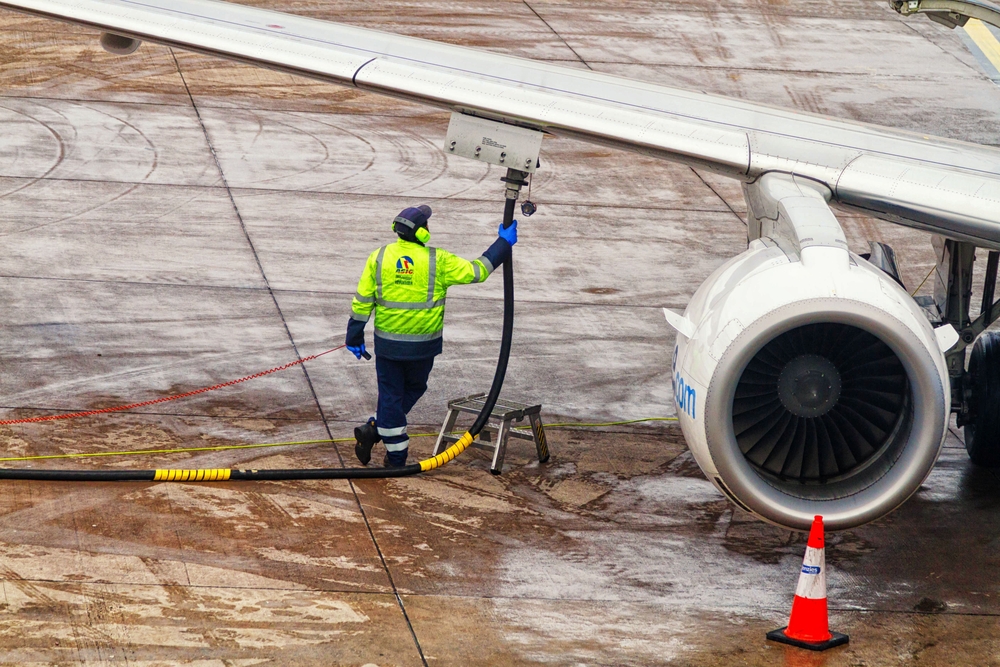
Airlines have been hit by a dramatic rise in jet fuel prices linked to disruptions in global energy markets. According to reporting from the Associated Press, jet fuel can account for roughly 30% of an airline’s operating expenses, and prices climbed significantly following the conflict involving Iran and disruptions affecting oil flows through the Strait of Hormuz. Industry analysts say carriers have little choice but to either raise prices, reduce service, or find other ways to offset mounting costs.
American Airlines Is Trimming Its Schedule
American Airlines says the route cuts are temporary rather than permanent. The airline described the changes as seasonal adjustments affecting select routes during August and September while it refines capacity growth plans for 2026. Travelers booked on affected flights will be offered alternative travel arrangements or refunds under the company’s schedule-change policy.
Which Routes Are Being Suspended
Reports indicate six domestic routes will be paused during the affected period. The suspended routes include Los Angeles to Cleveland, Columbus, Pittsburgh, and Washington Dulles, as well as Charlotte to Ontario, California, and Charlotte to Sacramento. One of those routes, Los Angeles to Cleveland, had only recently launched earlier this year, making its suspension particularly notable.
American Is Not Alone
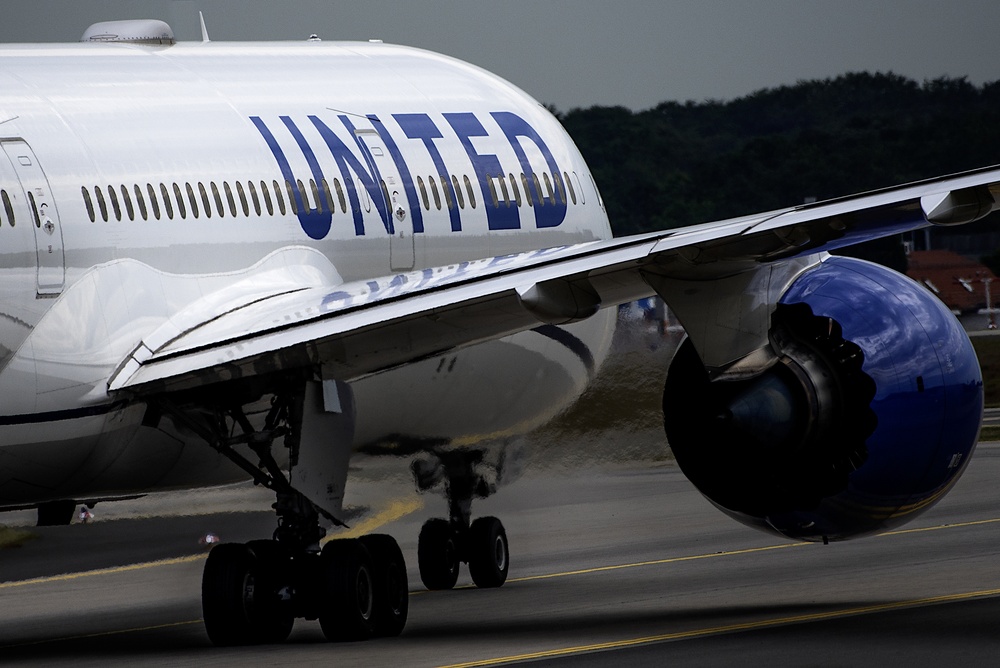
The changes at American are part of a larger industry trend. United Airlines has reduced capacity and warned that ticket prices could rise by as much as 15% to 20% to recover fuel expenses. Delta has scaled back some growth plans, while carriers in Europe, Canada, and Asia have suspended routes or increased fuel-related charges. Airlines are increasingly focusing on trimming less profitable flights while preserving stronger-performing routes.
Travelers Are Already Feeling The Impact

Higher fuel costs are beginning to show up in travelers’ wallets. ABC News reported that average domestic airfare has risen by about $55 compared with a year earlier, according to Kayak data. Industry observers also noted that thousands of flights have been removed from schedules between May and September as airlines adjust to changing economics. Fewer seats on the market can place additional upward pressure on ticket prices during peak travel periods.
Airlines Are Looking Beyond Ticket Prices

Rather than relying solely on fare increases, many airlines have introduced additional fees and service changes. Several major U.S. carriers, including American, United, Delta, Southwest, and Alaska, have increased checked baggage fees. Some international airlines have introduced fuel surcharges, while others have reduced onboard services or cut less profitable routes. These measures allow airlines to recover costs without making headline fare increases even larger.
Will More Routes Be Cut?
Industry analysts say additional reductions remain possible if fuel prices stay elevated. Yahoo Finance reported that airlines worldwide have expanded cancellations beyond Middle Eastern destinations and are increasingly evaluating which routes remain economically viable. United has already indicated it could make further capacity adjustments if market conditions worsen, and other carriers continue monitoring fuel supplies and demand patterns.
What Travelers Can Do Right Now
Experts generally recommend booking flights sooner rather than later if summer travel plans are already set. Nick Ewen of The Points Guy told NPR that fares are unlikely to fall in the near term and could continue rising if fuel costs remain high. Flexible tickets may also provide additional protection if schedules change, while travelers should monitor airline notifications carefully for any route adjustments affecting their itineraries.
The Bigger Question Facing Summer Travelers

For now, most passengers will still reach their destinations, but the summer travel landscape is becoming more expensive and less predictable. American Airlines’ route suspensions offer a glimpse into how global energy markets can quickly affect domestic travel plans. Whether fuel prices stabilize or continue climbing will determine if these schedule changes remain isolated adjustments or become part of a much broader reshaping of air travel through the rest of the year.