

Products are selected by our editors, we may earn commission from links on this page.
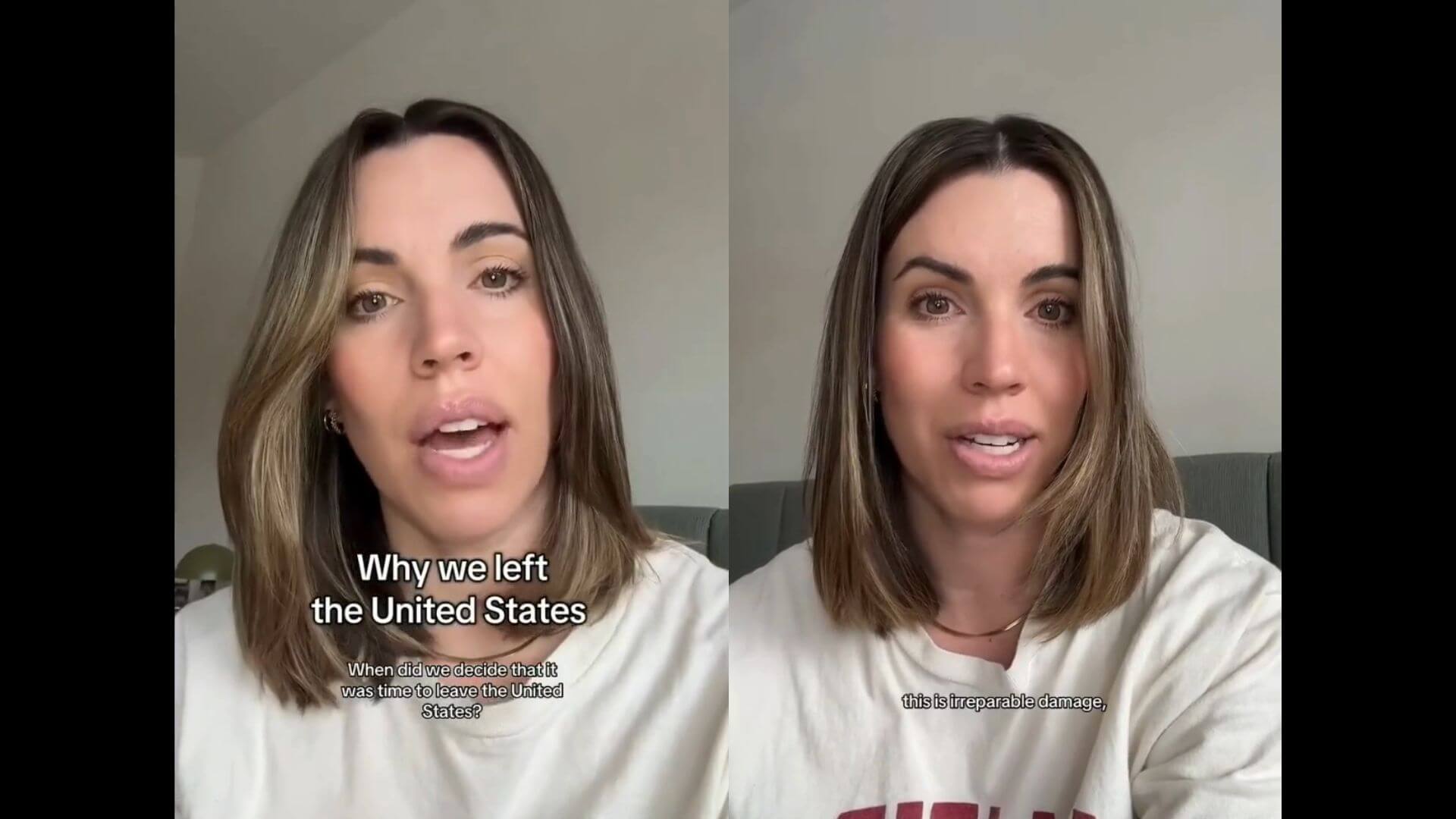
A Seattle mother’s explanation for relocating her family overseas has resonated with Americans nationwide, according to Newsweek. Tanya Rasmussen, 38, posted a reel on Instagram detailing why she, her husband Rodney, 41, and their three sons left the United States for the Netherlands. The decision wasn’t one aha moment but rather what she described as a “slow burn” that eventually became impossible to ignore. The video quickly amassed 1.4 million views, with thousands of commenters sharing similar plans to leave.
The Rasmussens’ story reflects growing concerns among American families over affordability, healthcare access, and education quality. Their decision followed the 2024 election, though Tanya emphasized that the move transcended politics. After waiting six months to assess conditions, something clicked in early summer. She realized the changes underway weren’t temporary disruptions but signs of long-term transformation. The family concluded systemic problems ran deeper than a single presidential term could explain.
The couple operated an e-commerce business alongside two full-time jobs, yet still struggled to maintain financial security. Tariffs impacted their business operations while everyday expenses climbed steadily. Tanya described managing financially on paper while working themselves to exhaustion. The grind became unsustainable. What began as economic anxiety evolved into broader concerns about the systems their children would inherit, pushing the family toward a decision they never imagined making.
Rising Costs and Economic Pressure Fuel Family Exodus

The couple worked full-time jobs while running an e-commerce business on the side, yet still felt financially stretched. Despite dual high-paying incomes plus their business venture, they were working themselves to exhaustion. The financial pressure intensified when tariffs directly impacted their e-commerce operations. What troubled them most was the realization that even with all this effort, they weren’t building toward a secure future. The American Dream of stability through hard work felt increasingly out of reach.
Tanya watched critical systems being dismantled rather than fixed. Healthcare and child care were being torn down, she said, not improved. The Department of Education faced elimination while college costs continued climbing. Looking at her three sons, she couldn’t envision how they’d afford higher education in the United States. These weren’t just policy debates but direct threats to her children’s futures, creating what she called an increasingly uncertain academic future for her family.
Two full-time incomes plus side ventures to achieve basic security have left families exhausted. Parents sacrifice time with children to maintain incomes that barely keep pace with inflation. This burnout extends beyond finances into quality of life, where work consumes energy once devoted to family activities. For the Rasmussens, this realization became central to their decision to leave. They questioned whether financial survival should require sacrificing their children’s childhoods.
Education and Safety Concerns Push Family to Breaking Point

Beyond education, Tanya saw fundamental institutions under threat. The dismantling extended to the CDC, the EPA, and attempts to ruin national parks that had been central to her family’s life. These weren’t abstract policy changes but direct attacks on systems her children would depend on. The scope of destruction felt overwhelming. She described watching these agencies being torn down and questioned what kind of country her children’s generation would inherit.
Safety anxieties weighed heavily on the family’s decision. Tanya cited daily worry about mass shootings and gun violence as creating an unsustainable stress level. The constant concern for her children’s well-being in schools affected the entire family’s quality of life. The psychological toll of this vigilance, combined with economic pressures, pushed the Rasmussens past their breaking point for remaining in the United States.
In her viral Instagram reel, Tanya described the cumulative effect as “irreparable damage, or at least damage that’s probably not going to be fixed in my lifetime.” The realization hit hard. She clarified the decision wasn’t about political allegiances but about protecting her children’s futures. The United States her kids would inherit looked fundamentally different from the one she grew up in. Ultimately, she didn’t feel there was a great future for them if they stayed.
Other Families Follow the Same Path Overseas

Life in the Netherlands brought immediate changes that the Rasmussens noticed. The pace slowed considerably, with less emphasis on accumulation and more on sustainability. Their children gained independence through bike-friendly infrastructure and reliable public transportation, freedoms Tanya said would be impossible in Seattle. Dutch cultural values, prioritizing secondhand goods and environmental consciousness, contrasted sharply with American consumerism. Despite owning less, the family reported feeling richer in time and experiences.
The Rasmussens’ story resonated because they’re not alone. Under Tanya’s viral reel, commenters shared nearly identical trajectories. One wrote that they’re “leaving for Denmark in three months,” with their eldest already relocated. Another family announced plans to close their manufacturing business and move to Italy by April, stating recovery could take decades if it happens at all. A commenter captured the sentiment succinctly, declaring “the new American Dream is to leave America.”
Tanya told Newsweek she hopes conditions might improve enough to return someday, though she remains skeptical about near-term prospects. For now, the family has found what they sought: a stable future with better opportunities for their children. Their experience highlights a broader reckoning among American families weighing the opportunity costs of staying versus leaving. As discussions about leaving move from fringe consideration to mainstream conversation, the Rasmussens represent families choosing exit over endurance.