

Products are selected by our editors, we may earn commission from links on this page.
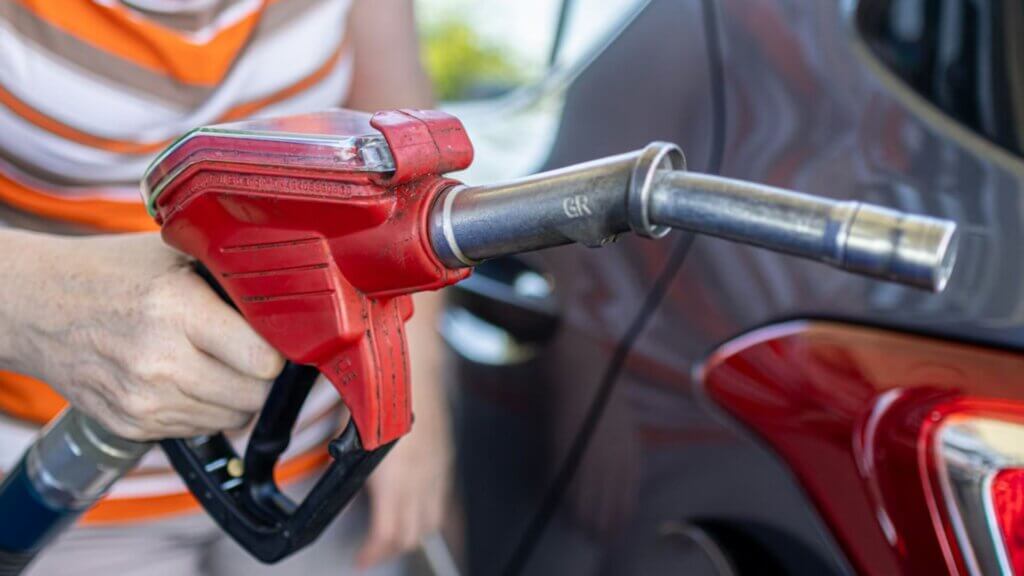
Gas prices climbed roughly 50 cents in a single week, and Americans are already feeling it. According to GasBuddy energy analyst Patrick De Haan, U.S. drivers are spending $187 million more per day on gasoline than they were just seven days ago. De Haan puts the odds of prices reaching $4 a gallon this month at 80%, a threshold that historically shifts how consumers behave.
The driver behind the spike is the conflict with Iran and its effect on oil markets. Brent crude surged toward $120 a barrel before settling near $90 after Trump reportedly indicated the conflict could end soon, according to the Wall Street Journal. That kind of rapid movement, from the start of the year to $90 or higher in weeks, hits consumers differently than a slow, steady climb.
“We started the year at $60 oil. Going to $90 or $100 in a very short period of time has a stronger psychological impact at the pump,” said Jim Burkhard, head of crude-oil market research at S&P Global Energy. This one has been anything but gradual, and the speed of that rise is what makes this moment different from past price increases.
Why the U.S. Feels Oil Shocks Harder Than Most Countries
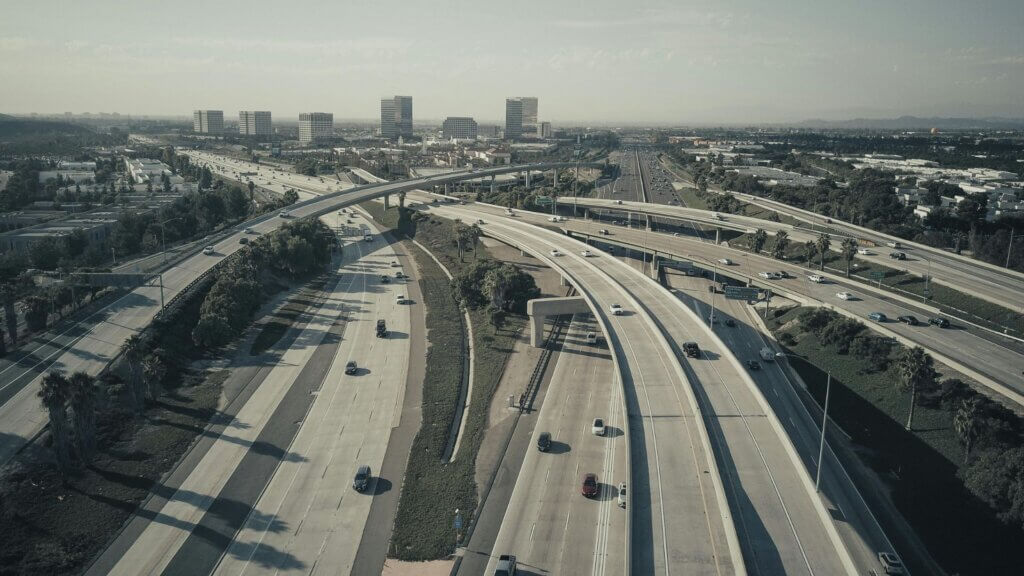
The United States is more exposed to oil price swings than most other developed economies. According to Rosemary Kelanic, director of the Middle East Program at Defense Priorities, U.S. oil intensity is twice that of the European Union and 40% higher than China’s. Limited public transportation and low electric-vehicle adoption leave most Americans with few alternatives when gas prices rise.
The global economy today uses roughly half as much crude as it did decades ago to produce the same output. Cars are more efficient, services have replaced manufacturing in many economies, and alternative fuels exist. But those shifts have been uneven, and the U.S. has been slower to transition. That lag means American households absorb a larger share of the pain when oil markets turn volatile.
Forbes contributor and petroleum economist Michael Lynch notes that gasoline consumption in the U.S. runs around 9 million barrels a day, or nearly 400 million gallons. A 50-cent increase in price pulls roughly $200 million a day out of consumers’ pockets. That works out to about 0.1% of total consumer spending, a figure that sounds small but hits hardest for people with longer commutes or larger vehicles.
From Airlines to Farms, the Ripple Effects Are Already Spreading

The pain is not limited to drivers. United Airlines CEO Scott Kirby said rising fuel costs, the airline industry’s second-largest expense after labor, will be passed on to passengers quickly. Jet fuel accounts for 20 to 30% of airline operating costs, according to Lynch. A 50% increase in jet fuel prices would effectively wipe out airline profits if fare hikes cannot keep pace with a weakening economy.
Farmers are entering planting season as diesel prices climb sharply, and Lynch estimates the current increase could add $2 to $3 billion to the agricultural sector’s costs. That squeeze on planting could reduce crop output and push food prices higher later in the year, adding another layer of inflation pressure on top of what consumers are already absorbing at the pump.
Energy economist Philip Verleger told the Wall Street Journal that the disruption in the Strait of Hormuz is hitting diesel and jet fuel prices disproportionately, because the Middle East is a primary source of those refined fuels. U.S. shale produces significant gasoline but less diesel and jet fuel. Oil from Venezuela can partially offset the gap, Verleger said, but not enough to compensate for what the region normally supplies.
The Broader Economic Risk Depends on How Long This Lasts
A prolonged oil shock carries risks well beyond the gas station. Lynch writes that if oil prices double from their starting level of $60, the total cost to the U.S. economy could reach roughly 1% of GDP. Because the U.S. is a net oil exporter, some of that transfer stays domestic, moving from consumers to producers rather than flowing abroad, but it does not eliminate the economic drag.
The Federal Reserve is caught in a difficult position. Lynch notes that a 50% rise in oil prices adds roughly 1 percentage point to the inflation rate, giving the Fed reason to hold rates higher for longer. But tighter monetary policy in a slowing economy risks amplifying the downturn. Energy economist Verleger pointed out that in 2022, the U.S. had a stimulus cushion and lower interest rates that no longer exist today.
For now, U.S. Energy Secretary Chris Wright has described the price surge as temporary. Oil futures markets, however, are beginning to price in a longer disruption than they were just a week ago. Lynch is clear that most economic effects from higher oil prices will be negative, and the longer the conflict persists, the harder it will be to avoid a broader slowdown.