

Products are selected by our editors, we may earn commission from links on this page.
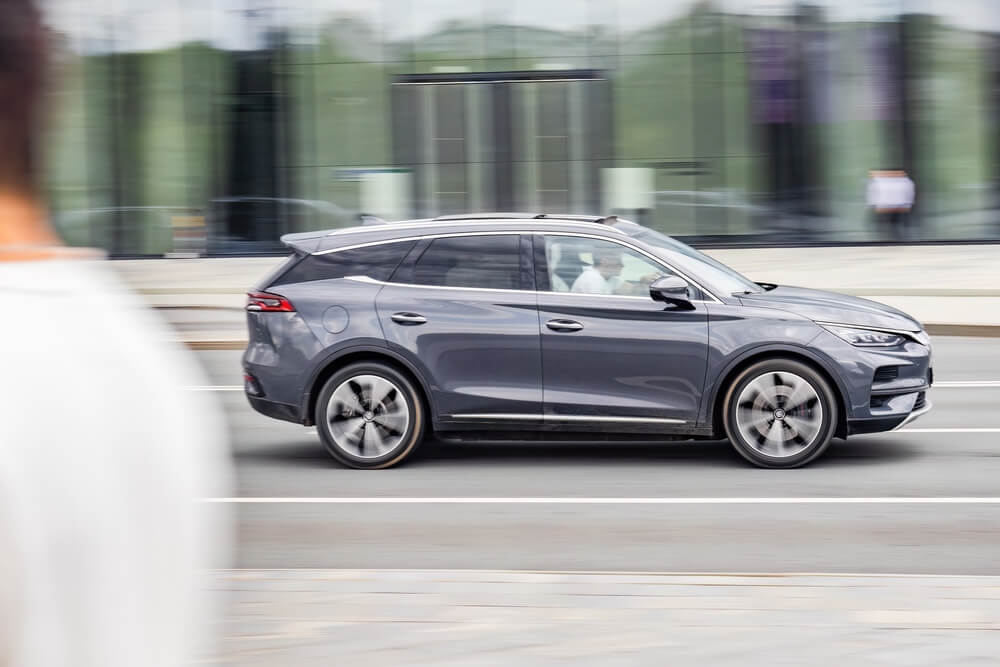
A white BYD sedan waiting at a traffic light in Placentia, California, looked ordinary enough—until it didn’t. For many Americans, the Chinese automaker remains something they see only in international auto shows, YouTube reviews, or reports about China’s booming electric vehicle industry.
So when a photo of the car appeared online, it quickly sparked a simple but persistent question: If Americans can’t normally buy a BYD, how did one end up driving through Southern California?
The image, shared on Reddit’s r/electricvehicles community, prompted hundreds of comments as users tried to explain the sighting. Many initially assumed the vehicle had somehow bypassed U.S. import restrictions. Others recognized a more familiar explanation for residents of border states: the car likely carried Mexican registration, where BYD has rapidly expanded its presence and sells a wide range of affordable electric vehicles.
The Border Rule Behind the Mystery
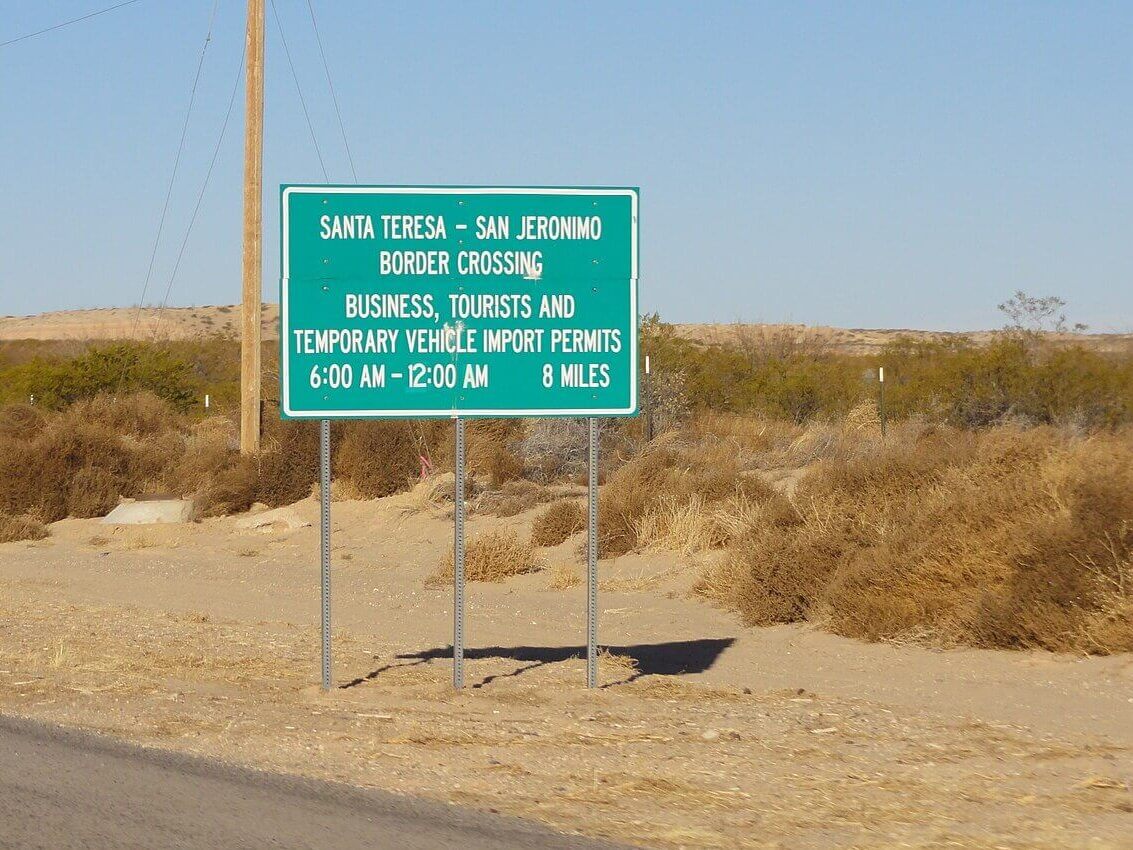
Federal agencies say foreign-registered vehicles can legally enter the United States without meeting American safety or emissions standards under specific circumstances. According to U.S. Customs and Border Protection, non-resident visitors may temporarily drive noncompliant vehicles into the country for legitimate personal purposes, including work, tourism, or vacation, provided they meet documentation requirements. Because these vehicles are not formally imported into U.S. commerce, they fall outside the normal certification process.
The National Highway Traffic Safety Administration has similarly explained that these vehicles are treated as temporary visitor vehicles rather than permanently imported automobiles. That means someone living in Mexico, for example, can legally cross into California in a BYD registered there without making the vehicle available for sale in the United States or registering it as a U.S. vehicle.
That explanation aligns with what many drivers living near the border say they regularly encounter. Reddit users from Southern California, Arizona, Las Vegas, and San Diego described seeing BYDs and other Chinese brands with Mexican license plates, noting that the vehicles have become increasingly common as Chinese automakers expand across Mexico. Rather than representing a loophole for American consumers, these sightings largely reflect normal cross-border commuting and travel.
Why Americans Still Can’t Buy One

The attention surrounding a single BYD reflects a much larger reality: affordable Chinese electric vehicles remain largely unavailable to American buyers despite their growing popularity elsewhere. In China, models such as the BYD Seagull have attracted international attention with prices around $10,000 before export costs and regulatory changes, while even larger models often sell for far less than comparable vehicles in the United States.
American policymakers have argued that unrestricted imports could threaten domestic manufacturing, especially as Chinese automakers benefit from large-scale production and government support. Previous administrations imposed substantial tariffs on Chinese-made vehicles, and those trade barriers have continued to shape the U.S. market. Industry groups representing American manufacturers have warned that heavily subsidized Chinese vehicles could undercut domestic automakers before they have an opportunity to expand their own affordable EV offerings.
Consumers, however, often see a different side of the equation. With average new vehicle prices remaining well above what many households can comfortably afford, inexpensive Chinese EVs have become symbols of a market Americans can watch but not access. That tension has fueled ongoing discussions over whether current trade policies primarily protect domestic jobs or limit consumer choice during the transition to electric transportation.
One Car, A Much Bigger Debate
The California sighting has arrived as lawmakers push for even tighter restrictions on Chinese vehicles. Bipartisan legislation proposed in Congress would seek to address concerns that connected vehicles could collect sensitive data through cameras, sensors, navigation systems, and wireless communications. Supporters argue modern automobiles function as sophisticated data platforms and say foreign-made connected vehicles could present national security risks alongside economic concerns.
Those arguments extend beyond manufacturing. Some lawmakers have cited the possibility that connected vehicles could gather information about infrastructure or sensitive locations, while others point to China’s industrial policies and growing dominance in global electric vehicle production.
Critics of broader restrictions, meanwhile, contend that the discussion also reflects concerns over economic competition and the affordability gap separating American consumers from lower-cost EV options available overseas.