

Products are selected by our editors, we may earn commission from links on this page.
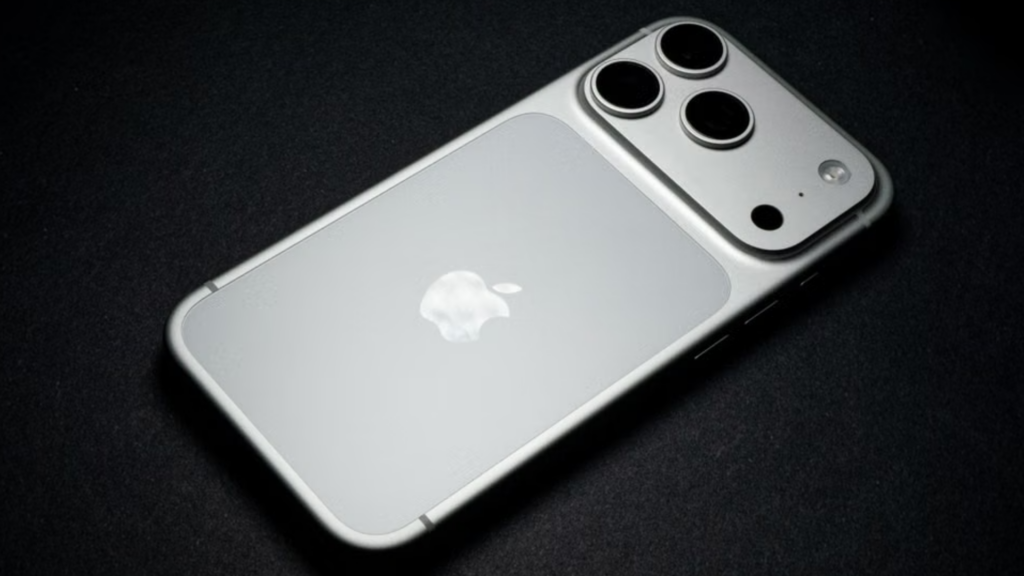
Apple customers could soon face higher prices on some of the company’s most popular products as rising memory chip costs put pressure on the tech giant’s famously efficient supply chain. According to reports, Apple CEO Tim Cook recently acknowledged that increasing costs for memory and storage components have become difficult for the company to absorb, making future price increases increasingly likely.
The situation is being driven largely by the artificial intelligence boom, which has created enormous demand for advanced memory chips used in data centers and AI infrastructure. As technology companies compete for limited supplies, manufacturers have been raising prices for key components used in smartphones, tablets, and computers.
The prospect of higher Apple prices raises an important question for consumers and investors alike: will loyal customers continue paying premium prices, or could rising costs eventually slow demand for the company’s products?
AI Demand Is Creating A Memory Chip Crunch
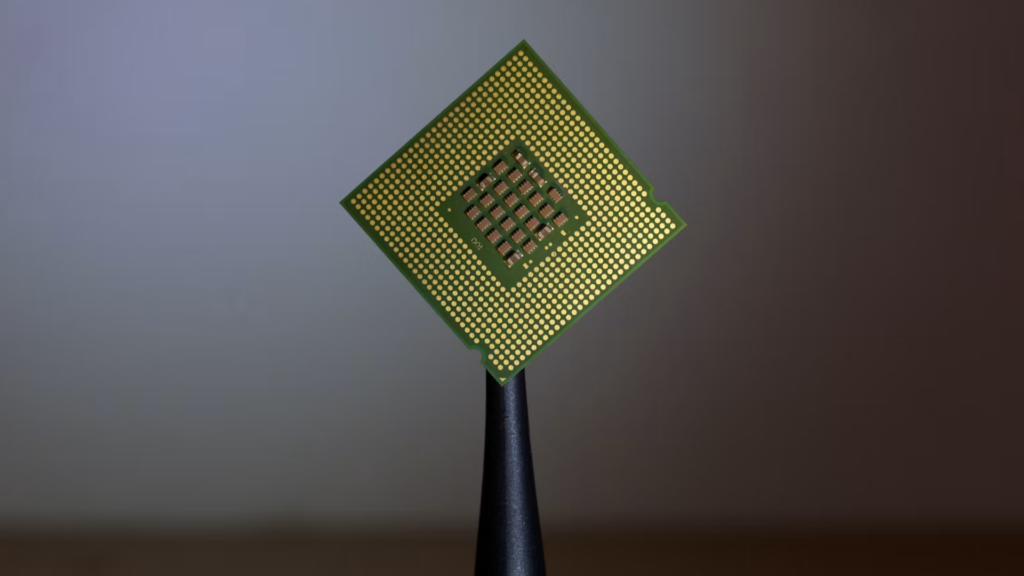
According to Tim Cook, Apple is facing significant increases in both memory and storage costs as chip suppliers shift more production toward high-bandwidth memory used in AI servers. The rapid expansion of AI infrastructure by companies such as Microsoft, Google, Meta, and Amazon has dramatically increased competition for these components, reducing supply available for consumer electronics.
Cook reportedly described the situation as “unsustainable,” explaining that Apple has worked to shield customers from rising component costs but can no longer absorb all of the increases internally. Analysts note that DRAM prices have risen sharply as manufacturers prioritize higher-margin AI-related products.
Industry experts believe the shortage may not be resolved quickly. As AI adoption continues accelerating, memory manufacturers are directing substantial resources toward serving data center customers, leaving consumer electronics companies to compete for a shrinking pool of available supply.
Apple’s Loyal Customers May Be Tested
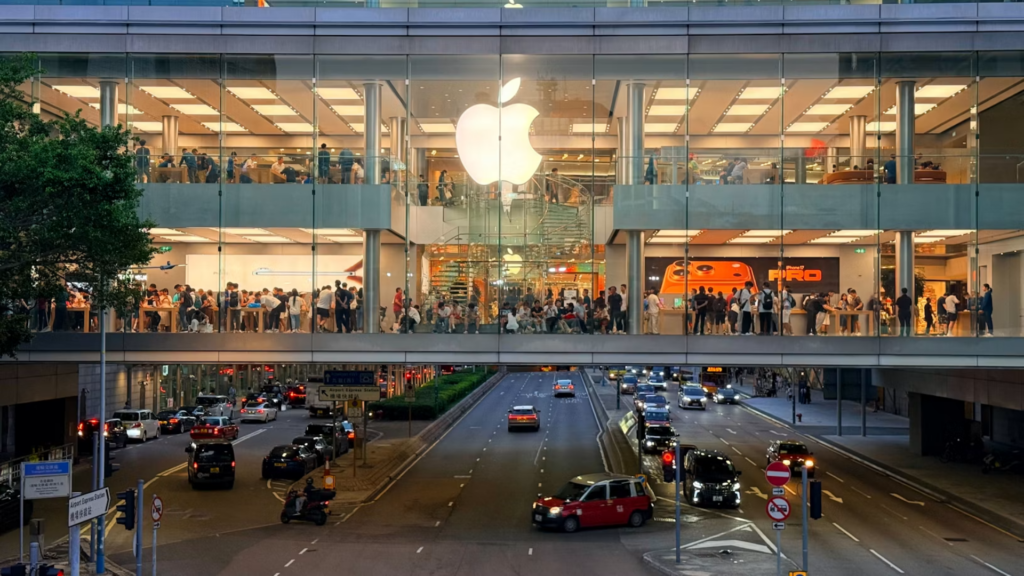
Apple has historically enjoyed one of the most loyal customer bases in the technology industry. Many consumers regularly upgrade their iPhones, MacBooks, and iPads despite premium pricing, allowing the company to maintain strong profit margins even during economic uncertainty.
However, analysts suggest there could be limits to how much consumers are willing to pay. Reports indicate that future flagship devices, particularly AI-enabled products requiring larger memory configurations, could experience some of the biggest price increases if component costs continue rising.
Some consumers may respond by keeping devices longer or turning to refurbished and used products rather than purchasing the newest models. In fact, industry observers have already noted growing interest in the secondary market as buyers look for ways to avoid rising technology costs while still remaining within Apple’s ecosystem.
Despite these concerns, Apple’s brand strength remains formidable. The company continues to benefit from a tightly integrated ecosystem of hardware, software, and services that many users are reluctant to leave, even when prices increase.
The AI Era Could Reshape Consumer Electronics Pricing
The potential Apple price hikes may represent a broader shift affecting the entire consumer technology industry rather than a challenge unique to one company. Several technology manufacturers have warned that rising memory and storage costs are creating new pressures across the market as AI infrastructure consumes an increasing share of global semiconductor production.
For consumers, that could mean more expensive smartphones, laptops, tablets, and other electronics over the next several years. Companies will likely face difficult decisions about how much of those costs they absorb and how much they pass on to customers.
Ultimately, Apple’s decision to raise prices may serve as an early indicator of how the AI revolution is affecting everyday products. While loyal Apple customers may continue purchasing premium devices, the coming months could reveal whether even the world’s most valuable consumer technology brand has limits to the pricing power it can command.