


Products are selected by our editors, we may earn commission from links on this page.

Coffee dates are having a moment, and it’s not nostalgia driving it. As living costs climb, singles are trading candlelit dinners for simpler outings, like a walk in the park or a home-cooked meal instead of a big night out. Dating coaches and financial experts have given the trend a name: infladating, a habit born from tighter budgets and a preference for connection over flash.
Dateflation Is Another Name for the Same Trend
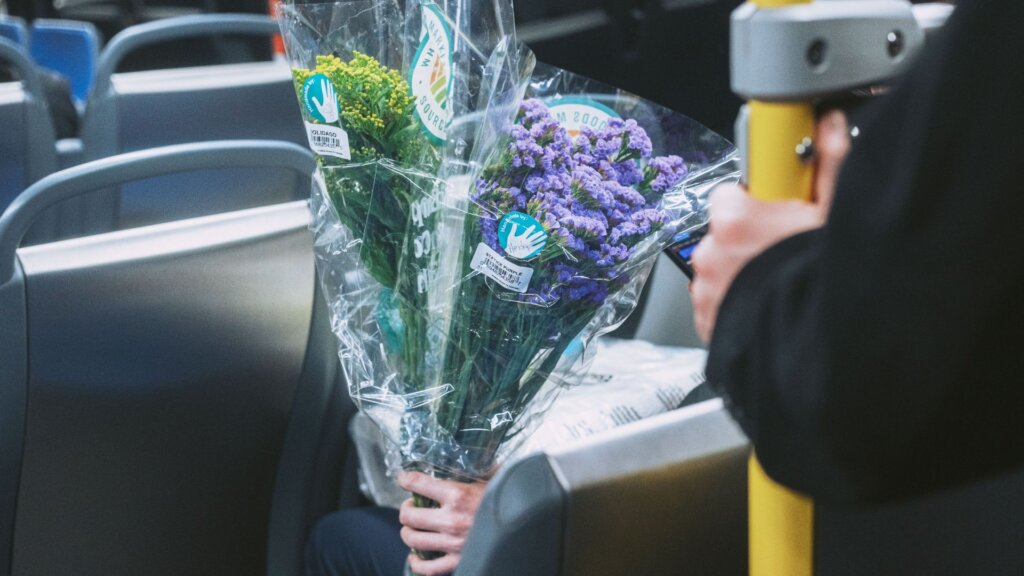
Infladating goes by another name too, dateflation, both describing the same move toward more budget-friendly dating as prices keep climbing higher. Matchmaker Susan Trombetti, CEO of Exclusive Matchmaking, says the trend really comes down to spending with more intention, but not less romance. For many singles, that intention is less about cutting corners and more about rethinking what romance actually requires.
Rent and Groceries Are Eating Into Date Night Budgets
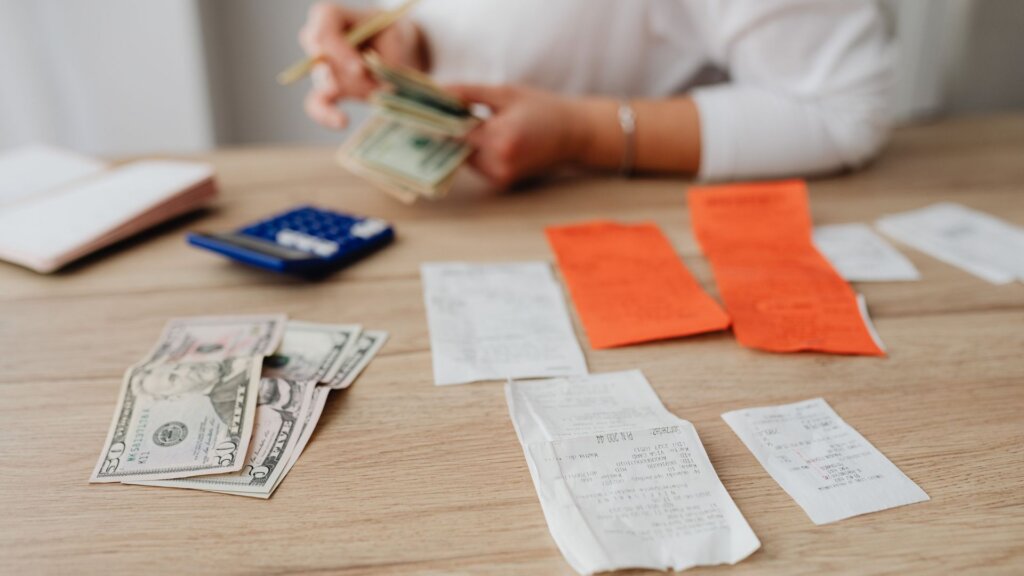
Rent, groceries, and gas alone are straining date night budgets. Michael McAuliffe, president and founder of Family Credit Management, points out that basic costs like housing, food, and fuel have outpaced most people’s paychecks in recent years. When budgets tighten, discretionary spending goes first, and a dinner date or round of drinks is often easier to cut than a car payment or an apartment lease.
Singles Are Getting Choosier About Who Gets a Big Date
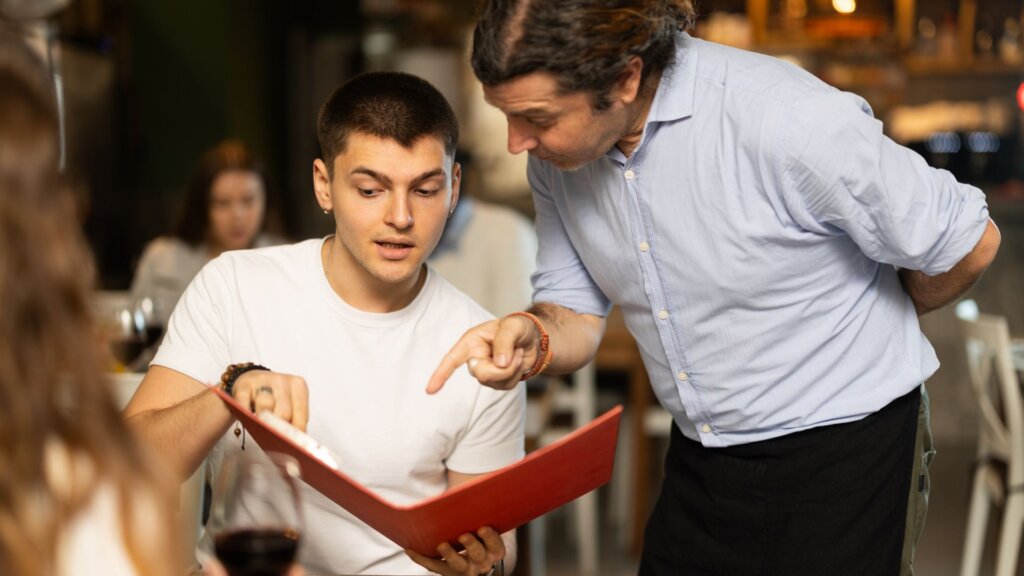
Budget-consciousness is also making people pickier about who they date, especially in the early stages. Dating coach Damona Hoffman, author of “F the Fairy Tale,” has observed that daters now weigh whether someone is worth a pricier outing, not just what they’ll do together but who has earned that kind of investment. Many are saving bigger dates for a relationship that already shows real potential.
For Some, Infladating Is What Brings Them Back to Dating
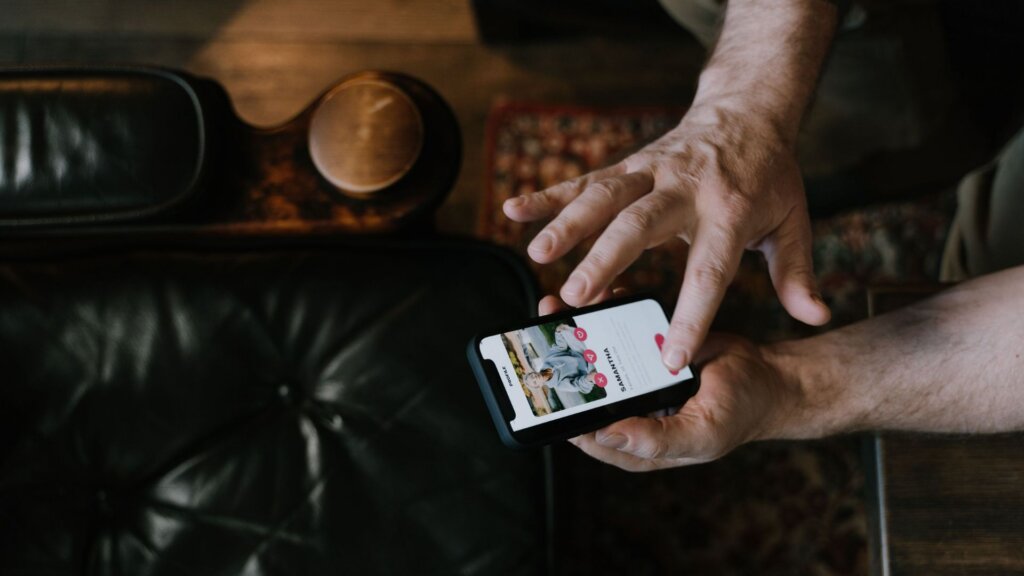
Some singles are opting out of dating altogether rather than face the expense. Dating coach and author Amy Chan says she notices this especially among male clients who feel self-conscious when they can’t foot the bill at a nice restaurant on a first outing. Her view is that if infladating gives people an easier, more affordable way back into dating, that’s a welcome change worth embracing, not a downgrade.
Short, Low-Key Dates Set a Different Kind of Pace
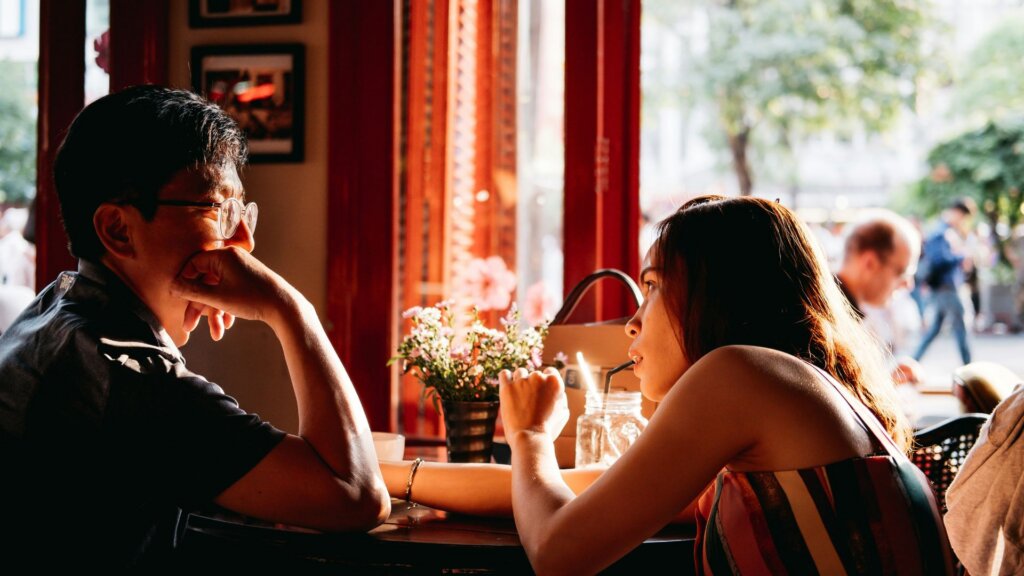
Low-key dates also change the rhythm of a first meeting. Chan suggests keeping a first date brief and easy, something like coffee, so either person can head home after an hour if there’s no spark, or keep the night going somewhere else if there is. That structure, she says, builds anticipation for a bigger date down the line, instead of forcing a connection over an expensive meal from the start.
Fewer Distractions Can Mean a Clearer Read on a Match

There’s a related upside that reporters and coaches keep coming back to. With no expensive dinner or elaborate outing to manage, both people can focus on whether they actually enjoy each other’s company, without a big bill hanging over the evening. Fewer distractions can make it easier to notice whether someone is curious, considerate, or simply present, qualities that tend to outlast whatever a first date cost.
A Lavish First Date Can Actually Be a Red Flag
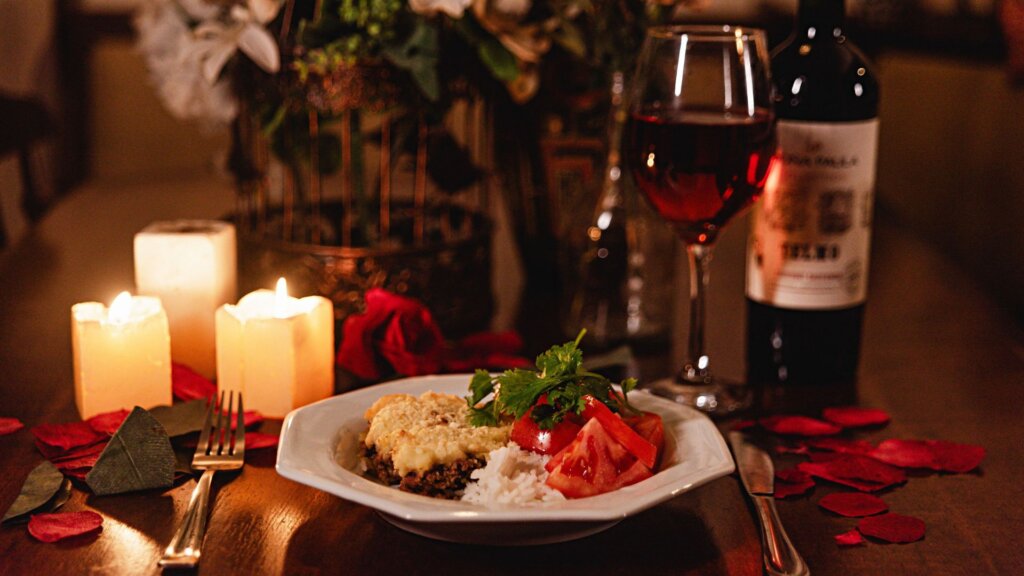
Experts caution the opposite can be a warning sign, too. Chan notes that a date who goes all out early, booking a lavish dinner or a grand gesture before really knowing someone, may be love bombing rather than showing real interest. That kind of intensity hasn’t been built on anything yet, and it can reveal more about how someone wants to come across than how they actually feel.
Financial Discipline on a Date Can Signal More Than Thrift
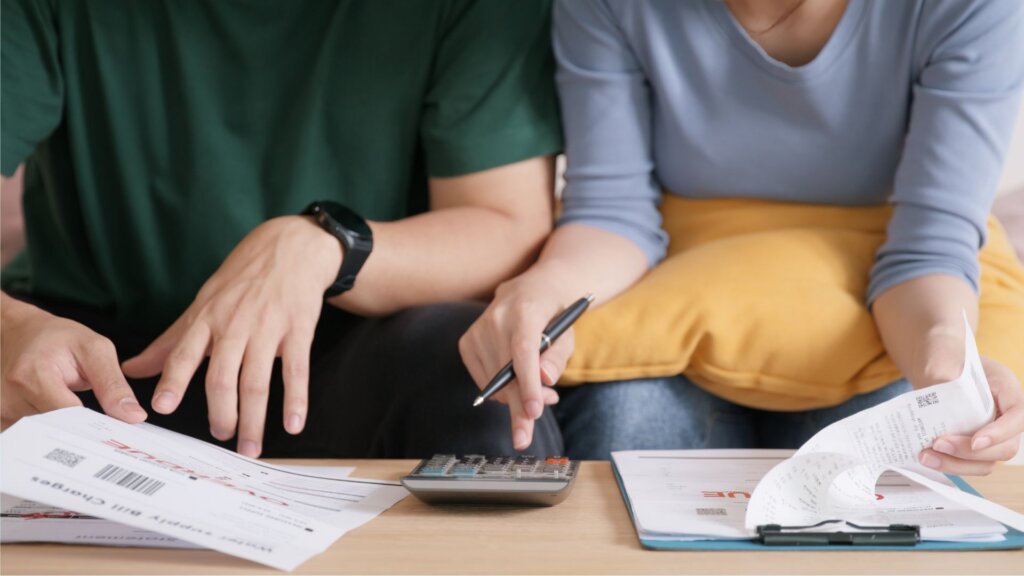
McAuliffe sees infladating as part of a bigger financial story in someone’s life rather than a passing dating trend. Someone careful with money on a date is often applying that same discipline across their whole life, from groceries to rent to everyday bills. If the relationship eventually leads to living together or marriage, that discipline could matter just as much as it does on a first date.
It Is Not About Spending Less on Someone, It Is About Spending Smarter
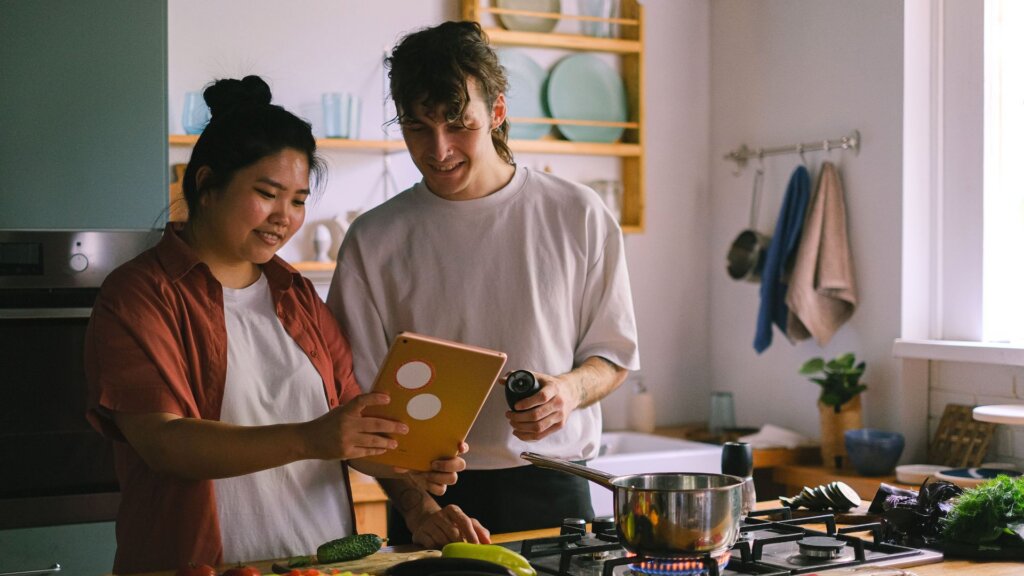
Infladating leaves the romance intact and redirects the energy from spending to effort, experts agree. As Trombetti sees it, the trend means spending smarter on a date, never caring any less about the person across the table. For a growing number of singles navigating a much tighter economy, that trade-off feels less like settling and more like dating on their own, more sustainable terms.