

Products are selected by our editors, we may earn commission from links on this page.
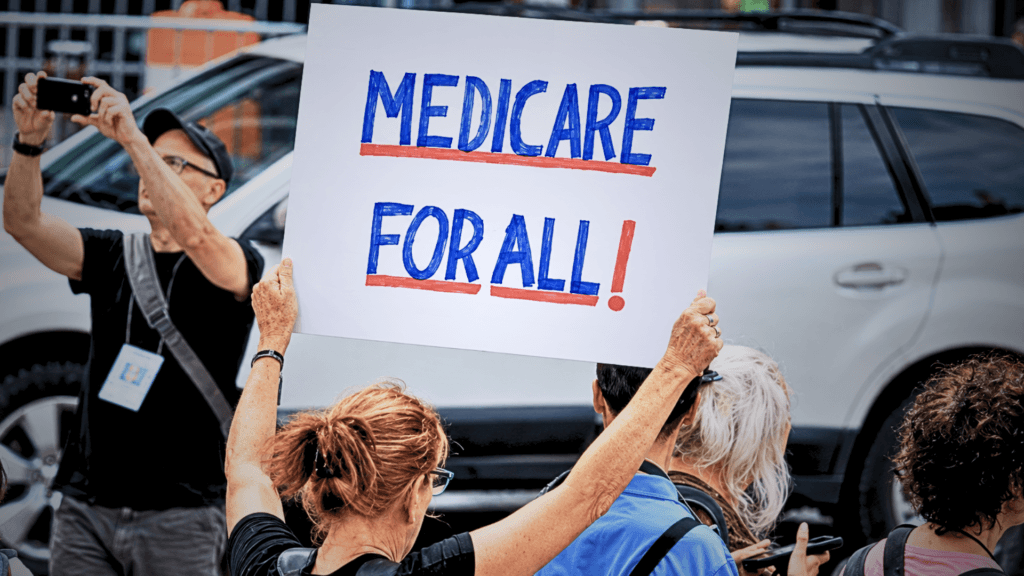
Millions of older Americans expect their healthcare costs to rise every single year, but a sudden announcement is flipping that expectation on its head. The federal government plans to send a one-time ninety-dollar payment directly to more than twenty million seniors enrolled in Medicare Part B. While a surprise payment sounds like simple good news, it has sparked a massive political battle in Washington over where that money comes from.
The White House unveiled the plan as a direct effort to help older citizens handle their medical bills. Most eligible seniors will see the ninety dollars land in their bank accounts through direct deposit, while others will receive a paper check in the mail. Government officials say the money is ready to go out to people across the country right away.
The money for these checks comes from a special government fund that has sat largely unused for nearly two decades. Congress created the Medicare Improvement Fund back in 2008 with roughly two billion dollars meant to upgrade healthcare programs. For years, lawmakers from both parties used that money for quiet budget trades instead of sending it directly to patients. That long pattern just broke completely.
How a Forgotten Two Billion Dollar Fund Became an Immediate Political Flashpoint

The choice to tap this specific fund caught leaders in Washington completely off guard. Congressional aides from both political parties said they had no warning before the announcement went public. Lawmakers had already planned to use that same two billion dollars to pay for other vital healthcare programs this year. Now those planned budget items face sudden financial uncertainty.
Congress usually relies on this pool of money to keep several essential community health initiatives running smoothly. The funds were slated to support local community health centers, train new doctors, and pay for special diabetes care programs nationwide. Diverting the cash directly to seniors leaves a giant hole in those program budgets. Critics warn that saving seniors money today might harm community clinics tomorrow.
Lawmakers are openly questioning whether the executive branch even has the legal authority to issue these checks unilaterally. Opponents call the move an unauthorized stunt designed to win votes right before upcoming midterm elections. Some frustrated officials are threatening to delay government appointments until they get answers. That tension turns a simple check into a huge legal showdown.
What Ninety Dollars Actually Means for Seniors Facing Soaring Monthly Expenses
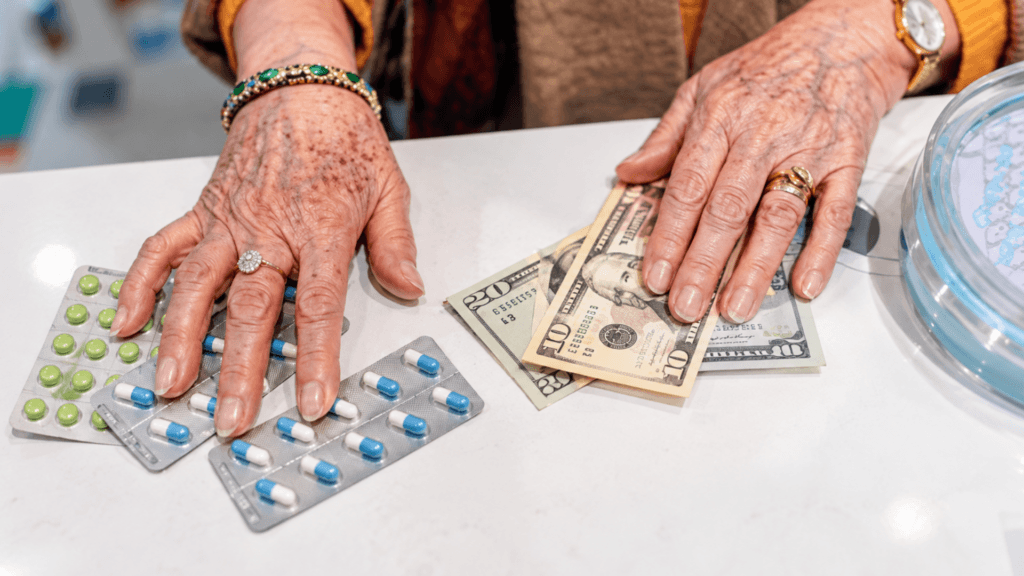
For a retiree living on a strict monthly budget, any unexpected cash provides a moment of real relief. Ninety dollars can easily cover a week of groceries, pay an electric bill, or buy necessary prescription drugs. Yet healthcare experts point out that a single check does not lower the overall price of medical care. It acts like a small band-aid on a much larger financial strain.
The single payment arrives right after Medicare Part B monthly premiums jumped up significantly for the year. Monthly costs rose by nearly eighteen dollars per person, adding over two hundred dollars in new expenses across a full year. This one-time check covers only a fraction of that overall increase. Senior advocacy groups note that basic living costs continue to outpace these temporary relief efforts.
This program is not the only cash delivery plan floated to voters ahead of election day. Administration officials also started mailing out five-hundred-dollar refund checks to nearly one million people who bought health insurance through federal exchanges. Other larger promises, like a proposed five-thousand-dollar dividend check for all adults, remain stuck in doubt. Everyday citizens are left trying to separate real relief from political promises.
The New Blueprint of Governance Where Cash Delivery Replaces Structural Reform
Sending direct cash checks represents a fundamental shift in how the federal government approaches healthcare assistance. Instead of passing complex laws to lower doctor fees or drug prices, leaders are handing money straight to voters. It delivers instant satisfaction to taxpayers. But it completely sidesteps the hard work of fixing the systemic causes behind sky-high medical bills.
Bypassing normal legislative approval sets a dramatic precedent for how public money gets spent in America. When presidents use administrative funds to mail direct checks, it changes the balance of power between Congress and the White House. Future administrations could routinely drain specialized program funds to issue popular payments whenever elections draw near. The line between official policy and campaign strategy is fading fast.
A ninety-dollar deposit will certainly help millions of seniors pay their immediate bills this month. But once that money is spent, the structural rising costs of aging in America remain completely unchanged. Relying on one-time payouts leaves the underlying healthcare crisis entirely intact. True relief requires lasting structural changes, not just temporary checks arriving in the mail.