

Products are selected by our editors, we may earn commission from links on this page.
Baltimore’s city government cut off its own inspector general’s access to records earlier this year, triggering a legal battle, a packed City Hall hearing, and a public backlash that has put Mayor Brandon Scott on the defensive. The conflict escalated after Inspector General Isabel Mercedes Cumming’s office flagged potential fraud in a city-run youth-diversion program and released a report detailing spending that included approximately $50,000 on food and drinks at city-owned stadium skyboxes during Baltimore Orioles and Ravens games over roughly three years. The spending included crab cakes and Old Bay wings. Residents are not pleased.
The rift between Scott and Cumming ignited during her office’s probe of a pilot youth-diversion program, which Cumming had criticized for issues including poor data collection. The program ended in 2024. Her office later referred two potentially fraudulent invoices to law enforcement. The probe expanded into a dispute over record access when the city provided Cumming’s office with heavily redacted invoices in January. She issued a subpoena for unredacted versions. The city ignored the subpoena and instead announced it had discovered the inspector general had what it described as “unapproved and unfettered access” to legally protected confidential work product and communications. Access was cut off.
Baltimore’s Deputy Inspector General Matt Neil described what happened next in testimony before a City Council committee: “Just like that, our access was gone.” In early February, the city publicly announced changes to the inspector general’s office it said state law required, including mandatory confidentiality provisions for personnel, medical, and financial information. Scott says he supports the watchdog role but maintains that state law limits what the inspector general’s staff is permitted to see. “We are in full support of transparency,” the twice-elected mayor told the Wall Street Journal. “But it has to be done the right way.” Cumming’s view is direct: “This is an attempt to stop transparency.”
The Spending That Lit the Fuse: Stadium Boxes, Fruit Trays, and a $163,000 SUV

Scrutiny of the mayor’s office spending intensified in late February when Cumming released a report detailing $167,000 in spending over roughly three years, much of it on food, by mayor’s office staffers who did not obtain necessary spending waivers. The report described the expenditures as covering “birthday celebrations, employee appreciations, baby showers, and flowers for a selective few, including executive leadership.” It also cited correspondence from 2025 in which an unnamed mayor’s office executive requested that “a fresh fruit tray available to everyone in the mayor’s suite daily.”
Public reaction was immediate and sharp. Terence Dickson, a Baltimore cafe owner who says he is struggling financially, told the Wall Street Journal: “You can go to Sam’s Club and get a bag of oranges for $8 and a bag of apples for $8, and you put them in a bowl on a desk.” The mayor’s office responded by saying it had strengthened internal controls while challenging some of Cumming’s “characterizations and implications” about the spending. Scott defended the stadium box spending specifically, noting his office often invites what he described as “everyday Baltimoreans” and rank-and-file city workers to the events, in addition to political figures. City officials noted that the questioned expenses equated to 0.19% of the mayor’s office budget for the period.
Scott has also faced questions about his $163,000 city-provided SUV. He described the vehicle as “a police vehicle with police equipment on it.” The combination of the stadium spending report, the fruit tray request, the SUV, and the record access dispute has created a sustained political problem for Scott at a moment when, as David Paleologos, director of the Suffolk University Political Research Center, told the Journal, people who are struggling to pay their own bills are watching officials “blowing money on crab dinners and boxes and all of these extra amenities.” The spending details have given voters in a financially strained city concrete examples to point to.
The Personal Escalation: AI Images, Ethics Complaints, and a Lawsuit

The conflict between Scott and Cumming moved beyond policy disputes in April when Cumming shared a YouTube video on her personal Facebook page about the administration’s spending. The video contained an AI-generated thumbnail depicting Scott smoking a cigar, holding shopping bags and what appeared to be alcohol, surrounded by piles of cash. Cumming’s post described the video as tying “many things together.” She quickly apologized, saying she had not noticed the AI image before posting and did not endorse or support it. Scott said he was “very disappointed” and noted that he does not drink or smoke.
Scott, who is 42, connected the image to a broader dynamic. “That just adds on to the fire that we’re talking about, like, oh yeah, it is a young Black guy, he has to be corrupt,” he said. His chief of staff filed an ethics complaint against Cumming shortly after, arguing that the AI image and several social media posts raised “serious questions” about her objectivity. Cumming called the focus on the AI image a distraction. “My motivation is for the public,” she told the Journal. “We are an independent watchdog.” Scott’s camp had previously characterized Cumming as following “Trump-aligned MAGA” accounts on X, a charge that deepened the personal dimension of the dispute.
Cumming also filed a lawsuit against the Scott administration over the loss of record access. The city attempted to have the case dismissed by arguing that the city cannot sue itself. A judge allowed the suit to proceed. The legal battle, the ethics complaint, the public spending reports, and the City Hall hearing together represent a level of institutional conflict between a mayor and an inspector general that has drawn the attention of Baltimore residents and national observers. Beth Hawks, a waterfront boutique owner who closed her shop to attend the City Hall hearing, told the Journal: “We as taxpayers have every right to know where our dollars are going.”
The City Hall Hearing and What Happened When Voters Showed Up

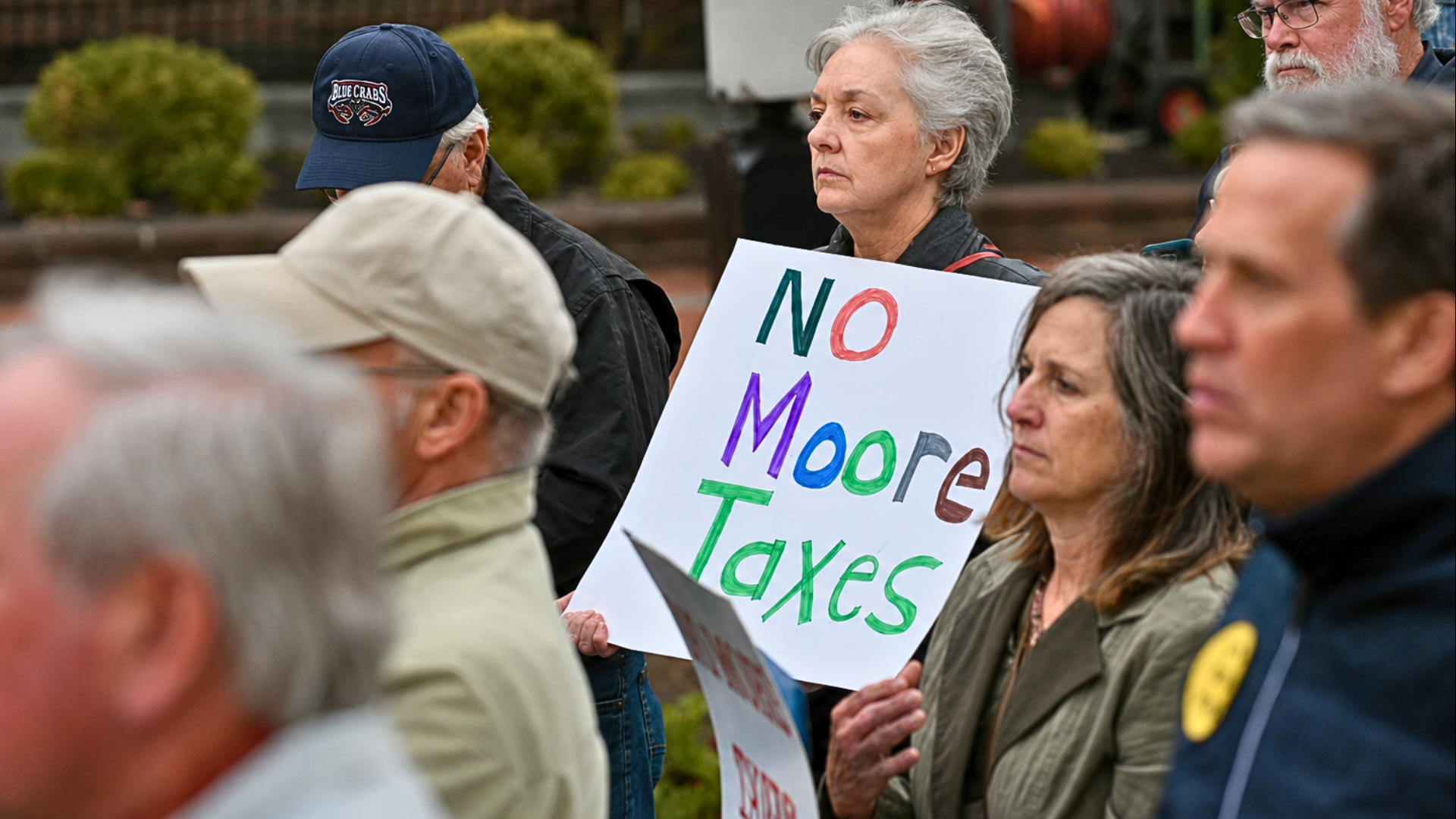
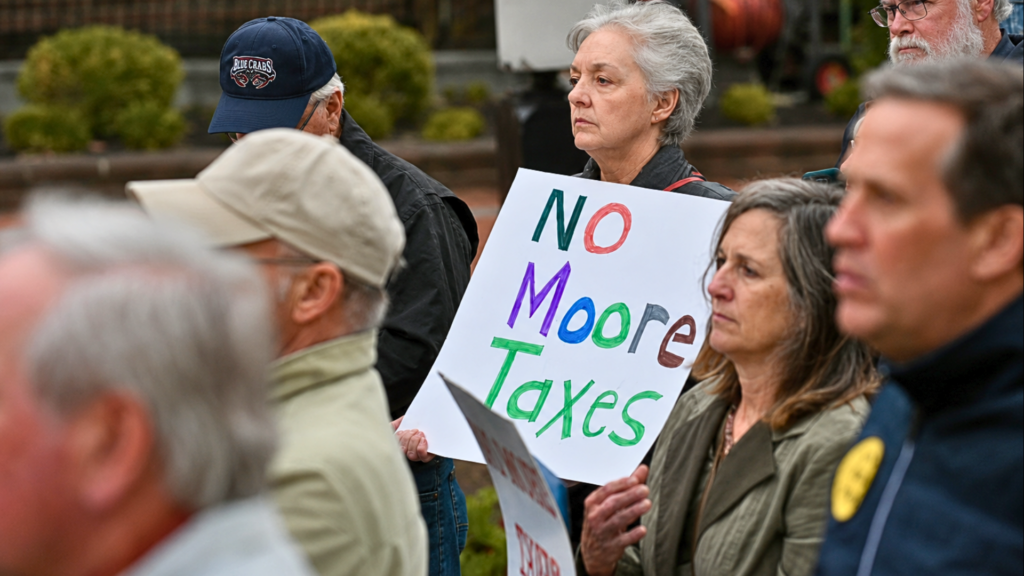
The conflict reached a public peak at Baltimore’s City Hall, where the all-Democratic City Council considered a proposal to explicitly grant the inspector general access to records. The chamber was packed. Residents addressed the council in two-minute speaking slots, many criticizing the mayor’s office directly. “Any waste is an injustice to the people,” resident Carson Ward told the council. “Transparency is not a threat to those who have nothing to hide.” The hearing drew supporters of Cumming’s office who had followed the spending reports and the record access dispute closely enough to take a day off work to attend.
The proposal stalled. A city lawyer framed it as an illegal end-run around the state Public Information Act. On Monday, in a development that represented a win for Scott, the City Council declined to vote the proposal out of committee, reducing the chances of it reaching the fall ballot for voter approval. The lone yes vote came from Councilman Mark Conway, the proposal’s sponsor, who urged his colleagues earlier in the hearing to resist political pressure from the mayor’s office. Conway drew sustained applause from the audience when he cast his vote.
The Baltimore dispute is part of a pattern appearing in cities across the United States. At the federal level, President Trump fired or forced out approximately 20 inspectors general across various agencies. The tension between elected officials who control city resources and independent watchdogs tasked with scrutinizing those resources is a structural one that does not resolve easily, particularly when public trust in government spending is already low. For Baltimore residents watching the story unfold, the core question is simple and the same one Beth Hawks articulated at the hearing: where are the dollars going, and who gets to find out.