

Products are selected by our editors, we may earn commission from links on this page.

As gasoline and diesel prices climb, banks are collecting significantly more in credit card “swipe” fees, with estimates reaching as high as $58 million per day. Data highlighted by the Merchants Payments Coalition shows that because these fees are calculated as a percentage of each transaction, higher fuel prices directly translate into larger revenues for card issuers.
According to figures cited in the report, the average swipe fee on a gallon of gasoline priced at $4.14 was about 9.8 cents, while diesel at $5.65 carried a fee of roughly 13.3 cents. Combined across nationwide fuel purchases, this adds up quickly, especially as more consumers rely on credit cards at the pump.
The coalition notes that daily swipe fee revenue has risen sharply in recent weeks, climbing roughly 19% from about $49 million per day just a month earlier. This increase underscores how sensitive fee-based revenue streams are to fluctuations in commodity prices, particularly in energy markets.
Banks Report Strong Profits Amid Economic Pressures
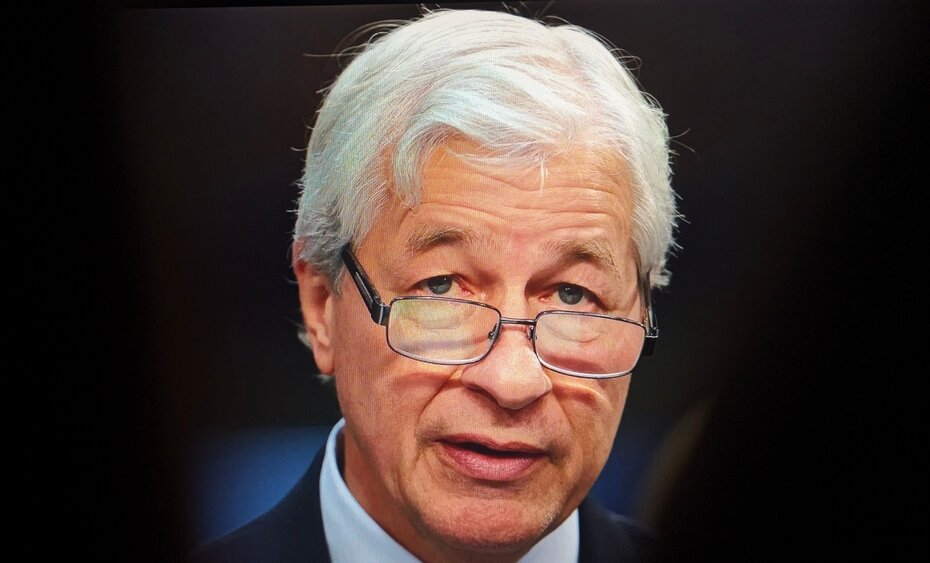
The increase in swipe fee revenue comes alongside broader gains for major U.S. banks. Financial institutions including JPMorgan Chase and Citigroup have reported notable profit growth, buoyed by strong performance across consumer and investment banking divisions.
JPMorgan posted quarterly profits of $16.5 billion, marking a 13% year-over-year increase, while Citigroup reported a 42% jump to $5.8 billion. These figures reflect not only higher transaction-based income but also resilience among consumers and businesses despite rising energy costs.
Bank executives have struck a cautious tone, however. According to reporting from Agence France-Presse, JPMorgan CEO Jamie Dimon described the economy as still healthy but facing growing risks, including volatile oil prices and geopolitical uncertainty. The same factors pushing fuel prices higher and boosting swipe fees could also strain consumers over time.
Merchants Push Back on Fee Structure

Retailers and merchant groups argue that the current fee model unfairly benefits banks and card networks. Because swipe fees are set as a percentage of the purchase price, they rise automatically when prices increase, even though processing costs remain largely unchanged.
Industry representatives say this dynamic effectively amplifies the burden on businesses and consumers alike. Higher fees on fuel purchases can ripple through the economy, increasing transportation costs and, ultimately, the price of goods delivered across the country.
Merchants also point to a disparity in profit margins. While large banks and card networks report margins exceeding 20%, and in some cases over 50%, retailers typically operate on margins closer to 3%. This imbalance has fueled criticism that the system lacks sufficient competition and transparency.
Policy Debate Intensifies Over Swipe Fee Reform

The rising revenue from swipe fees has renewed calls for regulatory action in Washington. Merchant groups are advocating for the Credit Card Competition Act, which would require large banks to enable transactions over multiple networks, potentially lowering fees through increased competition.
Supporters of the proposal argue that such reforms could save merchants and consumers billions annually. Estimates suggest the measure could reduce costs by as much as $17 billion a year, easing pressure on household budgets already affected by higher fuel and energy prices.
Opponents, including some financial institutions, have historically argued that swipe fees help fund fraud protection, rewards programs, and payment infrastructure. The debate is likely to intensify as fuel prices remain elevated and scrutiny of bank profits grows.
As energy markets remain volatile, the intersection of fuel costs, banking profits, and consumer spending will continue to draw attention. Whether policymakers act on growing concerns about swipe fees may shape how these costs are distributed across the economy in the months ahead.