

Products are selected by our editors, we may earn commission from links on this page.
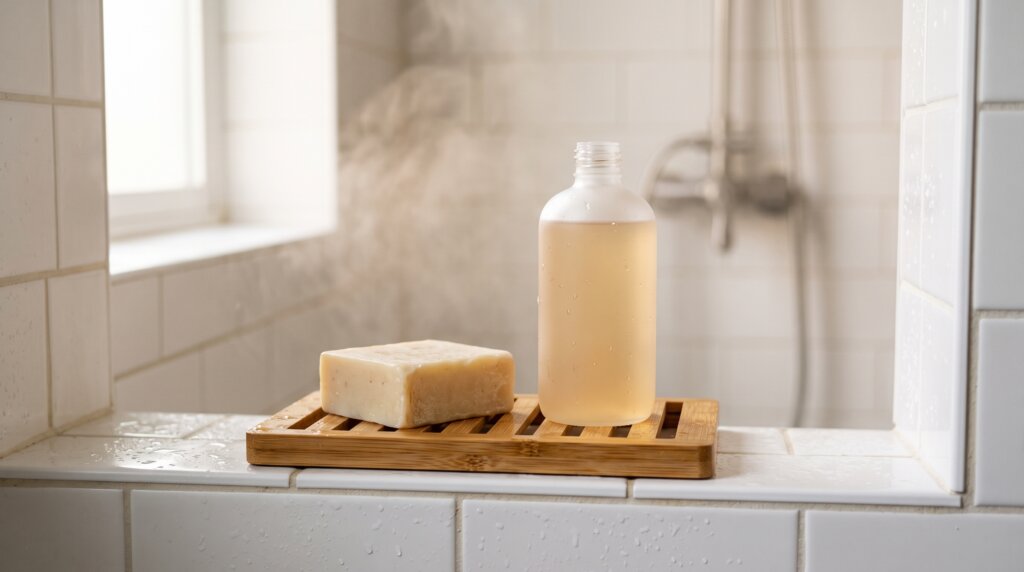
Most of us grab a cleanser without a second thought. It sits in the shower, does its job, and we move on. But dermatologists say the choice between a bar and a bottle can change how your skin feels long after you towel off. Body wash has been the popular pick for years because it travels well, stores easily, and is simple to share. Lately, though, bar soap has been making a comeback, with new versions aimed at specific skin concerns and even hair. So which one deserves a spot in your shower? First, let’s look at what really sets them apart.
This article was created with the assistance of AI and reviewed by our editorial team for accuracy and clarity.
How a Bar and a Bottle Are Made Differently

The biggest difference starts with how each product is made. Bar soap is solid and usually more concentrated, and it is formed through a process called saponification, which typically uses fats and oils. Body wash is a liquid that skips that process. Instead, it blends water with conditioning and moisturizing ingredients, and sometimes oils or added active ingredients. That basic difference in recipe shapes almost everything else, from how each one feels on your skin to how long it lasts. But when it comes to the actual cleaning, the two have more in common than you might expect.
Here’s What Actually Gets You Clean
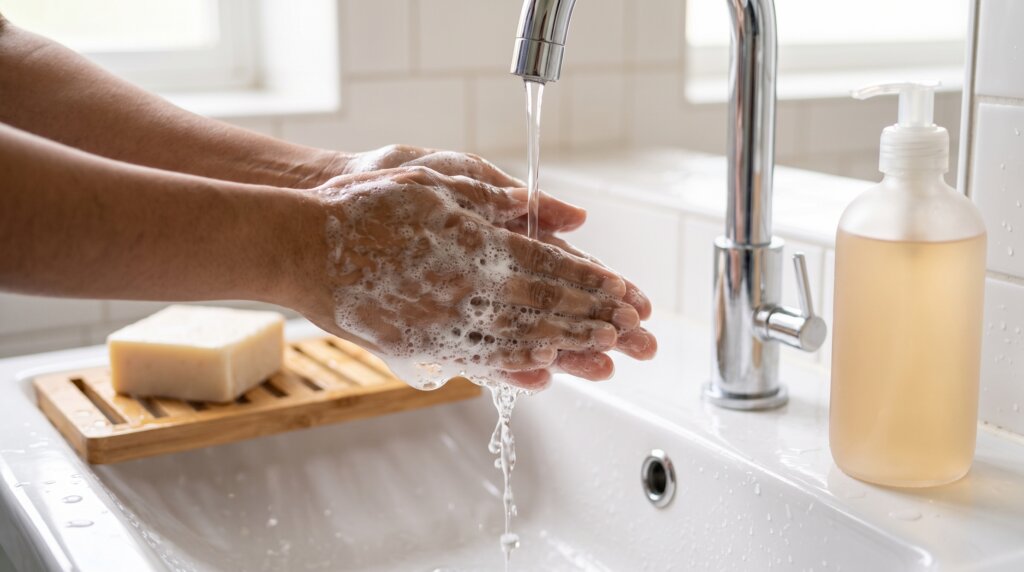
Here is a surprise: bar soap and body wash clean in much the same way. Both contain ingredients called surfactants, which combine with oils and dirt on the skin so they can rinse away with water. Think of surfactants as helpers that grab onto grime so water can carry it off. Neither product is cleaner than the other in that basic sense. The real difference is what else each one does to your skin while it works. And that comes down to a number most people never think about, one that can decide whether your skin feels comfortable or tight after a shower.
The Skin Number Most People Have Never Heard Of
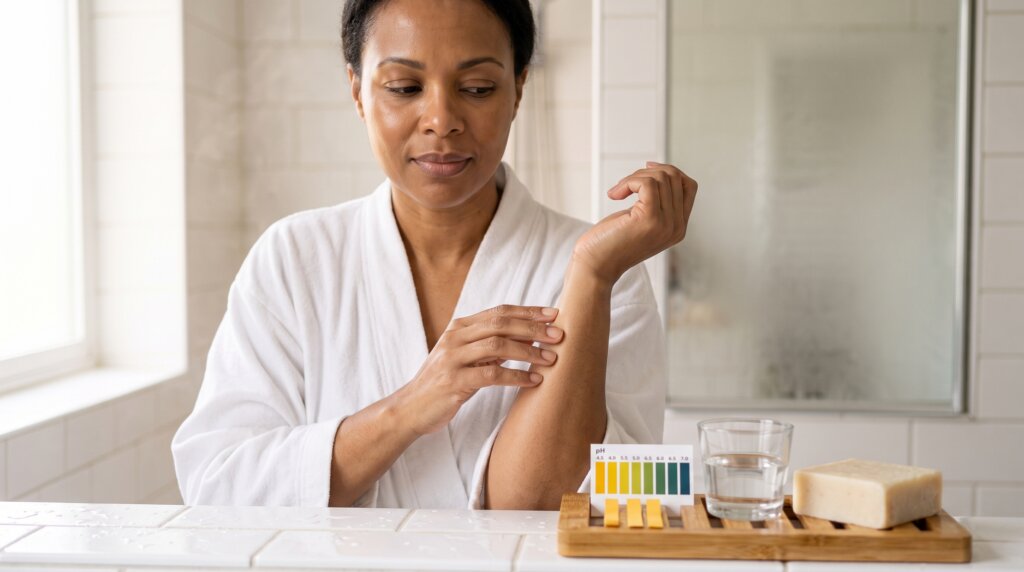
Your skin is naturally slightly acidic, with a pH around 4.5 to 5.5. That gentle acidity is often called the acid mantle, and it helps keep skin comfortable and protected. Dermatologists explain that traditional bar soaps often have a higher, more alkaline pH, which may disrupt the skin’s natural acid mantle if used frequently. The result can be dryness or that tight feeling after washing. Not every bar behaves the same way, and some are made to be gentler. Still, this pH gap is one big reason many experts lean toward liquid cleansers for certain skin types. Which types? That comes next.
Why Dry or Sensitive Skin Often Prefers Liquid

If your skin runs dry, itchy, or easily irritated, experts tend to point you toward the bottle. For people with dry or sensitive skin, dermatologists typically recommend body wash over traditional bar soap. Body wash is considered best for these skin types thanks to its moisturizing properties. The goal is to cleanse without stripping the skin, so a gentle, creamy body wash is often a safer bet. A simple clue: if your skin feels tight or itchy right after showering, your cleanser may be part of the story. But body wash has a few other tricks worth knowing about.
The Hidden Perks Built Into Body Wash
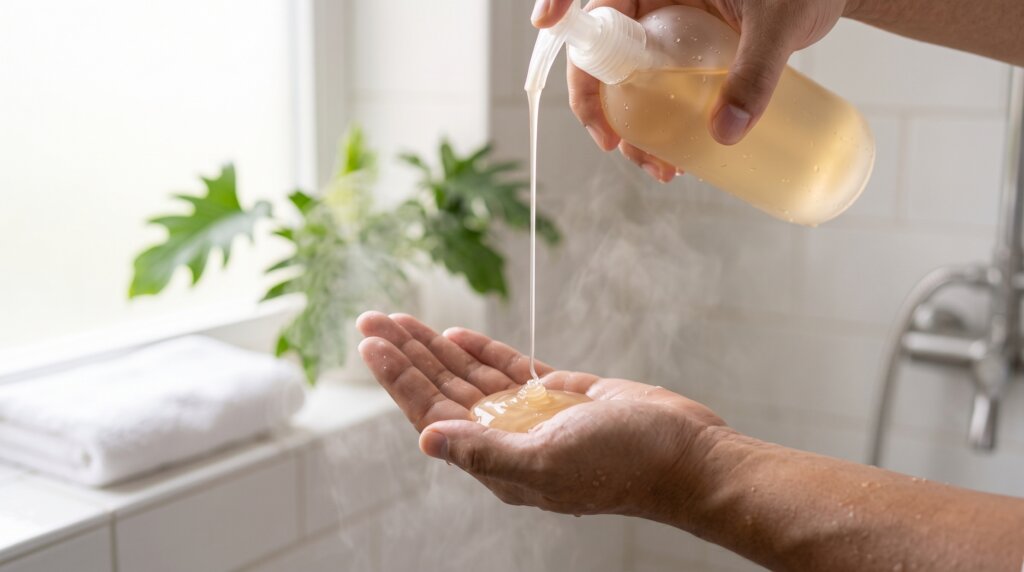
Liquid formulas give makers more room to fine tune what goes into the bottle. Body wash makes it easier to adjust pH to match natural skin levels, keeps active ingredients like antioxidants or botanical extracts more stable, and can hold higher amounts of humectants and emollients. In everyday terms, humectants help skin hold onto water, while emollients help soften and smooth it. That is why many body washes leave skin feeling soft and hydrated. Of course, bar soap has its own fans, and one of their favorite arguments is about simplicity. First, though, a common worry about germs.
Should You Worry About Germs on Bar Soap?
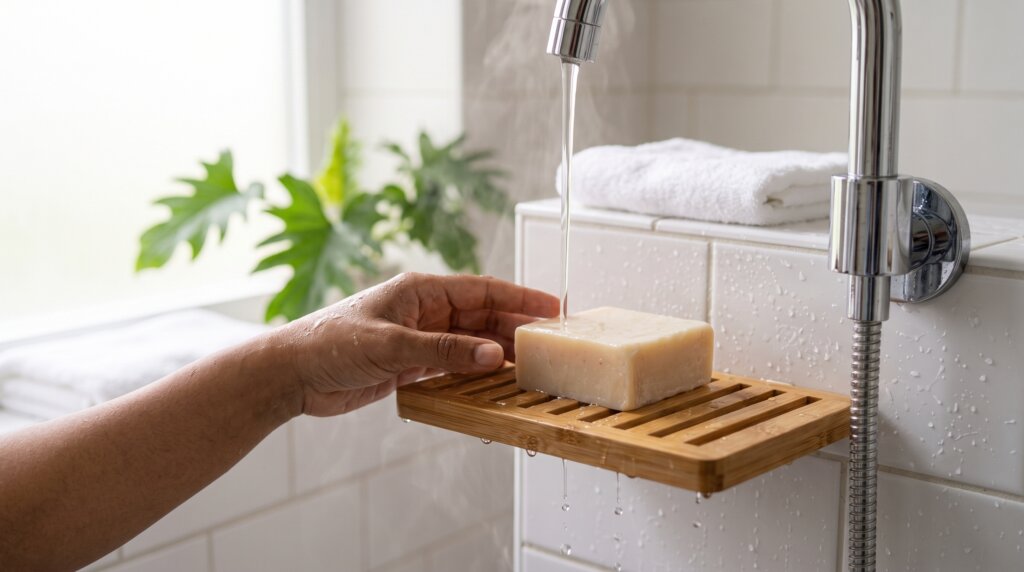
It is a fair question. A bar sits out in the open while you rub it all over your body. The good news is that bar soap itself resists bacterial growth. The catch is the environment around it. Storing a bar in a damp soap dish can still let microorganisms build up. Many bars are also made without preservatives. The practical fix is easy: keep your bar on a draining dish or a rack where it can dry fully between showers, and rinse it before you use it. Small habits like that make a real difference for comfort and cleanliness.
When a Shorter Ingredient List Wins

Here is where bar soap earns its comeback. Dermatologist Karan Lal says bar soap often has fewer ingredients than liquid versions, which can suit people who prefer a pared down list. Bars typically don’t need preservatives to stay shelf stable, so they are usually free of parabens, and it can be easier to find hypoallergenic options. If fragrances or extra additives tend to bother your skin, a simple, fragrance free bar may be worth trying. The trick is reading the label, since not all bars are created equal. And there is another reason people are switching back that has nothing to do with skin.
The Eco and Budget Case for Bar Soap

Bar soap has a quiet advantage that shows up in your trash can and your wallet. Bars often use less packaging, usually a paper or cardboard wrapper, and some are made from recycled materials. They are also more cost effective and tend to last longer. Once a bar is finished, there is nothing left to throw away. There is another environmental angle too. Microbeads in body washes have been controversial and, in some cases, banned because of their impact on the environment, while bar soap doesn’t typically contain them. So what should you take away from all this?
Simple Takeaways Before Your Next Shower

The best choice depends on your skin, not on a trend. If your skin is dry or sensitive, a gentle, creamy body wash is usually the safer pick. If you like a short ingredient list, lower cost, and less waste, a well made bar can work nicely, especially if you let it dry between uses. One more tip for either option: go easy on scrubby products. Gritty ingredients like ground apricot or walnut pits can be too abrasive and may damage the skin barrier. The most surprising insight is that the cleaning power is similar. What really differs is how kind each one is to your skin.