

Products are selected by our editors, we may earn commission from links on this page.
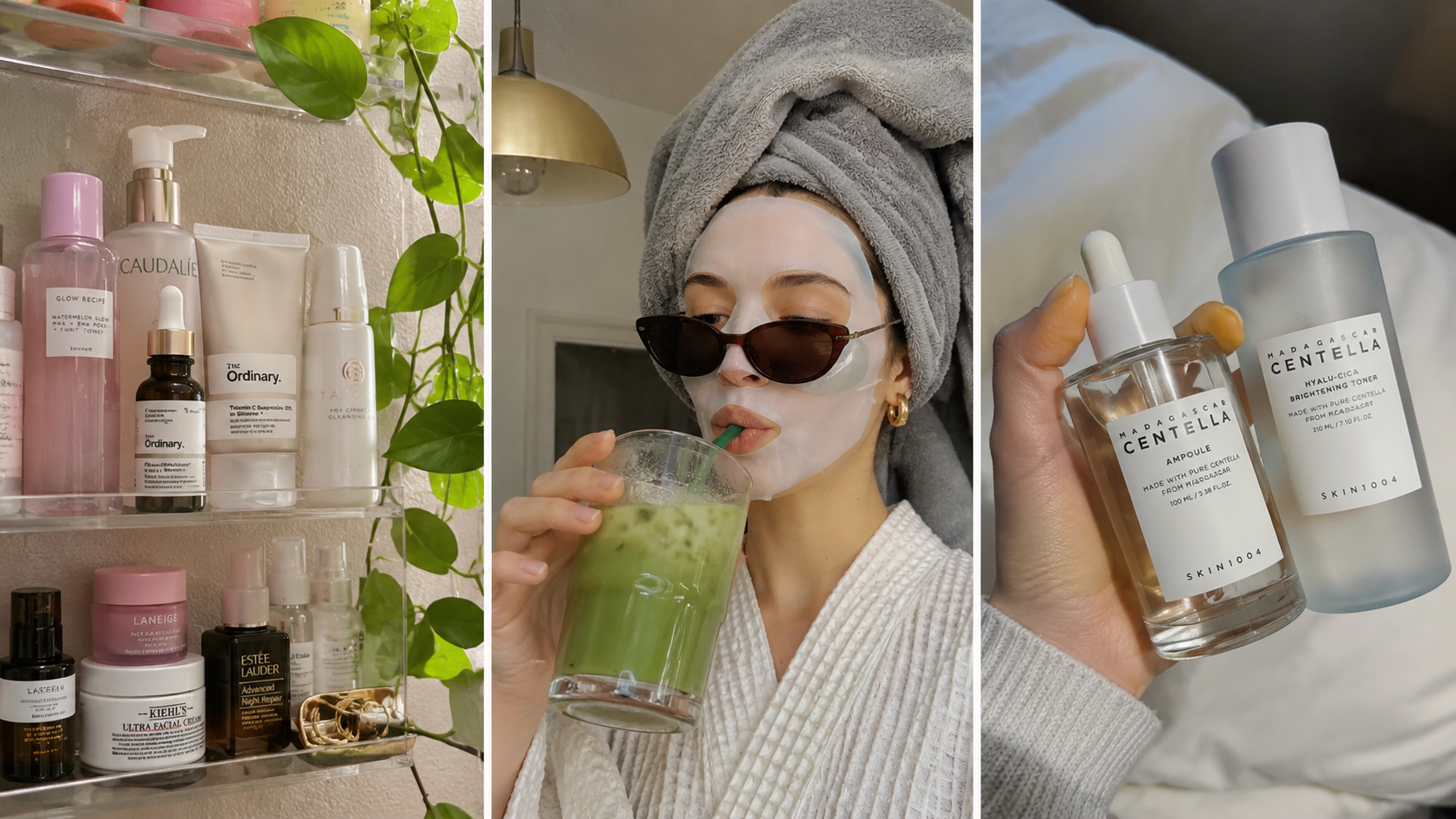
Say you spend ten minutes shaping your brows on a day you’re staying in. Nobody will see them, and you’d do it anyway. It’s easy to assume every beauty step is for an audience, but plenty are for the person doing them. They settle you down at night, wake you up in the morning or just make you feel like yourself. This gallery walks through those habits, from the shower to the lip balm, and adds what dermatologists say about several of them and what a 2025 survey found about how long routines really take. The first habit starts before you’ve finished drying off, and dermatologists have a specific moment in mind for it.
This article was created with the assistance of AI and reviewed by our editorial team for accuracy and clarity.
Why a long shower and body lotion feel like a reset
That moment is the minute you step out, while your skin is still damp. The American Academy of Dermatology says you get the most from a moisturizer when you apply it then, because it traps water in the skin. Finishing with lotion fits that logic, and the simpler reason is that soft skin feels good. The long shower is the same kind of habit. Its extra steps are less about looking presentable than about feeling fresh and back in your own body. Nobody else will notice the result, which is part of why people keep it. The next routine is shorter than most people expect, and dermatologists can count its steps on one hand.
A basic skincare routine comes down to three steps
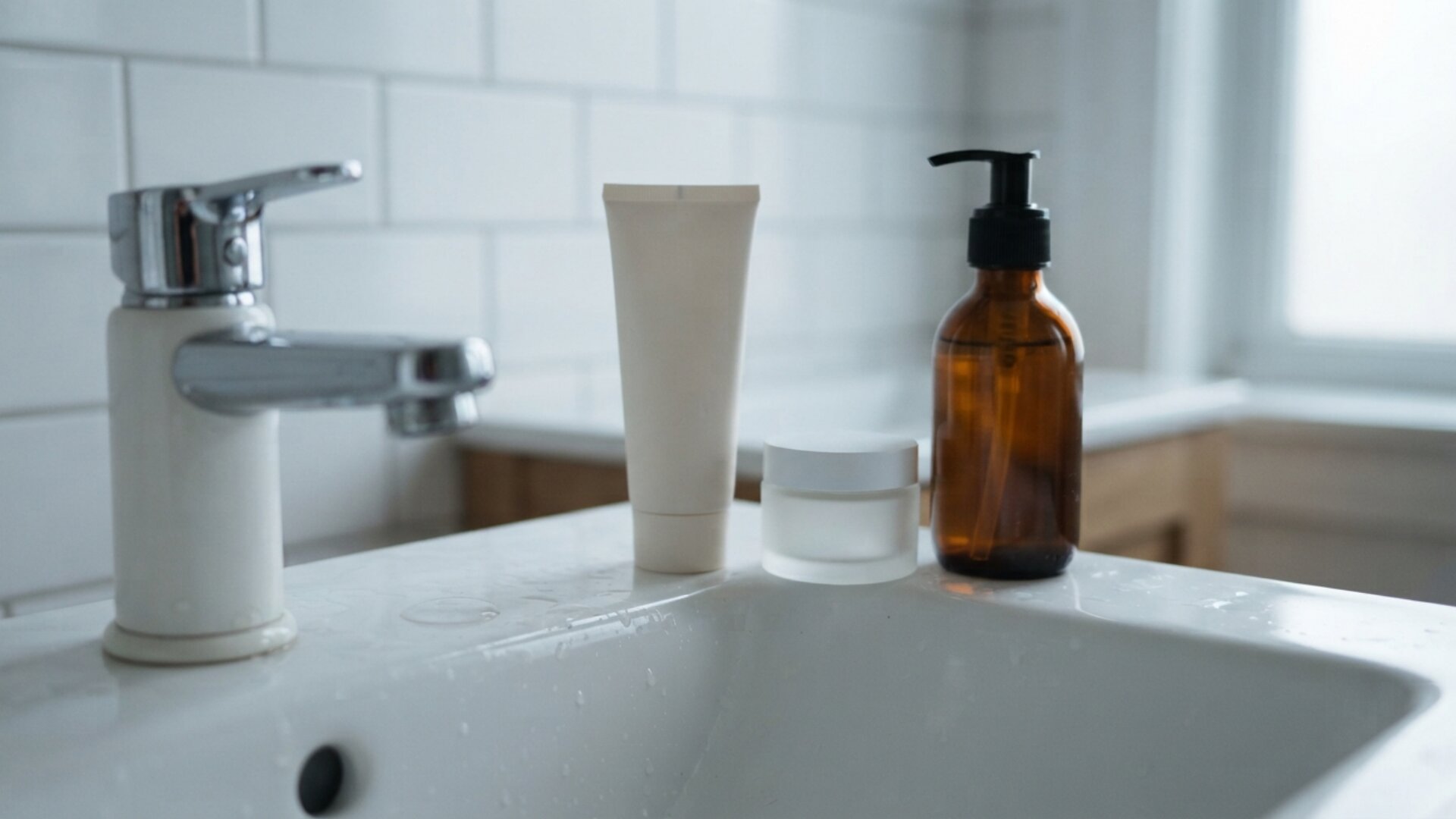
The three steps are cleanse, moisturize and protect, according to the American Academy of Dermatology. The cleanser should be gentle. The protection is a sunscreen that’s broad-spectrum, meaning it covers UVA and UVB rays, plus water-resistant and SPF 30 or higher. A moisturizer with sunscreen in it can cover two steps at once. That’s short enough to do slowly, so some people treat it as the calmest part of the day. A slow cleanse and a moisturizer ask for little beyond a couple of quiet minutes. The next habit is purely about color.
Lip color and fresh nails are for the wearer, not a crowd
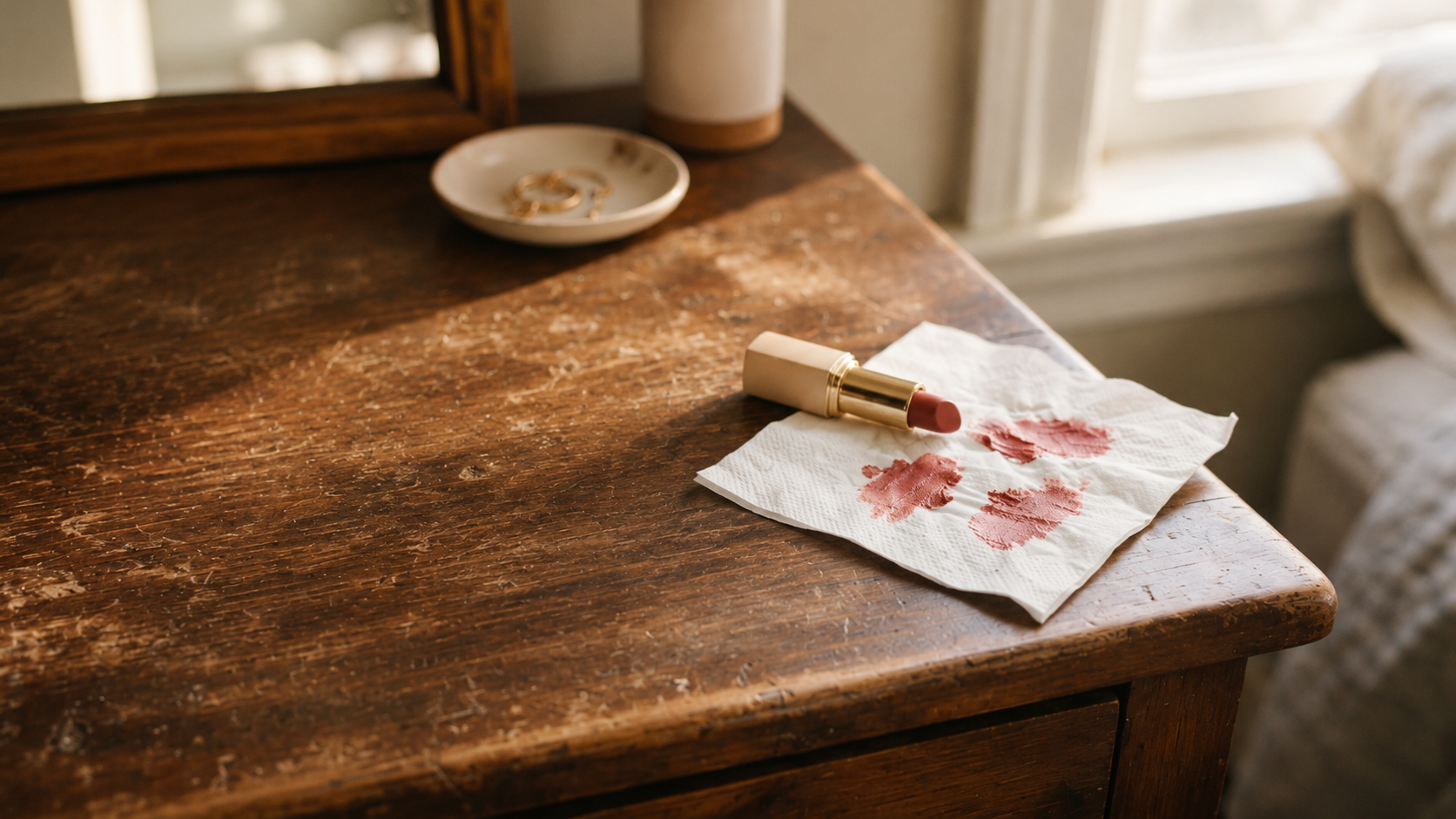
Color has no health argument behind it, and that’s the appeal. A new lip shade doesn’t need an occasion, and it takes seconds to put on. A manicure takes longer, with a base coat, color and a top coat, but the payoff is a small private detail you see every time you pick up a coffee cup. Matching your makeup to your outfit works the same way. You’re the only one who knows the lipstick was chosen to go with the sweater. None of it asks to be noticed. It just makes the day feel chosen on purpose. The next group of habits takes practice, and a few failed attempts.
Brows, eyeliner and braids are small crafts you can practice alone

Brows, winged eyeliner and braids are skills, and skills take practice. Each one rewards a willingness to start over: you can wipe off a crooked line or pull out a loose braid and try again five minutes later. That low risk is the draw. Getting a symmetrical wing on both eyes is a private victory, since few people would notice the difference, but you’d know. A hair tie is the only equipment a braid needs. It’s creativity with nothing at stake. Hair has another side that’s about care rather than style, and one of its tools carries a warning.
Hair masks feel good, and dermatologists warn about hot tools
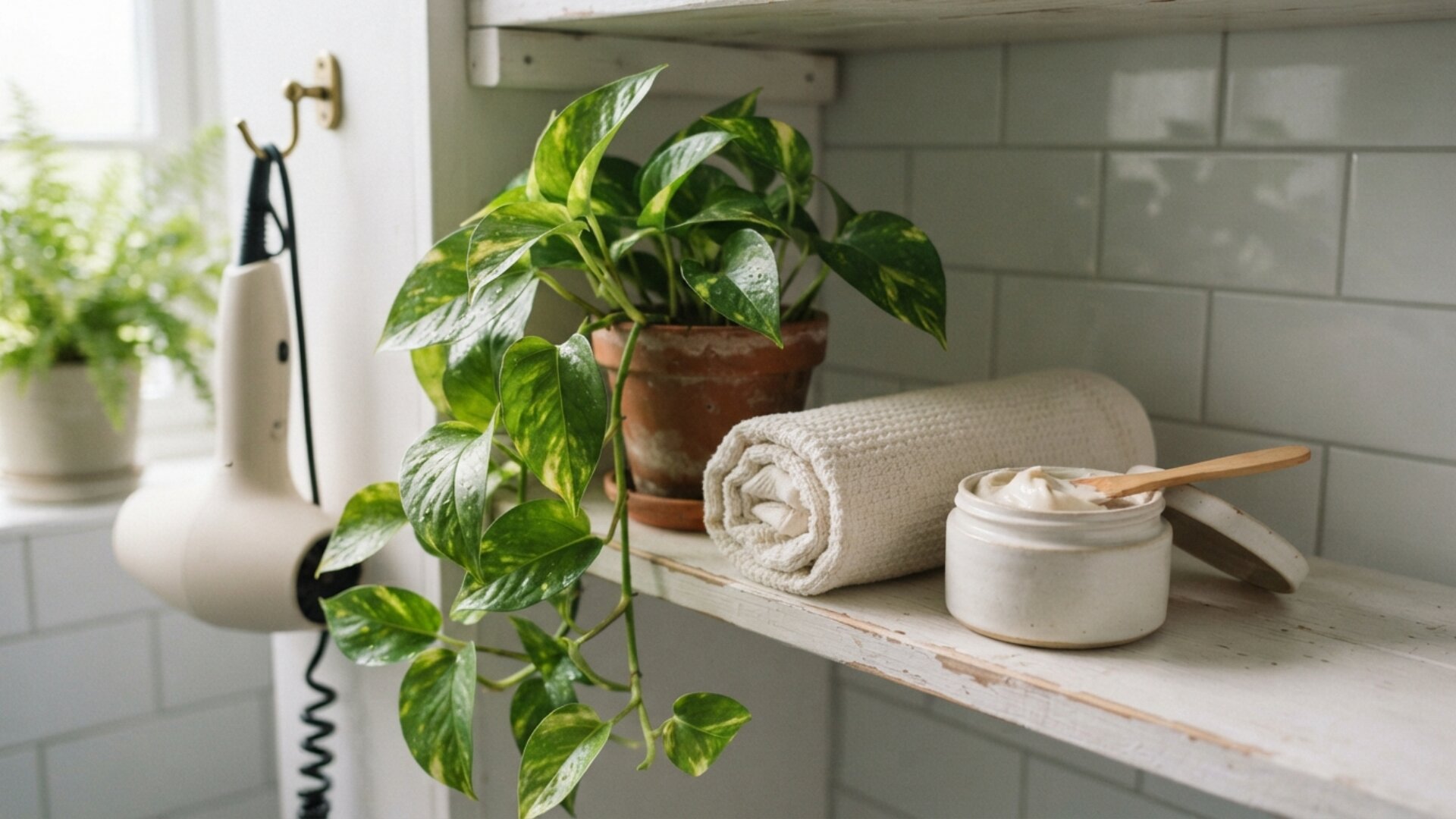
The warning is about heat. The American Academy of Dermatology says excessive heat can damage hair, and it recommends limiting blow-drying and hot tools, using low or medium heat and applying a heat protectant, a spray or cream that shields hair from heat. The care side is the gentler half. A deep conditioner or hair mask is like watering a houseplant: you notice how soft hair feels as soon as you rinse, whether or not anyone looks. The two don’t cancel out, since a lower setting and a heat protectant let you do both. Some habits don’t need a bathroom shelf at all. They fit in a pocket.
Perfume and lip balm are comfort habits with a practical side
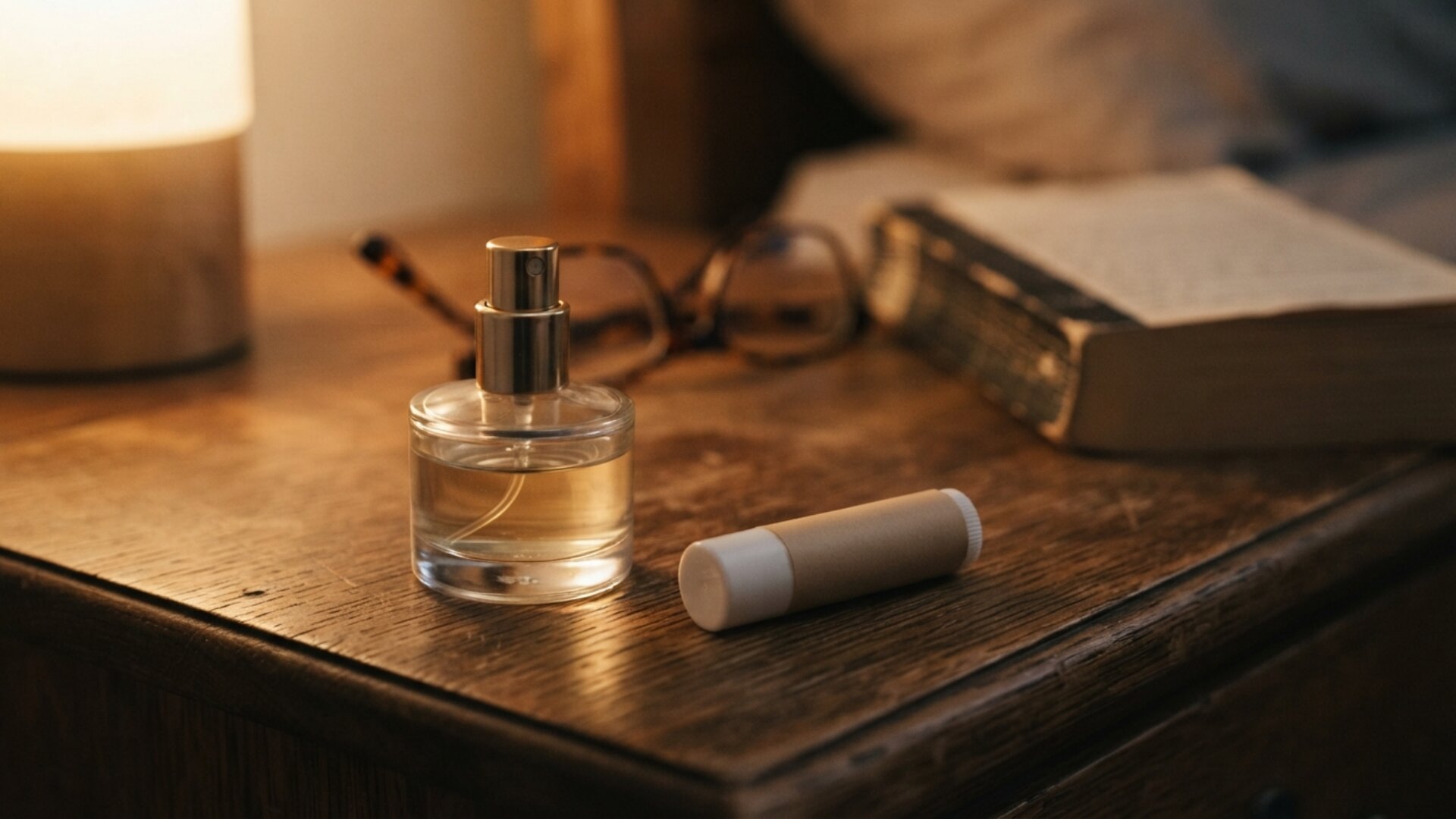
Perfume and lip balm both fit in a pocket, and neither needs an audience. A spritz can be just for your own mood, whether you wear it to work or to clean the kitchen. Lip balm is practical, but reapplying it can also be a small pause in a hectic day. The practical side has dermatologist backing: the American Academy of Dermatology says to put on a lip balm with SPF 30 or higher before going outdoors, even in winter, and to try a thick ointment such as white petroleum jelly when lips are very dry and cracked. It also says to stop using any lip product that burns, stings or tingles. That rule comes up again with exfoliating.
Exfoliating is where doing less usually works better
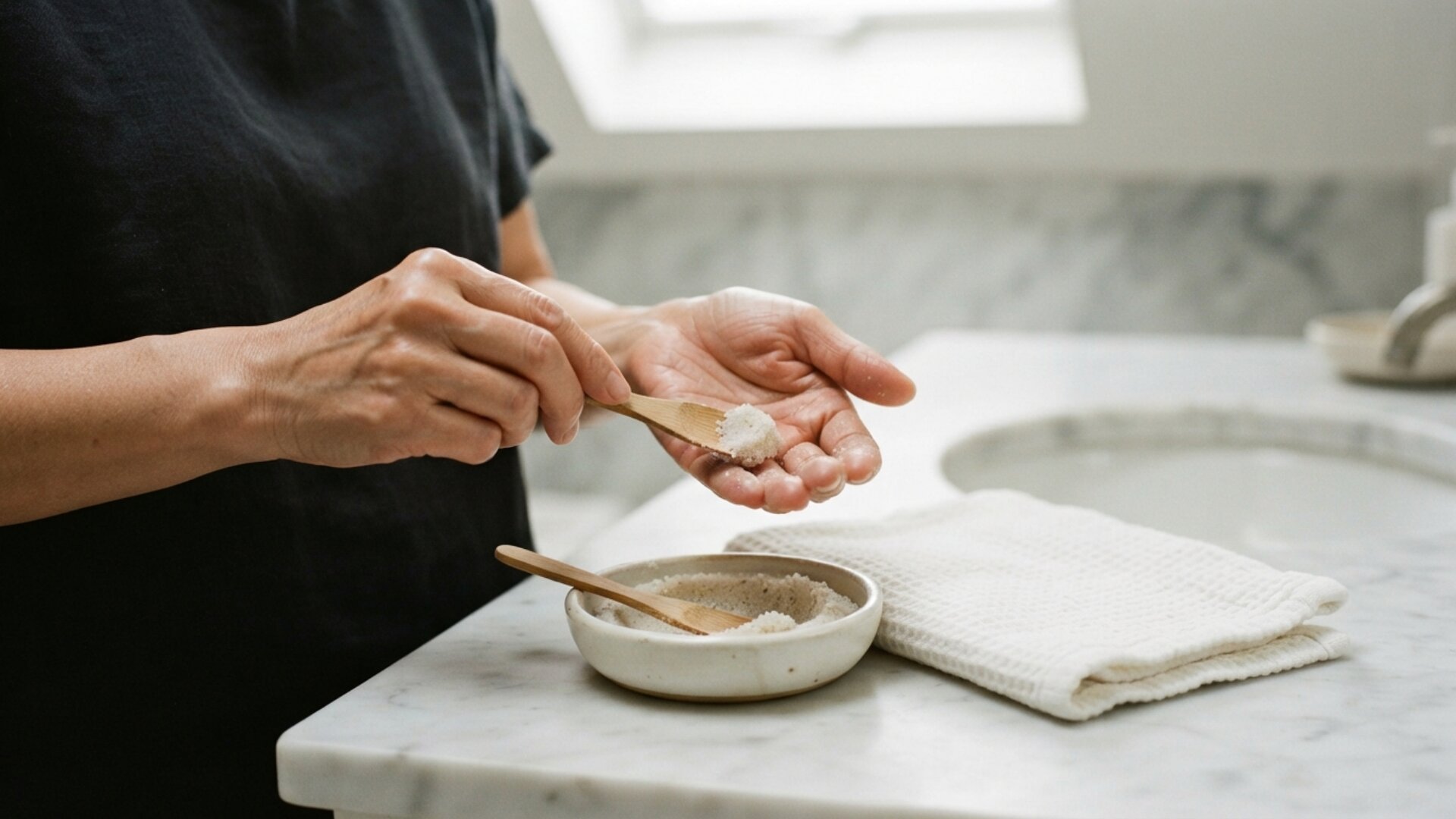
The same stop-when-it-stings rule applies to exfoliating. Healthline’s guide says your skin type should decide how often you do it, and to stop if skin turns red, inflamed, peeling or irritated. Dr. Anna Chacon, a dermatologist in Weston, Florida, is quoted in Healthline: “If you over-exfoliate the skin, you may experience redness, irritation, and peeling.” Another Healthline guide says that if you notice irritation, you should give your body a rest for a few days. So the cheapest fix is simply doing less. Self-care that leaves skin sore has missed the point. A survey of more than 10,000 people asked how long routines actually take.
Most people spend under 30 minutes a day on personal care
Under 30 minutes is the usual answer. In a May 2025 survey by Kantar for Kenvue, 73% of the 10,145 people in 10 countries said they spend less than 30 minutes a day on personal care. The same survey found 88% say their routines positively affect their health. Those are people’s own views, not measured results, and Kenvue, which makes Neutrogena and Aveeno, commissioned the work. Even so, it fits a pattern here: short habits people keep because they like how they feel. Some get fully ready and go nowhere, just for the lift. Others keep up lash care or regular trims so later mornings take less effort. One step in a short routine doesn’t last all day, and dermatologists have a clock for it.
Sunscreen is the one habit here that needs a clock

That step is sunscreen. Whether it comes in a moisturizer or on its own, the American Academy of Dermatology says to reapply it every two hours, or after swimming or sweating. Back to the brows from the start: once they’re done, they’re done, which makes them the easiest habit on this list. A morning routine that takes a few minutes doesn’t cover an afternoon outside. Everything else here can be as slow, quiet and private as you like. Sunscreen is the only step that comes with a clock.