

Products are selected by our editors, we may earn commission from links on this page.
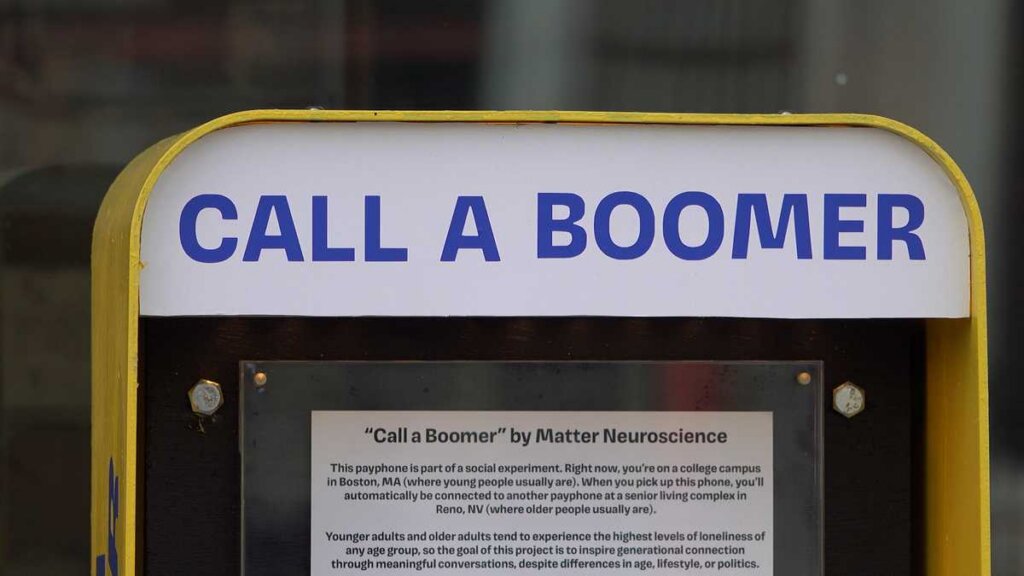
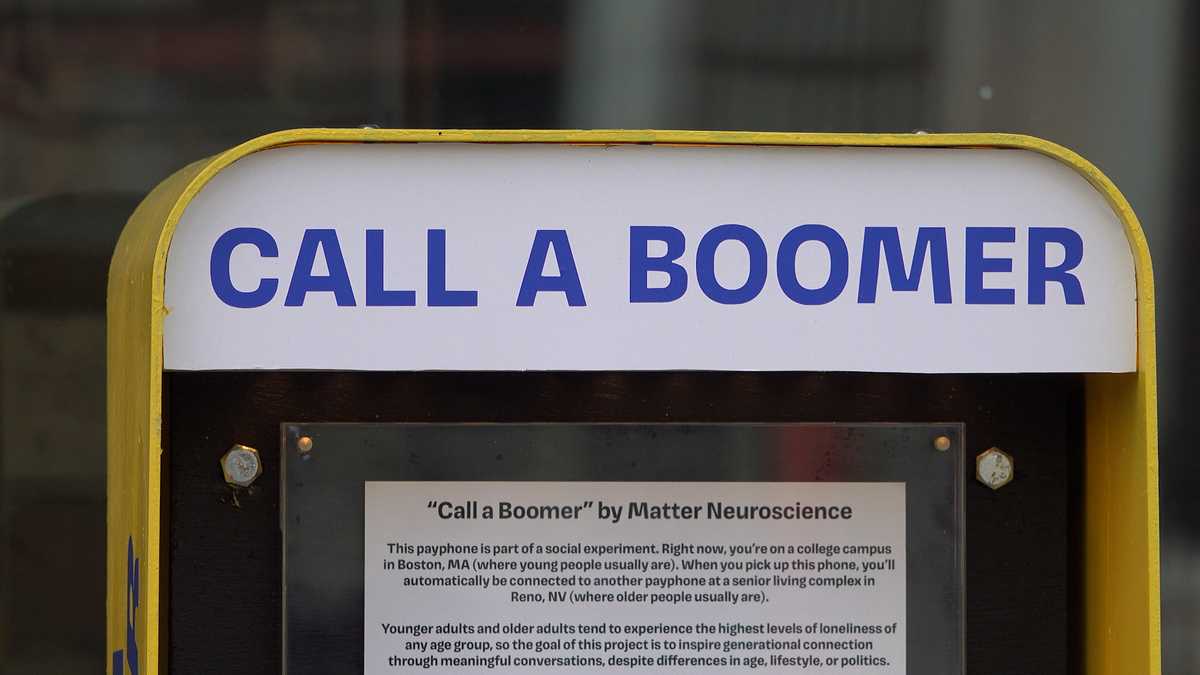
A bright yellow payphone sits on a busy Boston sidewalk. It looks like something pulled straight out of the past. When someone picks it up, it does something unexpected. It connects them to a stranger living nearly 3,000 miles away.
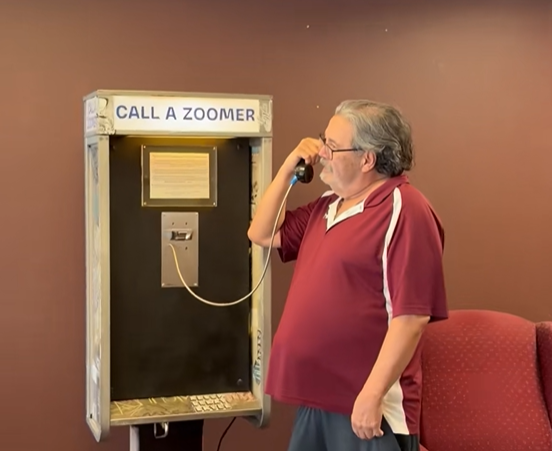
The sign reads: “Call a Boomer.” On the other end, in a senior living center in Reno, Nevada, another phone rings, labeled “Call a Zoomer.” The moment someone answers, two people from completely different generations begin a conversation they never planned.
It sounds simple, almost random. But for many who try it, the experience feels anything but ordinary. A quick call turns into something deeper—advice, laughter, or even a moment of connection that feels rare in a world filled with constant digital noise.
A Simple Idea With an Unexpected Emotional Impact
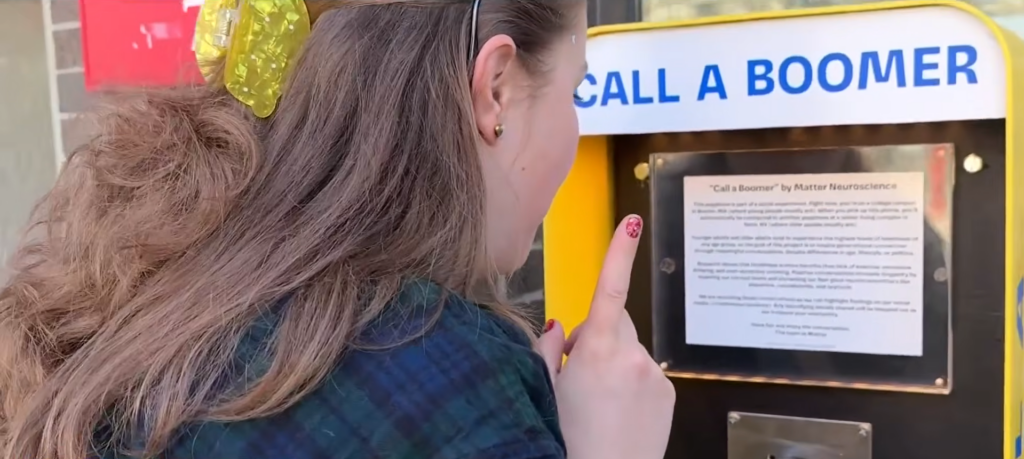
The project comes from Matter Neuroscience, a startup focused on understanding happiness and human connection. Their goal was not just to create a novelty, but to address something much bigger—loneliness. Both Gen Z and older adults rank among the groups most affected by social isolation.
The experiment set out to bring them together in the simplest way possible: a phone call with no expectations, no profiles, and no algorithms. And it worked. Conversations ranged from light topics like weather and daily routines to more personal stories about life, relationships, and loss.
Some callers admitted they felt nervous picking up the phone. Others said they hadn’t smiled that much in a long time after the call ended. The unpredictability became part of the appeal. No scripts, no filters—just a real conversation.
What People Actually Talk About Might Surprise You
At first, many calls start small. Someone asks about the weather. Another shares what they did that day. But the tone often shifts quickly. Younger callers ask for advice—about relationships, careers, or simply how to navigate life. Older participants respond with stories shaped by decades of experience.
In one conversation, a senior shared how relationships used to grow slowly, built on communication and patience rather than instant decisions. Other calls take a more emotional turn. Some seniors admit they feel overlooked by their own families, while younger callers talk about the pressures of modern life.
These exchanges create something rare—a moment where both sides feel heard. Even brief conversations leave an impact. Organizers say some calls last minutes, others stretch much longer, but nearly all of them carry a sense of surprise.
Why This Experiment Matters More Than It Seems

It might look like a quirky public installation, but the idea behind it points to a much larger issue. Loneliness has become a growing concern across generations. Studies have linked social isolation to serious health risks, and experts continue to warn about its long-term effects. Projects like this tap into something basic but powerful—human connection.
The payphones themselves are temporary. In Boston, the installation only stayed for a limited time, but it generated dozens of real conversations and hundreds of voicemails during its run. The bigger takeaway goes beyond the phones.
A simple, unscripted conversation between strangers can still cut through the noise. And in a time when people often stay within their own bubbles, even a short call across generations can remind both sides of something easy to forget—connection does not have to be complicated.