

Products are selected by our editors, we may earn commission from links on this page.
Millions of people now skip the morning news, not because they stopped caring, but because their brain said enough. That sounds like giving up. It isn’t. The same wiring that once kept your ancestors alive is now firing nonstop, because the modern world hands it more danger signals in one scroll than a whole lifetime once held. Turning away from that flood is not weakness. It is exactly what a healthy brain is built to do when overwhelmed.
Your Brain Was Built to Spot Danger First, Not to Read Headlines

The brain did not evolve to read headlines. It evolved to stay alive. Ancient humans who noticed a rustle in the grass and froze outlived those who kept walking. Scientists call this the negativity bias, one of psychology’s most tested ideas. The mind naturally weighs bad news heavier than good news, notices it faster, and holds onto it longer. A missed threat could mean death. A false alarm cost a few wasted minutes. That trade-off shaped every brain alive.
Your Brain Still Thinks the Whole World Is Your Village
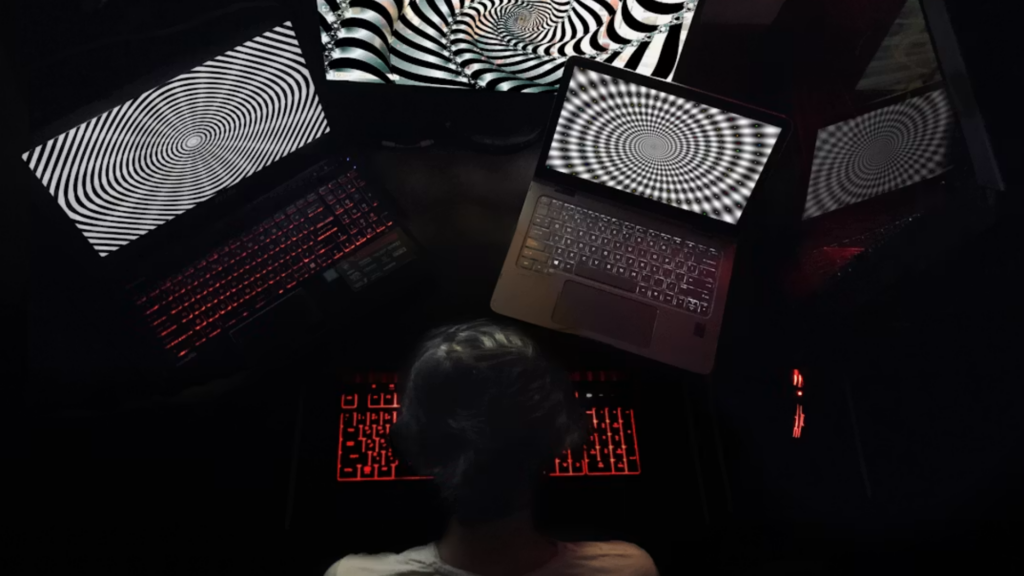
For most of human history, danger stayed close to home. A sick neighbor. A bad harvest. A threat from the next village. News from far away rarely arrived. Today, that system has not caught up. The same threat detector now processes a war overseas, a market crash, a flood, and a shooting, all before breakfast. It treats each one like a tiger in the grass, even though no one watching a screen can fix any of it.
Scary Headlines Aren’t an Accident. They Are Built to Work on You
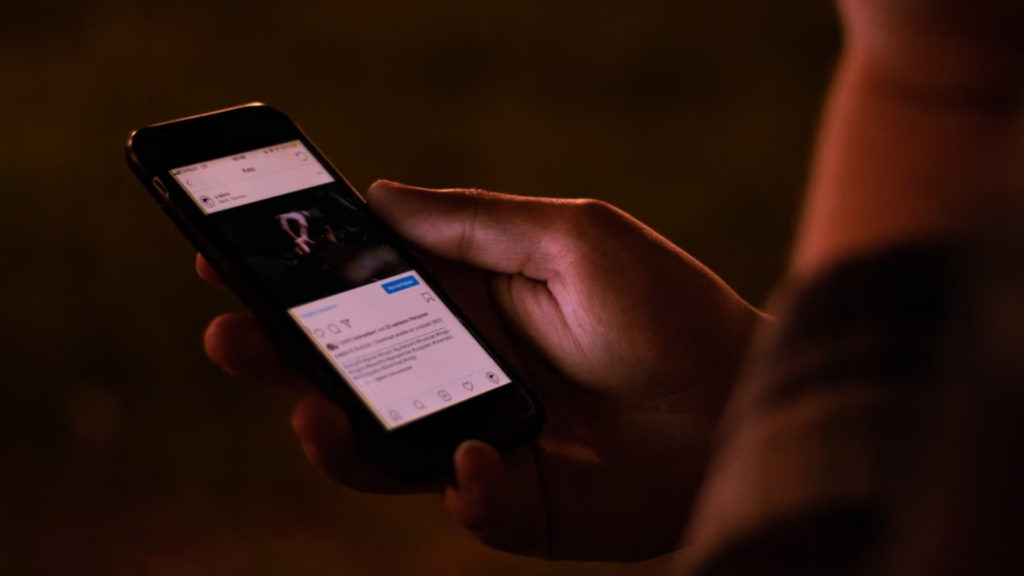
News outlets did not stumble into gloomy headlines. Researchers publishing in Nature Human Behaviour studied more than 105,000 real headlines, seen almost six million times by readers. Every extra negative word in a headline made people more likely to click. Positive words did the opposite, pushing readers away. Outlets chasing clicks have a built in reason to lean dark. Understanding that pattern will not make the pull disappear. It does explain why doom feels impossible to scroll past.
A Record Number of People Are Simply Checking Out

People are not imagining the burnout. The Reuters Institute’s 2025 Digital News Report found that 69% of Canadians now avoid the news at least sometimes. Worldwide, 40% said the same, the highest number ever recorded. When researchers asked why, the answers repeated themselves. The news put people in a bad mood. It left them feeling powerless to fix anything they had read. For a working parent scrolling before bed, that powerless feeling is often the last straw.
Your Body Reacts to Bad News Before Your Brain Decides It Matters
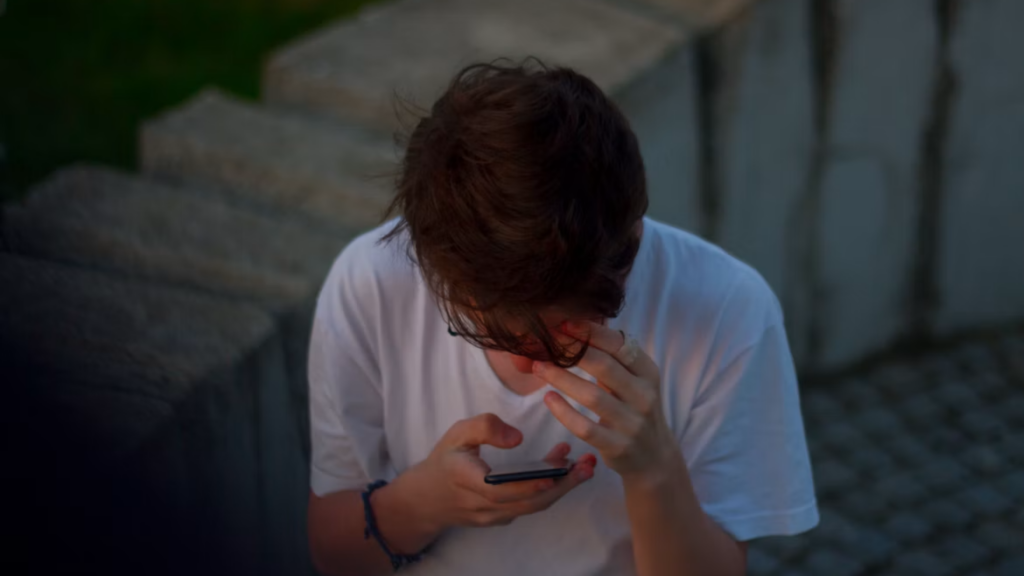
The reaction to bad news starts in the body, not the mind. Recent studies show people worldwide have stronger physical responses, like a racing heart or tense shoulders, to negative news than to positive news. That response fires before a person consciously decides whether the story even applies to their life. Researchers have given this pattern a name: Problematic News Consumption, or PNC. It describes news habits that spiral into constant checking, emotional swings, and disrupted sleep or focus.
One in Six Americans Fits a Pattern Researchers Call “Problematic”
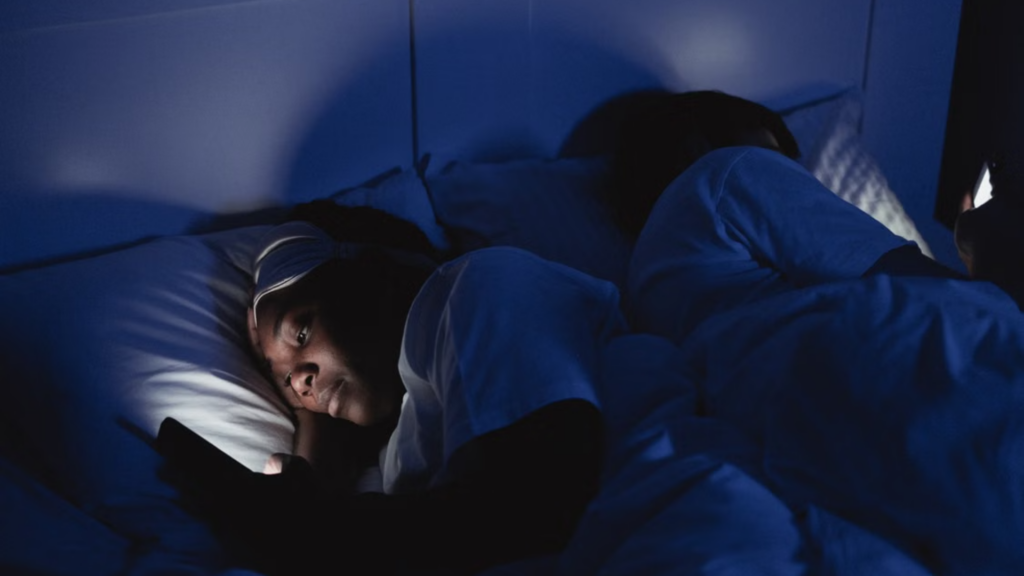
A 2022 study found that 17% of American adults met the criteria for severe PNC. The consequences were not small. Inside that group, 61% reported feeling physically unwell quite a bit or very much, compared with six percent of everyone else. Study author Bryan McLaughlin, an advertising professor at Texas Tech University, said constant checking “may be having a more negative impact on their well-being than they realize.” For those readers, the news is a daily physical toll.
For Some Communities, Looking Away Isn’t Even an Option
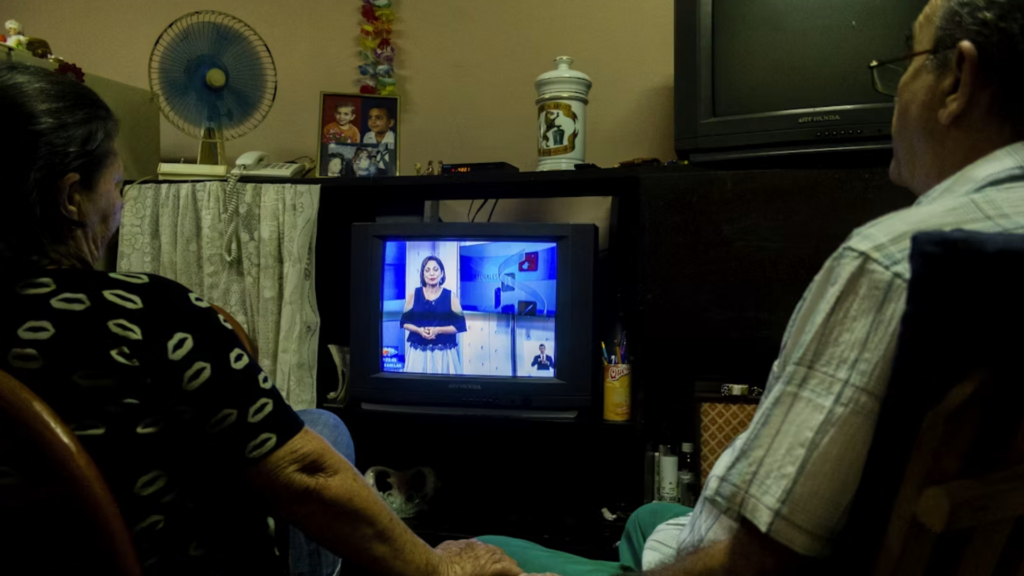
Not everyone carries this weight equally. Watching harm aimed at your own community, even from a distance, can hit harder than watching a stranger’s tragedy. For racialized communities and immigrants, researchers say the load is often heavier still. Turning off the news about their home country is not a simple option when family members are still living through it. For these readers, avoidance is not a fix. It is often not even possible.
Avoiding the News Isn’t the Fix. Managing It Is

Quitting the news creates its own problem, since a democracy runs on informed citizens. The better fix is managing how news gets consumed, not cutting it off. Set a specific window each day instead of checking all day. Choose one well reported article over a stream of loud, unreliable posts. Naming one small action you can actually take, however tiny, eases the helplessness research links to distress. Learning to spot “rage bait,” content built to provoke a reaction, helps too.
Skipping the News Was Never Giving Up. It Might Be the First Step

The news will not get lighter. Wars, markets, and disasters will keep arriving in the same rapid stream that once overwhelmed a brain built for a smaller world. But the way people meet that stream does not have to stay the same. The ancient wiring that makes bad news feel unbearable is the same wiring capable of learning new habits. Skipping the morning scroll was never proof of giving up. It might be the first sign of learning to cope.