

Products are selected by our editors, we may earn commission from links on this page.
Burger King is testing AI-powered headsets that do more than relay orders. The system, built on OpenAI technology, connects employees to a voice-based assistant called “Patty,” which fields questions, flags inventory issues, and monitors customer interactions for signs of friendliness. Parent company Restaurant Brands International confirmed the pilot is currently active across 500 U.S. locations.
Patty functions as the voice layer of a broader platform called BK Assistant, which pulls data from drive-thru conversations, kitchen equipment, and inventory systems. Employees can ask Patty procedural questions, like how many bacon strips belong on a Maple Bourbon BBQ Whopper, or request instructions for cleaning equipment. The system also removes out-of-stock items from digital menus automatically, according to Thibault Roux, Burger King’s chief digital officer, who spoke to The Verge.
The inventory feature works quickly. When an item runs out, Roux told The Verge that “within 15 minutes, the entire ecosystem will remove it from stock,” updating kiosks, drive-thru boards, and app menus simultaneously. Managers also receive alerts when machines go down for maintenance, keeping the team informed without waiting for a manual check.
How Burger King Trained Its AI to Measure Friendliness
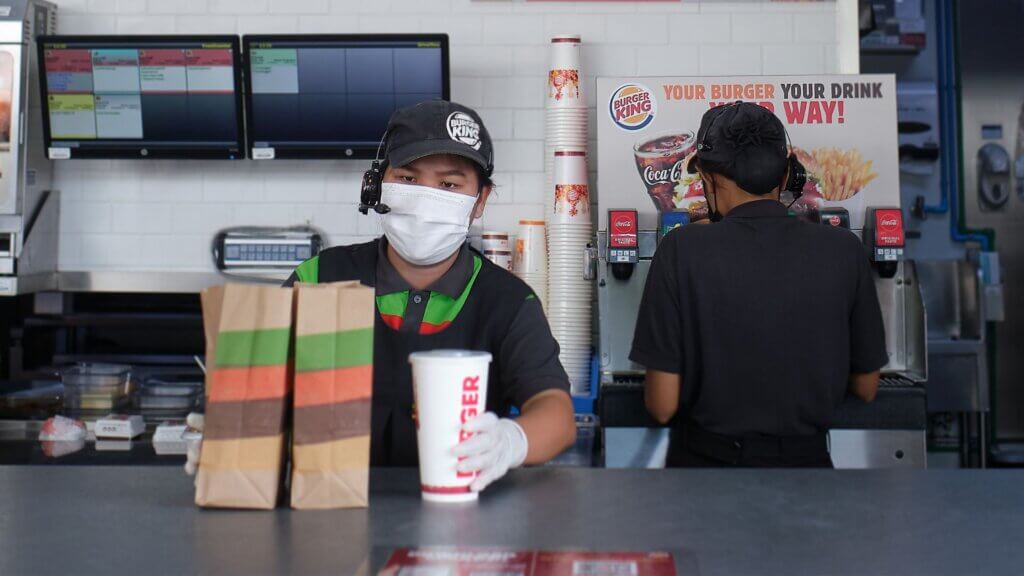
The friendliness-tracking capability is one of the more distinctive aspects of the rollout. Burger King built its AI to identify certain words and phrases, including “welcome to Burger King,” “please,” and “thank you.” The company gathered input from franchisees and customers to determine which language signals a positive interaction before building those criteria into the system.
Managers can query the assistant to see how their location is performing on friendliness metrics. Roux described the feature as “a coaching tool,” and said the company is also working on capturing conversational tone, not just specific words. That iterative approach suggests the system is still being refined rather than operating as a fixed performance standard.
Burger King told the AP: “It’s not about scoring individuals or enforcing scripts. It’s about reinforcing great hospitality and giving managers helpful, real-time insights so they can recognize their teams more effectively.” The company added that tracked phrases are “one of many signals to help managers understand service patterns” rather than a standalone measure of individual performance.
AI in Fast Food Is Expanding, but Cautiously
Burger King isn’t alone in testing AI in restaurant operations. Yum Brands, which owns KFC, Taco Bell, and Pizza Hut, announced a partnership with Nvidia last spring to develop AI tools across its brands. McDonald’s, which ended an IBM drive-thru AI pilot in 2024, has since moved on to a collaboration with Google on similar technology, according to the AP.
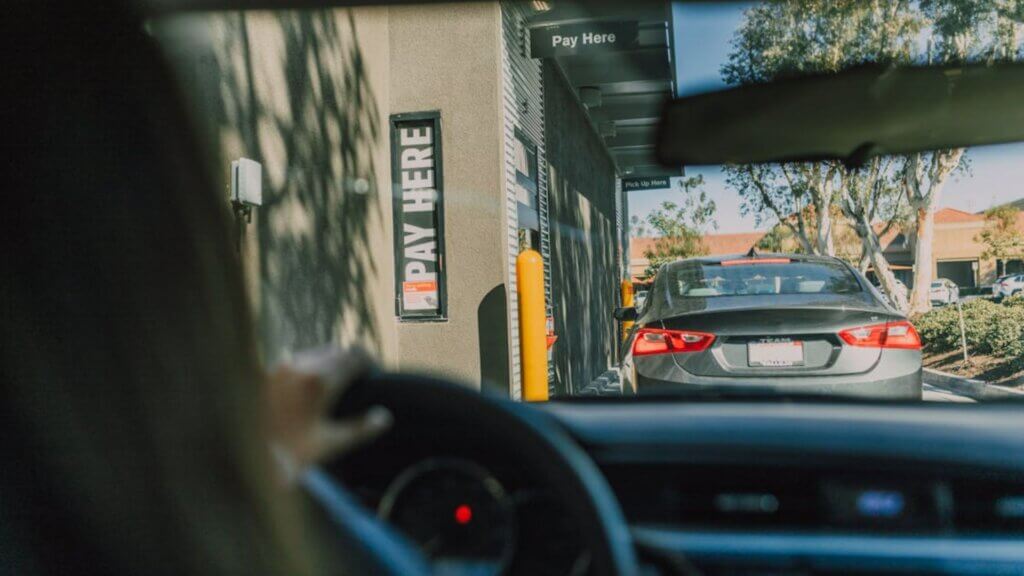
Despite the broader industry momentum, Burger King is taking a measured approach to AI drive-thrus specifically. Roux said the company is testing the technology in fewer than 100 restaurants and has reservations about scaling it. “We’re tinkering with it, we’re playing around with it, but it’s still a risky bet,” he said. “Not every guest is ready for this.”
The BK Assistant platform is expected to expand beyond the current pilot. Burger King plans to make the web and app version available to all U.S. restaurants by the end of 2026, while Patty continues rolling out through the headset program. The company described the broader system as a way to keep staff “present with guests” rather than pulled away by operational tasks that the assistant can handle.
What This Signals for the Future of Restaurant Work
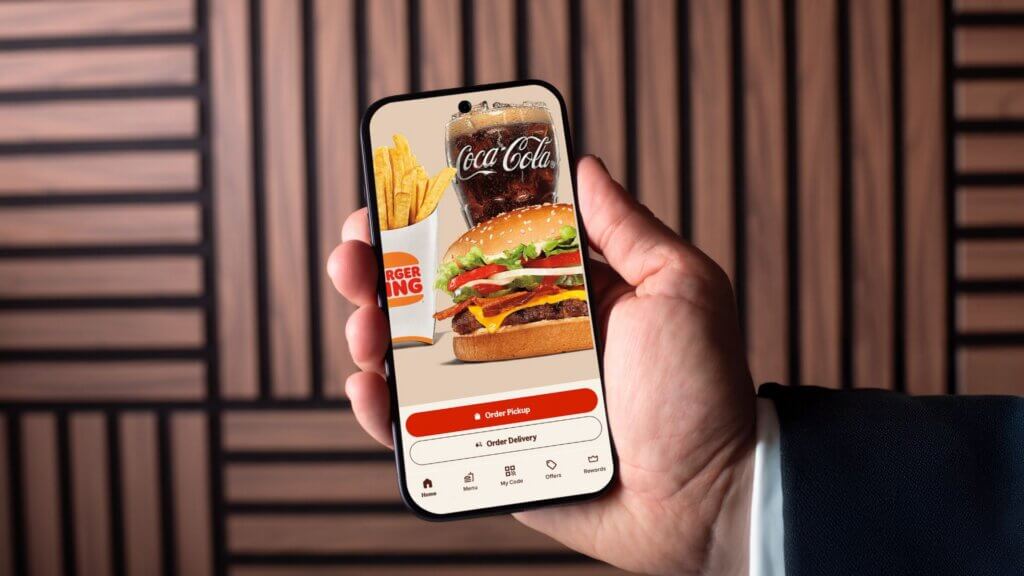
The Patty rollout reflects a shift in how fast food chains are thinking about AI, less as a customer-facing novelty and more as an operational layer embedded in daily workflow. By integrating inventory, menu management, and service monitoring into a single platform, Burger King is testing how AI can support employees while giving managers a clearer, real-time picture of how their locations are running.
The friendliness-tracking feature will likely draw ongoing attention as the program expands. Burger King has been deliberate in framing it as a support mechanism rather than a surveillance tool, describing it as a way to help managers recognize their teams and reinforce good hospitality. How that framing holds up as the rollout scales will be worth watching.
Roux’s comments suggest Burger King sees Patty as a foundation, not a finished product. Tone detection is still being refined, AI drive-thrus remain a cautious experiment, and the broader effort is still very much in progress. Whether 500 pilot locations become a chain-wide standard depends on what the data shows, and whether the industry’s appetite for AI tools holds as the technology moves from experiment to expectation.