

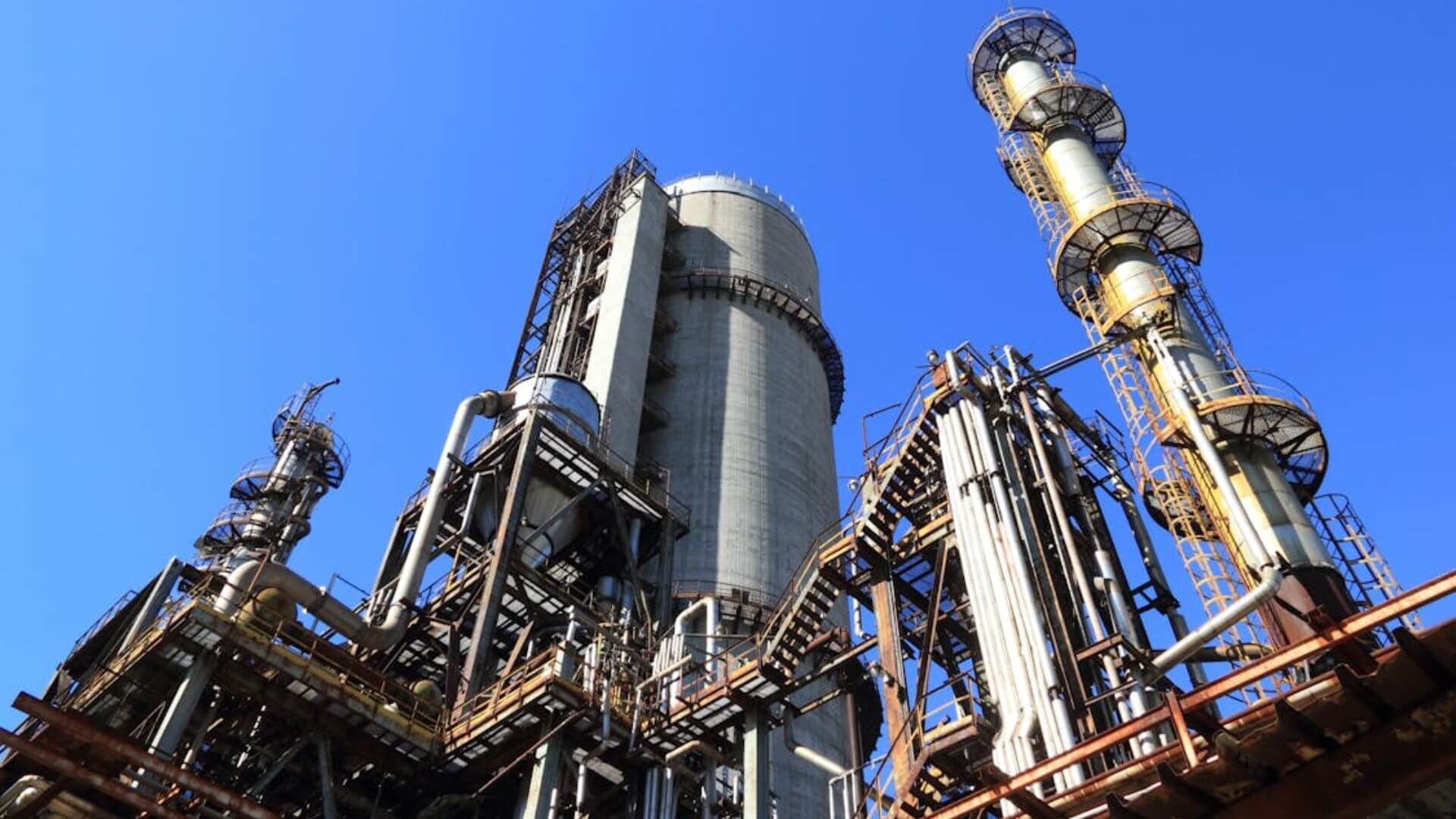
Products are selected by our editors, we may earn commission from links on this page.

An accidental data release by Richmond officials exposed that Chevron contributed nearly 24% of the city’s general fund last fiscal year—over $58.8 million in taxes, utilities, and settlement payments. The leak, prompted by a journalist’s records request, unveiled how deeply the city’s finances depend on its largest employer. For residents, this revelation renewed old questions: Can a community truly thrive when its economic lifeline also fuels its biggest environmental concerns?
One Spreadsheet, One Shocking Number

Richmond’s general fund totaled roughly $248 million, with Chevron’s contributions accounting for almost a quarter of that amount. These funds cover basic operations—police, libraries, parks, and city staff. The numbers underscored how vital the refinery’s payments are to keeping the city running. But they also raised alarms: if Chevron cut back or closed, Richmond could face service cuts, layoffs, and budget crises overnight.
How the Numbers Came to Light

The figures emerged from a public-records request seeking Chevron’s financial impact on Richmond. Within ten days, city staff sent a spreadsheet marked “Confidential,” leaving sensitive tax details visible. Months later, the city attorney demanded the file’s destruction, calling the release “inadvertent.” Journalists refused, citing the public’s right to know. The blunder became a case study in how transparency can collide with bureaucratic damage control.
Why the Dependence Matters
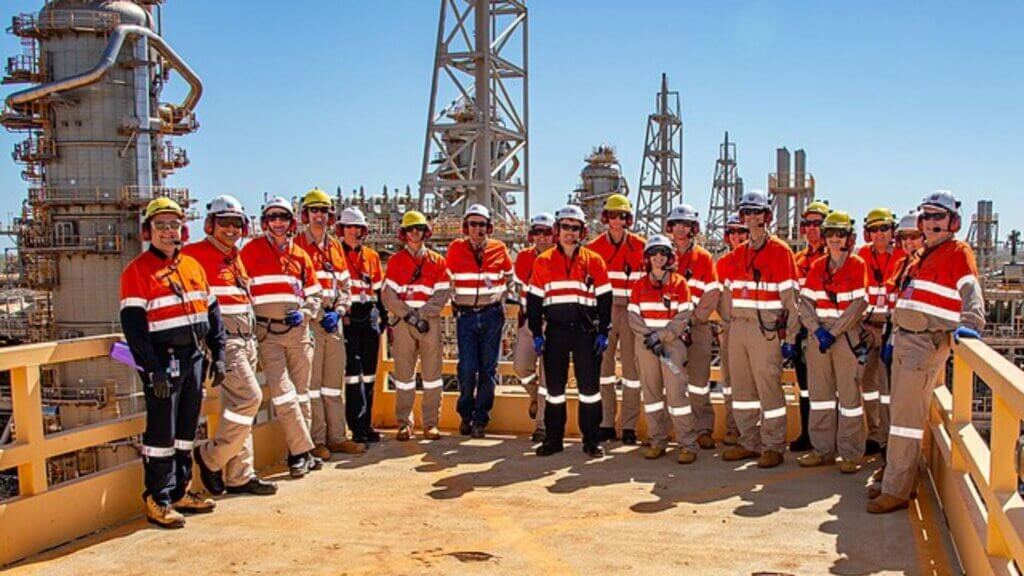
When one entity supplies almost a quarter of a city’s general fund revenue, the risks of dependence become strikingly clear. If the paying entity scales back or closes its operations, the city could face dramatic budget shortfalls and service impacts. In Richmond’s case, the dependence overlaps with environmental and economic stakes because Chevron is also the largest employer and refinery operator there.
How a $550 Million Deal Silenced a Tax Revolt
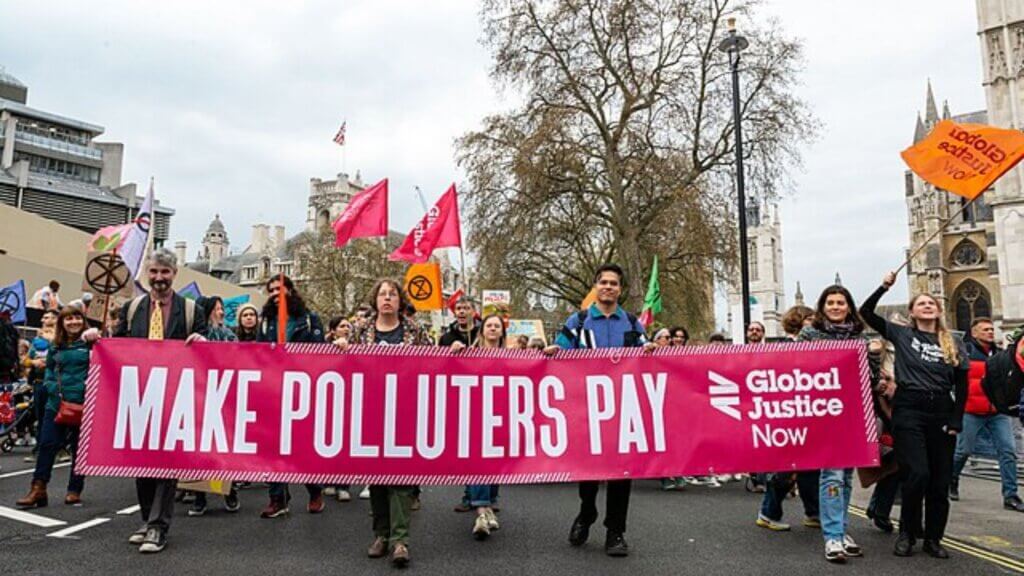
Chevron’s payments include a $550 million settlement designed to block a proposed “Make Polluters Pay” tax measure. The deal pays Richmond $50 million a year for five years, then $60 million for five more. In exchange, the city shelved the ballot initiative that could have imposed even steeper refinery taxes. It was a compromise—steady money over confrontation—but it also tied Richmond’s future to Chevron’s goodwill.
Dependent City, Divided Council
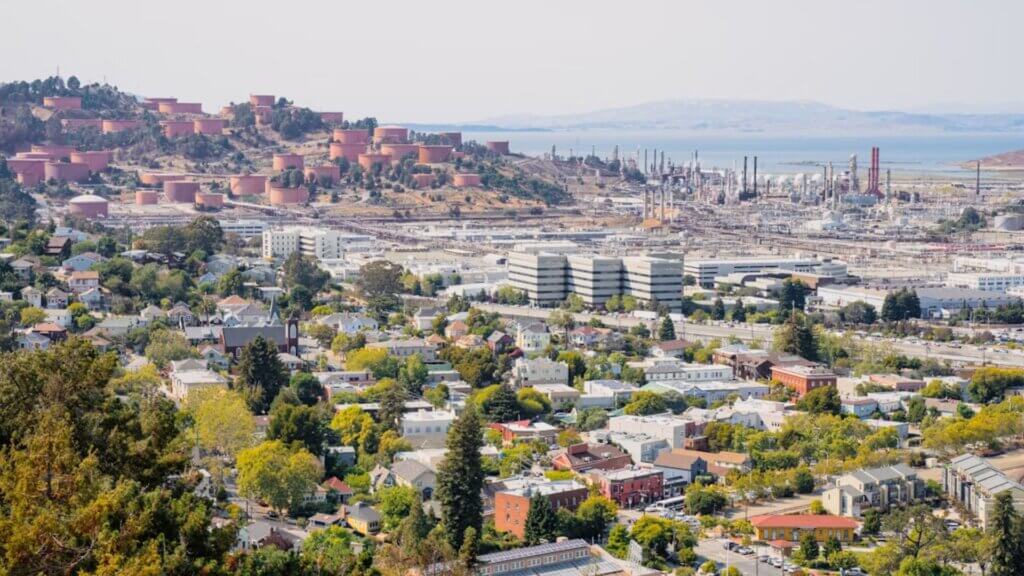
Some officials see Chevron’s contribution as both a blessing and a curse. Councilmember Claudia Jimenez insists the city must “build an economy not reliant on a single industry.” Others argue Chevron’s role remains indispensable for now. The debate reveals a deeper conflict between short-term stability and long-term independence. Richmond’s challenge isn’t only balancing its budget, it’s learning how to work with its dominant corporate taxpayer without letting that relationship define the city’s future.
When Transparency Meets Damage Control

After realizing the error, Richmond’s legal team cited state tax-privacy laws and ordered that all copies of the spreadsheet be destroyed. The request sparked backlash. Press-freedom advocates argued that journalists can publish inadvertently released data if it’s in the public interest. The clash revealed how governments often protect powerful entities under the banner of confidentiality, while transparency, once lost, can’t easily be regained.
Spending Chevron’s Money

City leaders now wrestle with how to allocate Chevron’s multimillion-dollar settlement. Proposals include affordable housing, clean-energy investment, and infrastructure renewal. Activists want the funds to accelerate Richmond’s transition away from fossil-fuel dependence. But every spending decision reignites the same dilemma: use Chevron’s money to sustain the status quo or to build the foundation for an economy that no longer depends on it.
Charity or Control?
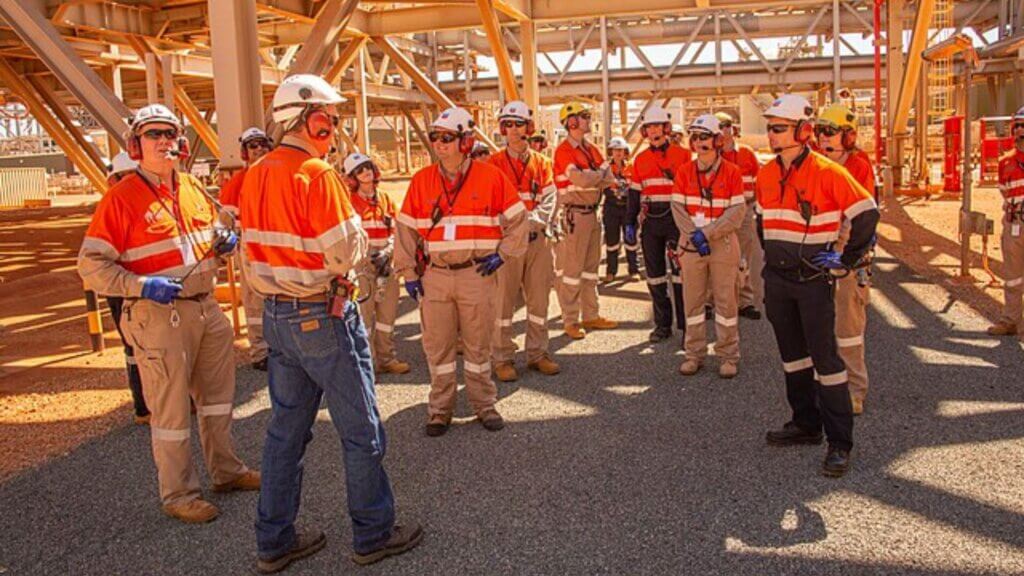
Chevron promotes itself as Richmond’s indispensable partner in their own commissioned study, claiming $1.1 billion in local economic impact and 3,800 jobs. Its community giving—about $52 million since 2012—supports schools and charities. Yet critics view these gestures as reputation management rather than restitution. For many residents, the refinery’s pollution, health costs, and tax battles outweigh its philanthropy. The debate reflects a broader truth: corporate generosity doesn’t always equal community accountability.
The Day Richmond Saw Its Reflection
The accidental disclosure forced Richmond to confront how entwined it is with Chevron’s fortunes. The revelation was a mirror held up to the city’s dependence. As refineries across California close and energy policies evolve, Richmond faces a choice: diversify or risk collapse. The city’s future now hinges on whether it can outgrow the giant that built—and still binds—it.