

Products are selected by our editors, we may earn commission from links on this page.

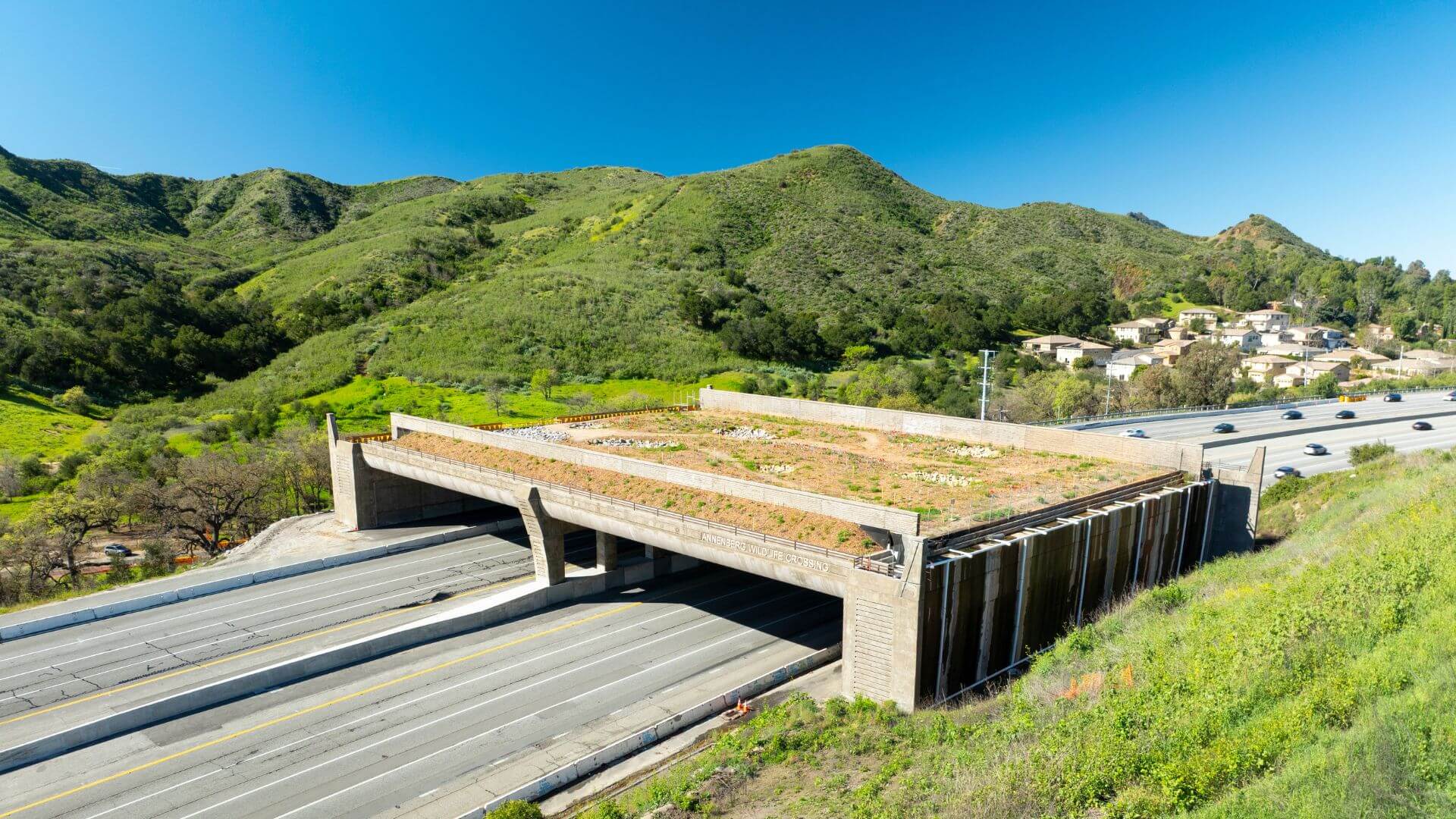
Thirty feet above ten lanes of U.S. Route 101 in Agoura Hills, California, a structure built for mountain lions is nearing completion. The Wallis Annenberg Wildlife Crossing, designed to give animals safe passage across one of Southern California’s busiest freeways, was initially projected to cost $92 million and open in 2025. It now carries a $114 million price tag, a $22 million overrun, and a revised completion date in late 2026.
The project sits near the Los Angeles–Ventura County border in the Santa Monica Mountains corridor, where wildlife advocates have long worked to reconnect fragmented habitats for endangered mountain lions. Once complete, it will be the largest wildlife crossing in the United States. Even before opening, the Los Angeles Times reported in January that birds, lizards, and insects had already begun using parts of the structure.
Despite steady construction and a publicly announced 2026 opening, the project became the focus of political debate in late March. A conservative opinion piece labeled it a “bridge to nowhere” and a “jobs program for environmentalists.” Within a day, the claims spread widely across social media, conservative outlets, and accounts of prominent political figures, including Transportation Secretary Sean Duffy, drawing national attention.
How a Conservative Opinion Piece Sparked a National Debate Over the Bridge

The controversy began with an opinion piece in City Journal, a conservative-leaning publication affiliated with the Manhattan Institute. Co-authored by Christopher Rufo and Kenneth Schrupp, it framed the crossing’s rising costs and delays as evidence of government excess. According to SFGate, however, the details cited in the piece had already been reported by multiple local and national outlets.
SFGate also noted that the revised 2026 completion date had been publicly announced as early as 2024. Daniel Villaseñor of the California Natural Resources Agency described the backlash as a “coordinated outrage cycle,” where existing facts are repackaged and amplified through partisan channels. Critics, however, argue that cost overruns and missed timelines remain valid concerns regardless of how the story spread.
The story quickly gained traction. The California Post republished the piece, while right-wing influencer accounts amplified it, sometimes adding claims that the state planned to bring mountain lions into residential areas. Sean Duffy and developer Rick Caruso weighed in publicly, and Fox News reported on the Trump administration’s reaction, further extending the story’s reach.
What’s Behind the $21 Million Budget Increase

The roughly $21.5 million increase—from $92 million to $114 million—has drawn scrutiny from critics. Supporters, including National Wildlife Federation regional director Beth Pratt, point to broader construction inflation as the main factor. Federal data shows a sharp rise in highway construction costs, while record flooding in 2022 and 2023 forced crews to redo soil work. Tariffs and labor pressures have also been cited.
Supporters also stress that the project is far more complex than smaller crossings often used for comparison. Projects in Utah and Colorado cost far less but did not span ten lanes of an urban freeway or require relocating major infrastructure, including power lines, a water main, and multiple telecommunications systems. The Agoura Hills project also includes 13 acres of habitat restoration.
Funding has come from both private and public sources. The Annenberg Foundation contributed $25 million, with private donors covering roughly 32% of total costs. About $77 million comes from public funds, largely drawn from conservation-specific programs that cannot be redirected to other priorities. In January, a state transportation program added $18.8 million, exceeding an earlier $10 million cap.
The Bridge Has a Completion Date, and Its Lead Advocate Is Pushing Back
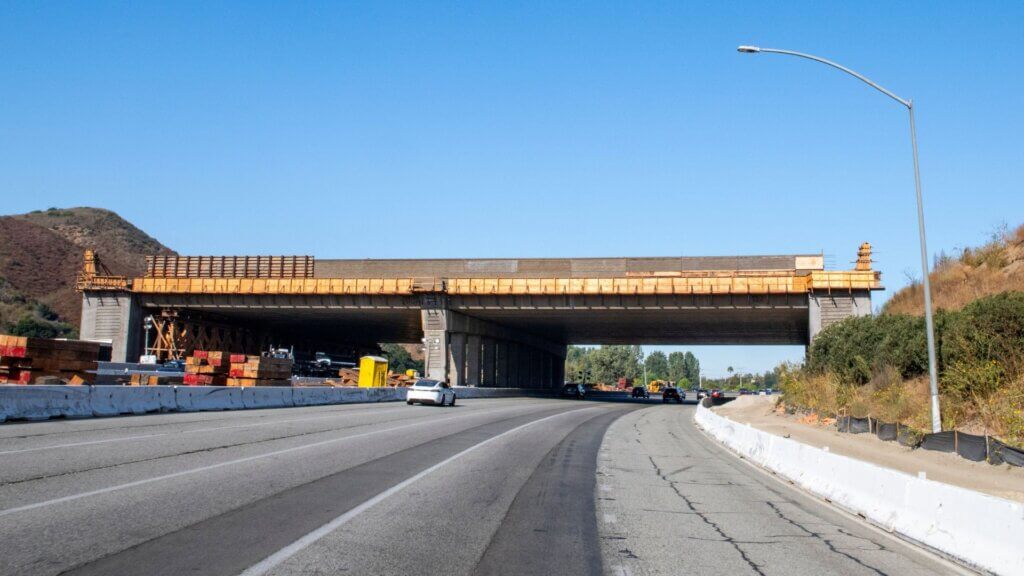
Beth Pratt, who has worked on the project for 14 years, issued a detailed rebuttal addressing costs, timelines, and flood-related delays. Christopher Rufo dismissed it as a “rambling screed.” After the story gained traction, Pratt told SFGate she received threatening voicemails, which were reported to law enforcement. The National Wildlife Federation has since reviewed safety protocols for public events tied to the project.
State officials note that the crossing is not representative of typical costs. California completed four wildlife crossings last year at an average of about $16 million each, with more than 30 additional projects underway at similar price points. The Natural Resources Agency emphasized that the Annenberg crossing’s scale and location above a major freeway make it an outlier within the broader program.
Rufo maintains that the cost increase and delayed timeline warrant scrutiny regardless of the explanation. He told SFGate the piece is accurate and has not been seriously challenged. Supporters counter that the project’s scale and early wildlife use justify the investment. Construction remains ongoing, with completion expected in 2026, when it is set to become the largest wildlife crossing in the United States.