

Products are selected by our editors, we may earn commission from links on this page.
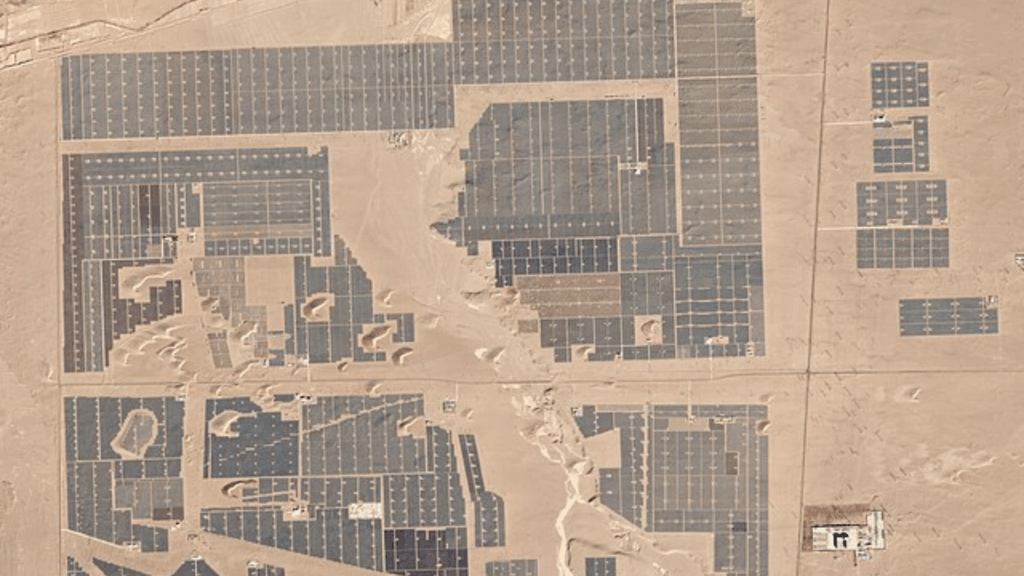
China’s largest solar farm, part of a sprawling network of renewable energy installations on the Tibetan Plateau in Qinghai province, is generating massive amounts of clean electricity while also producing surprising environmental benefits that go beyond its original mission of power production. Researchers studying the region have found that this expansive solar cluster, which can generate nearly 17,000 megawatts of electricity, has begun to influence the surrounding desert ecosystem in ways that were not initially expected. The solar arrays have helped reduce soil evaporation, increase moisture levels in the ground beneath them and create conditions that support a wider range of plant and microbial life than nearby untreated desert areas.
The presence of the panels appears to have altered local microclimates, shading the soil from intense desert sun and slowing the rate at which water escapes from the ground. Scientists suggest this effect could be one reason why vegetation and microbial communities are more diverse and abundant near the installation than in surrounding barren regions, offering a new perspective on how large solar farms can contribute to ecological restoration as well as clean energy production.
This unexpected set of ecological interactions has drawn attention from environmental researchers and renewable energy advocates alike, who see the Qinghai solar complex as a potential model for building dual-purpose energy infrastructure that both powers homes and supports fragile environments in arid landscapes.
Transforming Desert Landscapes Around Solar Arrays
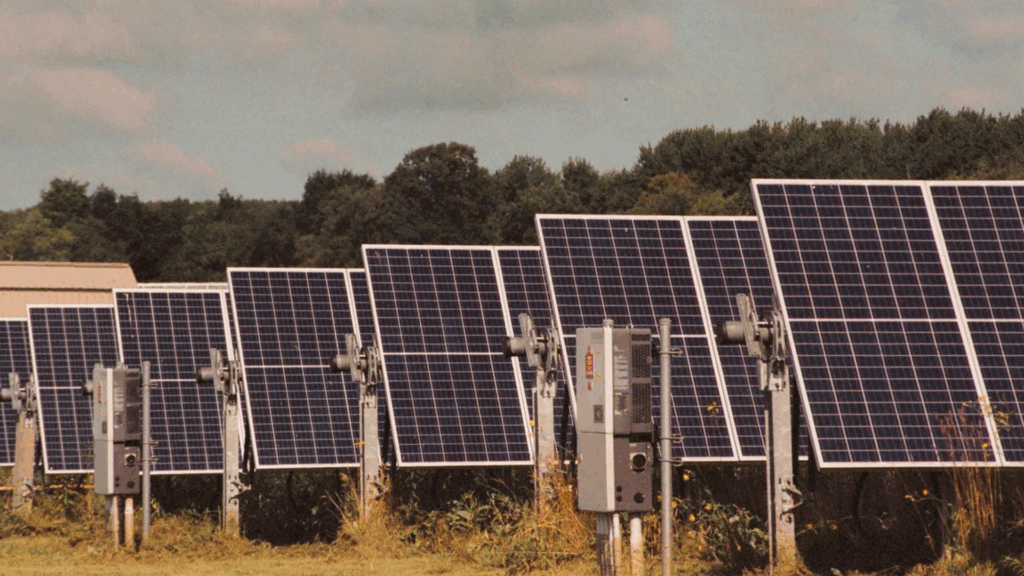
Scientists studying large solar farms in China have documented changes in soil composition, moisture and microclimates that suggest these installations may play a role in shifting once-barren deserts toward greener conditions. In multiple field studies, researchers observed that shaded ground beneath solar panels retained more humidity and maintained cooler temperatures than exposed desert sand, creating a more hospitable environment for pioneer plant species and microbes to become established.
These effects appear strongest in arid and semi-arid regions where solar installations are often sited, and scientists believe they originate from the panels’ ability to block direct sunlight, reduce soil temperatures and limit the intense evaporation that typically characterizes desert environments. The result can include slight increases in vegetation coverage and signs of early ecological succession that may have implications for combating desertification.
While these environmental changes do not transform deserts overnight, the emergence of soil moisture, cooler microclimates and nascent plant communities around solar farms points to a broader set of interactions between renewable energy infrastructure and fragile ecosystems, challenging traditional views of how utility-scale solar installations influence their surroundings.
Renewable Energy, Ecology and China’s Clean Power Strategy
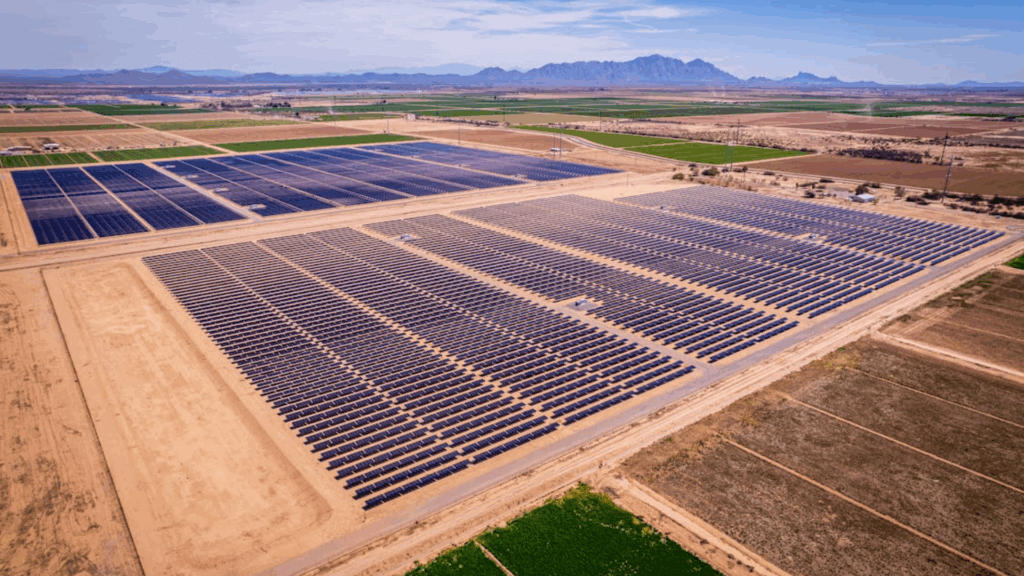
China’s rapid expansion of solar capacity is part of a larger strategy to reduce reliance on fossil fuels and transition toward renewable energy sources that can meet rising electricity demand while lowering carbon emissions. The nation has added unprecedented amounts of solar and wind power capacity in recent years, helping drive renewables to record levels of national generation.
Large solar bases such as the one in Qinghai province reflect China’s broader renewable push, which also includes offshore floating arrays, hybrid solar-wind storage complexes and plans for even more ambitious installations. This investment supports not only electricity production but also innovations in grid integration, storage and ecological impact research, reflecting how clean energy infrastructure can be aligned with environmental management goals.
Experts note that by shifting toward renewables at such a scale, China is creating both economic and environmental opportunities, from powering electric vehicles and industrial growth to exploring how energy projects can positively interact with local ecosystems, even in regions long challenged by aridity and desertification.
What China’s Solar Success Could Mean for the Future
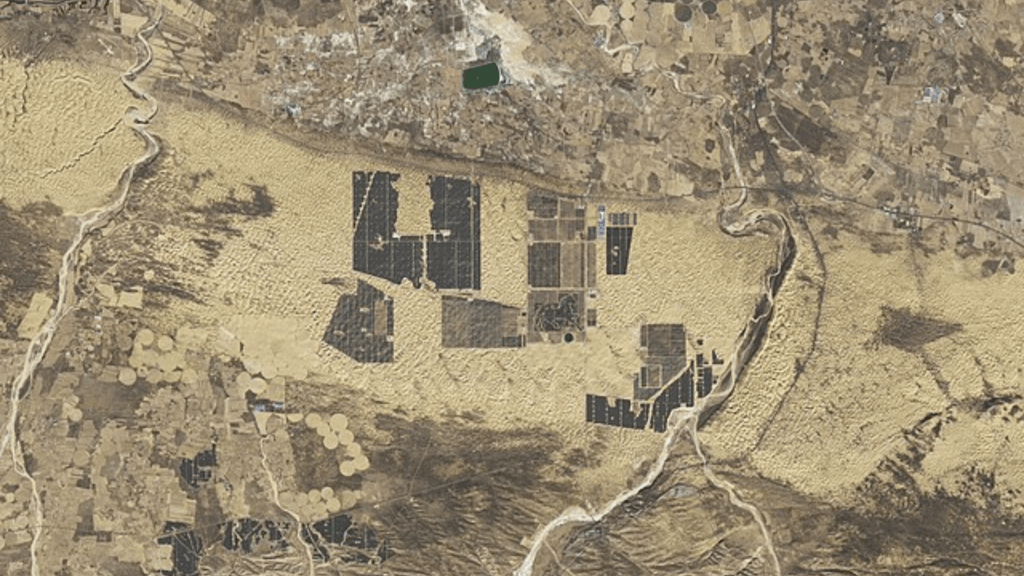
China’s largest solar farm is increasingly being viewed as more than a power-generation milestone, as its broader environmental effects are prompting scientists, policymakers and energy planners to rethink how large-scale renewable infrastructure interacts with the natural world. The project shows that solar installations, when deployed at scale in arid regions, may influence soil conditions, temperature regulation and moisture retention in ways that extend well beyond electricity output, encouraging a more holistic evaluation of renewable energy development.
As climate change intensifies and desertification threatens ecosystems across multiple continents, the idea that solar farms could play a role in stabilizing fragile landscapes has opened new lines of scientific inquiry and policy discussion. Researchers caution that solar power is not a standalone solution to environmental degradation, but evidence from China suggests that thoughtfully designed renewable projects could contribute to land recovery efforts while simultaneously reducing carbon emissions and supporting national energy needs.
China’s aggressive expansion of renewable energy, paired with growing research into its unintended ecological benefits, may serve as a reference point for other countries navigating the complex challenge of transitioning away from fossil fuels. By demonstrating that clean energy infrastructure can potentially support both climate goals and environmental resilience, the project underscores how future energy systems may be designed to deliver broader societal and ecological value alongside reliable power generation.