

Products are selected by our editors, we may earn commission from links on this page.
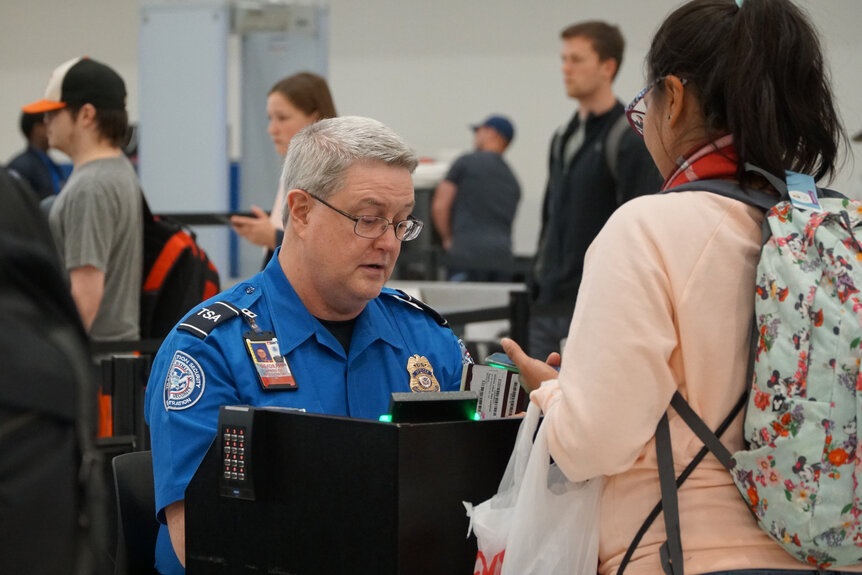
The Trump administration’s push to expand private airport screening has triggered a growing debate in Congress over the future of the Transportation Security Administration. At the center of the dispute is a proposal that could allow more smaller airports to replace federal TSA officers with private security contractors, reviving a long-running argument about whether airport screening should remain a government function or move further into private hands.
The Privatization Debate Is Not New
The idea of private airport screening has existed since the aftermath of the September 11 attacks, when Congress created the TSA under the Aviation and Transportation Security Act of 2001. The law also established the Screening Partnership Program, which allows airports to apply for private contractors supervised by the TSA instead of using federal screeners. While only a small number of U.S. airports currently use private screening companies, supporters argue the model has operated for years without major security failures.
Trump Officials Want Faster Expansion
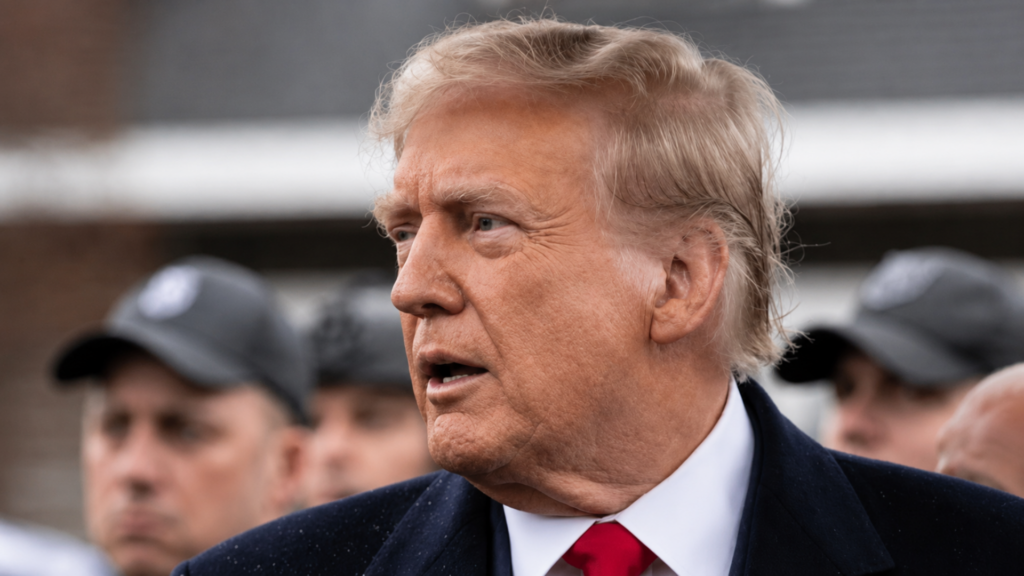
The latest proposal from the Trump administration would reportedly accelerate privatization efforts, especially at smaller regional airports where staffing shortages and operational costs have become growing concerns. Administration officials have argued that private contractors could offer more flexibility, faster hiring, and lower long-term costs while still operating under TSA oversight and federal security standards. The proposal arrives as the TSA faces ongoing workforce shortages and mounting pressure to modernize screening systems nationwide.
Smaller Airports Could Be Most Affected
Regional airports have become the primary focus because many struggle with staffing instability and rising operational expenses. Some smaller facilities already rely heavily on contract services in other areas of airport management, making privatized screening appear like a logical extension to supporters. Advocates also argue that smaller airports often face difficulty attracting and retaining federal TSA workers, particularly in rural communities where hiring pipelines remain limited.
TSA Employees And Unions Are Fighting Back
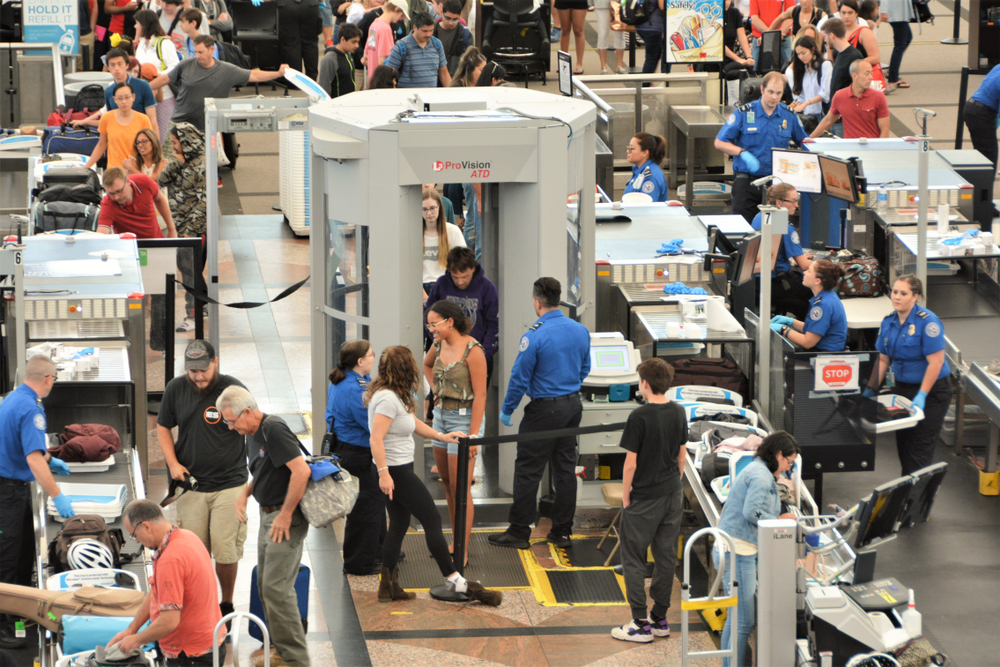
TSA employee groups and aviation unions have strongly opposed the administration’s plans, warning that privatization could weaken consistency across the nation’s airport security system. Critics argue that private firms may face pressure to reduce labor costs, potentially increasing turnover and lowering experience levels among screeners. Labor representatives have also warned lawmakers that expanding contractor-based screening could undermine workforce protections and reduce accountability during security incidents.
Aviation Leaders Remain Divided
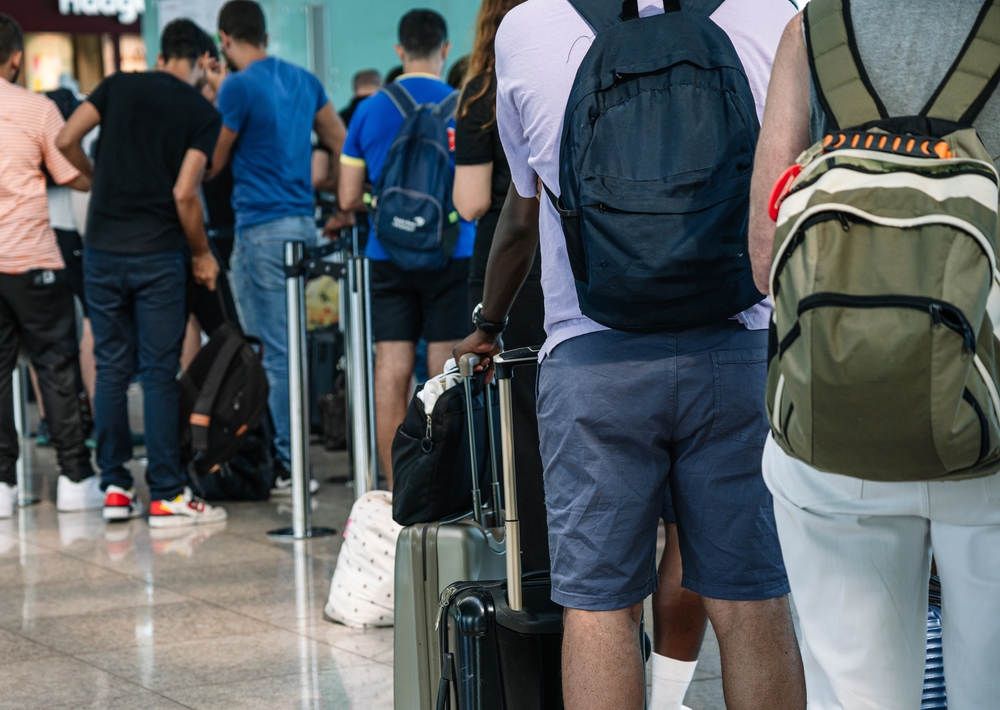
The airline and airport industries themselves are not fully aligned on the issue. Some airport executives support having greater control over staffing decisions and operational management, especially if it allows faster responses during travel surges or staffing shortages. Others worry that moving away from a fully federalized workforce could create uneven standards between airports and complicate coordination during emergencies or national security threats. Several aviation leaders have urged Congress to proceed cautiously rather than rapidly expanding privatization nationwide.
Congress Is Now Examining TSA Modernization
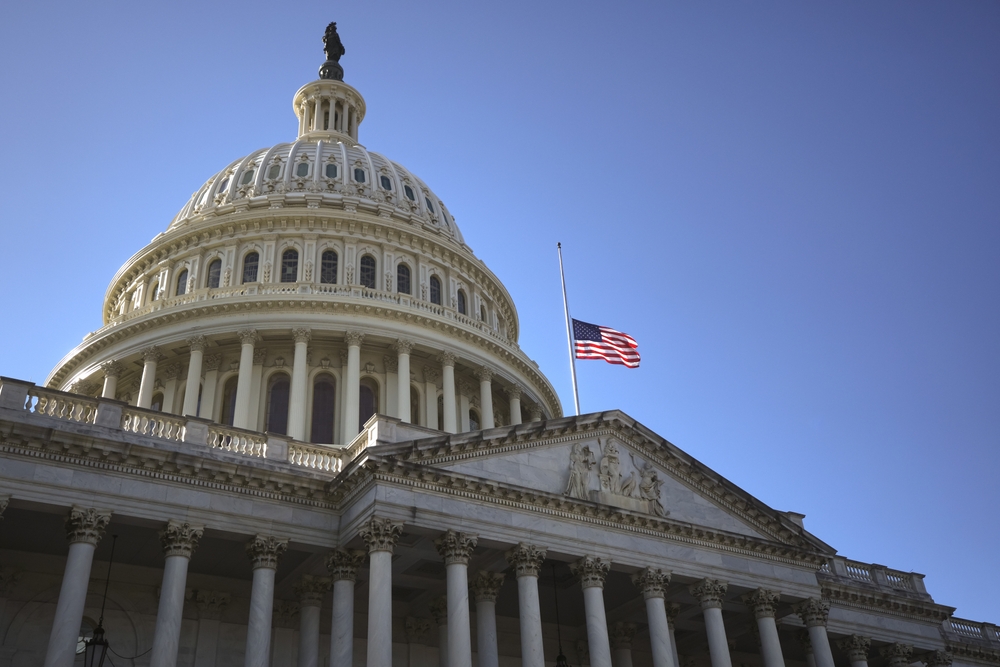
The debate intensified during recent House committee discussions examining TSA modernization efforts. Lawmakers from both parties questioned whether privatization would genuinely improve airport efficiency or simply shift existing challenges onto private contractors. Some members of Congress focused on new screening technologies, artificial intelligence systems, and checkpoint automation instead of workforce restructuring, arguing that modernization may matter more than changing who employs the screeners.
Supporters Say Private Models Already Exist
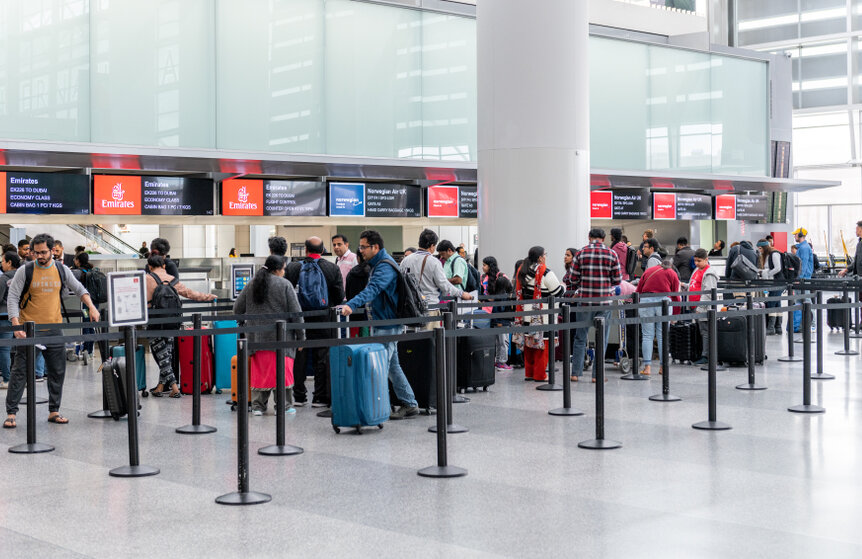
Backers of privatization point to airports such as San Francisco International Airport and Kansas City International Airport, where private screening companies already operate under TSA supervision. They argue these programs demonstrate that private contractors can meet federal standards while delivering efficient passenger screening. Supporters also note that the TSA would continue regulating procedures, conducting oversight, and setting security requirements even if contractors handled day-to-day checkpoint operations.
Critics Fear Long-Term Security Risks
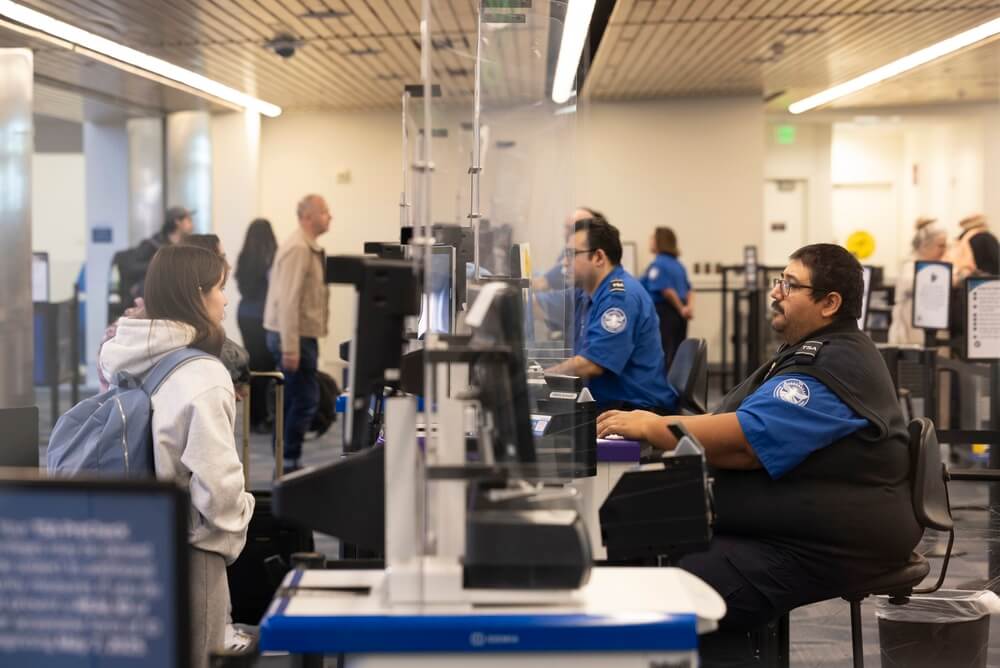
Opponents counter that aviation security differs from other outsourced airport services because it directly involves national security responsibilities. They warn that expanding private screening could fragment accountability if problems emerge across multiple contractors nationwide. Security experts have also cautioned that cost-cutting incentives could conflict with the need for extensive training, workforce stability, and long-term institutional knowledge, especially during periods of elevated threat levels or evolving security risks.
The Outcome Could Reshape Airport Security Nationwide
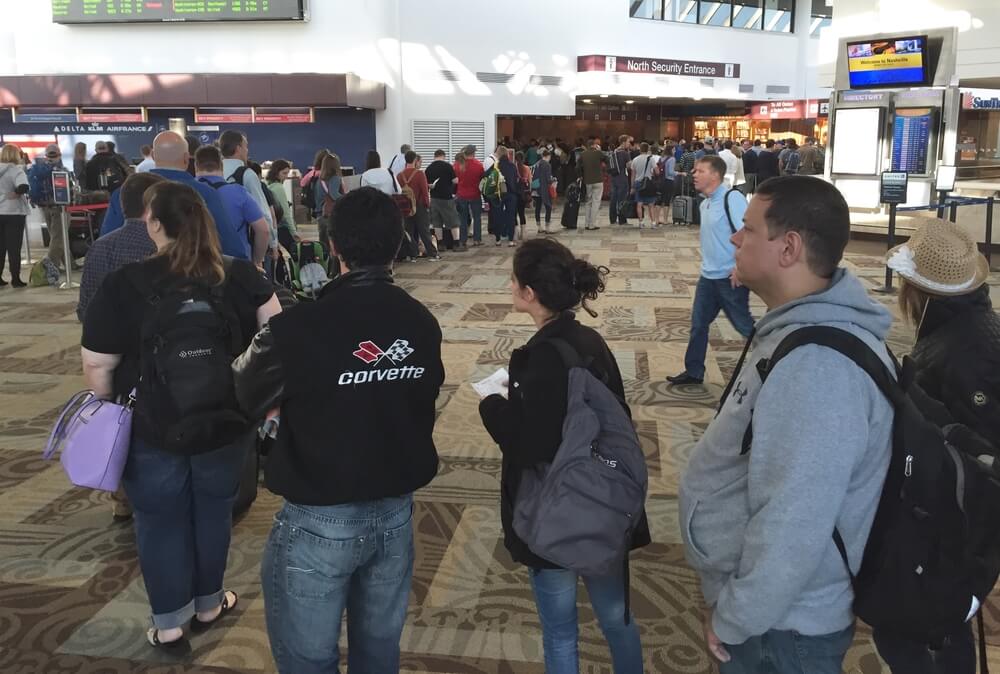
Congress now faces a broader question extending far beyond smaller airports: should airport screening remain primarily a federal responsibility, or should the government increasingly supervise private operators instead of directly employing screeners? The answer could shape not only TSA staffing levels but also the structure of aviation security for decades to come. As lawmakers weigh budget pressures, workforce shortages, and national security concerns, the debate over who screens America’s passengers is becoming one of the most consequential transportation policy fights in Washington.