


Products are selected by our editors, we may earn commission from links on this page.

Packing for a South Pacific cruise usually means sunscreen, swimsuits, and not much else. Passengers on one particular sailing got a very different instruction. Days before reaching a popular island stop, guests received a letter from the ship’s captain spelling out exactly which swimwear was banned, where, and why breaking the rule could affect the island’s future on the itinerary entirely.
Captain Eduardo Ferrone’s Letter Landed in 3,012 Staterooms
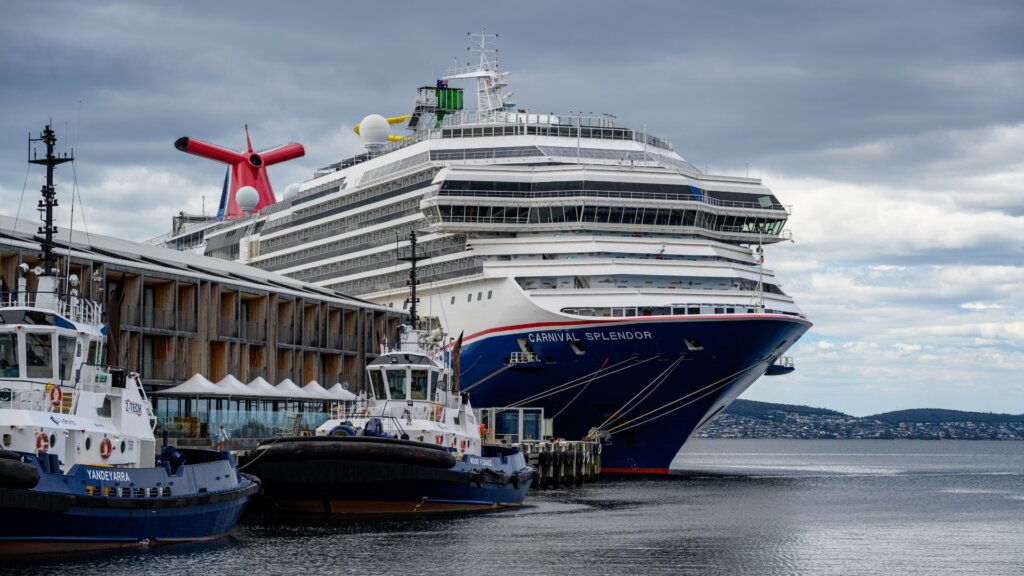
The notice went out aboard Carnival Splendor during an eight-night South Pacific sailing out of Sydney, delivered to every one of the ship’s roughly 3,000 guests ahead of a stop in Lifou, New Caledonia. Signed by the ship’s master, Eduardo Ferrone, the letter framed the request in blunt terms: a respectful dress code on the island wasn’t optional, according to a copy obtained by Cruisehive.
G-Strings, Monokinis and Topless Sunbathing Are All Off the Table, Even on the Beach

The specifics left little room for interpretation. Swimwear was restricted to beaches and pools only, and even there had to be “very modest in nature.” G-strings, thongs, monokinis and mankinis were explicitly named as banned, and topless sunbathing wasn’t permitted under any circumstance. Anyone heading into town, a church or a marketplace was told to switch into shorts, a shirt or a sundress first.
Lifou Is Home to About 9,000 Residents and a Deeply Religious Kanak Culture
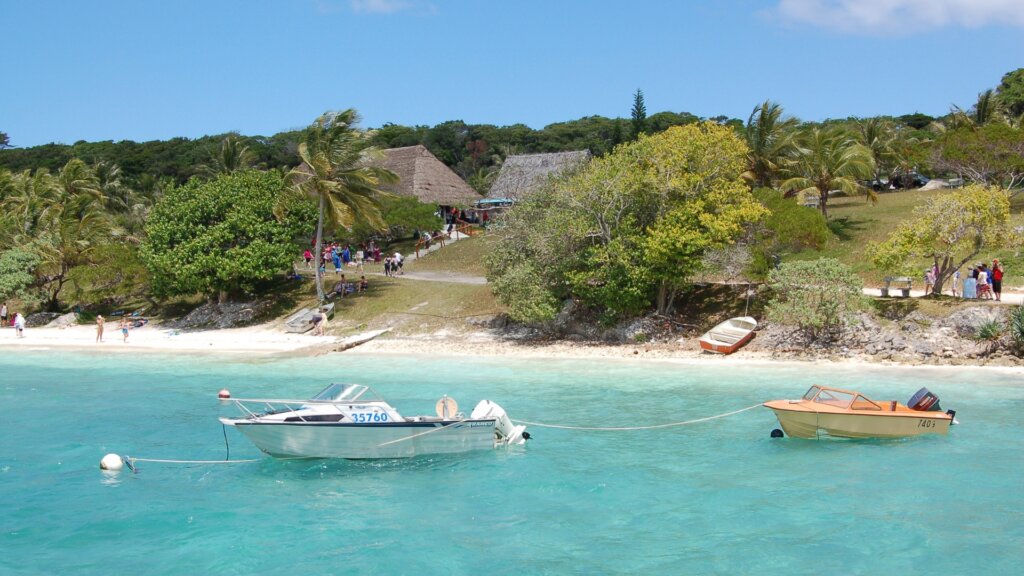
The largest atoll in New Caledonia’s Loyalty Islands, Lifou is described by Carnival itself as a “tribal island” shaped by the indigenous Kanak community, a culture the cruise line calls “highly religious” and built on respect. With roughly 9,000 residents total, a single ship dropping off 3,000 visitors at once carries real weight, which is part of why local dress expectations get spelled out so directly.
Carnival Confirms This Warning Isn’t New

A Carnival spokesperson later confirmed to Travel + Leisure that the guidance wasn’t a one-off reaction to a single complaint. The line said it has shared guidance with guests about appropriate dress in Lifou for many years, out of respect for the local community. The company added that travel should build understanding between cultures, and that it wants visitors engaging with destinations thoughtfully rather than casually.
The Letter Warns the Island Could Be Dropped From Future Itineraries

Buried in the notice was a line with real stakes attached. Non-compliance, the letter stated, could restrict or compromise Carnival’s ability to keep Lifou on future itineraries at all. Some passengers online have pushed back that the warning doesn’t reach guests early enough, with one traveler noting they’d only packed g-strings and had no idea a swimwear swap was required until the letter appeared in their cabin.
New Caledonia’s Beaches Are the Reason People Keep Booking Anyway
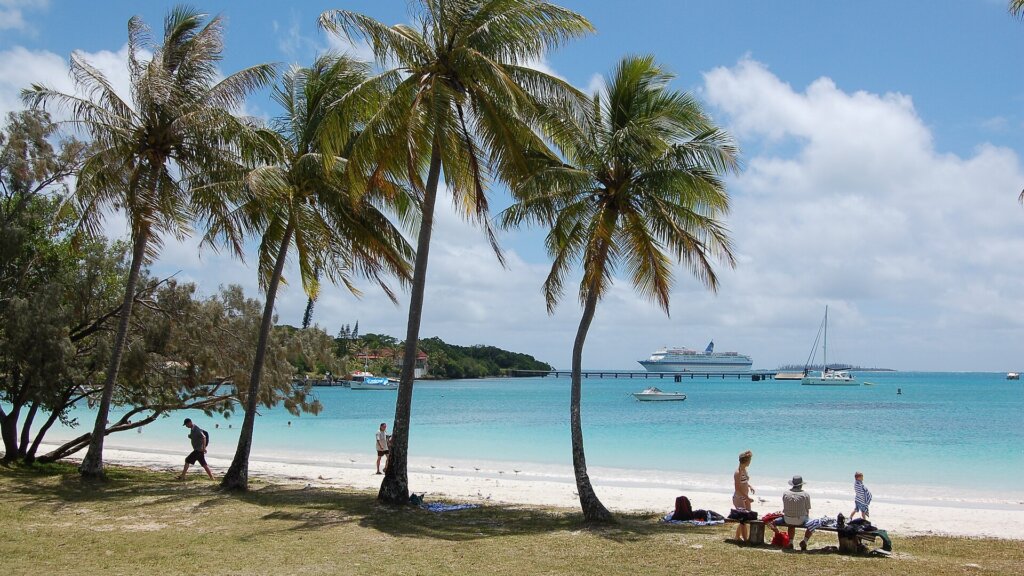
None of this has slowed demand for the destination. New Caledonia’s UNESCO World Heritage sites, white-sand beaches and clear lagoon water keep pulling South Pacific itineraries back to the archipelago, with diving, whale watching and horse riding rounding out the appeal. Carnival has multiple Lifou stops scheduled across 2027 alone, meaning the dress code reminder is likely to keep resurfacing season after season.
Swimwear Isn’t the Only Clothing Rule Catching Cruisers Off Guard
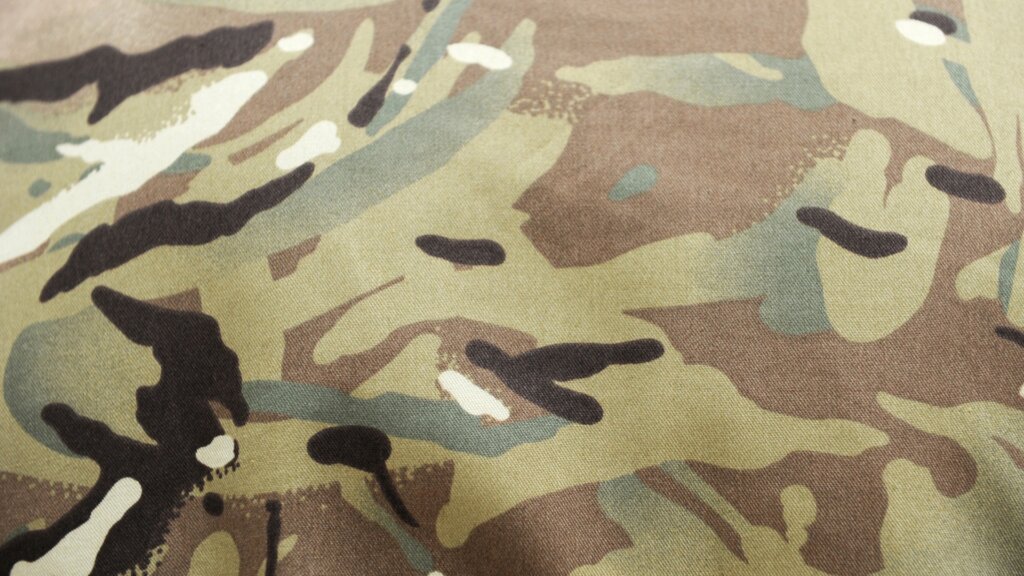
Lifou isn’t the only stop where a packing list needs a second look. Carnival’s own guidance flags that camouflage clothing and accessories are illegal in several Caribbean ports of call, including Jamaica, Grenada and Barbados. The restriction has nothing to do with modesty and everything to do with impersonation laws that reserve the pattern for active military and police only.
Wearing the Wrong Print in Barbados Can Mean a $2,000 Fine or Jail Time

The camouflage rule is enforced far more strictly than most travelers expect. In Barbados, unauthorized camouflage in public can bring a fine of roughly $2,000, up to a year in prison, or both, according to Islands.com. Jamaica and several neighboring islands apply similar consequences, and the ban covers accessories like bags, shoes and hats, not just clothing.
The New Rule for Packing a Cruise Itinerary
Between swimwear restrictions in the South Pacific and camouflage bans across the Caribbean, dress codes have quietly become something worth checking before any island-hopping trip gets booked. Cruise lines aren’t inventing these rules. They’re relaying laws and customs set by the destinations themselves, and the passengers who read the fine print are the ones who get to actually enjoy the port day.