

Products are selected by our editors, we may earn commission from links on this page.
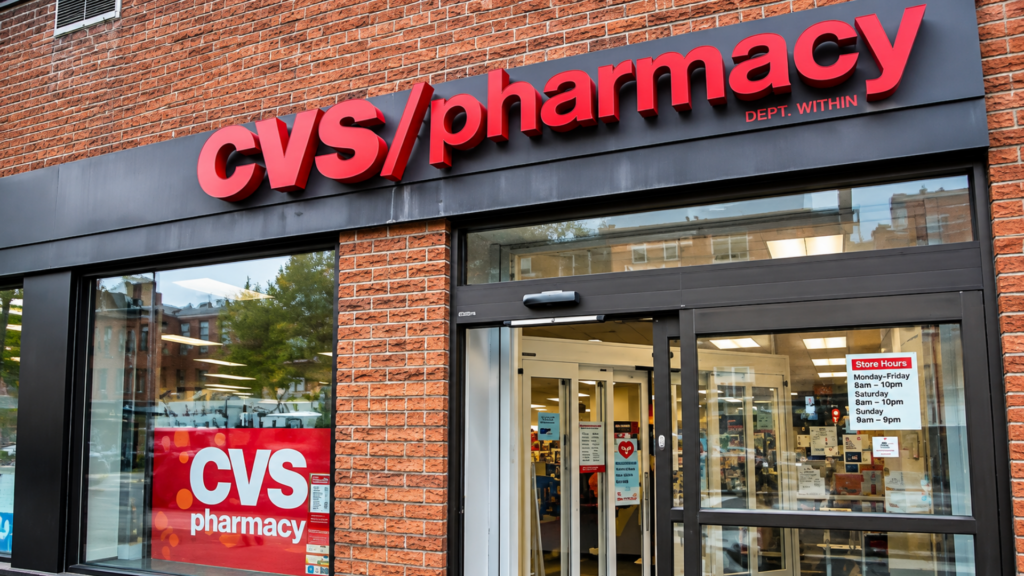
CVS Health had every reason to celebrate on Wednesday. The company reported third-quarter profit of $2.09 per share, well above the $1.65 analysts expected, and raised its full-year forecast. By afternoon, its stock was down about 13%, on track to erase nearly $15 billion in market value, Reuters reported. Investors were reacting to a second announcement made the same day, one involving roughly 9,000 drugstores and a corporate structure that took CVS two decades to assemble.
CVS will divide into two separately traded companies, with the separation due no later than the middle of 2028. One, named CVS Pharmacy, takes the roughly 9,000 stores where people pick up prescriptions and flu shots, plus the mail-order pharmacy and MinuteClinic. Prem Shah, a group president at CVS, will run it. Today’s shareholders will hold shares in each. The other company stays under CEO David Joyner and carries the CVS Health name, plus businesses most customers never see.
News of the plan leaked a day early. The Financial Times reported it Tuesday evening, and analysts scrambled. Michael Cherny of Leerink Partners wrote in a client note that the news was “a complete shock,” since the pharmacy business had been performing well. Barclays analyst Andrew Mok flagged the lack of financial detail. He also reminded investors that CVS promised synergies of at least $500 million when it bought Caremark about 20 years ago.
CVS CEO Says the Split Comes From Strength, but a UBS Analyst Says Investors See a Defensive Move
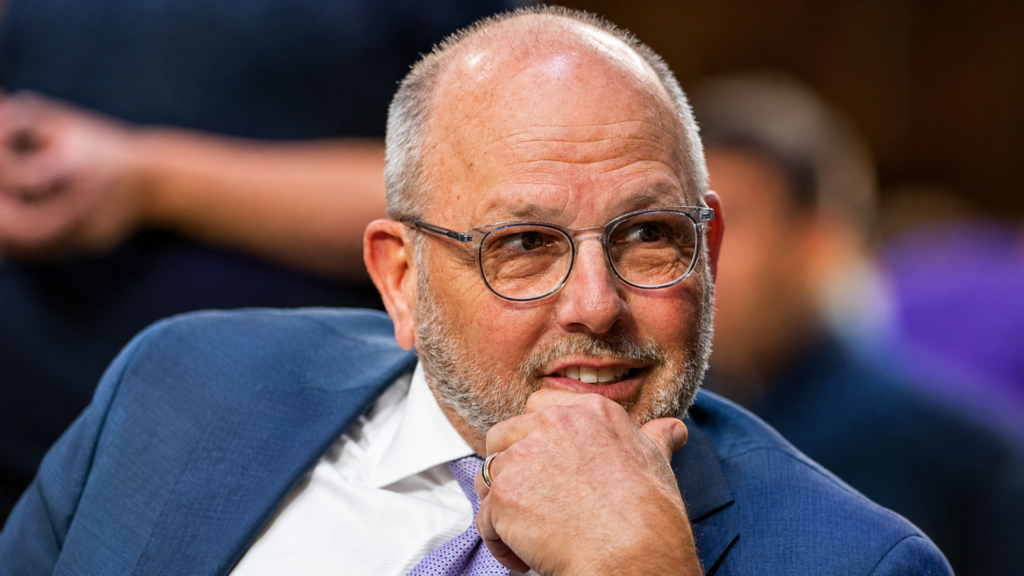
Joyner went on CNBC’s “Squawk on the Street” on Wednesday to defend the timing. He said the decision comes “out of a position of strength,” pointing to a rebound in the Medicare side of Aetna and steady results from the pharmacy. The numbers back up part of his case. CVS shares have gained roughly 70% since he became CEO in October 2024, and the company has now topped Wall Street’s profit estimates for eight consecutive quarters.
This is the second time the idea has surfaced in two years. In October 2024, CVS hired advisers to study separating its pharmacies from its insurance business. Joyner later told CNBC the company was “in a turnaround” back then, without the flexibility, cash or performance to attempt it. According to Reuters, he said CVS had been projecting a 5% decline in its pharmacy business when he took over two years ago.
Joyner credits store technology upgrades and CostVantage, a new reimbursement model that lets CVS charge lower prices and still profit, for the improvement. Skeptics read the split differently. UBS analyst Kevin Caliendo said investors see it as a defensive move against regulation instead of an offensive one. Morningstar’s Julie Utterback added that CVS has more exposure to vertical integration than any peer, so management may have wanted to act before “a legal or legislative decision that forced their hand.”
Arkansas and Tennessee Passed Laws Restricting Who Can Own Pharmacies and Drug Middlemen, and CVS Is Fighting Back in Court

Pharmacy benefit managers, known as PBMs, negotiate drug prices for insurers and employers. CVS owns Caremark, one of the three largest. Critics have long accused PBMs of murky pricing and conflicts of interest when the same company also owns an insurer and pharmacies. Arkansas and Tennessee have passed laws restricting that kind of ownership, and CVS and other companies are challenging them in court. A federal injunction has blocked Arkansas’s law. States have passed nearly 250 PBM-related laws overall.
Industry analyst Adam Fein has tracked that question for more than 15 years, and he calls the pharmacy-PBM synergies overblown. His evidence: Caremark’s share of equivalent prescription claims processed fell from 34% in 2023 to 26% in 2025, even with thousands of CVS stores under the same owner. Costco and Kroger pharmacies have also joined CVS’s Maintenance Choice program, which suggests common ownership is not required.
The most criticized parts of CVS are staying together. Aetna, Caremark and CVS Specialty, the specialty pharmacy arm, remain in one company with Oak Street Health and Signify Health. Fein says the new CVS Health will resemble Cigna, which also combines an insurer and a PBM. Loiacono, CEO of Judi Health, a midsize PBM that competes with Caremark, told Managed Healthcare Executive that CVS still owns a dispensing business that profits from drug spending, calling it a conflict of interest.
A Standalone CVS Pharmacy Inherits Front Aisles That Take 80% of Floor Space and Earn 15% of Revenue
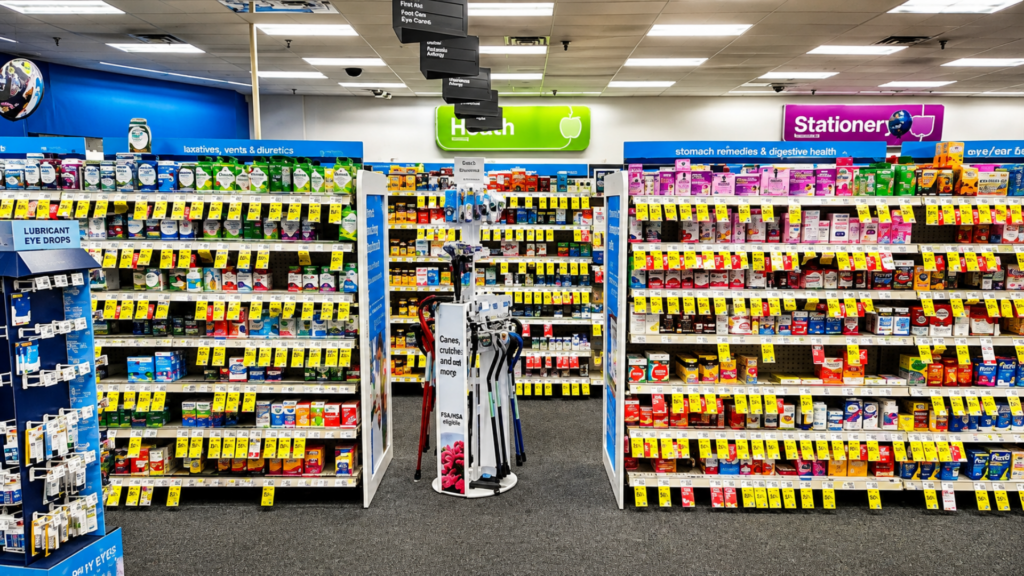
Standing alone, CVS Pharmacy inherits some awkward math. Fein notes that front-of-store merchandise brings in roughly 15% of revenue in CVS’s pharmacy segment while filling about 80% of a typical store’s retail floor space. Amazon, Walmart and Target have squeezed that business for years. MinuteClinic, the in-store clinic brand that goes with the stores, has about 800 locations, and Fein counts almost 35% fewer than four years ago.
Walgreens shows what pressure on the industry looks like. After selling its Boots business, it was acquired last year by private equity firm Sycamore Partners, Reuters reported. Prescription delivery has cut store visits, and RBC Capital Markets analyst Ben Hendrix wrote that a standalone CVS Pharmacy will face scrutiny in an “already-challenged retail pharmacy environment.” Independent pharmacies, about one-third of the nation’s total, may find a more level field, a pharmacy expert told Fox News.
CVS bought Aetna in 2018 in a deal Reuters valued at $78 billion, building a company meant to run pharmacies, insurance and drug benefits together. Eight years later, the stores are leaving that structure, and Joyner told analysts “we don’t need the integration of an operating structure.” CNN reports that the company announced no closures and that patients’ prescription costs should not change. The company built on integration is telling investors it can keep the benefits without it.