

Products are selected by our editors, we may earn commission from links on this page.
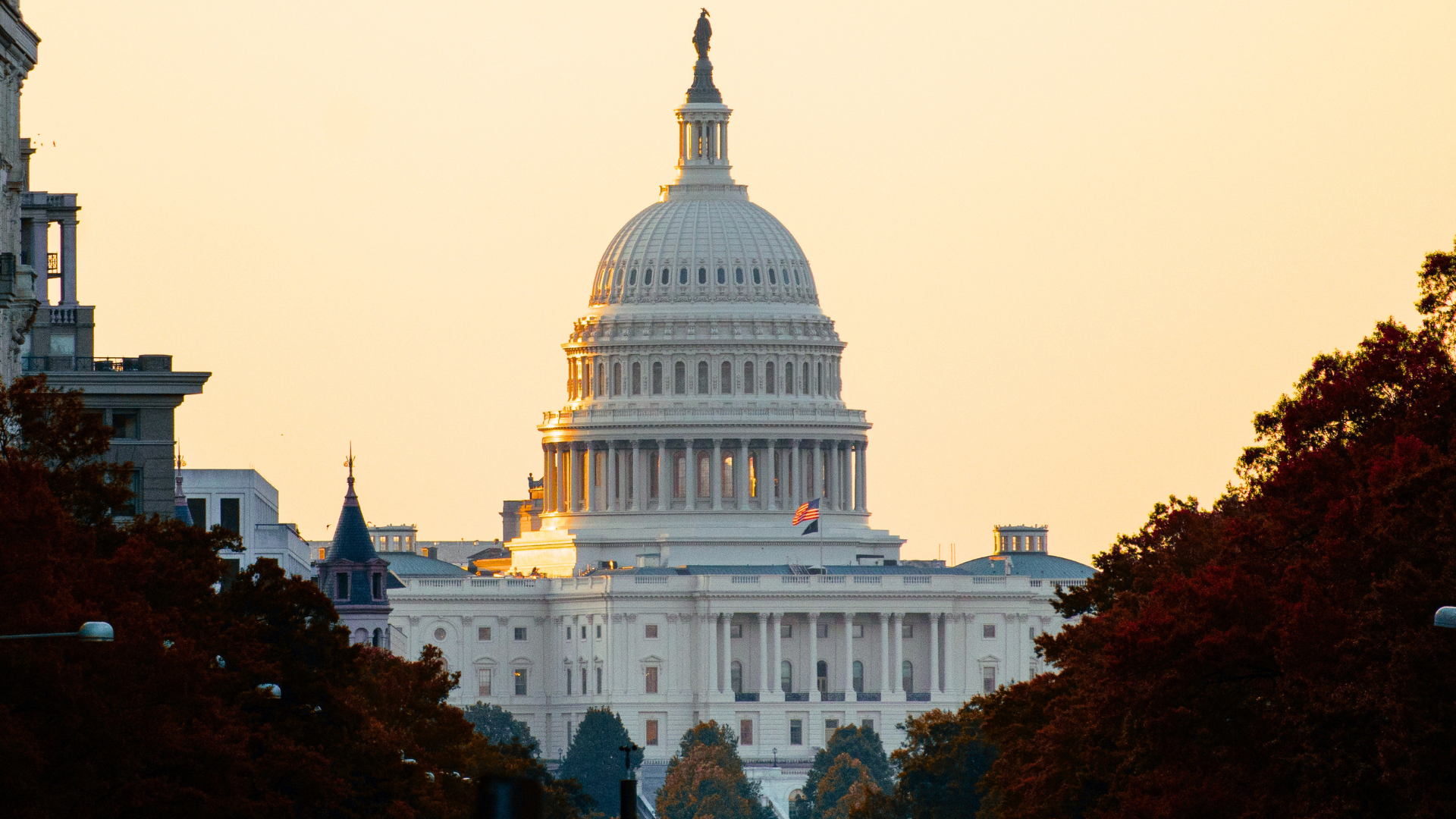
Americans may be one step closer to saying goodbye to the twice-yearly ritual of changing their clocks. The U.S. House of Representatives is preparing to vote on the Sunshine Protection Act, legislation that would make daylight saving time permanent nationwide and eliminate the need to “spring forward” in March and “fall back” in November. The proposal has gained renewed momentum after clearing a key House committee and receiving support from President Donald Trump.
The legislation has been debated for years as lawmakers weigh the benefits of ending the biannual clock changes against concerns about adopting permanent daylight saving time instead of permanent standard time. Supporters argue that ending the clock changes would improve public health, reduce sleep disruptions, and boost economic activity, while critics worry that darker winter mornings could create safety and health concerns.
Although the Senate unanimously passed a similar bill in 2022, it never received a House vote and expired at the end of that congressional session. This latest effort represents another opportunity for Congress to decide whether the United States should permanently stop changing its clocks twice each year.
What the Sunshine Protection Act Would Do

The Sunshine Protection Act would make daylight saving time the permanent standard across most of the United States. Instead of moving clocks ahead in March and back in November, states observing daylight saving time would remain on that schedule throughout the entire year. Hawaii and most of Arizona, which already do not observe daylight saving time, would continue
Backers of the bill say eliminating the twice-yearly time changes would provide several benefits. They argue that clock changes disrupt sleep schedules, increase the risk of workplace injuries and traffic accidents, and negatively affect productivity. Supporters also believe having more evening daylight year-round could encourage outdoor recreation, increase retail spending, and benefit tourism and local businesses.
The bill recently advanced after the House Energy and Commerce Committee approved it by a 48 to 1 vote. It has since cleared another procedural hurdle in the House Rules Committee, setting the stage for a full House vote. If the measure passes, it would still need Senate approval before it could be sent to the president for signature.
Why the Proposal Remains Controversial

Despite broad public frustration with changing clocks twice a year, lawmakers remain divided over whether permanent daylight saving time is the best solution. Some sleep researchers and medical organizations argue that permanent standard time better aligns with the body’s natural circadian rhythms, promoting healthier sleep patterns and improved overall well-being. They warn that permanent daylight saving time could result in much later winter sunrises, leaving millions of children traveling to school in darkness.
These concerns prompted Representatives Pat Harrigan and Mary Gay Scanlon to introduce an alternative proposal that would make standard time permanent instead. However, the House Rules Committee declined to allow a vote on that measure, leaving the Sunshine Protection Act as the primary proposal under consideration. Senator Tom Cotton has also voiced opposition to permanent daylight saving time, citing concerns about dark winter mornings and public safety.
History also plays a role in the debate. The United States briefly adopted year-round daylight saving time during World War II and again during the 1974 energy crisis. The 1974 experiment proved unpopular because many Americans disliked the late winter sunrises, leading Congress to repeal the policy within months. That experience continues to shape discussions as lawmakers consider another attempt to permanently change the nation’s clocks.
Congress Could Decide the Future of America’s Clocks

The upcoming House vote marks one of the most significant efforts in years to eliminate the twice-annual clock changes that affect most Americans. Supporters believe permanent daylight saving time would reduce sleep disruptions, improve safety, and provide economic benefits, while opponents argue that permanent standard time would better support public health and natural sleep cycles.
Although the proposal has bipartisan backing, it still faces legislative hurdles before becoming law. If approved by the House, the Senate would need to consider the measure once again, and lawmakers could continue debating whether permanent daylight saving time or permanent standard time is the better long-term solution.
For now, Americans should continue preparing to change their clocks as usual until Congress acts. Whether the country ultimately adopts permanent daylight saving time, permanent standard time, or keeps the current system, the debate reflects growing interest in ending a practice that has been part of American life for decades.