


Products are selected by our editors, we may earn commission from links on this page.

For more than five years, Christina Applegate was one of the most recognizable faces of life with multiple sclerosis. The Emmy-winning actress, now 54, built a public platform around the disease, down to a podcast devoted to it. Then her doctor walked into her room and opened with a single word: “Congratulations.” Applegate recalled the moment through tears on a recent episode, and the rest of that sentence has left her even more heartbroken.
Applegate Learned She Had MS on a Monday After Work in 2021, While Filming the Final Season of Dead to Me
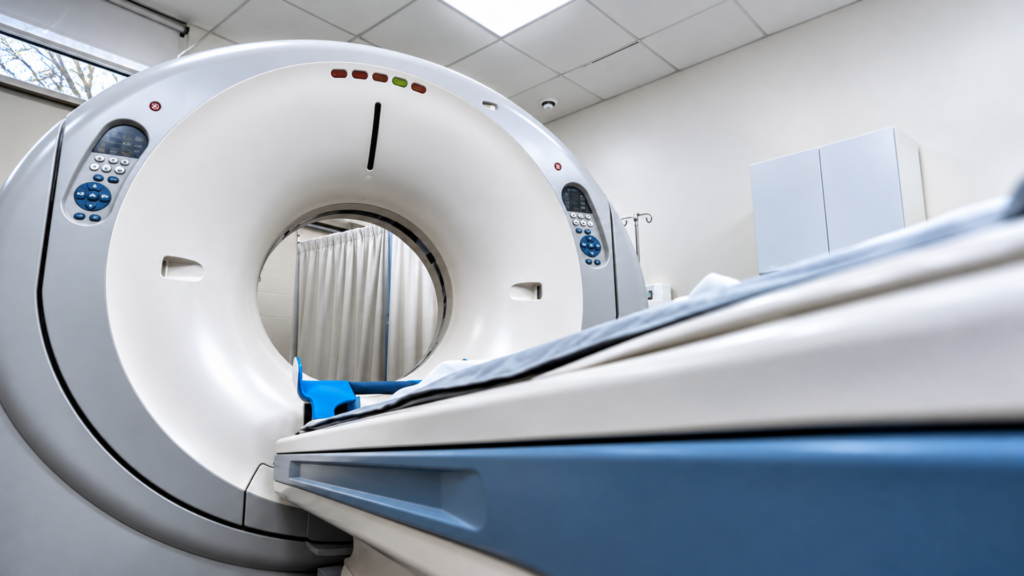
In 2021, Applegate was shooting the third and final season of her Netflix series Dead to Me when she began struggling to walk. Crew members had to use a wheelchair to get her to set. Someone urged her to get an MRI, and on a Monday after work she received the answer: multiple sclerosis. Production paused for about five months while she started treatment, and on August 10 she announced the diagnosis in a tweet.
Applegate and Jamie-Lynn Sigler Became Public Faces of MS Through Their Podcast MeSsy
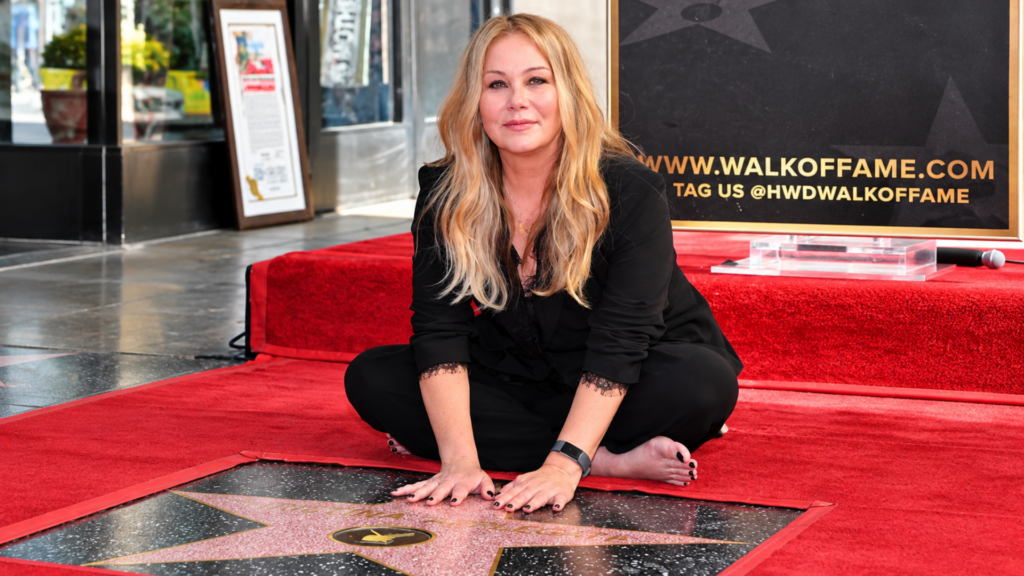
After going public, Applegate became one of the most visible advocates for people living with MS. At her Hollywood Walk of Fame ceremony that November, she made her first public joke about the illness: “Oh, by the way, I have a disease.” She also co-hosted the podcast MeSsy with Jamie-Lynn Sigler, the Sopranos actress who has MS herself. A few years into her treatment, according to Applegate, her doctor proposed pausing it to see what would happen.
Applegate Says Pausing Her Infusion Treatments Changed Nothing, Sending Her Doctor Back Through the Original Diagnosis
The idea was to take Applegate off her infusion treatments and watch how her B cells, a type of immune cell, reacted. Applegate says nothing shifted once the treatments stopped. That result sent her doctor back through the original 2021 diagnosis, and the review ended with a conclusion that contradicted more than five years of medical history. Her doctor then walked into the room to deliver it in person.
“Congratulations, You Don’t Have MS”: Applegate Says the News Did Nothing for Her Symptoms

The full greeting, according to ABC News, was “Congratulations, you don’t have MS.” Applegate told listeners that “nothing magical happened” afterward. Her symptoms remain, and in some ways they have grown worse. She still uses wheelchairs when she visits the doctor’s office. After that conversation, she took months away from the podcast to process the news.
Applegate Describes a Deep Depression and a Lost MS Community After the Diagnosis Was Withdrawn

Applegate told Sigler she went through a deep depression after the news, and she feels cut off from the MS community the two women once represented. Without a diagnosis, she has no explanation for symptoms that shape her days. “I’m back at square one,” she said on the podcast, adding that her doctors plan to investigate what has been happening since 2021. Specialists say her situation is more common than most patients realize, and one neurologist put a number on it.
Doctors Say Roughly 15% to 20% of People Diagnosed With MS Turn Out Not to Have It
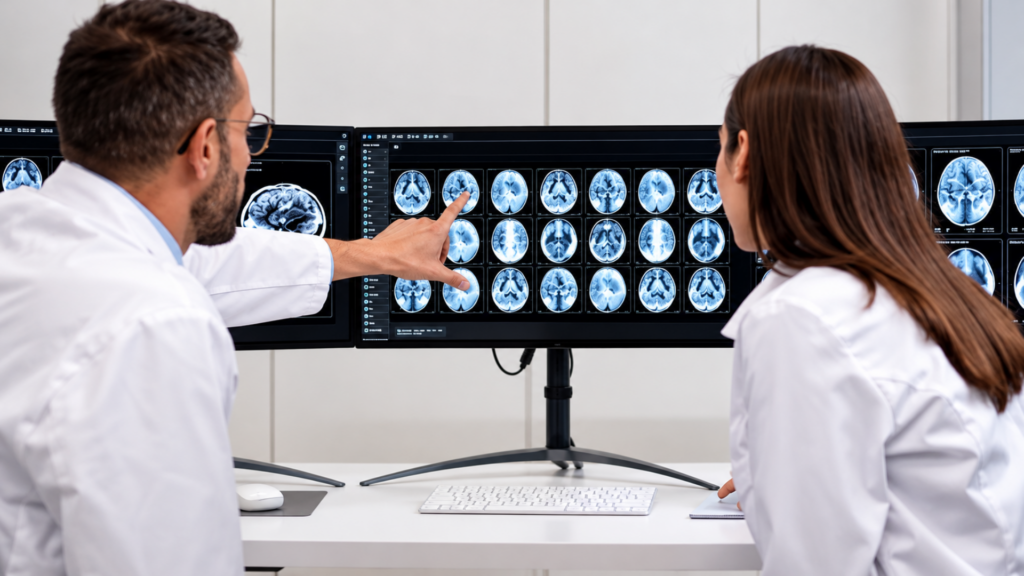
In the follow-up episode, Dr. Marwa Kaisey of Cedars-Sinai Medical Center told Applegate and Sigler that almost 1 in 5 people given an MS diagnosis do not actually have the disease. Dr. Robert Bermel, who directs the Mellen Center for MS at Cleveland Clinic, told CBS News the largest studies put the figure between 15% and 20%. His center cares for more than 11,000 MS patients. Experts trace the problem to a test that does not exist.
Brain Lesions Tied to MS Can Also Come From High Blood Pressure, Smoking and Migraines
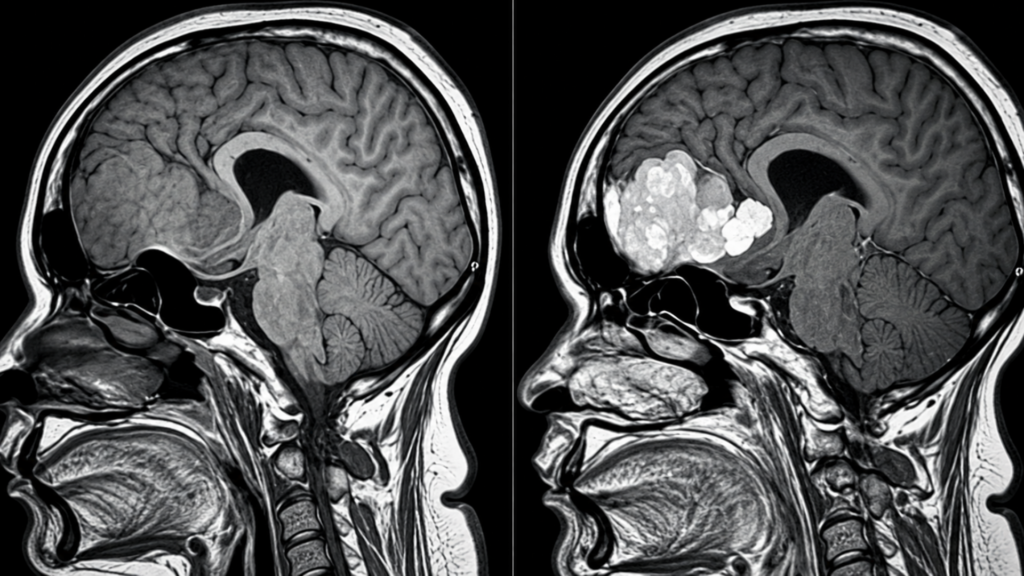
No single test confirms MS. Dr. Josef Gutman of NYU Langone says doctors instead assemble a patient’s history, MRI images and markers such as spinal fluid, unlike diabetes, where one blood test settles the question. Bermel says misread brain scans are the usual root of a misdiagnosis. Lesions are a hallmark of MS, yet high blood pressure, smoking and migraines can also cause them. Several other conditions can imitate the disease as well.
Fibromyalgia, Migraines and Autoimmune Conditions Can Mimic MS, a Cleveland Clinic Specialist Says

When a misdiagnosis surfaces, doctors start looking elsewhere. Bermel calls fibromyalgia a commonly identified imitator, and migraines can produce both lesions and neurological symptoms. Autoimmune conditions and chronic pain or fatigue syndromes belong on the list too. Some patients have several disorders at once, such as a sleep or thyroid problem behind fatigue. MS can feel like an appealing answer because it ties many symptoms to one cause. Bermel says one step most often exposes the error.
Specialists Say a Second Opinion From an MS Expert Is Reasonable for Anyone Who Doubts a Diagnosis
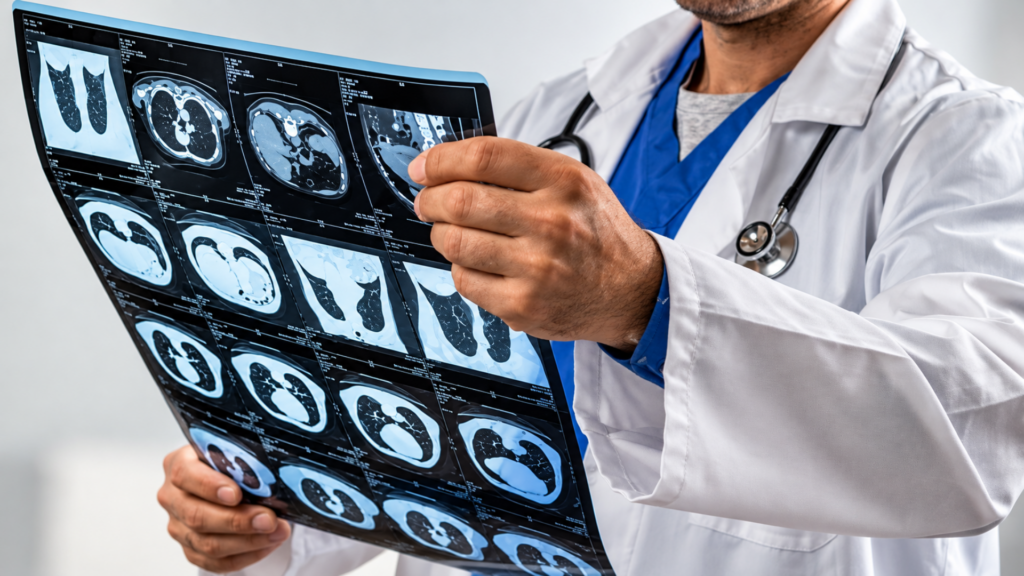
Misdiagnoses are most often caught when patients seek a second opinion because their symptoms are not improving. Bermel says that step makes sense for anyone facing a life-changing diagnosis, since it can connect patients with more resources even when the original call proves correct. MS specialists are more likely to know the 2025 diagnostic criteria, and the National Multiple Sclerosis Society lists care centers nationwide. Applegate says her doctors will now investigate what has caused her symptoms since 2021.