


Products are selected by our editors, we may earn commission from links on this page.

Have you ever signed a car contract, handed over a massive down payment, and driven home, only to have the dealer snatch the car from your driveway days later? This terrifying scenario is playing out across American suburbs as predatory auto retailers exploit a controversial gray area in consumer lending. Unsuspecting buyers are finding themselves trapped in a high-stakes corporate shell game where signed contracts are suddenly declared completely void, launching a nightmare that ruins lives.
The devastating sequence often begins under the guise of an ordinary, lengthy price negotiation. In a prominent case illuminating this national trend, a buyer named Brad successfully negotiated terms for a new 69,000 dollar pickup truck, finalized the paperwork, and provided a 25,000 dollar down payment. After hours of intense calculations, both parties signed the final contract, and Brad drove the vehicle home, confident that the complex transaction was entirely completed and secure.
The financial trap snapped shut just hours later when the dealership called Brad claiming their staff had made an unfortunate 15,000 dollar pricing error during negotiations. The retail managers demanded that he immediately return to the storefront to execute a new, significantly more expensive contract to correct their alleged mistake. When Brad refused to inherit the costly burden of their internal accounting blunder, the business retaliated by turning the dispute into an absolute battleground.
This article was created with the assistance of AI and reviewed by our editorial team for accuracy and clarity.
The Deceptive Underbelly of Yo-Yo Financing Systems
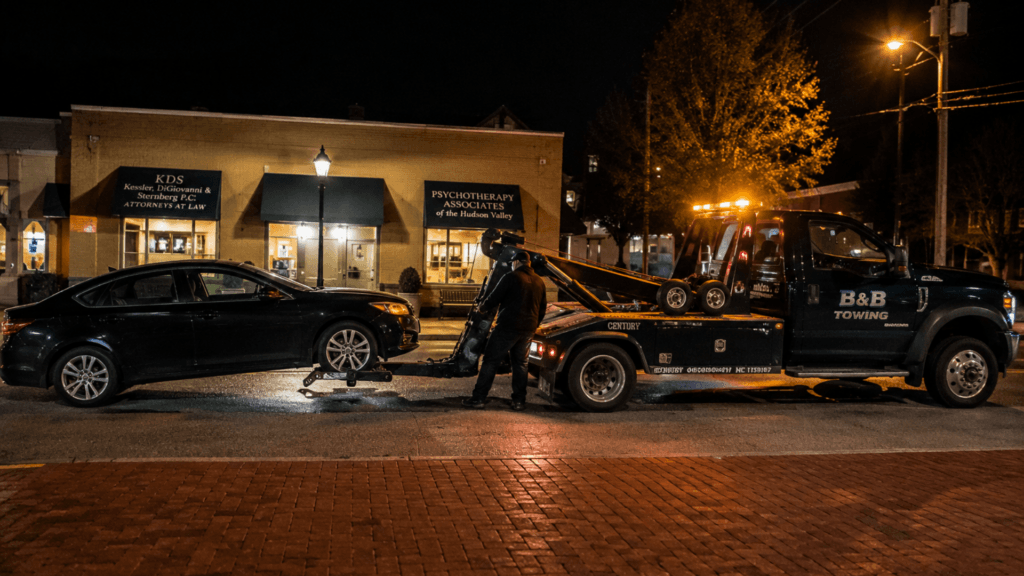
To force the driver’s compliance, the dealership deliberately withheld the signed transaction paperwork from the auto financier and refused to cash Brad’s official down payment checks. Because the business intentionally blocked his initial monthly payments from processing, they quickly declared the account in default. Brad woke up days later to discover his truck had been repossessed in the middle of the night, leaving him completely stranded without his vehicle or his 25,000 dollar deposit.
This aggressive, high-pressure tactic is known across the consumer finance sector as a spot delivery or yo-yo financing scam. The loophole allows auto dealers to spot deliver a vehicle to a consumer on weekends or evenings before third-party bank financing is fully finalized. Shady operators exploit this structural delay, betting that once a family parks a vehicle in their driveway and shows it to neighbors, they will sign a costlier contract rather than face public humiliation.
According to legal experts at the Consumer Action Law Group, this predatory behavior directly violates foundational contract laws. Once both parties execute a written contract, the underlying financial terms are binding, meaning neither side can unilaterally alter the agreement without explicit, mutual consent. Retailers frequently claim an error nullifies the deal, but consumer advocates emphasize that basic typographical or negotiation missteps do not grant businesses the automatic right to repossess property.
Federal Regulatory Rollbacks Fuel Retail Deception

The sudden proliferation of these deceptive auto sales practices comes at a highly volatile moment for federal consumer protection systems. The Federal Trade Commission previously attempted to outlaw these predatory bait-and-switch ploys through its comprehensive Combating Auto Retail Scams Trade Regulation Rule, popularly known as the CARS Rule. However, the federal protection framework was abruptly vacated on procedural grounds, leaving everyday car buyers to navigate a highly fragmented regulatory landscape.
With federal guardrails weakened, a shocking number of American consumers report facing intense retail dishonesty at local showrooms. An expansive industry study conducted by compliance firm KPA revealed that 76 percent of Americans do not trust auto dealerships to be honest about vehicle pricing. Furthermore, one-third of all surveyed buyers stated they have personally experienced deceptive selling tactics, undisclosed junk fees, or outright harassment from sales staff, showing that systemic reform is desperately needed.
The lack of trust is driving a massive wave of consumer complaints to state regulators, who are now tasked with policing these predatory auto loans without federal assistance. State attorneys general are increasingly using local deceptive trade practice laws to crack down on showrooms that systematically target vulnerable buyers. As these legal battles intensify across the country, consumer advocates are scrambling to educate the public on how to spot these traps before walking onto a dealership lot.
Defensive Strategies to Avoid Showroom Scams

To avoid falling victim to these sophisticated tracking and financing traps, consumer advocates urge buyers to alter their showroom habits completely. The Federal Trade Commission recommends demanding a verified, out-the-door price in writing before ever leaving your home to visit a local lot. Securing your own independent auto loan pre-approval through a trusted credit union or local bank completely eliminates a dealer’s ability to pull you into a conditional spot delivery snare.
If a dealership attempts to alter your signed contract terms or executes a wrongful repossession, you must immediately document every text, voicemail, and paper disclosure. Victims should immediately bypass dealership management to file official fraud complaints with their State Attorney General and the Federal Trade Commission. Engaging a specialized consumer protection attorney can help recover stolen down payments and secure statutory damages for egregious corporate misconduct, leveling the playing field for ordinary citizens.
The ongoing battle over spot delivery tactics highlights critical vulnerabilities in the modern American consumer experience. As corporate dealer networks deploy increasingly sophisticated tracking tools to monitor and reclaim vehicles, the line between a finalized sale and an ongoing negotiation continues to blur. Will lawmakers step in to permanently close these predatory financing loopholes, or will the simple act of buying a car remain one of the most financially dangerous journeys a consumer can take?